Department of Microbiology and Immunology, University of Texas Medical Branch, Galveston, Texas, USA.
Department of Biochemistry and Molecular Biology, University of Texas Medical Branch, Galveston, Texas, USA.
Gut Microbes. 2022 Jan-Dec;14(1):2111950. doi: 10.1080/19490976.2022.2111950.
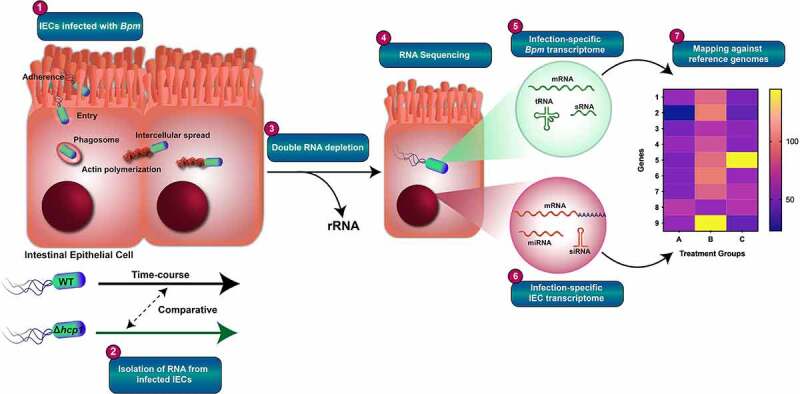
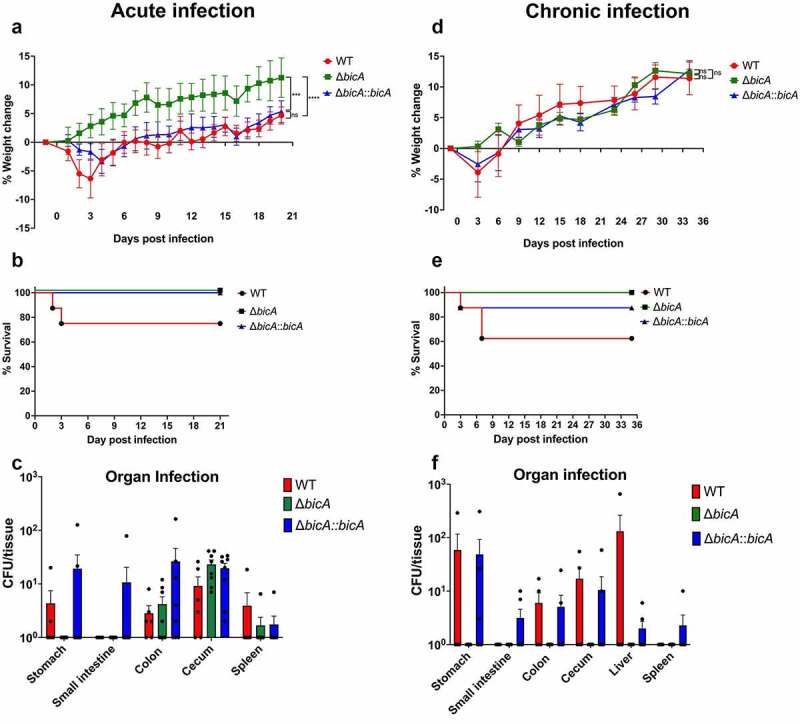
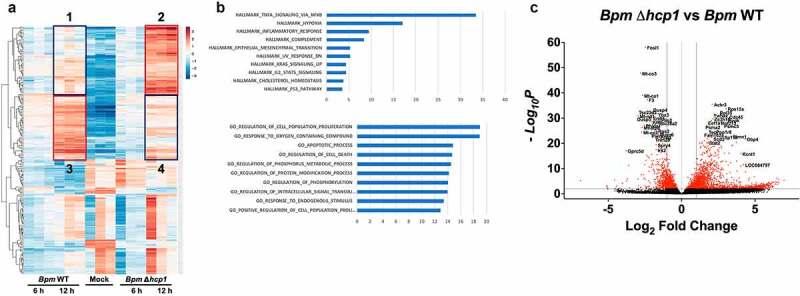
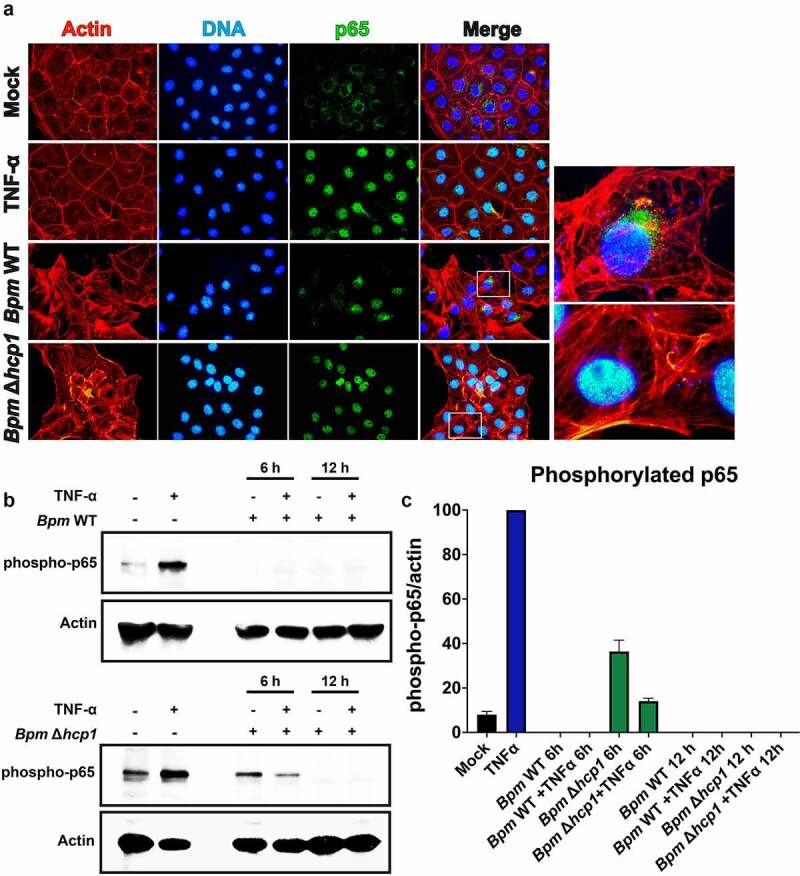
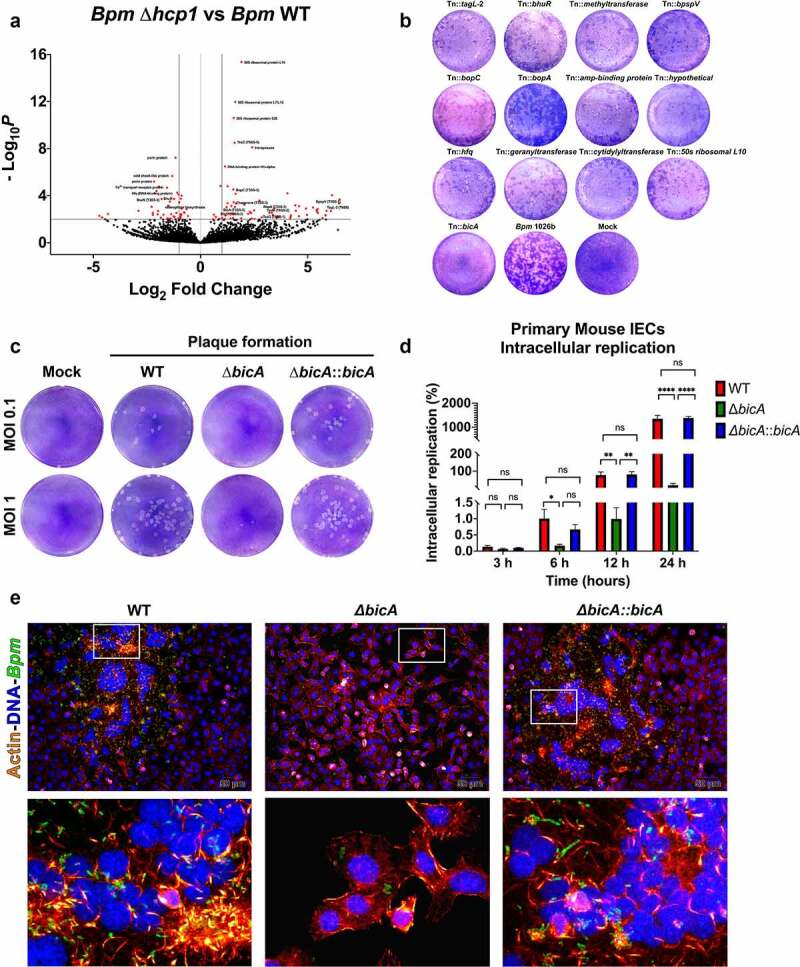
Melioidosis is a disease caused by the Gram-negative bacillus (), commonly found in soil and water of endemic areas. Naturally acquired human melioidosis infections can result from either exposure through percutaneous inoculation, inhalation, or ingestion of soil-contaminated food or water. Our prior studies recognized as an effective enteric pathogen, capable of establishing acute or chronic gastrointestinal infections following oral inoculation. However, the specific mechanisms and virulence factors involved in the pathogenesis of during intestinal infection are unknown. In our current study, we standardized an intestinal infection model using primary intestinal epithelial cells (IECs) and demonstrated that requires a functional T6SS for full virulence. Further, we performed dual RNA-seq analysis on -infected IECs to evaluate differentially expressed host and bacterial genes in the presence or absence of a T6SS. Our results showed a dysregulation in the TNF-α signaling via NF-κB pathway in the absence of the T6SS, with some of the genes involved in inflammatory processes and cell death also affected. Analysis of the bacterial transcriptome identified virulence factors and regulatory proteins playing a role during infection, with association to the T6SS. By using a transposon mutant library and isogenic mutants, we showed that deletion of the gene, encoding a putative T3SS/T6SS regulator, ablated intracellular survival and plaque formation by and impacted survival and virulence when using murine models of acute and chronic gastrointestinal infection. Overall, these results highlight the importance of the type 6 secretion system in the gastrointestinal pathogenesis of .
类鼻疽是一种由革兰氏阴性杆菌()引起的疾病,这种杆菌通常存在于流行地区的土壤和水中。人类自然获得的类鼻疽感染可能是由于通过皮内接种、吸入或摄入受土壤污染的食物或水而暴露于该病原体所致。我们之前的研究已经认识到 是一种有效的肠道病原体,能够在口服接种后引发急性或慢性胃肠道感染。然而,在肠道感染过程中涉及的具体机制和毒力因子尚不清楚。在我们目前的研究中,我们使用原代肠上皮细胞(IECs)标准化了 肠道感染模型,并证明 需要功能性 T6SS 才能充分发挥其毒力。此外,我们对 感染的 IECs 进行了双 RNA-seq 分析,以评估在存在或不存在 T6SS 的情况下宿主和细菌基因的差异表达。我们的结果表明,在缺乏 T6SS 的情况下,TNF-α 信号通过 NF-κB 途径发生失调,一些参与炎症过程和细胞死亡的基因也受到影响。细菌转录组分析确定了在感染过程中发挥作用的毒力因子和调节蛋白,它们与 T6SS 相关。通过使用 转座子突变体文库和同源突变体,我们表明,缺失编码一种假定的 T3SS/T6SS 调节蛋白的 基因,会导致 细胞内存活和噬菌斑形成能力丧失,并影响急性和慢性胃肠道感染的小鼠模型中的存活和毒力。总的来说,这些结果强调了 T6SS 在 胃肠道发病机制中的重要性。