Penaranda Cristina, Chumbler Nicole M, Hung Deborah T
Infectious Disease and Microbiome Program, Broad Institute of Harvard and MIT, Cambridge, Massachusetts, United States of America.
Department of Molecular Biology and Center for Computational and Integrative Biology, Massachusetts General Hospital, Boston, Massachusetts, United States of America.
PLoS Pathog. 2021 Apr 26;17(4):e1009534. doi: 10.1371/journal.ppat.1009534. eCollection 2021 Apr.
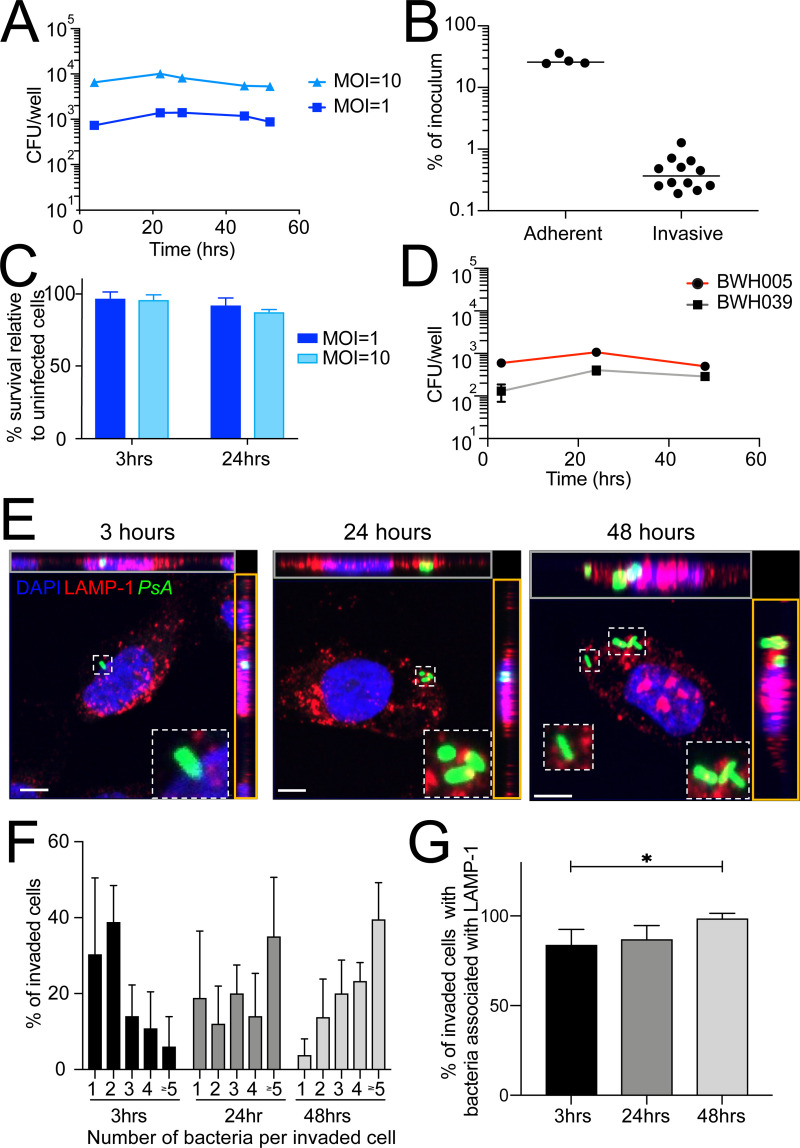
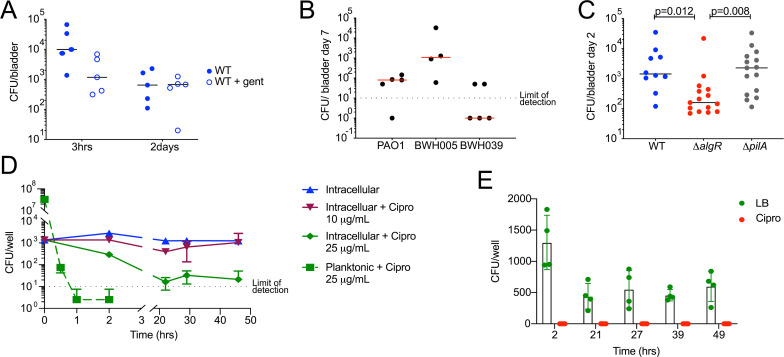
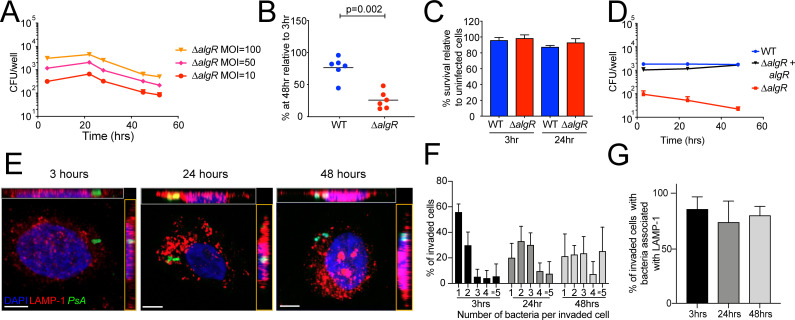
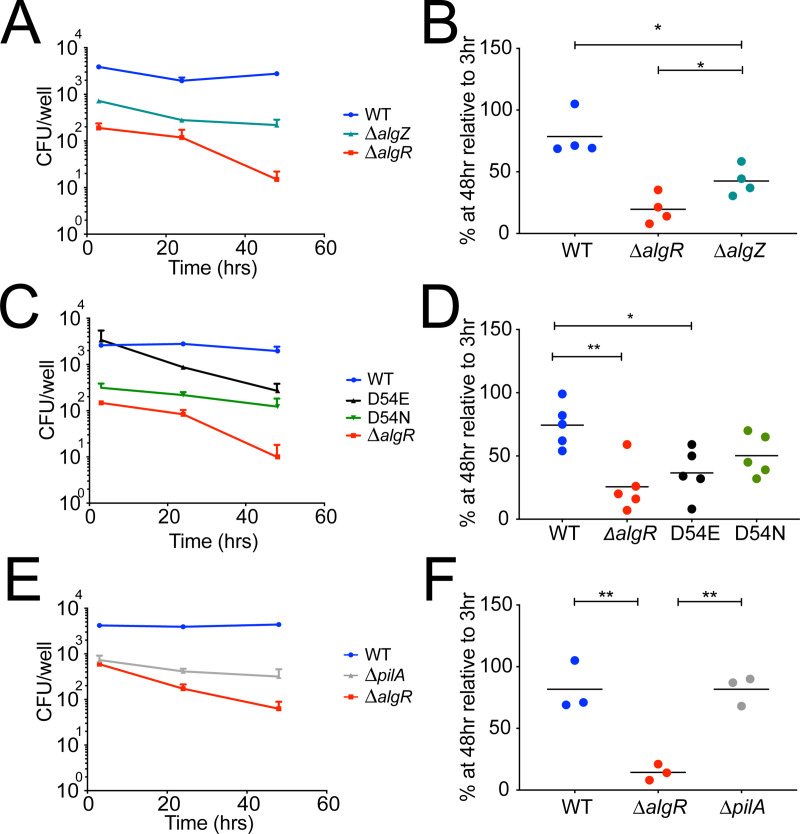
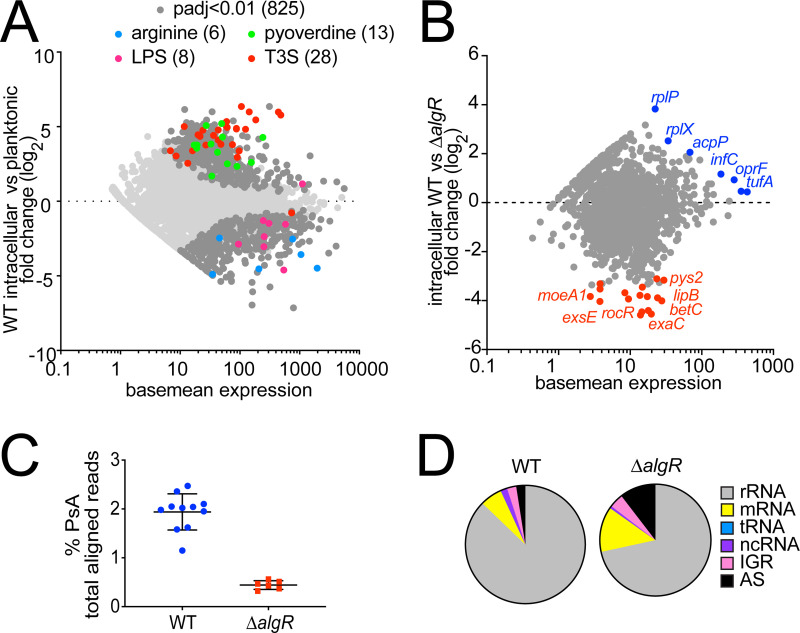
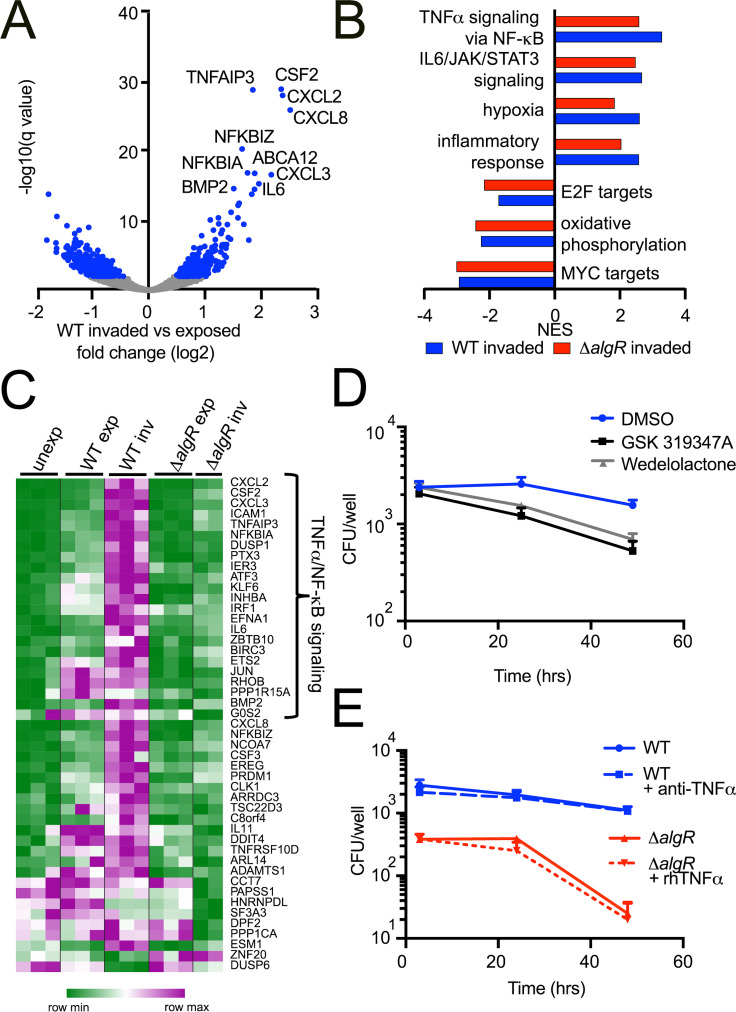
Long-term survival of bacterial pathogens during persistent bacterial infections can be associated with antibiotic treatment failure and poses a serious public health problem. Infections caused by the Gram-negative pathogen Pseudomonas aeruginosa, which can cause both acute and chronic infections, are particularly challenging due to its high intrinsic resistance to antibiotics. The ineffectiveness of antibiotics is exacerbated when bacteria reside intracellularly within host cells where they can adopt a drug tolerant state. While the early steps of adherence and entry of P. aeruginosa into mammalian cells have been described, the subsequent fate of internalized bacteria, as well as host and bacterial molecular pathways facilitating bacterial long-term survival, are not well defined. In particular, long-term survival within bladder epithelial cells has not been demonstrated and this may have important implications for the understanding and treatment of UTIs caused by P. aeruginosa. Here, we demonstrate and characterize the intracellular survival of wild type (WT) P. aeruginosa inside bladder epithelial cells and a mutant with a disruption in the bacterial two-component regulator AlgR that is unable to survive intracellularly. Using simultaneous dual RNA-seq transcriptional profiling, we define the transcriptional response of intracellular bacteria and their corresponding invaded host cells. The bacterial transcriptional response demonstrates that WT bacteria rapidly adapt to the stress encountered in the intracellular environment in contrast to ΔalgR bacteria. Analysis of the host transcriptional response to invasion suggests that the NF-κB signaling pathway, previously shown to be required for extracellular bacterial clearance, is paradoxically also required for intracellular bacterial survival. Lastly, we demonstrate that intracellular survival is important for pathogenesis of P. aeruginosa in vivo using a model of murine urinary tract infection. We propose that the unappreciated ability of P. aeruginosa to survive intracellularly may play an important role in contributing to the chronicity and recurrence of P. aeruginosa in urinary tract infections.
在持续性细菌感染期间,细菌病原体的长期存活可能与抗生素治疗失败相关,并构成严重的公共卫生问题。由革兰氏阴性病原体铜绿假单胞菌引起的感染,该菌可导致急性和慢性感染,因其对抗生素具有高度内在抗性而极具挑战性。当细菌在宿主细胞内处于细胞内状态并可进入药物耐受状态时,抗生素的无效性会加剧。虽然已经描述了铜绿假单胞菌粘附和进入哺乳动物细胞的早期步骤,但内化细菌的后续命运以及促进细菌长期存活的宿主和细菌分子途径尚不明确。特别是,尚未证明其在膀胱上皮细胞内的长期存活,这可能对理解和治疗由铜绿假单胞菌引起的尿路感染具有重要意义。在这里,我们展示并表征了野生型(WT)铜绿假单胞菌在膀胱上皮细胞内的细胞内存活情况,以及一种细菌双组分调节因子AlgR缺失且无法在细胞内存活的突变体。使用同步双RNA-seq转录谱分析,我们定义了细胞内细菌及其相应入侵宿主细胞的转录反应。细菌转录反应表明,与ΔalgR细菌相比,WT细菌能迅速适应细胞内环境中遇到的压力。对宿主对入侵的转录反应分析表明,先前显示对细胞外细菌清除必需的NF-κB信号通路,反常地对细胞内细菌存活也是必需的。最后,我们使用小鼠尿路感染模型证明细胞内存活对铜绿假单胞菌体内致病机制很重要。我们提出,铜绿假单胞菌未被重视的细胞内存活能力可能在导致尿路感染中铜绿假单胞菌的慢性化和复发方面发挥重要作用。