Department of Liver Surgery and Transplantation, Liver Cancer Institute and Zhongshan Hospital, Fudan University, No.180, Fenglin Road, Shanghai, 200032, China.
Department of Hepatobiliary Pancreatic Surgery, Fujian Medical University Cancer Hospital, Fuzhou, 350014, China.
J Exp Clin Cancer Res. 2022 Aug 19;41(1):253. doi: 10.1186/s13046-022-02458-3.
Tumor-associated macrophages (TAMs), which form a large part of the tumor microenvironment, are normally regulated by metabolic reprogramming. However, the potential mechanisms of the immune-metabolism interaction between hepatocellular carcinoma (HCC) cells and TAMs remain unclear.
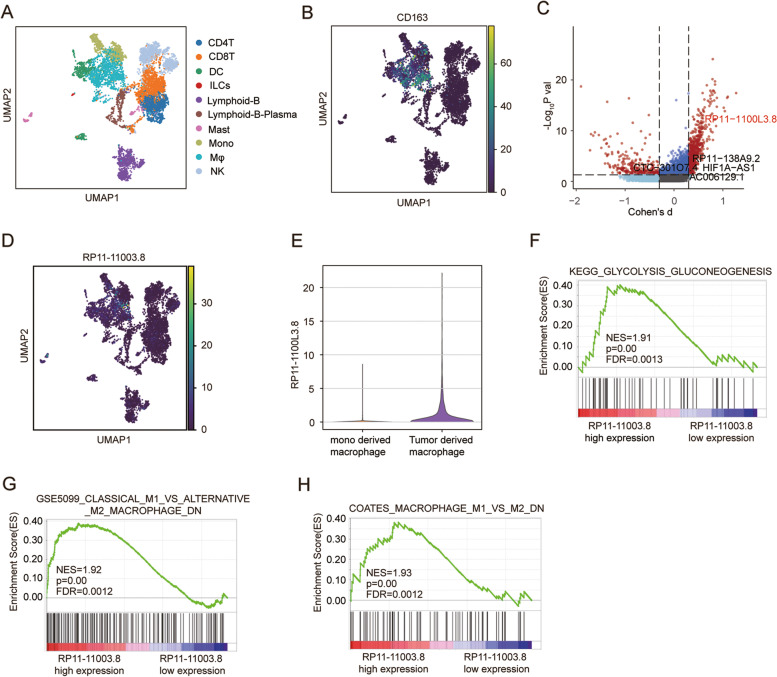
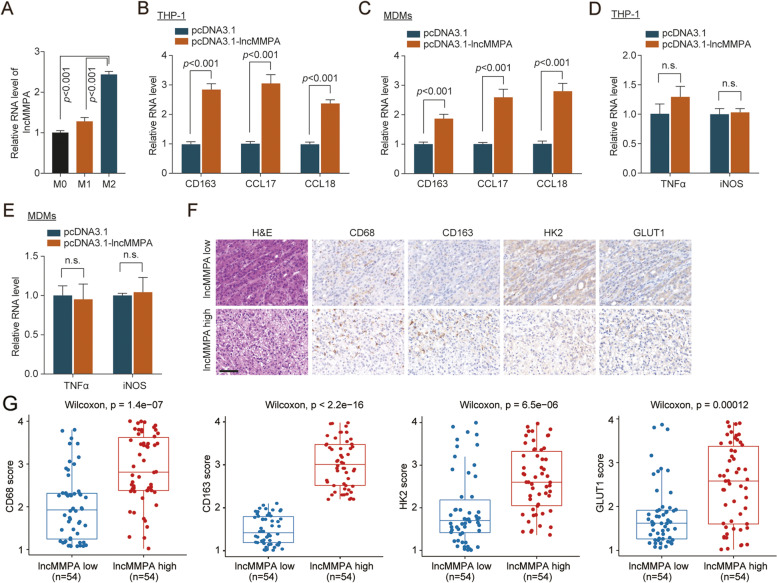
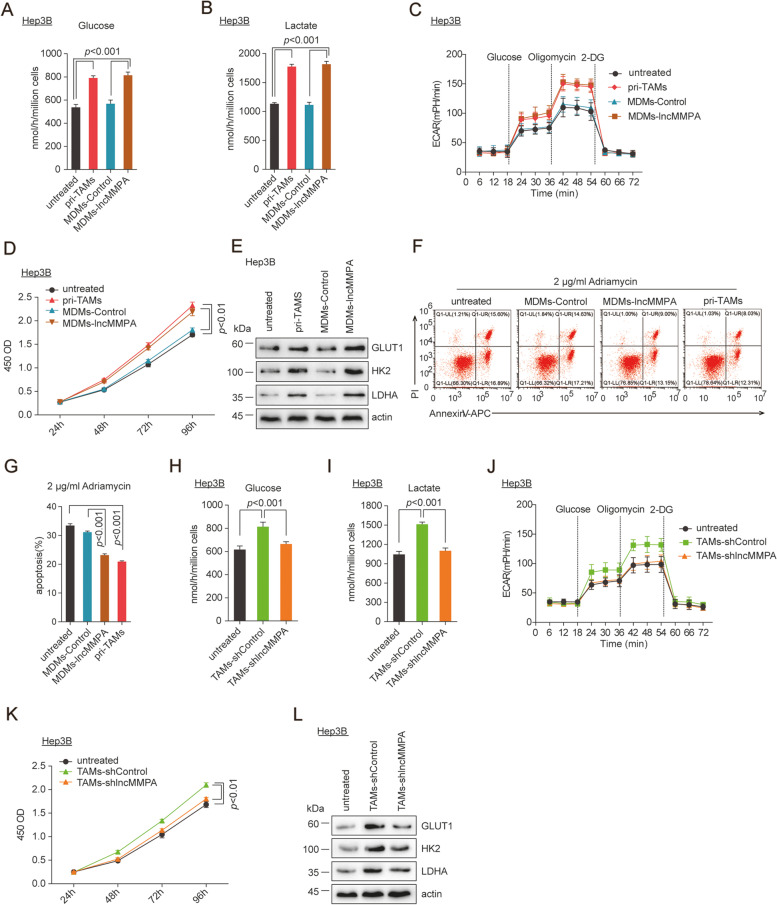
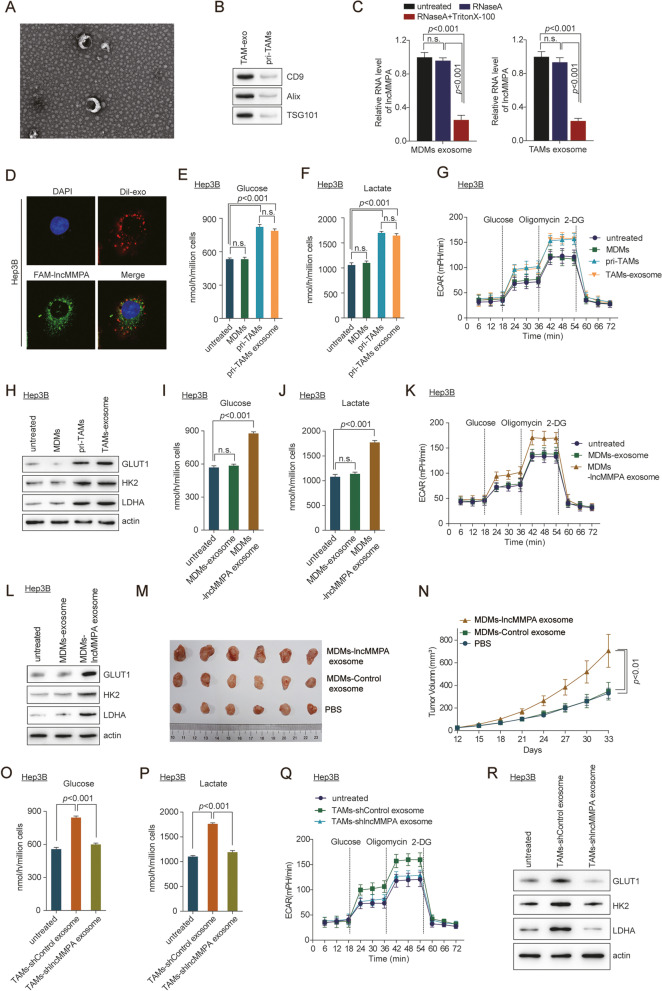
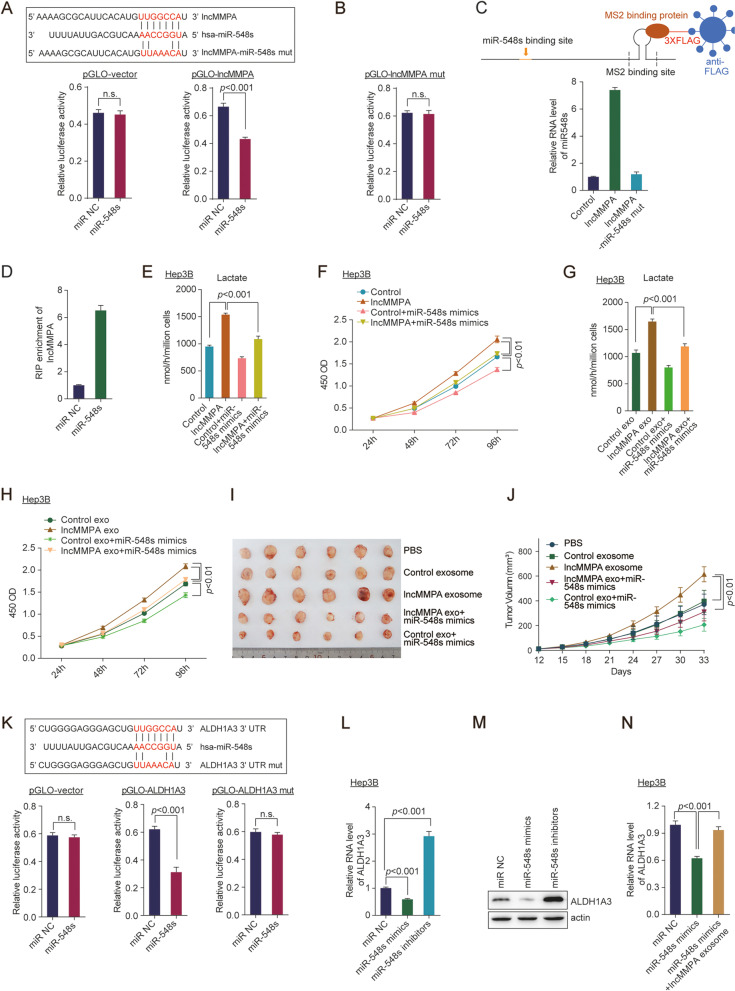
The candidate long non-coding RNAs (lncRNAs) were screened by Smart-seq based scRNA-seq method and then validated by qPCR. Immunostaining analysis was done to examine the levels of markers for TAMs and glycolysis. Exosomes from primary TAMs of human HCC tissues were isolated by centrifugation, and their internalization with lncRNAs was confirmed by immunofluorescence. The underlying mechanism of TAMs-derived exosomal lncRNA to HCC was confirmed by luciferase reporter assay and RNA immunoprecipitation. Metabolism regulation was evaluated through glucose consumption, lactate productions and extracellular acidification rates (ECARs). Mouse xenograft models were used to elucidate the in vivo effect of candidate lncRNAs on tumor growth.
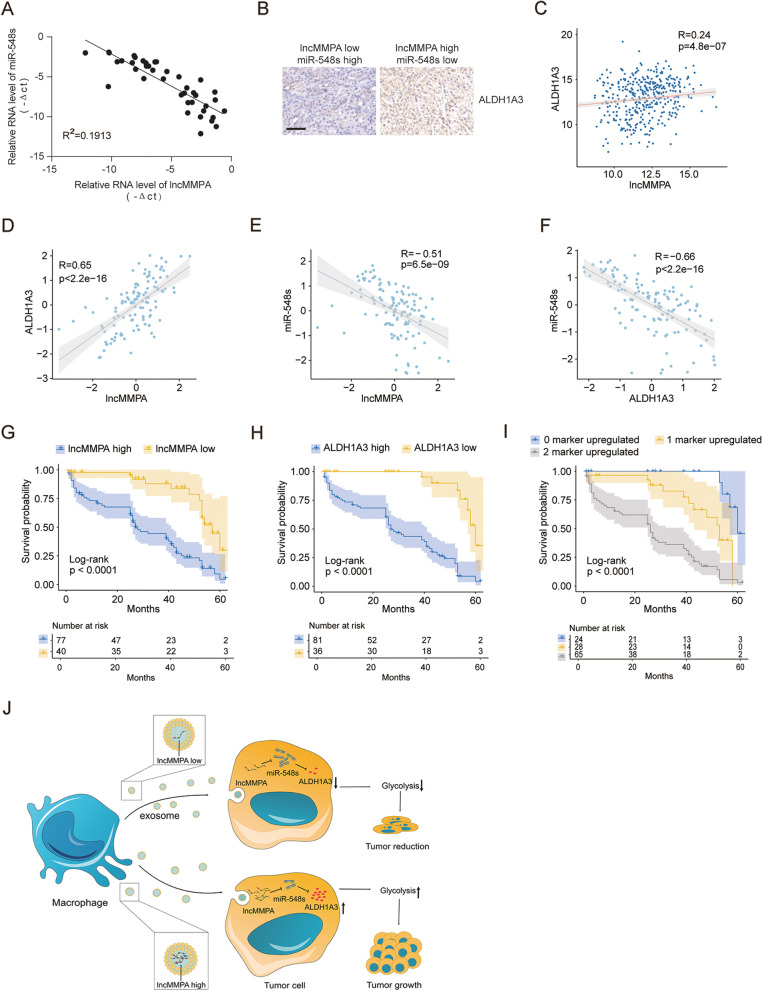
TAMs augment the aerobic glycolysis in HCC cells and their proliferation by the extracellular exosome transmission of a myeloid-derived lncRNA, M2 macrophage polarization associated lncRNA (lncMMPA). Mechanistically, lncMMPA not only could polarize M2 macrophage, but also could act as an microRNA sponge to interact with miR-548 s and increase the mRNA level of ALDH1A3, then further promote glucose metabolism and cell proliferation in HCC. Moreover, lncMMPA increased HCC cell multiplication through interacting with miR-548 s in vivo. Clinically, lncMMPA expression associates with glycolysis in TAMs and reduced survival of HCC patients.
LncMMPA plays an important role in regulating HCC malignancy and metabolic reprogramming of miR-548 s/ALDH1A3 pathway.
肿瘤相关巨噬细胞(TAMs)构成肿瘤微环境的很大一部分,通常受代谢重编程调节。然而,肝癌(HCC)细胞与 TAMs 之间免疫代谢相互作用的潜在机制尚不清楚。
使用 Smart-seq 基于 scRNA-seq 方法筛选候选长非编码 RNA(lncRNA),并通过 qPCR 进行验证。免疫染色分析用于检查 TAMs 和糖酵解标志物的水平。通过离心从人 HCC 组织的原代 TAMs 中分离外泌体,并通过免疫荧光确认其对 lncRNA 的内化。通过荧光素酶报告基因测定和 RNA 免疫沉淀证实 TAMs 衍生的外泌体 lncRNA 对 HCC 的潜在机制。通过葡萄糖消耗、乳酸产生和细胞外酸化率(ECAR)评估代谢调节。使用小鼠异种移植模型阐明候选 lncRNA 对肿瘤生长的体内影响。
TAMs 通过髓系来源的 lncRNA、M2 巨噬细胞极化相关 lncRNA(lncMMPA)的细胞外外泌体传递增强 HCC 细胞的有氧糖酵解和增殖。机制上,lncMMPA 不仅可以极化 M2 巨噬细胞,还可以作为 microRNA 海绵与 miR-548s 相互作用,增加 ALDH1A3 的 mRNA 水平,从而进一步促进 HCC 中的葡萄糖代谢和细胞增殖。此外,lncMMPA 在体内通过与 miR-548s 相互作用增加 HCC 细胞的增殖。临床上,lncMMPA 的表达与 TAMs 中的糖酵解和 HCC 患者生存时间缩短相关。
lncMMPA 在调节 HCC 恶性肿瘤和 miR-548s/ALDH1A3 通路的代谢重编程中发挥重要作用。