Ravaux Justine M, Di Mauro Michele, Vernooy Kevin, Van't Hof Arnoud W, Veenstra Leo, Kats Suzanne, Maessen Jos G, Lorusso Roberto
Department of Cardio-Thoracic Surgery, Heart and Vascular Centre, Maastricht University Medical Centre (MUMC+), Maastricht, The Netherlands.
Department of Cardiology, Maastricht University Medical Centre (MUMC+), Maastricht, The Netherlands.
JTCVS Open. 2021 Feb 12;6:41-55.e15. doi: 10.1016/j.xjon.2021.02.002. eCollection 2021 Jun.
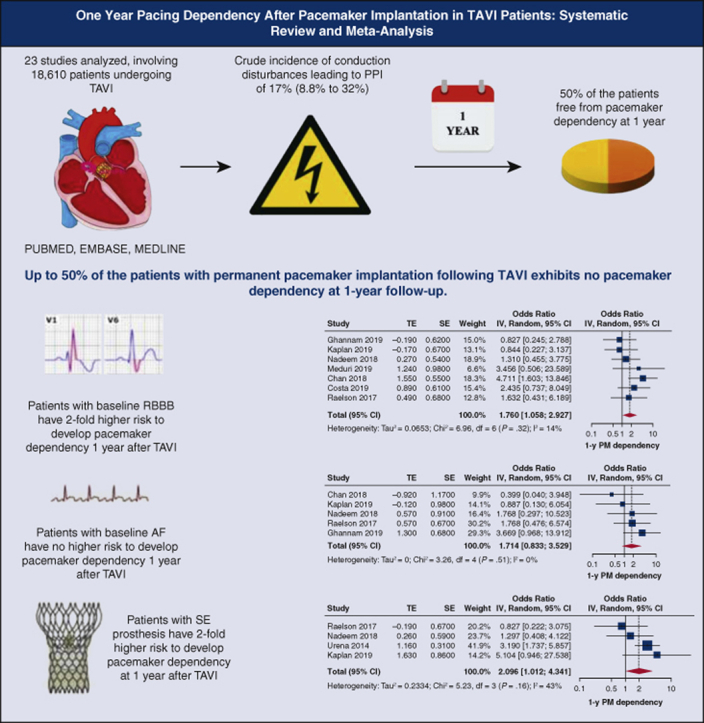
Atrioventricular conductions disturbances, requiring permanent pacemaker implantation (PPI), represent a potential complication after transcatheter aortic valve implantation (TAVI), However, little is known about the pacemaker dependency after PPI in this patient setting. This systematic review analyses the incidence of PPI, the short-term (1-year) pacing dependency, and predictors for such a state after TAVI.
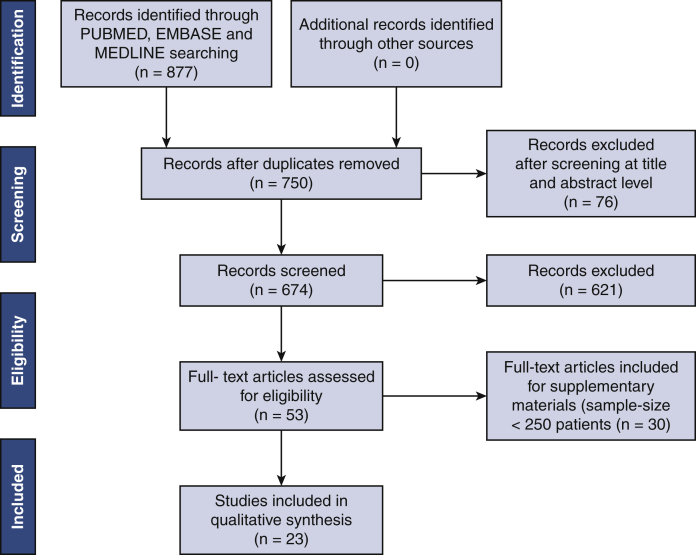
We performed a systematic search in PUBMED, EMBASE, and MEDLINE to identify potentially relevant literature investigating PPI requirement and dependency after TAVI. Study data, patients, and procedural characteristics were extracted. Odds ratio (OR) with 95% confidence intervals were extracted.
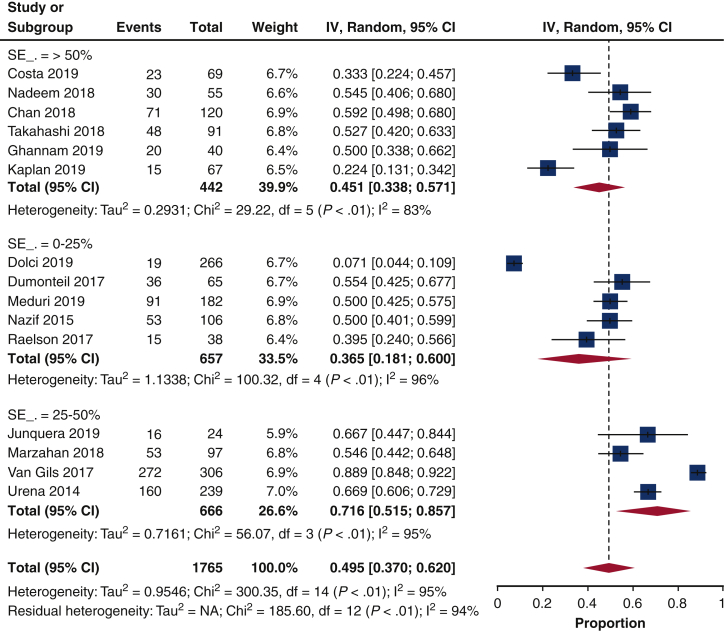
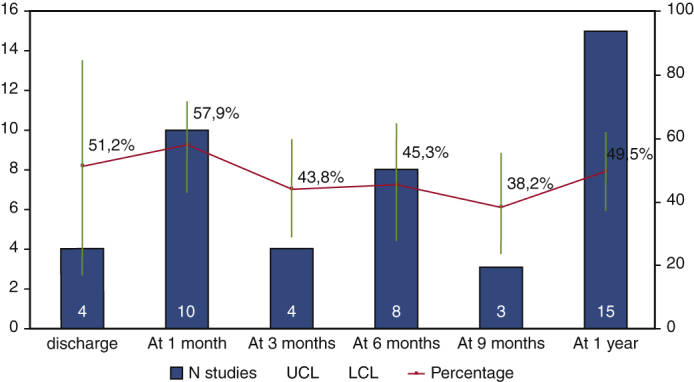
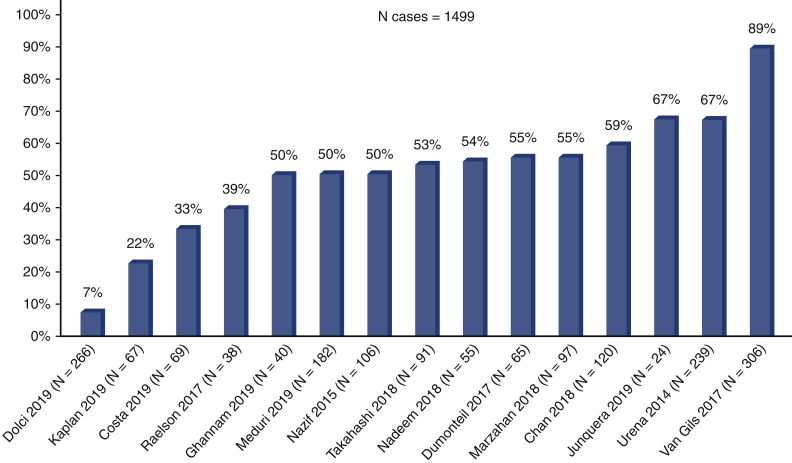
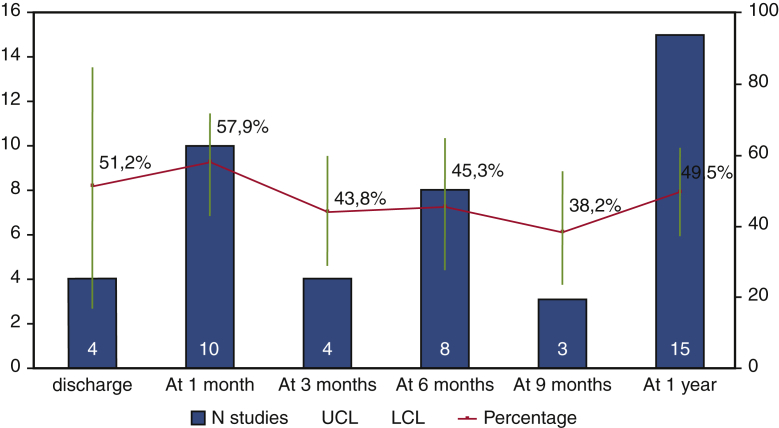
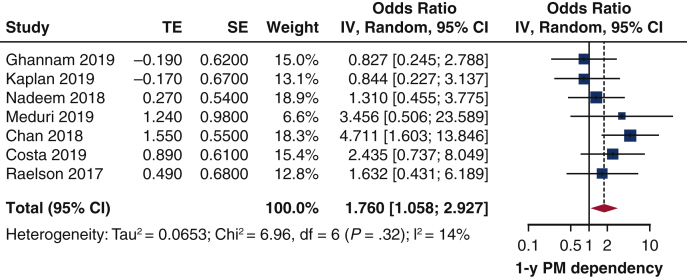
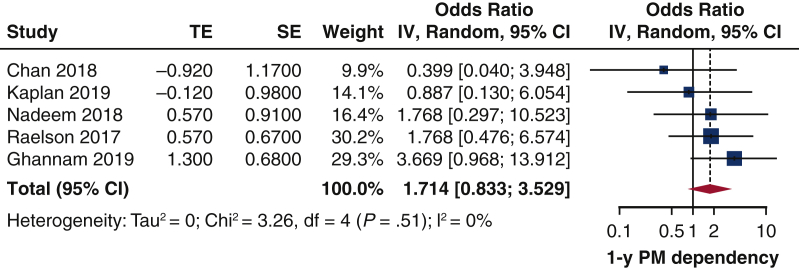
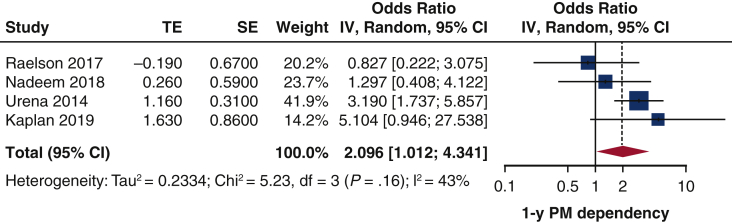
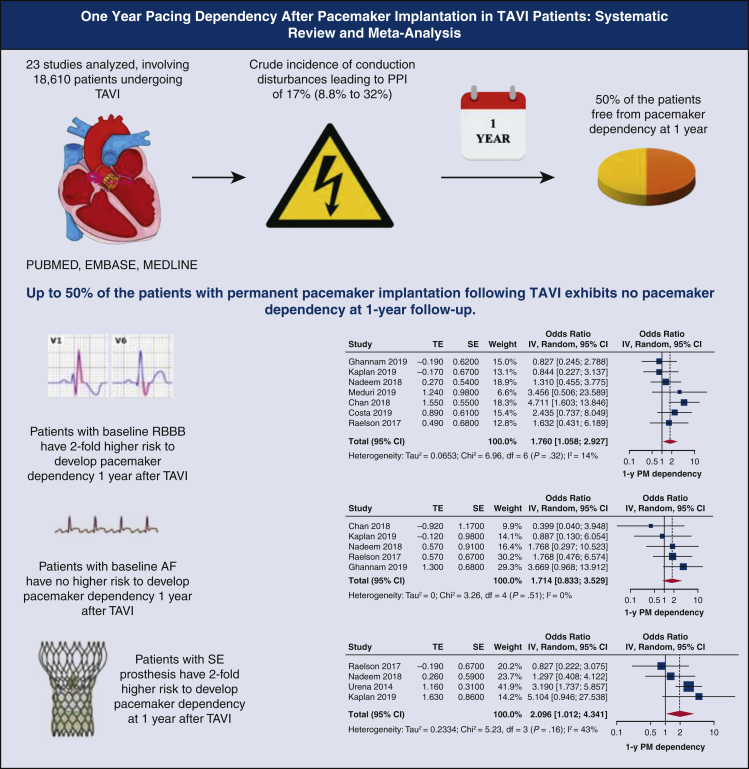
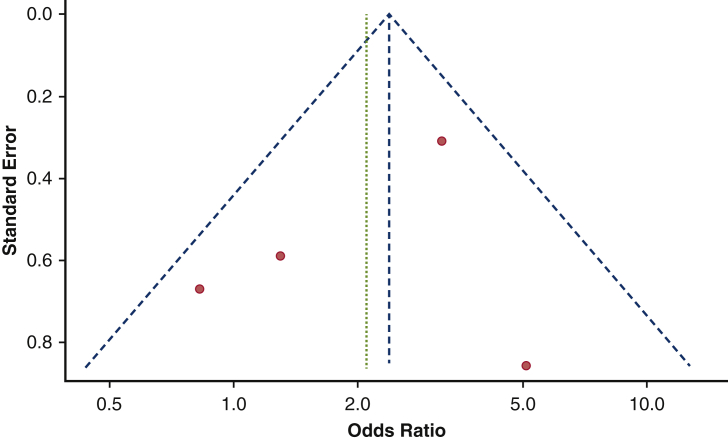
Data from 23 studies were obtained that included 18,610 patients. The crude incidence of PPI after TAVI was 17% (range, 8.8%-32%). PPI occurred at a median time of 3.2 days (range, 0-30 days). Pacing dependency at 1-year was 47.5% (range, 7%-89%). Self-expandable prosthesis (pooled OR was 2.14 [1.15-3.96]) and baseline right bundle branch block (pooled OR was 2.01 [1.06-3.83]) showed 2-fold greater risk to maintain PPI dependency at 1 year after TAVI.
Although PPI represents a rather frequent event after TAVI, conduction disorders have a temporary nature in almost 50% of the cases with recovery and stabilization after discharge. Preoperative conduction abnormality and type of TAVI are associated with higher PPI dependency at short term.
房室传导障碍需要植入永久性起搏器(PPI),这是经导管主动脉瓣植入术(TAVI)后的一种潜在并发症。然而,在这种患者情况下,PPI术后起搏器依赖情况鲜为人知。本系统评价分析了TAVI术后PPI的发生率、短期(1年)起搏依赖情况以及出现这种状态的预测因素。
我们在PubMed、EMBASE和MEDLINE中进行了系统检索,以确定研究TAVI术后PPI需求和依赖情况的潜在相关文献。提取了研究数据、患者和手术特征。提取了95%置信区间的比值比(OR)。
获得了23项研究的数据,包括18610例患者。TAVI术后PPI的粗发生率为17%(范围8.8%-32%)。PPI发生的中位时间为3.2天(范围0-30天)。1年时的起搏依赖率为47.5%(范围7%-89%)。自膨胀式假体(合并OR为2.14[1.15-3.96])和基线右束支传导阻滞(合并OR为2.01[1.06-3.83])显示,TAVI术后1年维持PPI依赖的风险高出2倍。
尽管PPI是TAVI术后相当常见的事件,但在几乎50%的病例中,传导障碍具有暂时性,出院后可恢复并稳定。术前传导异常和TAVI类型与短期较高的PPI依赖相关。