Optical Sciences Centre, Swinburne University of Technology, Hawthorn, VIC 3122, Australia.
Department of Mathematics, Swinburne University of Technology, Hawthorn, VIC 3122, Australia.
Biosensors (Basel). 2022 Aug 10;12(8):624. doi: 10.3390/bios12080624.
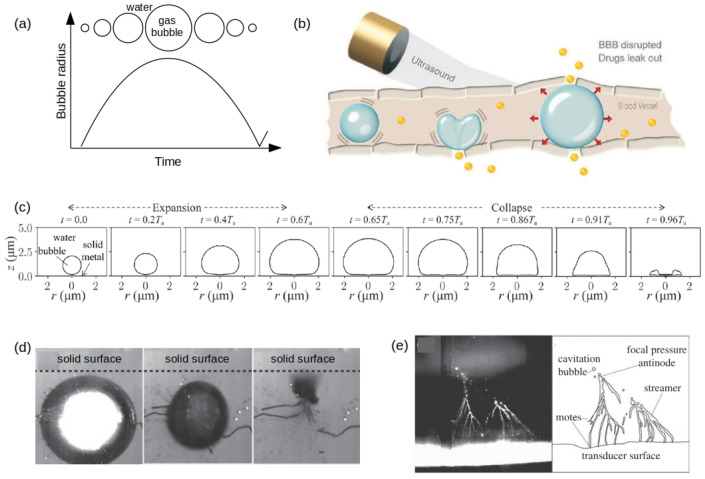
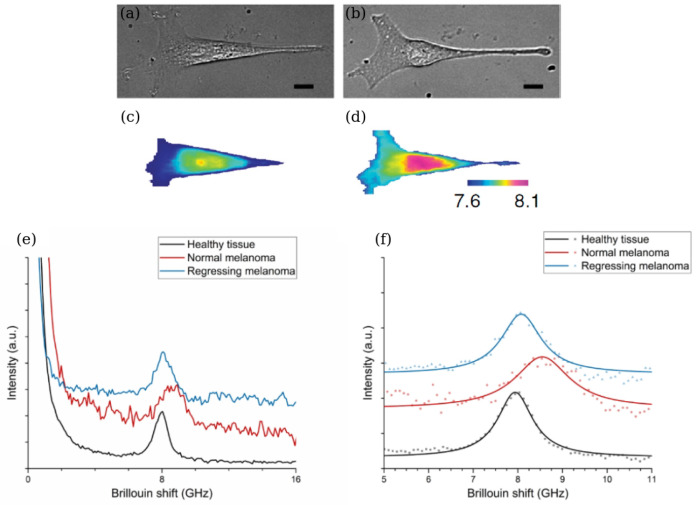
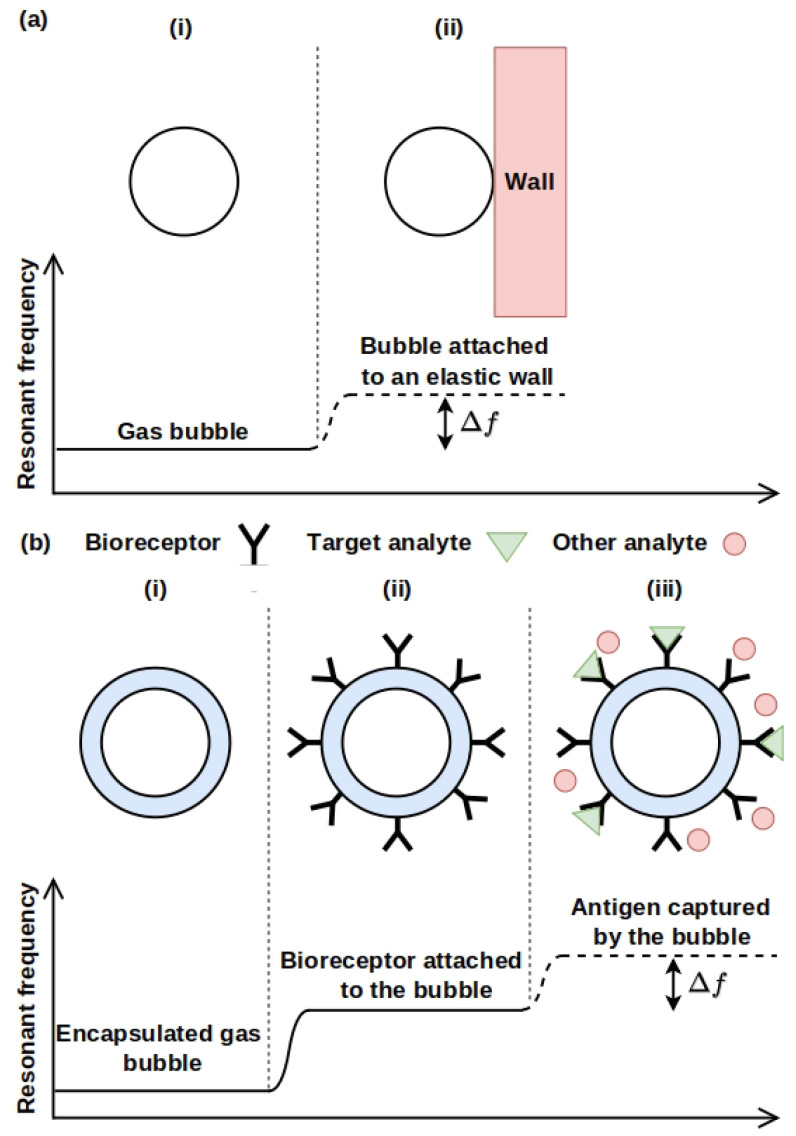
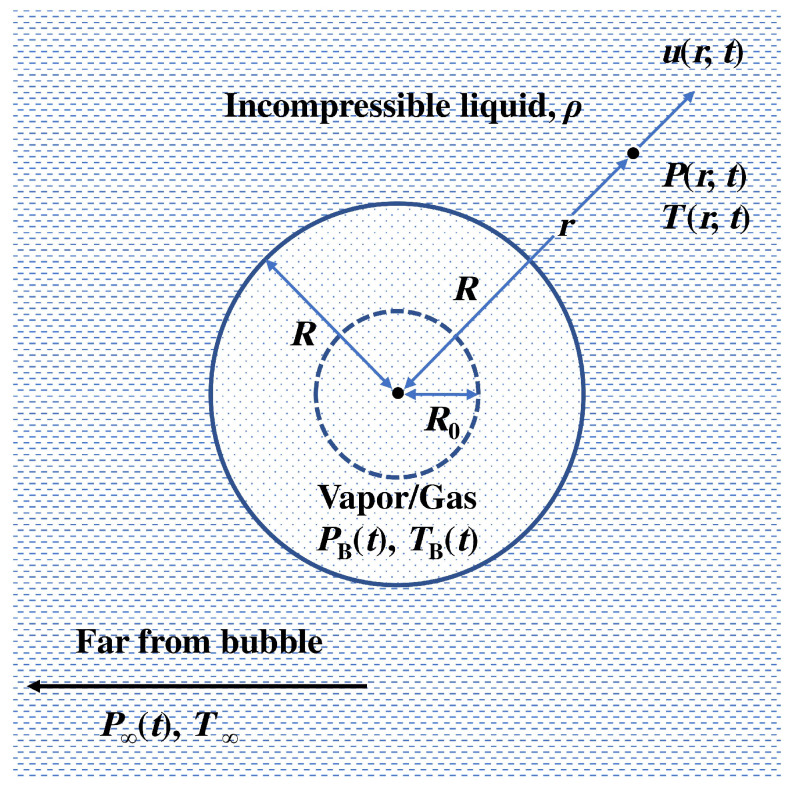
Gas bubbles present in liquids underpin many natural phenomena and human-developed technologies that improve the quality of life. Since all living organisms are predominantly made of water, they may also contain bubbles-introduced both naturally and artificially-that can serve as biomechanical sensors operating in hard-to-reach places inside a living body and emitting signals that can be detected by common equipment used in ultrasound and photoacoustic imaging procedures. This kind of biosensor is the focus of the present article, where we critically review the emergent sensing technologies based on acoustically driven oscillations of bubbles in liquids and bodily fluids. This review is intended for a broad biosensing community and transdisciplinary researchers translating novel ideas from theory to experiment and then to practice. To this end, all discussions in this review are written in a language that is accessible to non-experts in specific fields of acoustics, fluid dynamics and acousto-optics.
气体气泡存在于液体中,为许多自然现象和人类开发的技术提供了基础,这些技术提高了生活质量。由于所有的生物组织主要由水组成,因此它们也可能包含气泡——无论是自然产生的还是人为引入的——这些气泡可以作为生物力学传感器,在生物体内部难以到达的地方工作,并发出可以被超声和光声成像程序中常用设备检测到的信号。这种生物传感器是本文的重点,我们批判性地回顾了基于液体和体液中气泡声驱动振动的新兴传感技术。这篇综述面向广泛的生物传感社区和跨学科研究人员,旨在将理论到实验再到实践的新思想进行转化。为此,本文综述中的所有讨论都用一种非特定领域的声学、流体动力学和声光专家易于理解的语言来书写。