School of Community Medicine, The University of Oklahoma, Tulsa, OK, USA.
Oklahoma City Indian Clinic, 5208 W Reno Ave, Oklahoma City, OK, USA.
Psychiatr Q. 2022 Sep;93(3):915-933. doi: 10.1007/s11126-022-10001-y. Epub 2022 Aug 25.
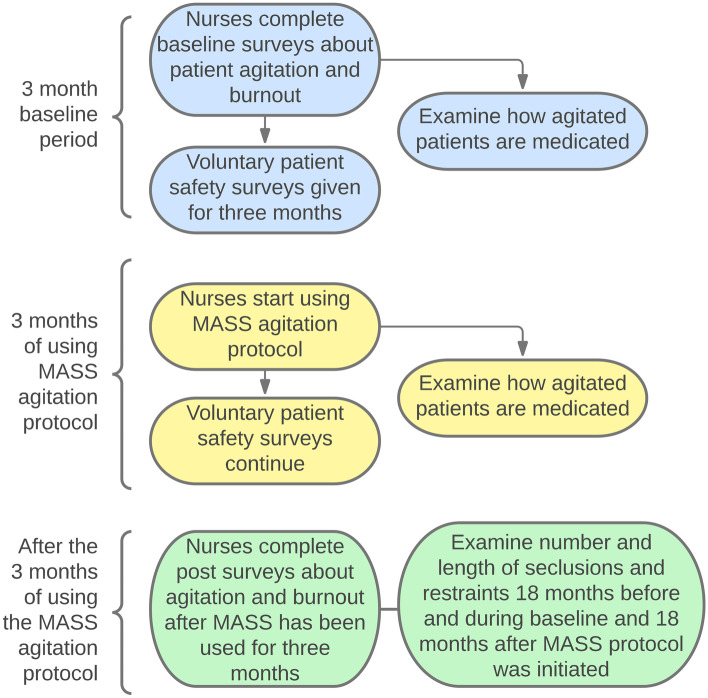
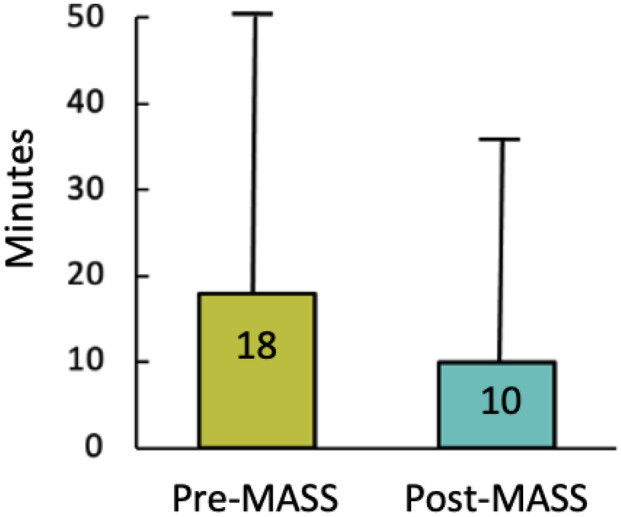
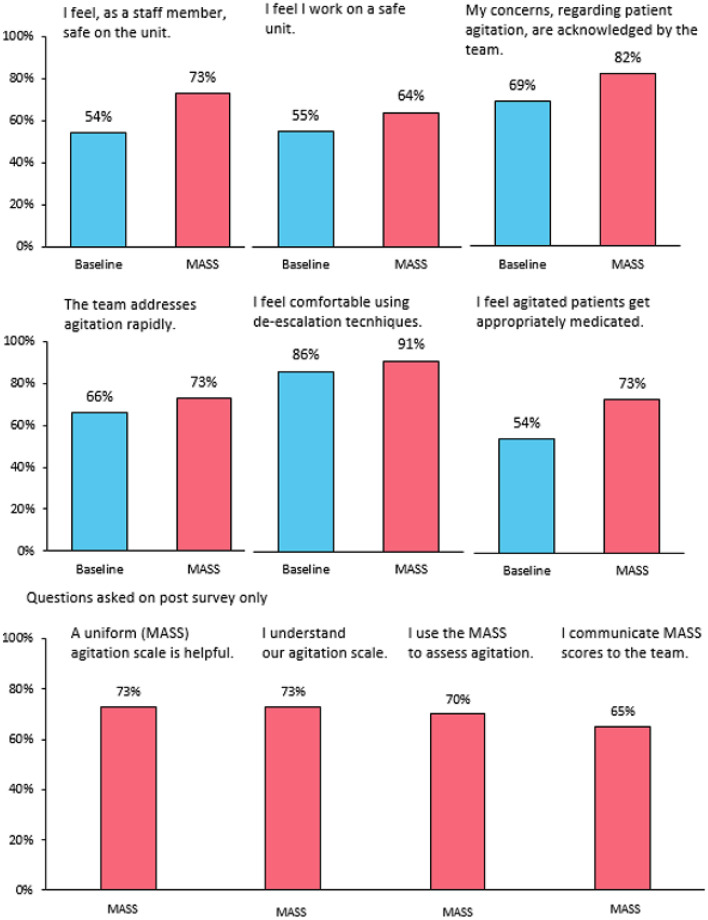
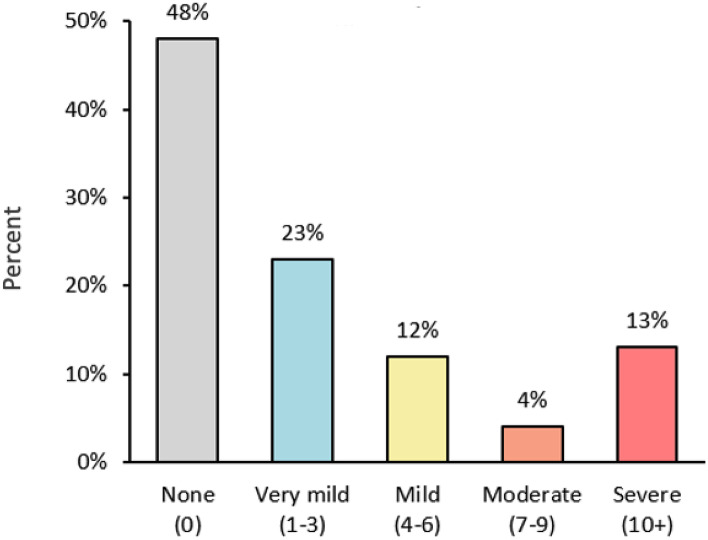
Agitation is a common and potentially dangerous condition requiring rapid recognition and treatment in acute psychiatric units. Prompt intervention can prevent a patient with agitation from harming themselves, harming others, or needing restraints or seclusion. After the review of numerous guidelines, the Modified Agitation Severity Scale (MASS) agitation treatment protocol was developed to identify and manage agitation in an inpatient adult psychiatric setting. This protocol involved modifying an existing agitation scale and pairing scores with a treatment algorithm to indicate which behavioral and medication interventions would be most appropriate. All scoring and interventions were recorded in the electronic medical record (EMR). Three months of data were collected before and after the protocol was implemented. The new, modified scale had high reliability and correlated well with another validated agitation scale. Perceived patient safety was high during both study phases. Nurses' perceptions of safety trended upward after the protocol was implemented, though these differences were not significant, likely due to insufficient power. Although there was no decrease in seclusion events after implementation of the treatment protocol, there was a 44% decrease in restraint events and average restraint minutes per incident. Despite a potential increase in workload for nursing staff, implementation of the protocol did not increase burnout scores. Physicians continued to order the protocol for 55% of patients after the study period ended. These findings suggest that including a rapid agitation assessment and protocol within the EMR potentially improves nurses' perceptions of unit safety, helps assess treatment response, reduces time patients spend restrained, and supports decision making for nurses.
在急性精神科病房中,激越状态是一种常见且潜在危险的病症,需要快速识别和治疗。及时干预可以防止激越患者伤害自己、伤害他人,或需要约束或隔离。在审查了大量指南后,制定了改良激越严重程度量表(MASS)激越治疗方案,以识别和管理住院成年精神科患者的激越状态。该方案涉及修改现有的激越量表,并将评分与治疗算法配对,以指示哪种行为和药物干预最适合。所有评分和干预措施都记录在电子病历(EMR)中。在实施该方案之前和之后收集了三个月的数据。新的改良量表具有较高的可靠性,并与另一种经过验证的激越量表相关性良好。在研究的两个阶段,患者的安全性都得到了高度认可。在实施方案后,护士对安全性的看法呈上升趋势,但这些差异并不显著,可能是由于缺乏足够的权力。尽管实施治疗方案后约束事件没有减少,但约束事件减少了 44%,平均每起事件的约束时间减少了。尽管护理人员的工作量可能增加,但实施该方案并未增加倦怠评分。在研究结束后,医生仍继续为 55%的患者开该方案。这些发现表明,在 EMR 中包含快速激越评估和方案可以提高护士对病房安全性的看法,有助于评估治疗反应,减少患者被约束的时间,并为护士提供决策支持。