Department of Nuclear Medicine, Shiraz Kowsar Hospital, Tehran University of Medical Sciences.
Department of Radiology, Keck School of Medicine, University of Southern California (USC), Los Angeles, CA, United States of America.
Clin Imaging. 2022 Oct;90:97-109. doi: 10.1016/j.clinimag.2022.07.005. Epub 2022 Jul 23.
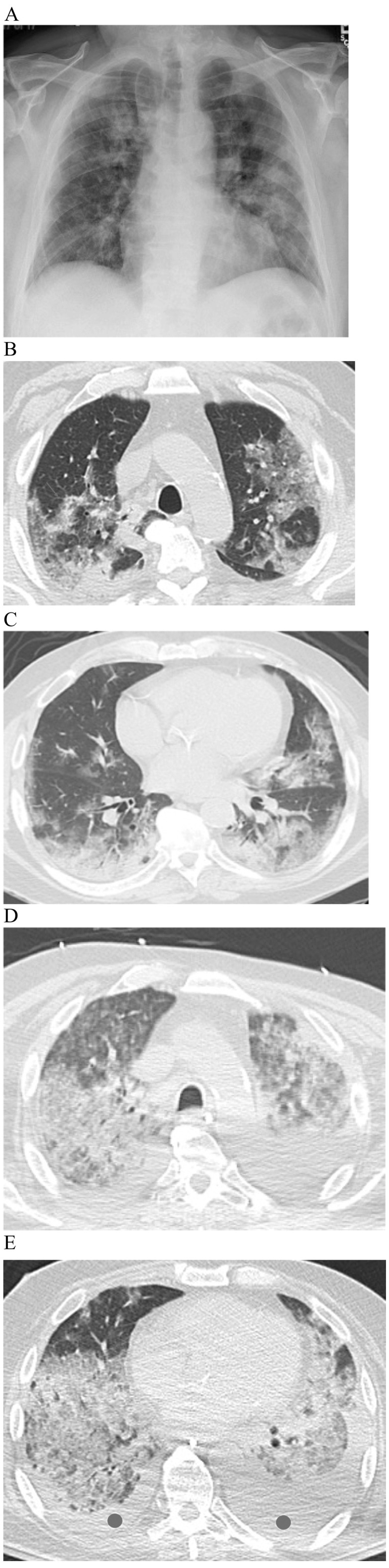
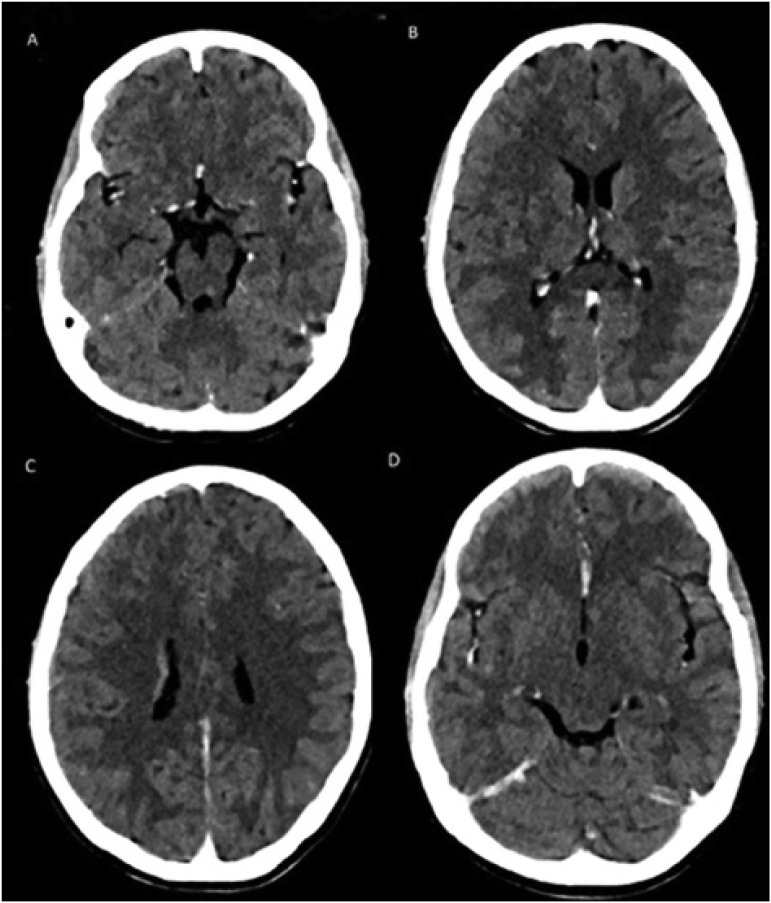
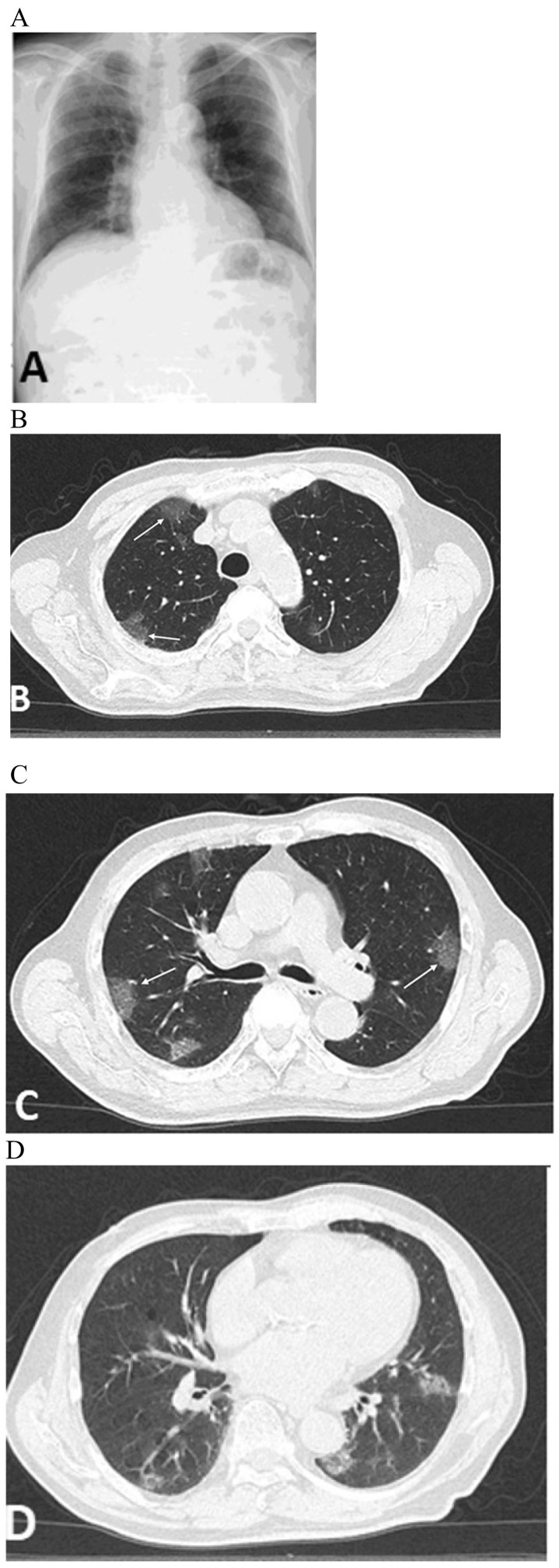
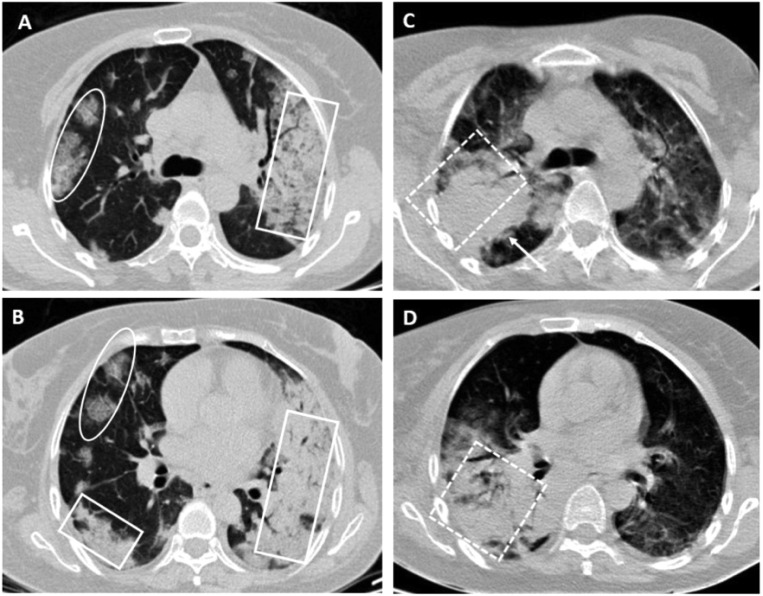
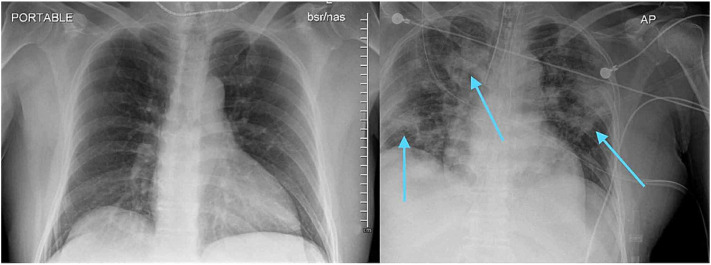
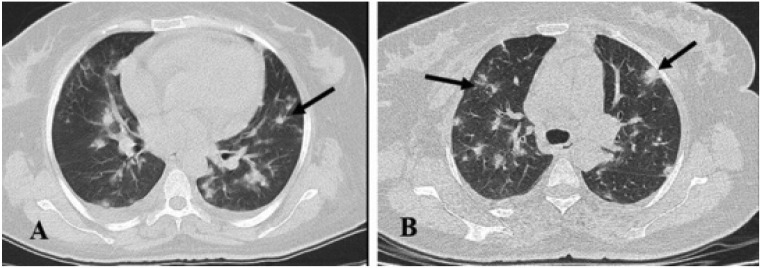
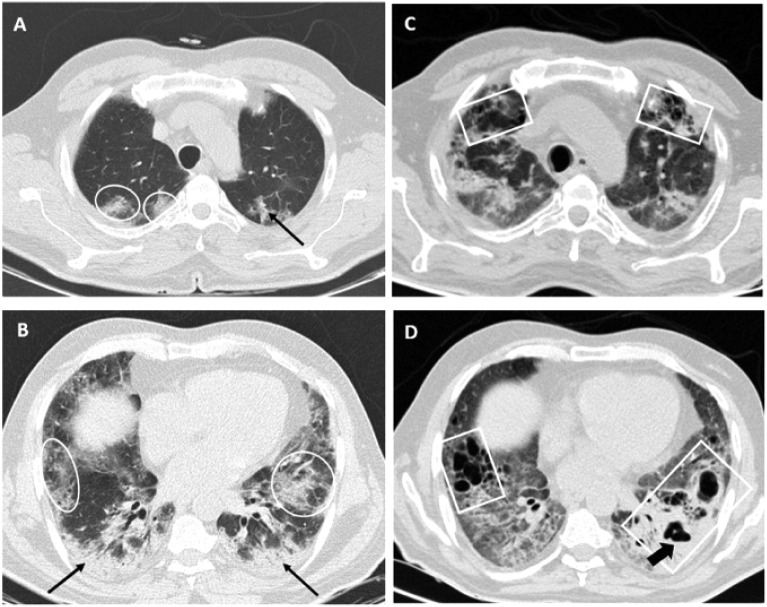
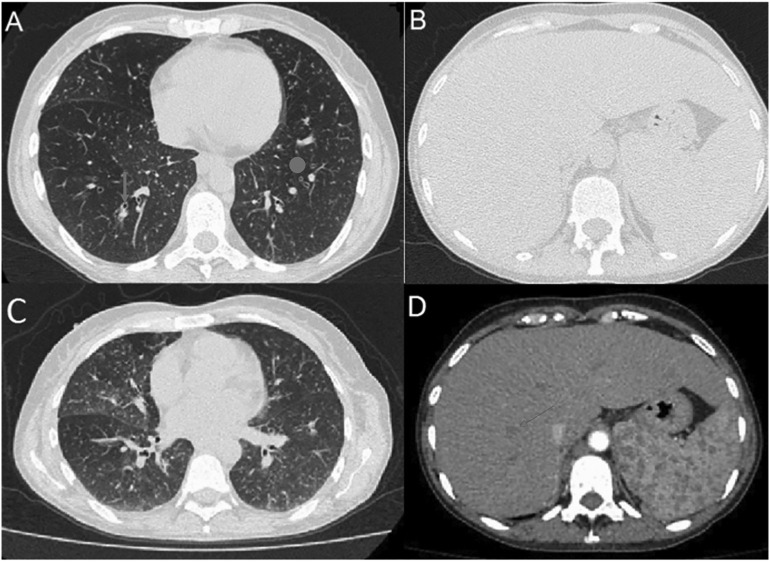
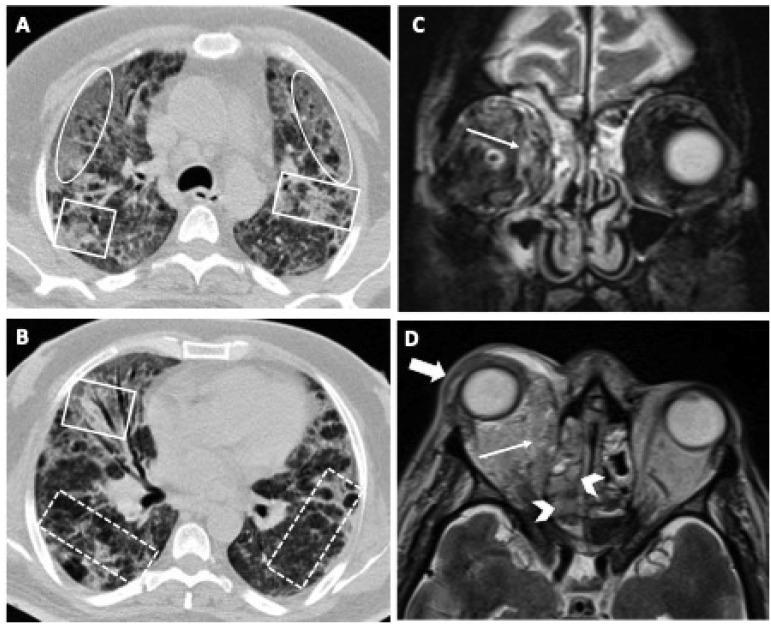
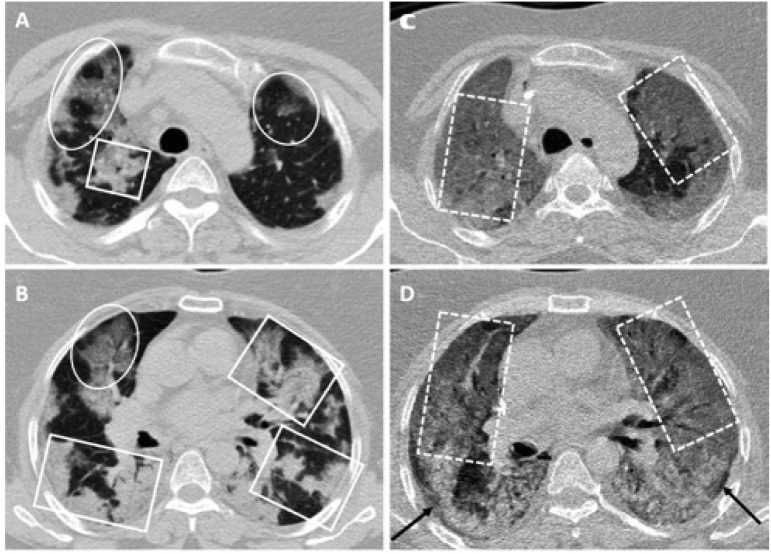
Globally, many hospitalized COVID-19 patients can experience an unexpected acute change in status, prompting rapid and expert clinical assessment. Superimposed infections can be a significant cause of clinical and radiologic deviations in this patient population, further worsening clinical outcome and muddling the differential diagnosis. As thrombotic, inflammatory, and medication-induced complications can also trigger an acute change in COVID-19 patient status, imaging early and often plays a vital role in distinguishing the cause of patient decline and monitoring patient outcome. While the common radiologic findings of COVID-19 infection are now widely reported, little is known about the clinical manifestations and imaging findings of superimposed infection. By discussing case studies of patients who developed bacterial, fungal, parasitic, and viral co-infections and identifying the most frequently reported imaging findings of superimposed infections, physicians will be more familiar with common infectious presentations and initiate a directed workup sooner. Ultimately, any abrupt changes in the expected COVID-19 imaging presentation, such as the presence of new consolidations or cavitation, should prompt further workup to exclude superimposed opportunistic infection.
在全球范围内,许多住院的 COVID-19 患者可能会经历病情的意外急性变化,需要迅速进行专业的临床评估。在这一患者群体中,继发感染可能是导致临床和影像学偏差的重要原因,进一步恶化临床结局并使鉴别诊断变得复杂。由于血栓形成、炎症和药物诱导的并发症也可能引发 COVID-19 患者病情的急性变化,因此早期且频繁的影像学检查对于区分患者病情恶化的原因和监测患者结局至关重要。虽然 COVID-19 感染的常见影像学表现已广泛报道,但继发感染的临床表现和影像学表现知之甚少。通过讨论发生细菌、真菌、寄生虫和病毒合并感染的患者的病例研究,并确定继发感染最常报告的影像学表现,医生将更熟悉常见的感染表现,并更及时地进行有针对性的检查。最终,如果 COVID-19 影像学表现出现任何突然变化,如出现新的实变或空洞,应进一步检查以排除继发机会性感染。