Department of Cardiology, Oslo University Hospital Ullevål, Nydalen, Postboks 4956, 0424, Oslo, Norway.
University of Oslo, Oslo, Norway.
BMC Prim Care. 2022 Aug 25;23(1):214. doi: 10.1186/s12875-022-01824-6.
To assess baseline characteristics, drug utilisation and healthcare use for oral anticoagulants (OACs) following the introduction of non-vitamin K antagonist oral anticoagulants among patients with atrial fibrillation in primary care in Norway.
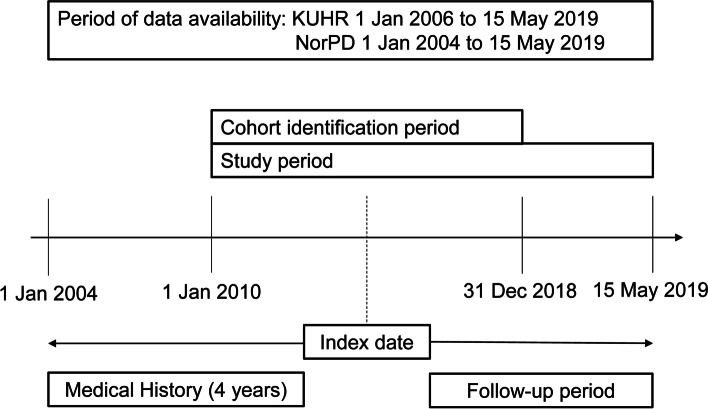
In this retrospective longitudinal cohort study, 92,936 patients with atrial fibrillation were identified from the Norwegian Primary Care Registry between 2010 and 2018. Linking to the Norwegian Prescription Database, we identified 64,112 patients (69.0%) treated with OACs and 28,824 (31%) who were untreated. Participants were followed until 15 May 2019, death, or loss to follow-up, whichever came first. For each OAC, predictors of initiation were assessed by modelling the probability of initiating the OAC using logistic regression, and predictors of the first switch after index date were assessed using multivariable Cox proportional hazards models. The numbers of primary care visits per quarter by index OAC were plotted and analysed with negative binomial regression analyses offset for the log of days at risk.
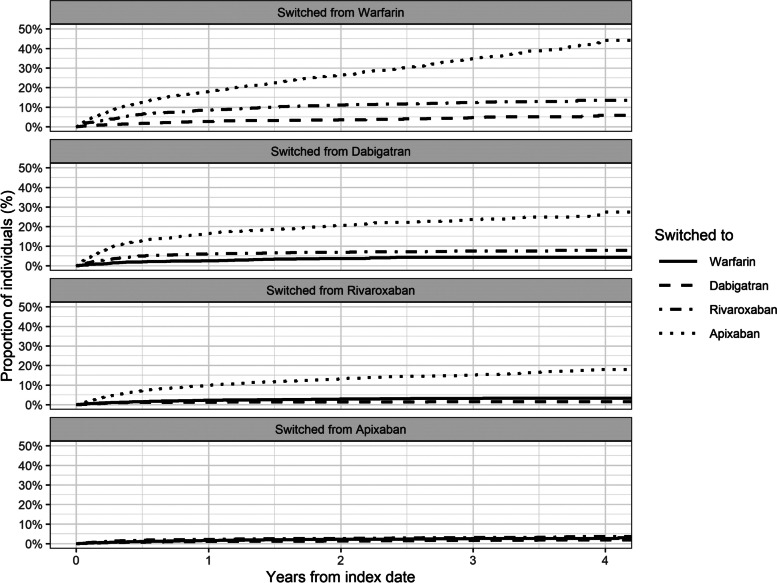
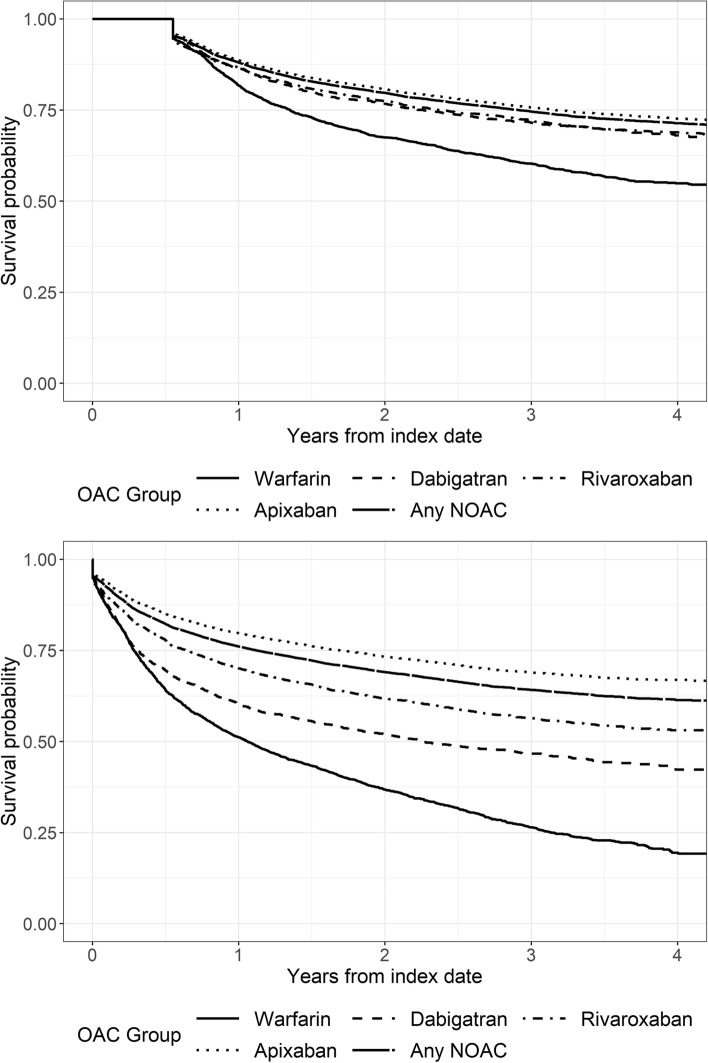
Patients treated with OACs were older, had more comorbidities, and higher CHADS-VASc scores than untreated patients. However, the mean CHADS-VASc in the non-OAC group was 1.58 for men and 3.13 for women, suggesting an indication for OAC therapy. The percentage of patients with atrial fibrillation initiating OACs increased from 59% in 2010 to 79% in 2018. Non-vitamin K antagonist oral anticoagulant use increased throughout the study period to 95% of new OAC-treated patients in 2018, and switches from warfarin to non-vitamin K antagonist oral anticoagulants were common. The persistence of OAC treatment was > 60% after four years, with greatest persistence for apixaban. Patients treated with non-vitamin K antagonist oral anticoagulants had fewer primary care visits compared with those treated with warfarin (incidence rate ratio: 0.73, 95% confidence interval 0.71 to 0.75).
In this Norwegian primary care study, we found that the shift from warfarin to non-vitamin K antagonist oral anticoagulants was successful with 95% use in patients initiating OACs in 2018, and associated with fewer general practitioner visits. Persistence with OACs was high, particularly for apixaban. However, many patients eligible for treatment with OACs remained untreated.
在挪威初级保健中,评估非维生素 K 拮抗剂口服抗凝剂(NOACs)引入后,房颤患者的口服抗凝剂(OAC)的基线特征、药物使用情况和医疗保健使用情况。
在这项回顾性纵向队列研究中,我们从 2010 年至 2018 年的挪威初级保健登记处中确定了 92936 例房颤患者。通过与挪威处方数据库链接,我们确定了 64112 例(69.0%)接受 OAC 治疗和 28824 例(31%)未接受治疗的患者。参与者随访至 2019 年 5 月 15 日,随访截止日期为死亡或失访,以先发生者为准。使用逻辑回归模型评估每种 OAC 的起始预测因子,并使用多变量 Cox 比例风险模型评估索引日期后首次转换的预测因子。使用负二项回归分析绘制并分析每个季度的初级保健就诊次数,并对风险日志进行偏移。
与未接受治疗的患者相比,接受 OAC 治疗的患者年龄更大,合并症更多,CHADS-VASc 评分更高。然而,非 OAC 组中男性的平均 CHADS-VASc 为 1.58,女性为 3.13,表明需要 OAC 治疗。2010 年开始使用 OAC 的房颤患者比例为 59%,2018 年增至 79%。整个研究期间,新型口服抗凝剂的使用率不断增加,到 2018 年,新接受 OAC 治疗的患者中有 95%使用了非维生素 K 拮抗剂口服抗凝剂,且华法林转为非维生素 K 拮抗剂口服抗凝剂的情况很常见。OAC 治疗的持续时间超过四年,其比例大于 60%,阿哌沙班的持续时间最长。与接受华法林治疗的患者相比,接受非维生素 K 拮抗剂口服抗凝剂治疗的患者就诊次数更少(发病率比:0.73,95%置信区间 0.71 至 0.75)。
在这项挪威初级保健研究中,我们发现,从华法林转为非维生素 K 拮抗剂口服抗凝剂的转变取得了成功,2018 年新开始使用 OAC 的患者中有 95%使用了非维生素 K 拮抗剂口服抗凝剂,并且与较少的全科医生就诊有关。OAC 的持续使用率很高,尤其是阿哌沙班。然而,许多符合 OAC 治疗条件的患者仍未接受治疗。