Walsh Brenna J C, Costa Sofia Soares, Edmonds Katherine A, Trinidad Jonathan C, Issoglio Federico M, Brito José A, Giedroc David P
Department of Chemistry, Indiana University, Bloomington, IN 47405-7102, USA.
Instituto de Tecnologia Química e Biológica António Xavier, Universidade Nova de Lisboa, 2780-157 Oeiras, Portugal.
Antioxidants (Basel). 2022 Aug 19;11(8):1607. doi: 10.3390/antiox11081607.
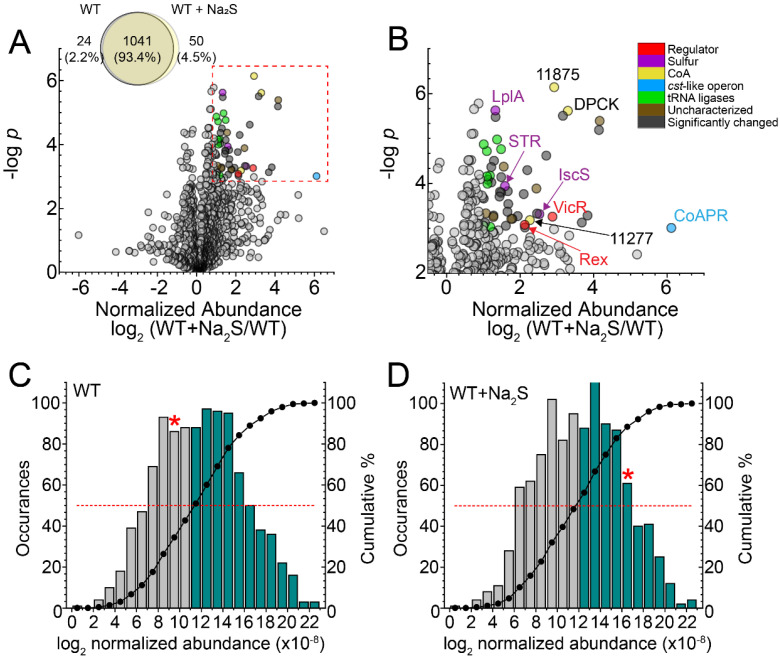
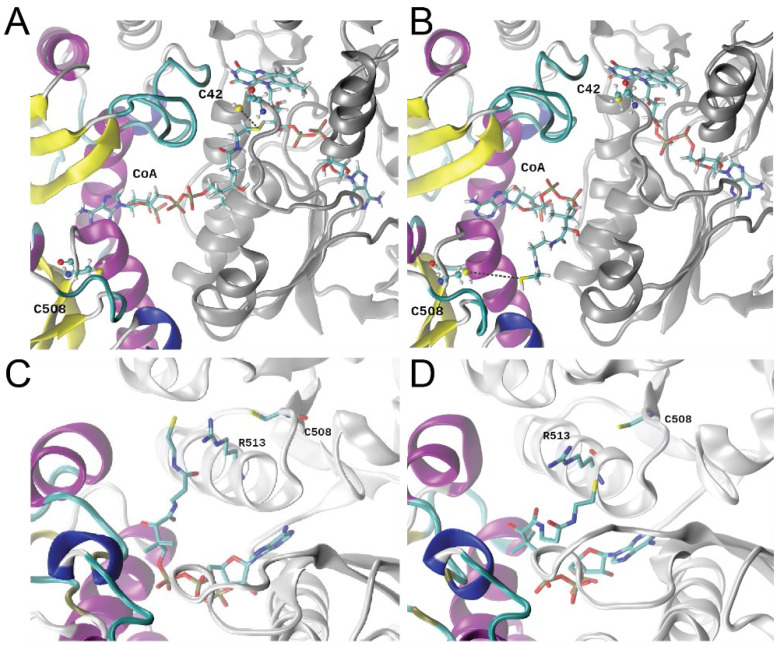
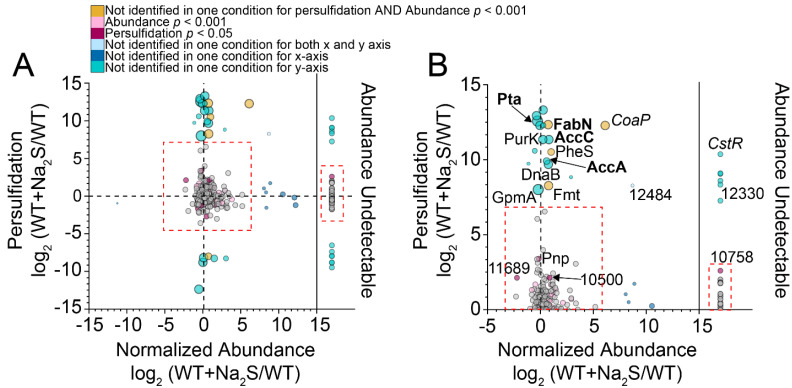
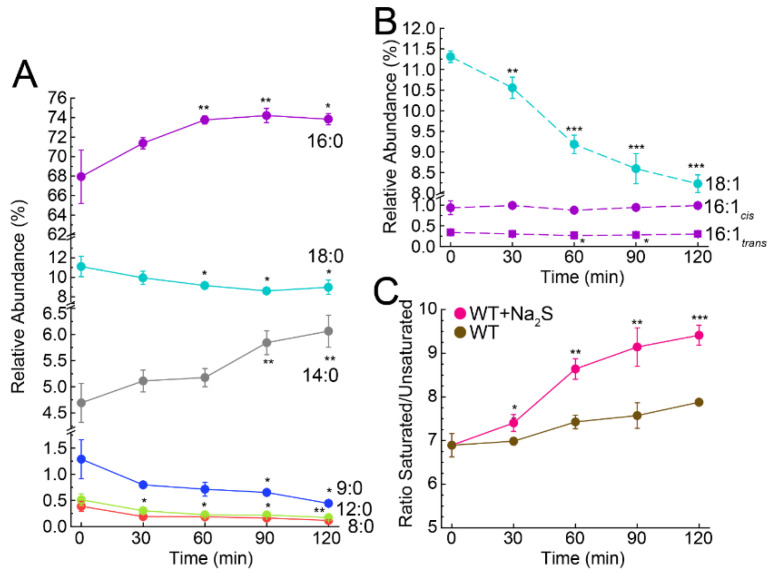
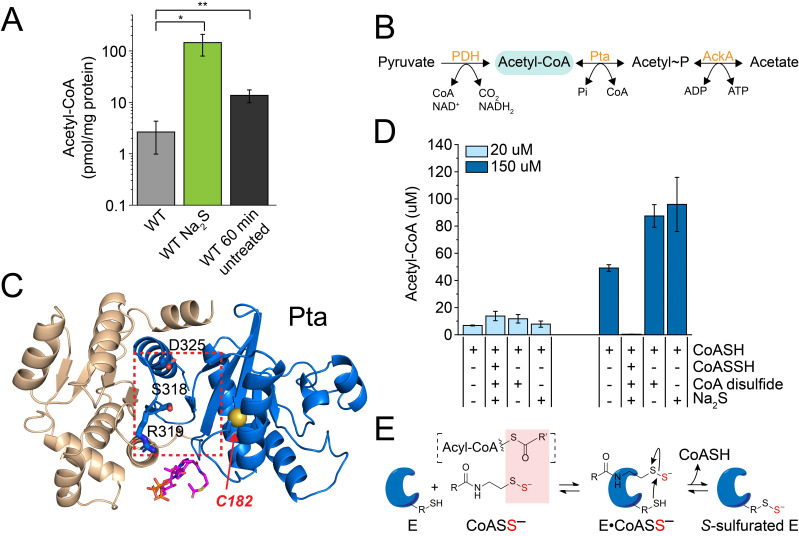
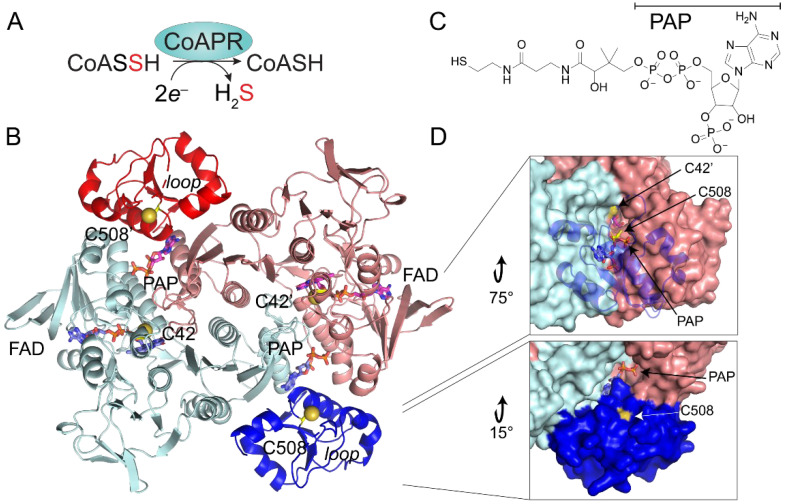
Hydrogen sulfide (HS) is implicated as a cytoprotective agent that bacteria employ in response to host-induced stressors, such as oxidative stress and antibiotics. The physiological benefits often attributed to HS, however, are likely a result of downstream, more oxidized forms of sulfur, collectively termed reactive sulfur species (RSS) and including the organic persulfide (RSSH). Here, we investigated the metabolic response of the commensal gut microorganism to exogenous NaS as a proxy for HS/RSS toxicity. We found that exogenous sulfide increases protein abundance for enzymes responsible for the biosynthesis of coenzyme A (CoA). Proteome -sulfuration (persulfidation), a posttranslational modification implicated in HS signal transduction, is also widespread in this organism and is significantly elevated by exogenous sulfide in CstR, the RSS sensor, coenzyme A persulfide (CoASSH) reductase (CoAPR) and enzymes associated with de novo fatty acid biosynthesis and acetyl-CoA synthesis. Exogenous sulfide significantly impacts the speciation of fatty acids as well as cellular concentrations of acetyl-CoA, suggesting that protein persulfidation may impact flux through these pathways. Indeed, CoASSH is an inhibitor of phosphotransacetylase (Pta), suggesting that an important metabolic consequence of increased levels of HS/RSS may be over-persulfidation of this key metabolite, which, in turn, inhibits CoA and acyl-CoA-utilizing enzymes. Our 2.05 Å crystallographic structure of CoA-bound CoAPR provides new structural insights into CoASSH clearance in .
硫化氢(HS)被认为是一种细胞保护剂,细菌在应对宿主诱导的应激源(如氧化应激和抗生素)时会使用它。然而,通常归因于HS的生理益处可能是下游更多氧化形式的硫的结果,这些硫统称为活性硫物种(RSS),包括有机过硫化物(RSSH)。在这里,我们研究了共生肠道微生物对外源NaS的代谢反应,以此作为HS/RSS毒性的替代指标。我们发现外源硫化物会增加负责辅酶A(CoA)生物合成的酶的蛋白质丰度。蛋白质组硫化(过硫化)是一种与HS信号转导有关的翻译后修饰,在这种生物体中也很普遍,并且在外源硫化物作用下,RSS传感器CstR、辅酶A过硫化物(CoASSH)还原酶(CoAPR)以及与从头脂肪酸生物合成和乙酰辅酶A合成相关的酶中显著升高。外源硫化物显著影响脂肪酸的种类以及乙酰辅酶A的细胞浓度,这表明蛋白质过硫化可能会影响这些途径的通量。事实上,CoASSH是磷酸转乙酰酶(Pta)的抑制剂,这表明HS/RSS水平升高的一个重要代谢后果可能是这种关键代谢物的过度过硫化,进而抑制利用CoA和酰基辅酶A的酶。我们解析得到的结合CoA的CoAPR的2.05 Å晶体结构为CoASSH在……中的清除提供了新的结构见解。