Department of Implantology, School and Hospital of Stomatology, Cheeloo College of Medicine, Shandong University & Shandong Key Laboratory of Oral Tissue Regeneration & Shandong Engineering Laboratory for Dental Materials and Oral Tissue Regeneration, No. 44-1 Wenhua Road West, Jinan 250012, China.
Department of Periodontology, School and Hospital of Stomatology, Cheeloo College of Medicine, Shandong University & Shandong Key Laboratory of Oral Tissue Regeneration & Shandong Engineering Laboratory for Dental Materials and Oral Tissue Regeneration, No. 44-1 Wenhua Road West, Jinan 250012, China.
Cells. 2022 Aug 17;11(16):2560. doi: 10.3390/cells11162560.
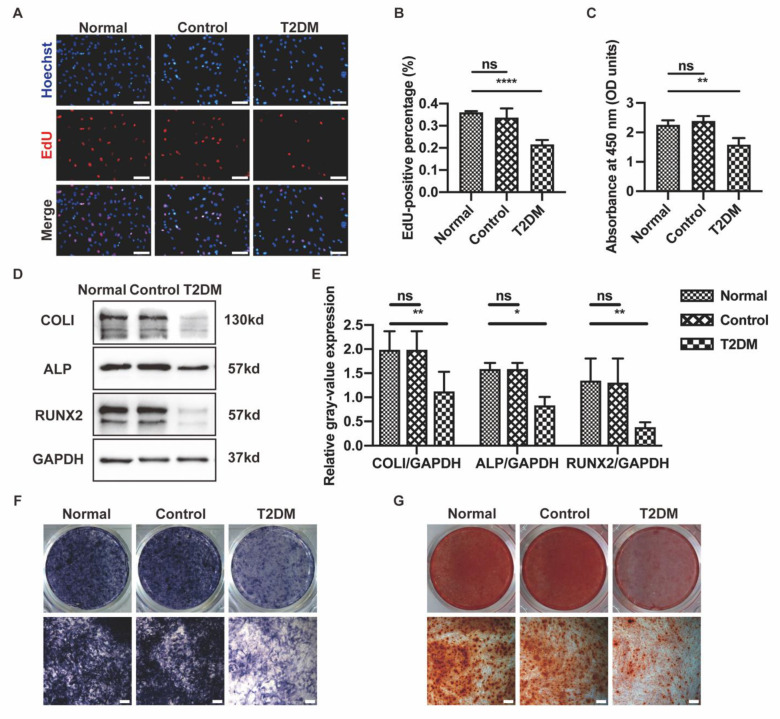
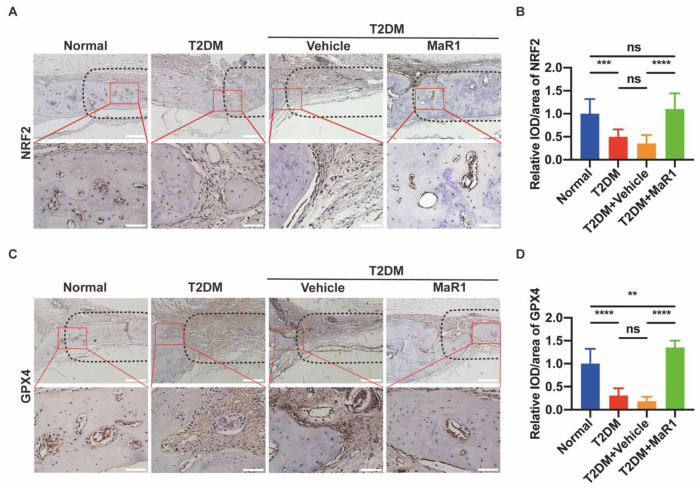
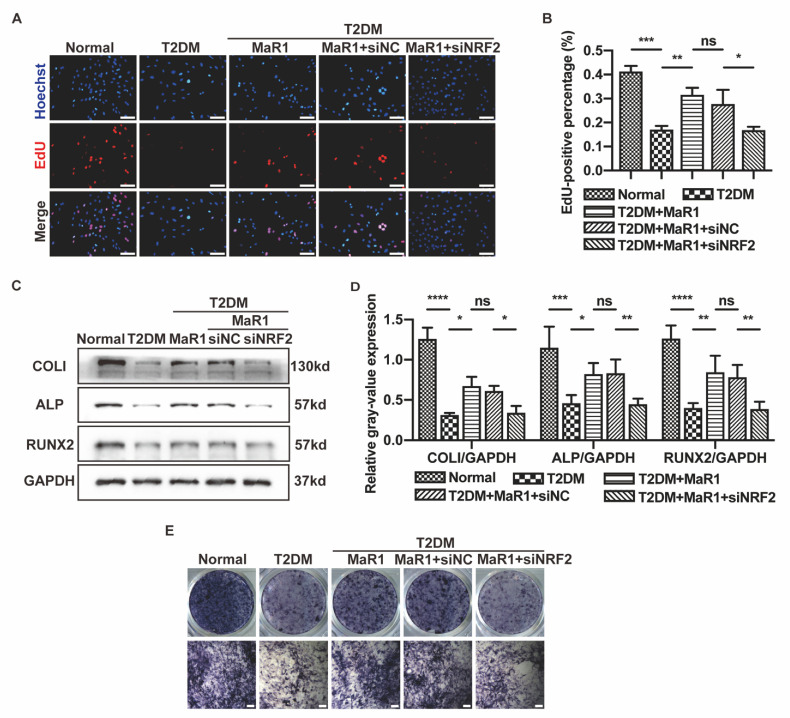
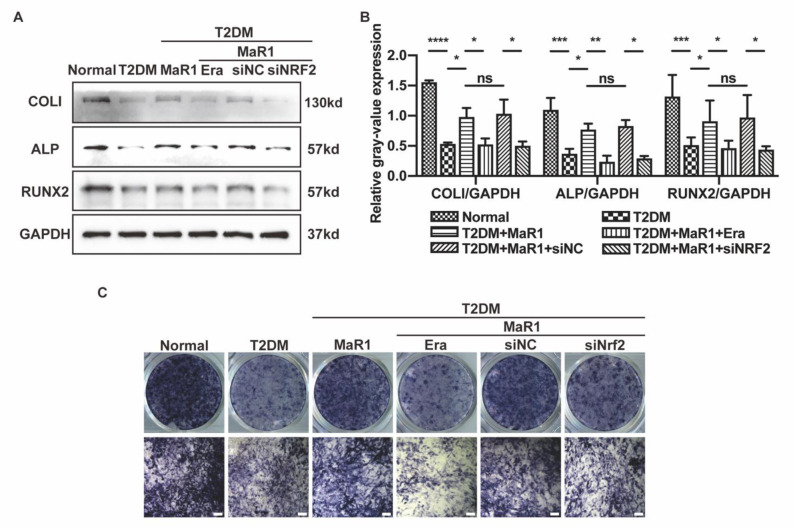
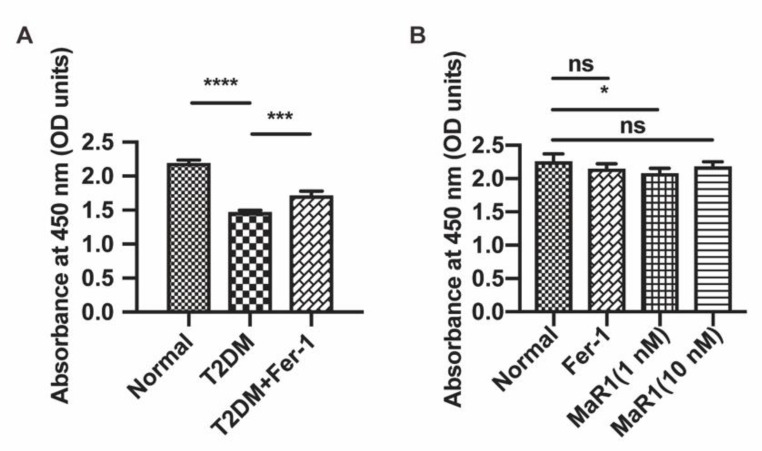
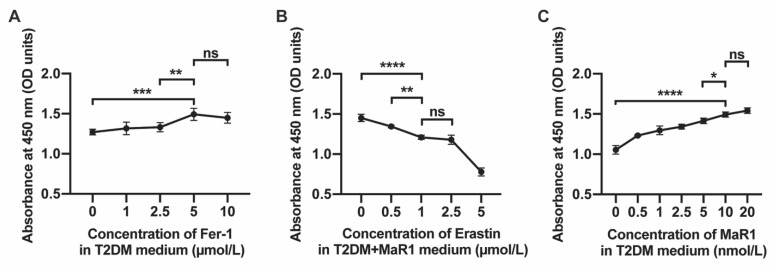
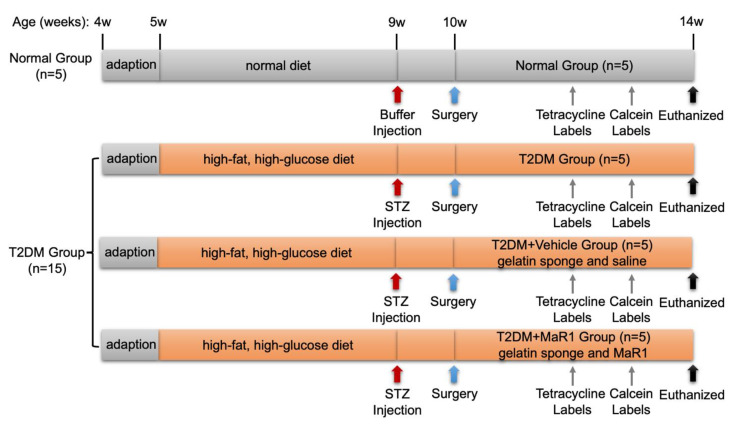
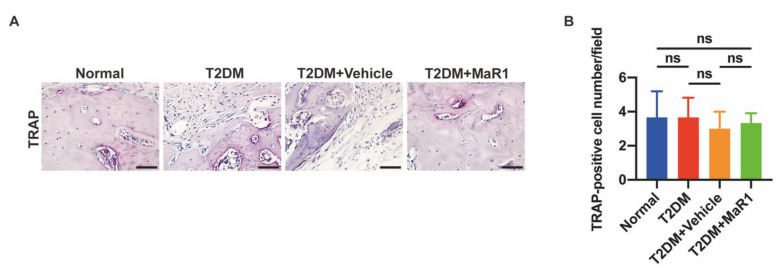
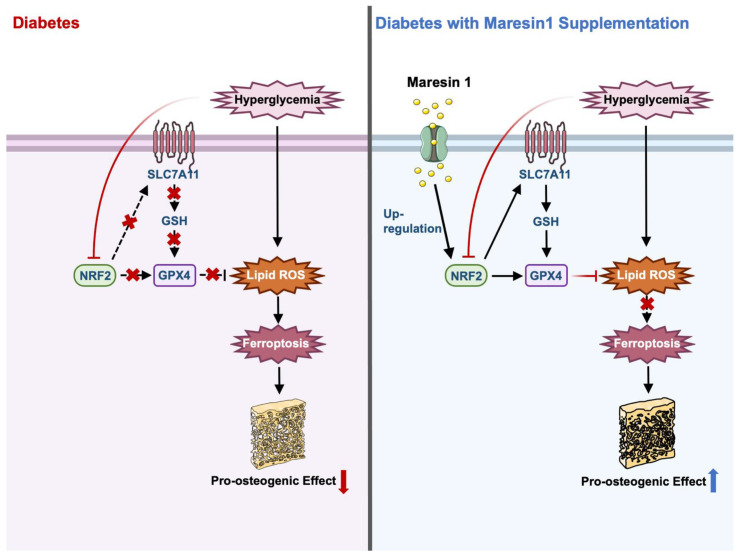
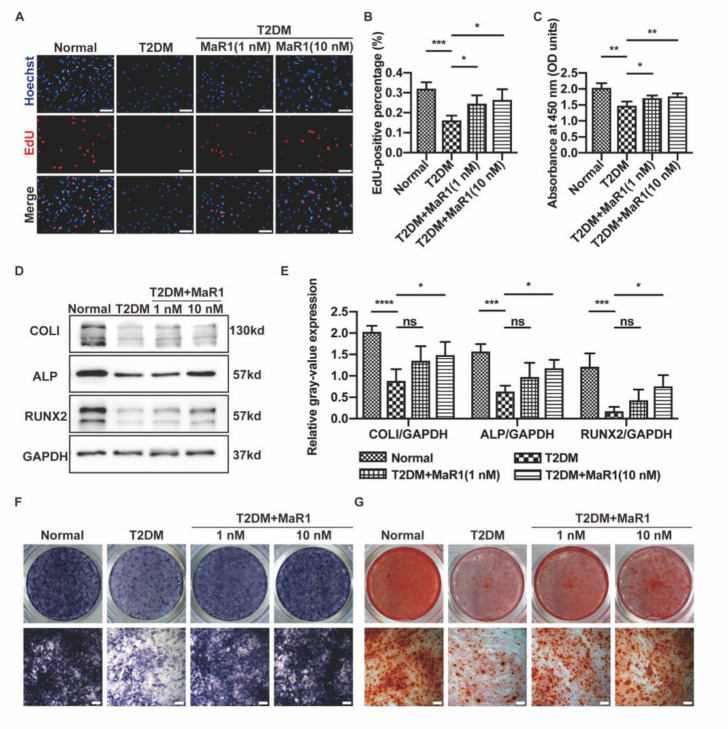
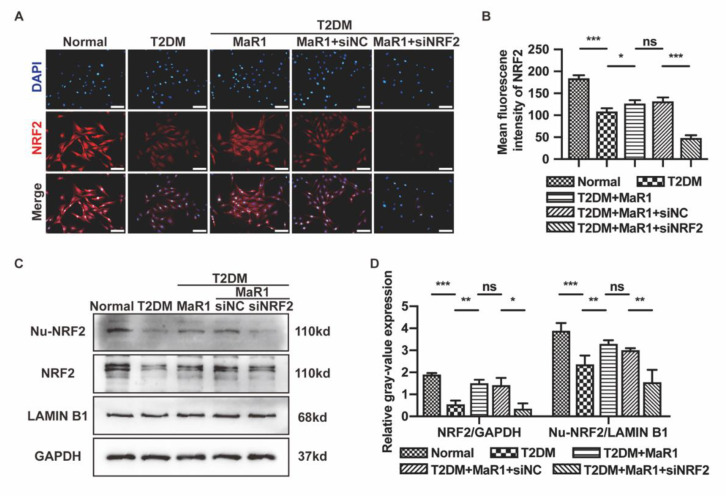
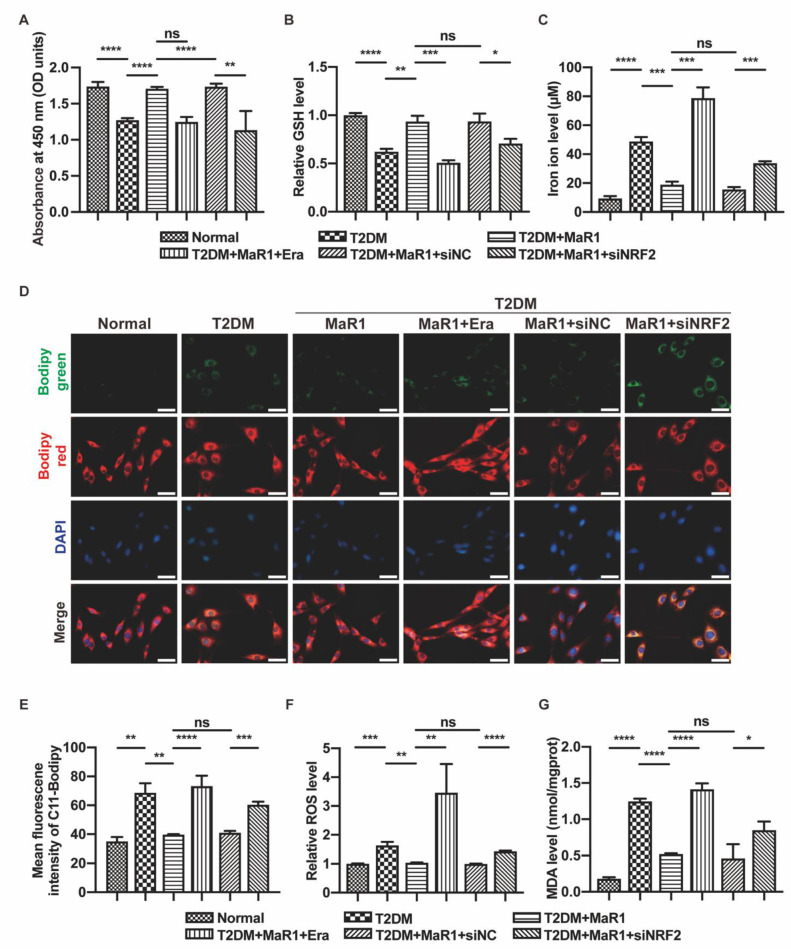
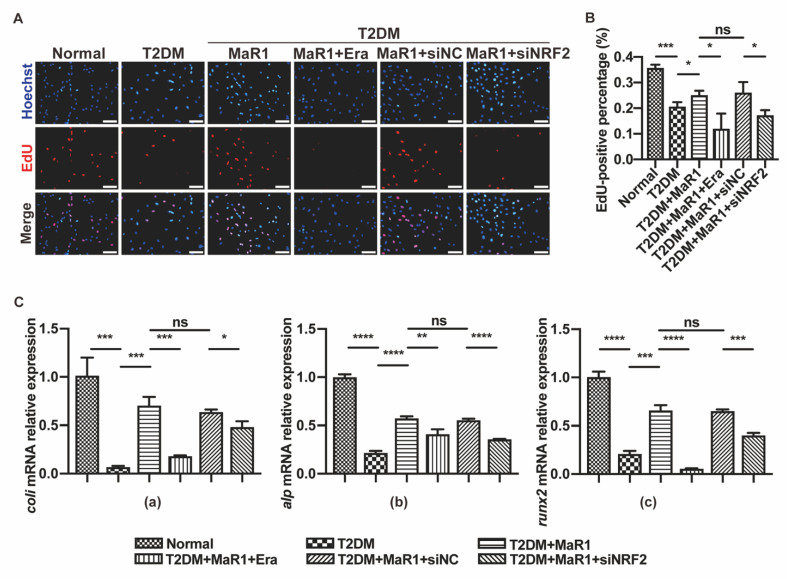
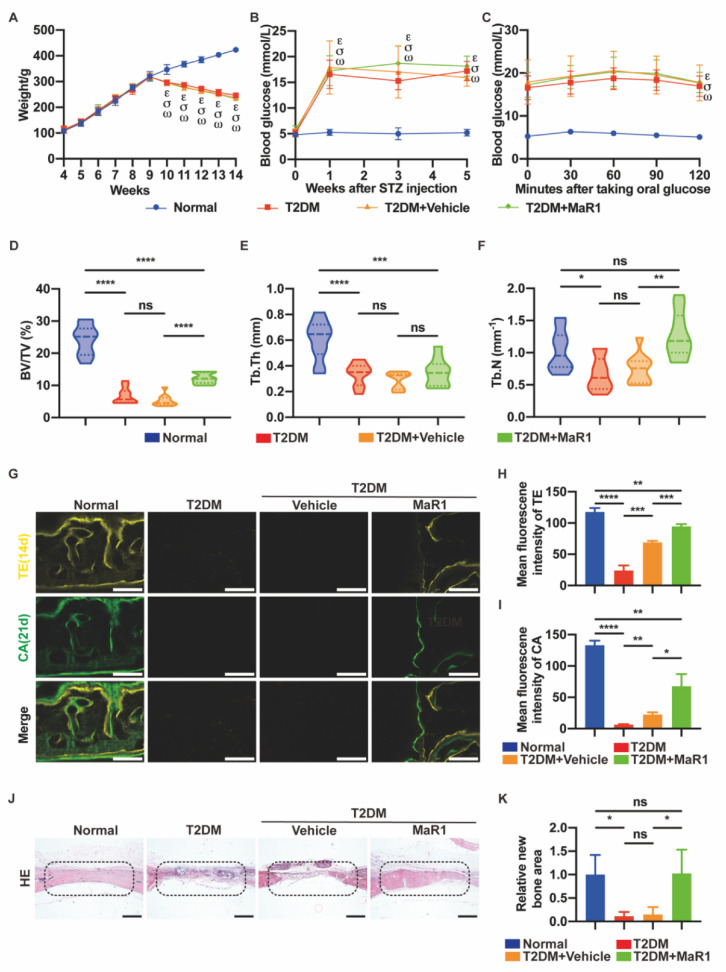
Maresin1 (MaR1) is an endogenous pro-resolving lipid mediator produced from polyunsaturated fatty acids and is believed to have antioxidant and anti-inflammatory properties. The objective of this study was to estimate MaR1's impact on type 2 diabetic osteoporosis (T2DOP) and its pharmacological mode of action. An in vitro high-glucose model of the osteoblast cell line MC3T3-E1 was constructed and stimulated with MaR1. Type 2 diabetic rats were used to establish in vivo models of calvarial defects and were treated in situ with MaR1. The results revealed that, aside from preventing mortality and promoting the osteogenic capacity of MC3T3-E1 cells, MaR1 increased nuclear factor erythroid-2 related factor 2 (NRF2) signaling as well as the activity of glutathione peroxidase 4 (GPX4) and cystine-glutamate antiporter (SLC7A11) and caused the restraint of ferroptosis under hyperglycemic stimulation. However, the therapeutic impact of MaR1 was significantly diminished due to NRF2-siRNA interference and the ferroptosis activator Erastin. Meanwhile, these results were validated through in vivo experiments. These findings imply that MaR1 activated the NRF2 pathway in vivo and in vitro to alleviate high-glucose-induced ferroptosis greatly. More crucially, MaR1 might effectively reduce the risk of T2DOP.
马雷斯因 1(MaR1)是一种内源性的促解决脂质介质,由多不饱和脂肪酸产生,被认为具有抗氧化和抗炎特性。本研究的目的是评估 MaR1 对 2 型糖尿病性骨质疏松症(T2DOP)的影响及其药理学作用机制。构建了成骨细胞系 MC3T3-E1 的体外高葡萄糖模型,并使用 MaR1 刺激该模型。使用 2 型糖尿病大鼠建立颅骨缺损的体内模型,并在原位用 MaR1 进行治疗。结果表明,除了预防死亡率和促进 MC3T3-E1 细胞的成骨能力外,MaR1 还增加了核因子红细胞 2 相关因子 2(NRF2)信号以及谷胱甘肽过氧化物酶 4(GPX4)和胱氨酸-谷氨酸反向转运蛋白(SLC7A11)的活性,并在高糖刺激下抑制铁死亡。然而,由于 NRF2-siRNA 干扰和铁死亡激活剂 Erastin,MaR1 的治疗效果明显减弱。同时,通过体内实验验证了这些结果。这些发现表明,MaR1 在体内和体外激活了 NRF2 通路,从而大大减轻了高葡萄糖诱导的铁死亡。更重要的是,MaR1 可能有效地降低 T2DOP 的风险。