Faculty of Chemistry, Adam Mickiewicz University, Uniwersytetu Poznańskiego 8, 61-614 Poznań, Poland.
Ecology and Biology Research Institute, Shymkent University, Shymkent 160000, Kazakhstan.
Molecules. 2022 Aug 11;27(16):5122. doi: 10.3390/molecules27165122.
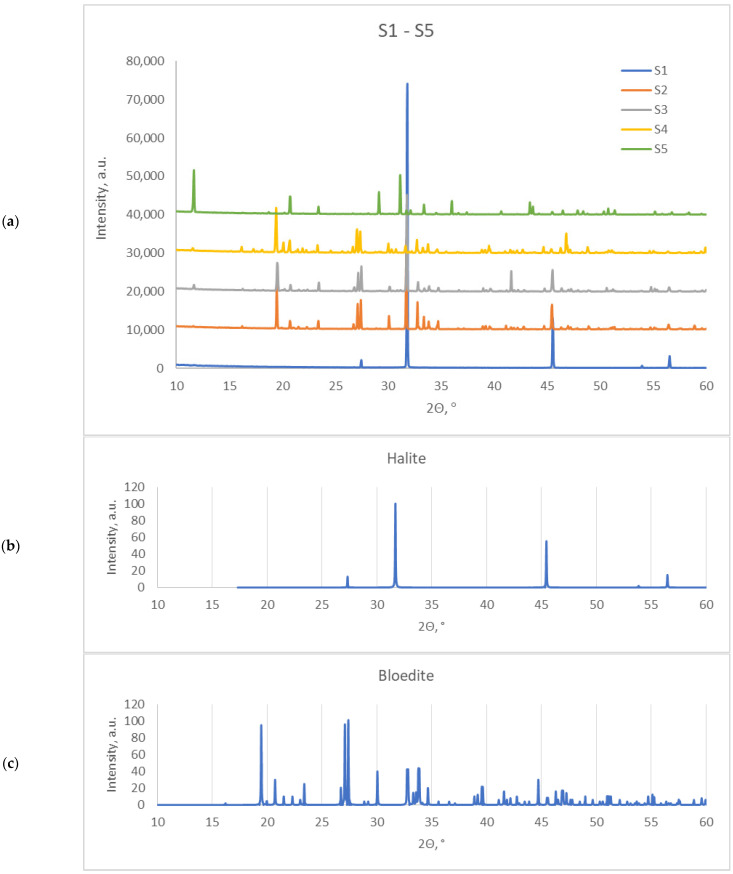
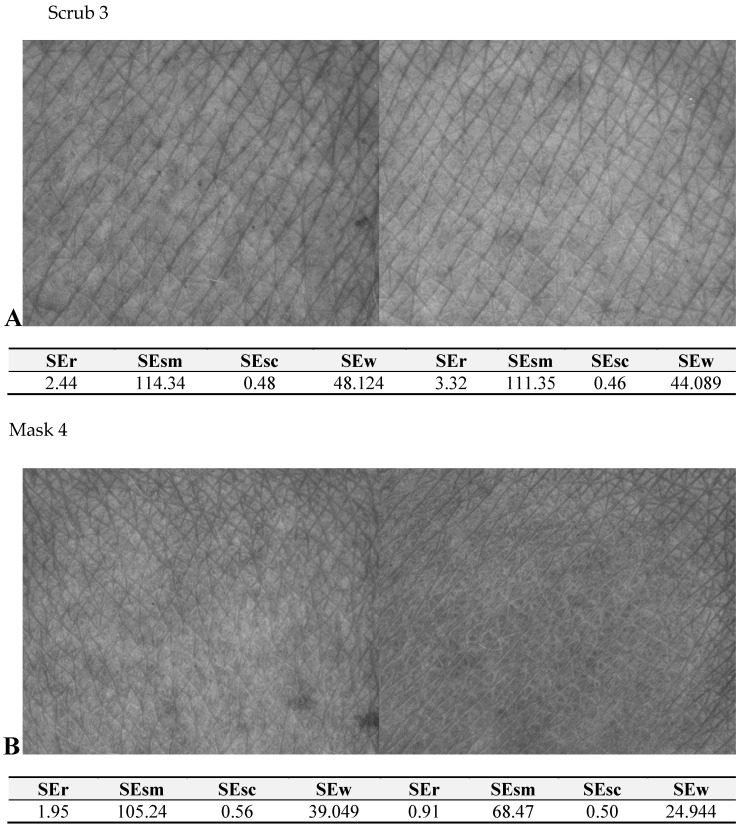
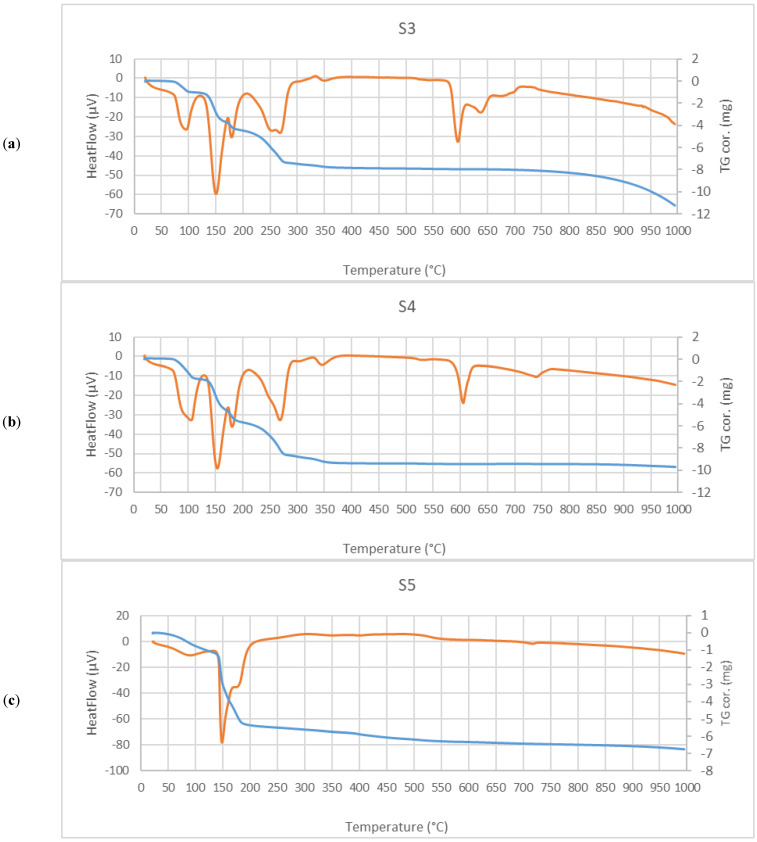
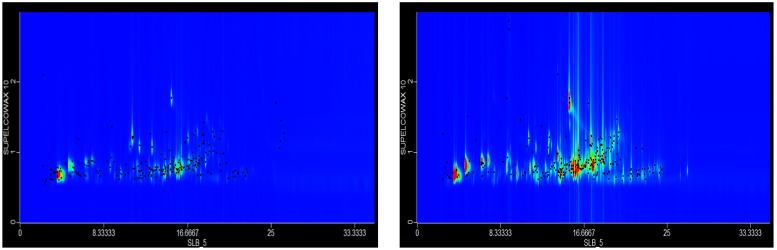
The aim of this work was to study the possibility of using medicinal plants in combination with salt-containing raw materials from the Aral Sea region for cosmetic purposes. The chemical and mineralogical compositions of salts occurring in this region were studied for pharmacological and cosmetic purposes. The salt-containing raw materials were studied by X-ray diffraction (XRD), thermogravimetric analysis (TGA) and scanning electron microscopy (SEM). The microflora of saline-containing raw materials and flora of the Zhaksy-Klych lake were studied. Fifty-six plant species were identified, of which 25% belong to the Asteraceae family, 32% were Poaceae, 22% were Amaranthaceae, and 21% were Tamaricaceae. Using the solid-phase microextraction (SPME) method and comprehensive two-dimensional gas chromatography−mass spectrometry, the composition of volatile compounds in such plant species as Artemisia alba L., Achilleamillifolium L., Eleagus commutate Bernh. Ex Rydb., Psoraleadrupacea Bunge, Artemisia cipa O. Vegd., Thymus vulgaris L., Morus alba L., Salvia pratensis L., Glycyrhizaglabra L., Tanacetum vulgare L., Polygonumaviculare L., Alhagipseudoalhagi Gagnebin and Peganumharmala L., chosen on the basis of their herbal components for future cosmetic products, was determined. In total, 187 different volatile compounds were found in the endemic plant species Glycyrrhizaglabra L., of which the following were dominant: 1,7-octadiene-3-, 2,6-dimethyl- with a peak area of 4.71%; caryophyllenes; bicyclo[7.2.0]4,11,11-trimethyl-8-methylene-, [1R-(1R*,4E,9S*)]—3.70%; bicyclo[2.2.1] heptane-2-1,7,7-trimethyl-,(1S)—3.46%; cyclohexanone, 5-methyl-2-(1-methylethyledene)-; 2-isopropyledene-5—2.97%; menthol; cyclohexanol, 5-methyl-2-(1-methylethyl)-; p-menthane-3-ol; menthol alcohol; and 2-isopropyl-5—2.08%. The remaining compounds were detected in amounts of less than 2.0%. Tests of seven cosmetic compositions developed on the basis of plant extracts and salt-containing raw materials revealed that three samples had a moisturizing effect. Launching the production of cosmetic products in the Aral region will not only reduce social tensions but also significantly improve the environmental situation in the region.
本工作旨在研究将药用植物与咸海地区的含盐原料结合用于化妆品的可能性。研究了该地区存在的盐的化学和矿物成分,以用于药理学和化妆品目的。含盐原料通过 X 射线衍射(XRD)、热重分析(TGA)和扫描电子显微镜(SEM)进行了研究。研究了含盐水体原料的微生物区系和扎克斯基-克利奇湖的植物区系。鉴定出 56 种植物物种,其中 25%属于菊科,32%是禾本科,22%是苋科,21%是柽柳科。使用固相微萃取(SPME)方法和全面二维气相色谱-质谱法,确定了选择的具有草药成分的植物物种,如黄花蒿、细叶益母草、银柴胡、槐叶苹、黄花蒿、普通百里香、白桑、草原鼠尾草、甘草、苦艾、多裂骆驼蓬、杠柳、骆驼蓬、黑种草,的挥发性化合物的组成。在该地区特有的植物物种甘草中发现了 187 种不同的挥发性化合物,其中含量最高的是:1,7-辛二烯-3-, 2,6-二甲基-,峰面积为 4.71%;丁香烯;双环[7.2.0]4,11,11-三甲基-8-亚甲基-,[1R-(1R*,4E,9S*)]-3.70%;双环[2.2.1]庚烷-2-1,7,7-三甲基-,(1S)-3.46%;环己酮,5-甲基-2-(1-甲基亚乙基)-;2-异丙烯基-5-2.97%;薄荷醇;环己醇,5-甲基-2-(1-甲基乙基)-;对孟烷-3-醇;薄荷醇;和 2-异丙烯基-5-2.08%。其余化合物的含量均低于 2.0%。对基于植物提取物和含盐原料开发的七种化妆品成分的测试表明,有三种具有保湿作用。在咸海地区生产化妆品不仅可以减轻社会紧张局势,还可以显著改善该地区的环境状况。