Department of Chemistry, Abdul Wali Khan University, Mardan 23200, Pakistan.
Wuhan National Laboratory for Optoelectronics, School of Optical and Electronic Information, Huazhong University of Science and Technology, Wuhan 430074, China.
Molecules. 2022 Aug 22;27(16):5343. doi: 10.3390/molecules27165343.
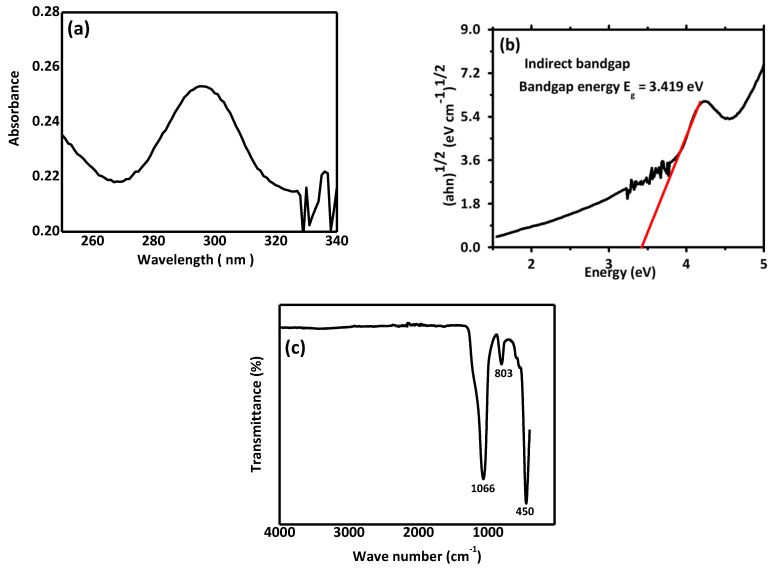
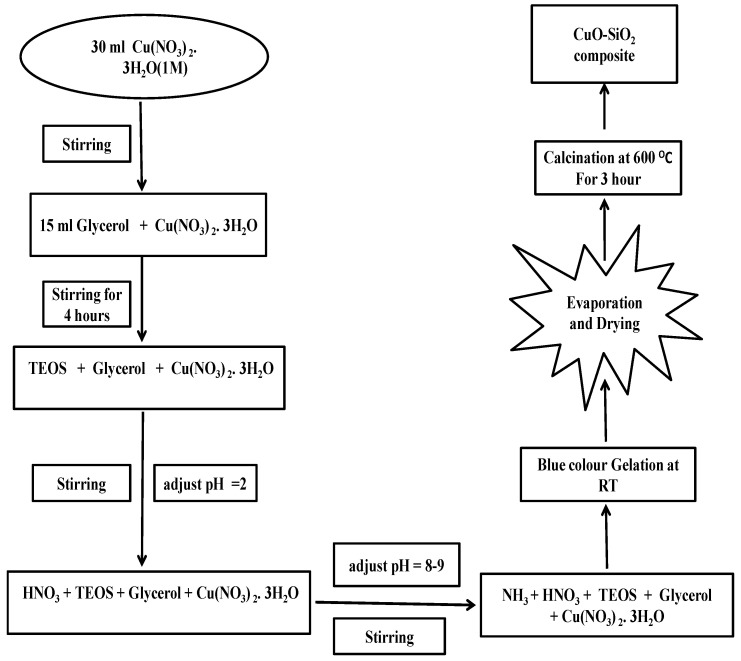
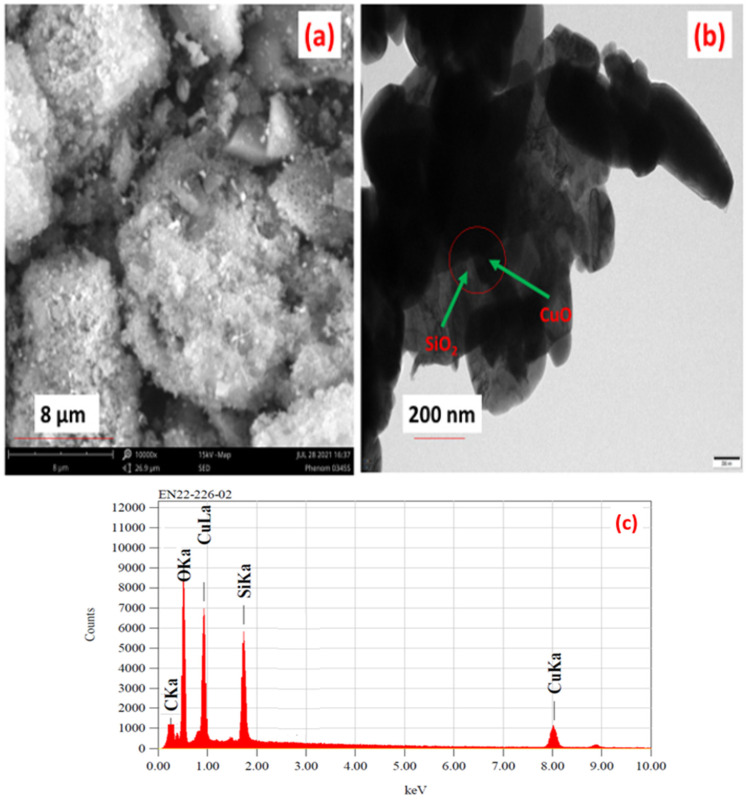
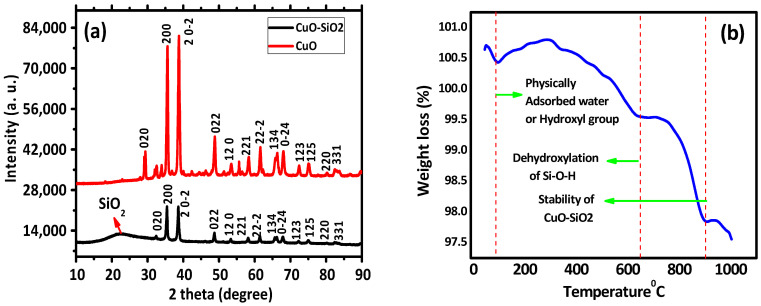
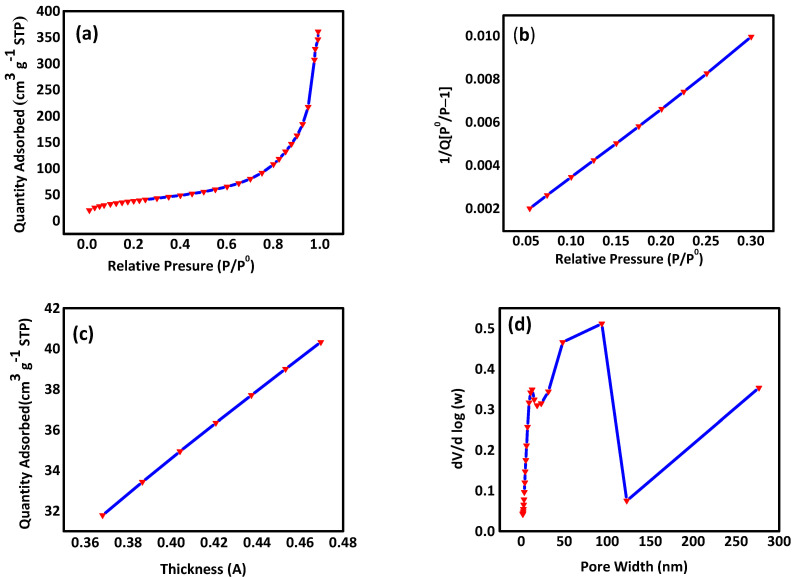
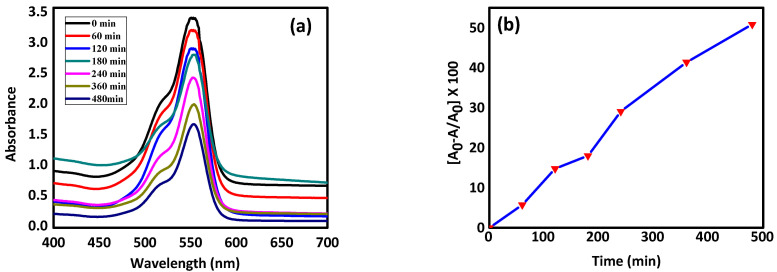
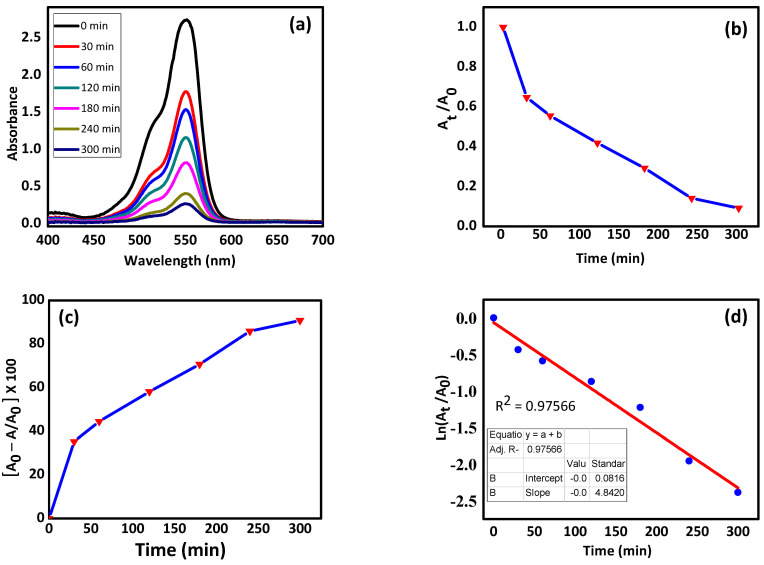
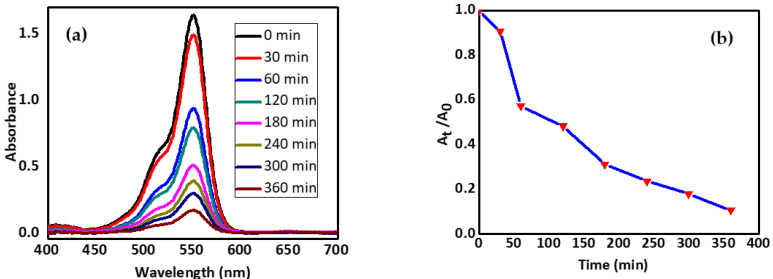
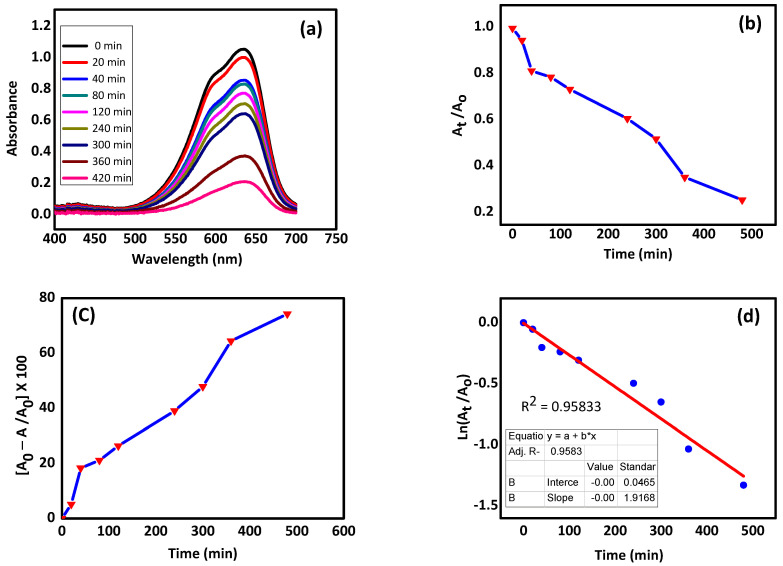
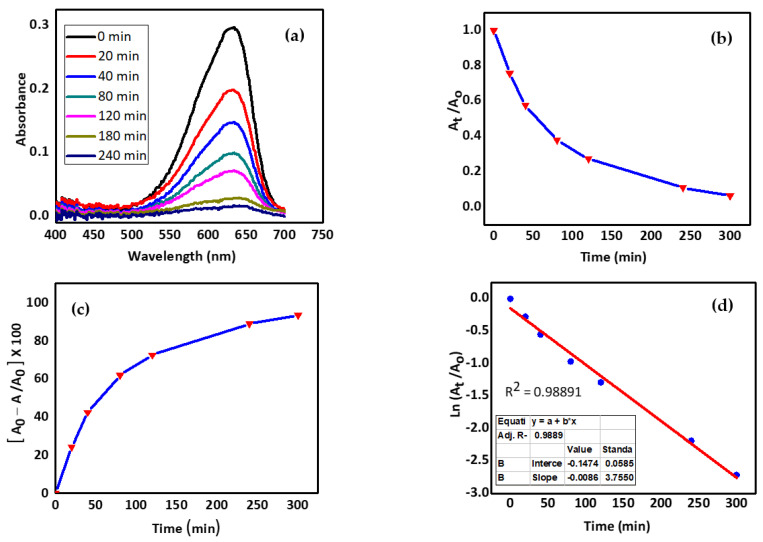
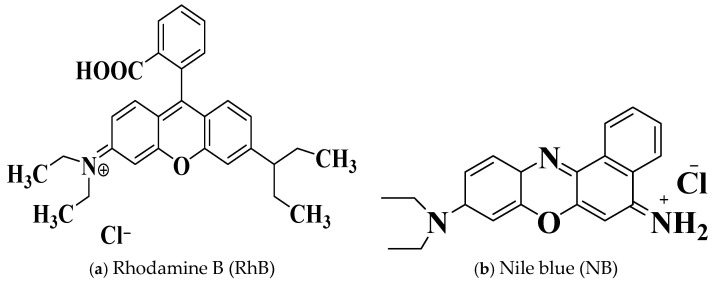
Wastewater from the textile industries contaminates the natural water and affects the aquatic environment, soil fertility and biological ecosystem through discharge of different hazardous effluents. Therefore, it is essential to remove such dissolved toxic materials from water by applying more efficient techniques. We performed a comparative study on the removal of rhodamine B (RhB) and Nile blue (NB) from water through a catalytic/photocatalytic approach while using a CuO-SiO based nanocomposite. The CuO-SiO nanocomposite was synthesized through a sol-gel process using copper nitrate dihydrate and tetraethylorthosilicate as CuO and SiO precursors, respectively, with ammonia solution as the precipitating agent. The synthesized nanocomposites were characterized, for their structure, morphology, crystallinity, stability, surface area, pore size and pore volume, by using a scanning electron microscope (SEM), transmission electron microscope (TEM), energy dispersive X-ray spectroscopy (EDX), X-ray diffraction (XRD), Fourier transform infrared spectroscopy (FTIR) and Brunauer-Emmett-Teller (BET) techniques. The CuO-SiO nanocomposite was used for potential environmental applications in the terms of its catalytic and photocatalytic activities toward the degradation of rhodamine B (RhB) and Nile blue (NB) dyes, in the presence and absence of light, while monitoring the degradation process of dyes by UV-Visible spectroscopy. The catalytic efficiency of the same composite was studied and discussed in terms of changes in the chemical structures of dyes and other experimental conditions, such as the presence and absence of light. Moreover, the composite showed 85% and 90% efficiency towards the removal of rhodamine B and Nile blue dyes respectively. Thus, the CuO-SiO nanocomposite showed better efficiency toward removal of Nile blue as compared to rhodamine B dye while keeping other experimental variables constant. This can be attributed to the structure-property relationships and compatibility of a catalyst with the molecular structures of dyes.
纺织工业废水通过排放不同的有害废水污染天然水,影响水生环境、土壤肥力和生物生态系统。因此,通过应用更有效的技术,从水中去除这些溶解的有毒物质是至关重要的。我们通过催化/光催化方法对氧化铜-二氧化硅基纳米复合材料去除水中罗丹明 B(RhB)和尼罗蓝(NB)进行了比较研究。氧化铜-二氧化硅纳米复合材料通过使用硝酸铜二水合物和正硅酸乙酯分别作为 CuO 和 SiO 前体的溶胶-凝胶法合成,并用氨溶液作为沉淀剂。通过扫描电子显微镜(SEM)、透射电子显微镜(TEM)、能量色散 X 射线光谱(EDX)、X 射线衍射(XRD)、傅里叶变换红外光谱(FTIR)和 Brunauer-Emmett-Teller(BET)技术对合成的纳米复合材料进行了结构、形态、结晶度、稳定性、表面积、孔径和孔体积的表征。在存在和不存在光的情况下,氧化铜-二氧化硅纳米复合材料用于潜在的环境应用,以评估其对罗丹明 B(RhB)和尼罗蓝(NB)染料的催化和光催化活性,并通过紫外可见光谱监测染料的降解过程。根据染料的化学结构变化和其他实验条件(如有无光照)研究和讨论了相同复合材料的催化效率。此外,该复合材料对罗丹明 B 和尼罗蓝染料的去除效率分别达到 85%和 90%。因此,在保持其他实验变量不变的情况下,氧化铜-二氧化硅纳米复合材料对尼罗蓝的去除效率优于罗丹明 B 染料。这可以归因于催化剂与染料分子结构的结构-性能关系和相容性。