Casiraghi Andrea, Longhena Francesca, Faustini Gaia, Ribaudo Giovanni, Suigo Lorenzo, Camacho-Hernandez Gisela Andrea, Bono Federica, Brembati Viviana, Newman Amy Hauck, Gianoncelli Alessandra, Straniero Valentina, Bellucci Arianna, Valoti Ermanno
Department of Pharmaceutical Sciences, University of Milan, Via Luigi Mangiagalli 25, 20133 Milano, Italy.
Department of Molecular and Translational Medicine, University of Brescia, Viale Europa 11, 25123 Brescia, Italy.
Pharmaceutics. 2022 Jul 30;14(8):1595. doi: 10.3390/pharmaceutics14081595.
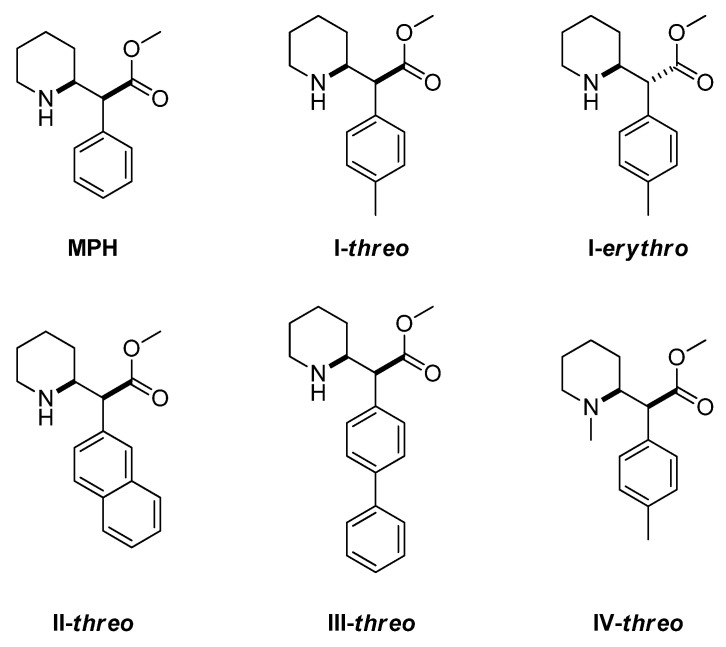
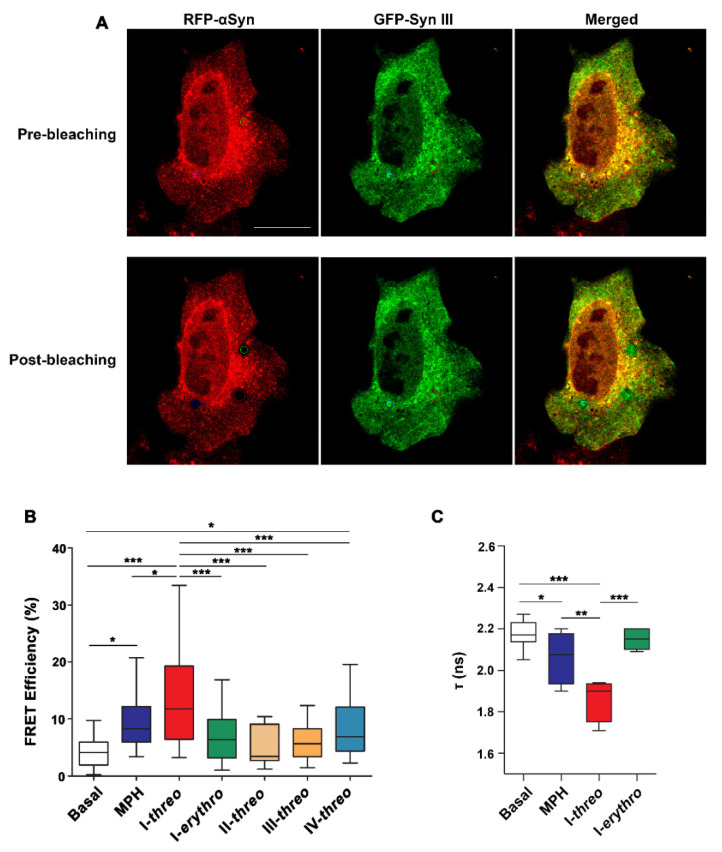
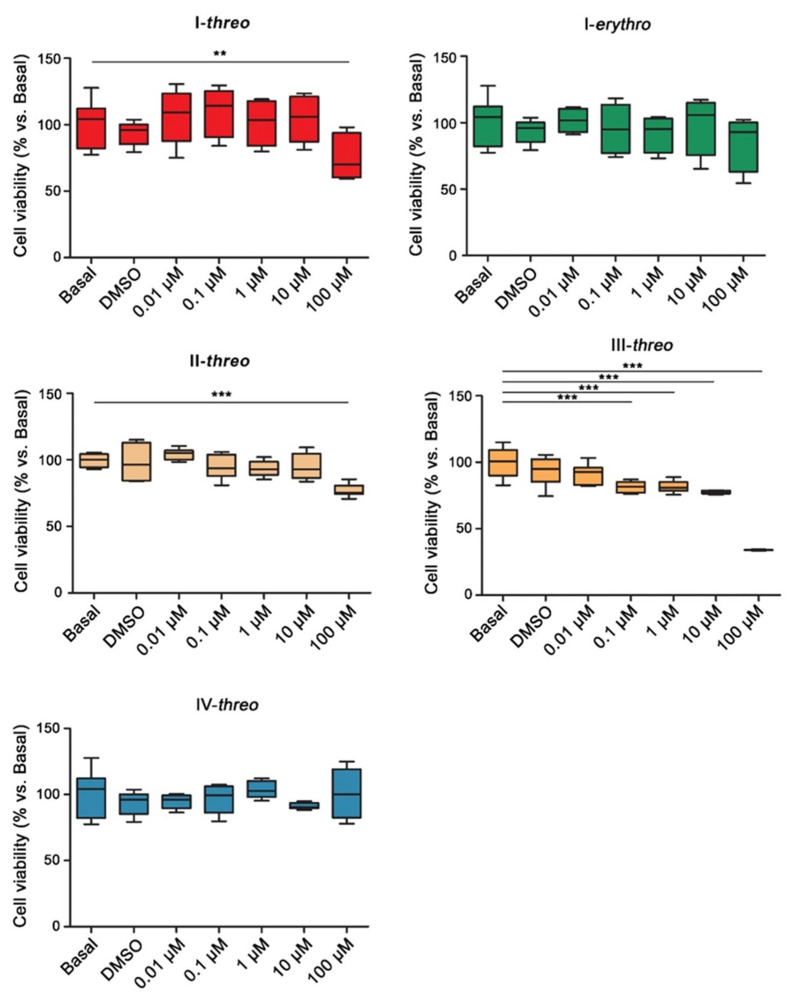
Parkinson's disease (PD) is characterized by dopaminergic nigrostriatal neurons degeneration and Lewy body pathology, mainly composed of α-synuclein (αSyn) fibrillary aggregates. We recently described that the neuronal phosphoprotein Synapsin III (Syn III) participates in αSyn pathology in PD brains and is a permissive factor for αSyn aggregation. Moreover, we reported that the gene silencing of Syn III in a human αSyn transgenic (tg) mouse model of PD at a pathological stage, manifesting marked insoluble αSyn deposits and dopaminergic striatal synaptic dysfunction, could reduce αSyn aggregates, restore synaptic functions and motor activities and exert neuroprotective effects. Interestingly, we also described that the monoamine reuptake inhibitor methylphenidate (MPH) can recover the motor activity of human αSyn tg mice through a dopamine (DA) transporter-independent mechanism, which relies on the re-establishment of the functional interaction between Syn III and α-helical αSyn. These findings support that the pathological αSyn/Syn III interaction may constitute a therapeutic target for PD. Here, we studied MPH and some of its analogues as modulators of the pathological αSyn/Syn III interaction. We identified 4-methyl derivative as a lead candidate modulating αSyn/Syn III interaction and having the ability to reduce αSyn aggregation in vitro and to restore the motility of αSyn tg mice in vivo more efficiently than MPH. Our results support that MPH derivatives may represent a novel class of αSyn clearing agents for PD therapy.
帕金森病(PD)的特征是多巴胺能黑质纹状体神经元变性和路易小体病理改变,主要由α-突触核蛋白(αSyn)纤维状聚集体组成。我们最近描述了神经元磷蛋白突触结合蛋白III(Syn III)参与PD大脑中的αSyn病理过程,并且是αSyn聚集的一个许可因子。此外,我们报道在处于病理阶段的人类αSyn转基因(tg)PD小鼠模型中沉默Syn III基因,该模型表现出明显的不溶性αSyn沉积物和多巴胺能纹状体突触功能障碍,这可以减少αSyn聚集体,恢复突触功能和运动活动并发挥神经保护作用。有趣的是,我们还描述了单胺再摄取抑制剂哌醋甲酯(MPH)可以通过一种不依赖多巴胺(DA)转运体的机制恢复人类αSyn tg小鼠的运动活动,该机制依赖于Syn III与α-螺旋αSyn之间功能相互作用的重建。这些发现支持病理性αSyn/Syn III相互作用可能构成PD的一个治疗靶点。在此,我们研究了MPH及其一些类似物作为病理性αSyn/Syn III相互作用的调节剂。我们确定4-甲基衍生物是调节αSyn/Syn III相互作用的主要候选物,并且在体外具有比MPH更有效地减少αSyn聚集以及在体内恢复αSyn tg小鼠运动能力的能力。我们的结果支持MPH衍生物可能代表一类用于PD治疗的新型αSyn清除剂。