Hung Shih-Ya, Chung Hsin-Yi, Luo Sih-Ting, Chu Yu-Ting, Chen Yu-Hsin, MacDonald Iona J, Chien Szu-Yu, Kotha Peddanna, Yang Liang-Yo, Hwang Ling-Ling, Dun Nae J, Chuang De-Maw, Chen Yi-Hung
Graduate Institute of Acupuncture Science, China Medical University, Taichung, Taiwan.
Division of Colorectal Surgery, China Medical University Hospital, Taichung, Taiwan.
Front Cell Neurosci. 2022 Aug 9;16:880267. doi: 10.3389/fncel.2022.880267. eCollection 2022.
Acupuncture or electroacupuncture (EA) appears to be a potential treatment in acute clinical traumatic brain injury (TBI); however, it remains uncertain whether acupuncture affects post-TBI histone deacetylase (HDAC) expression or impacts other biochemical/neurobiological events.
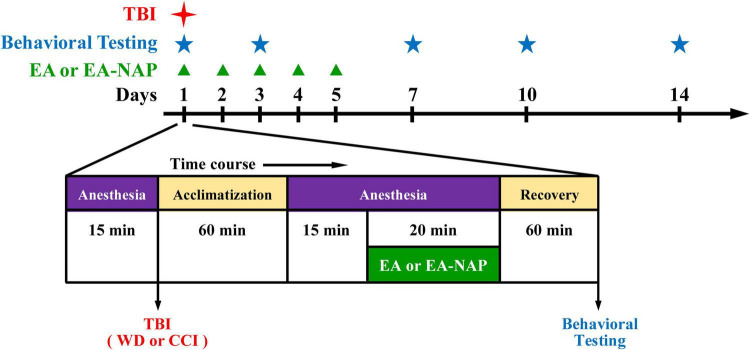
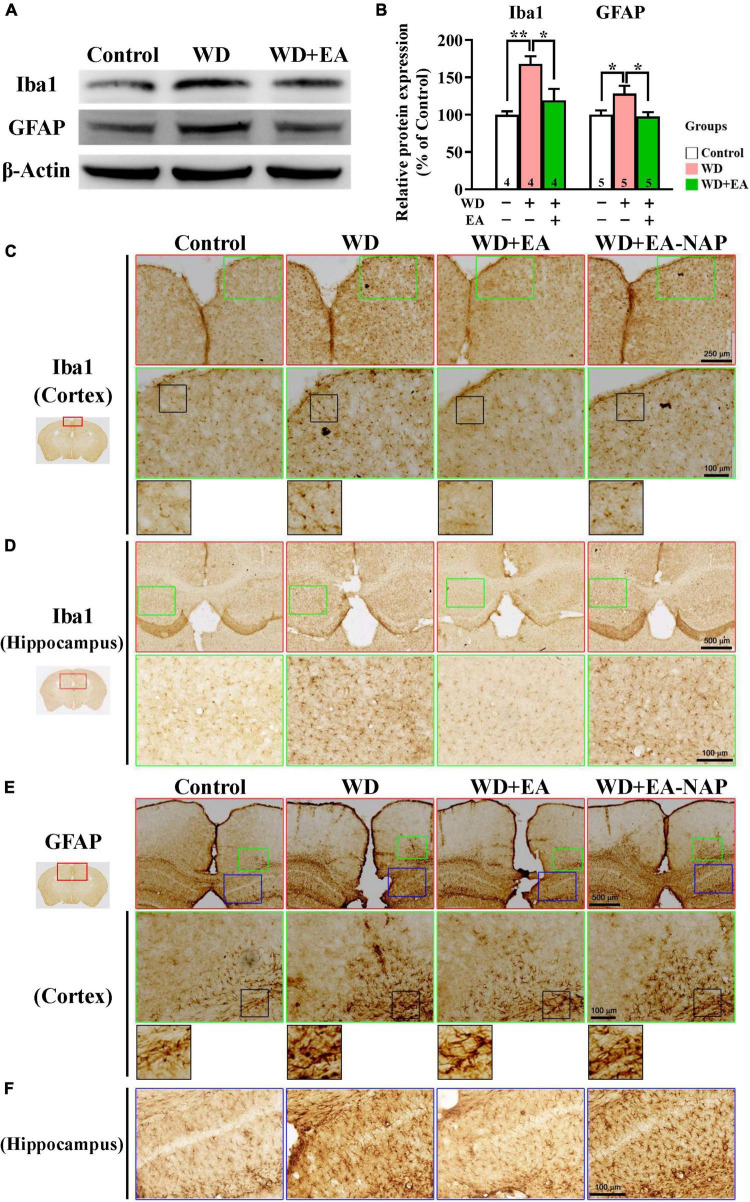
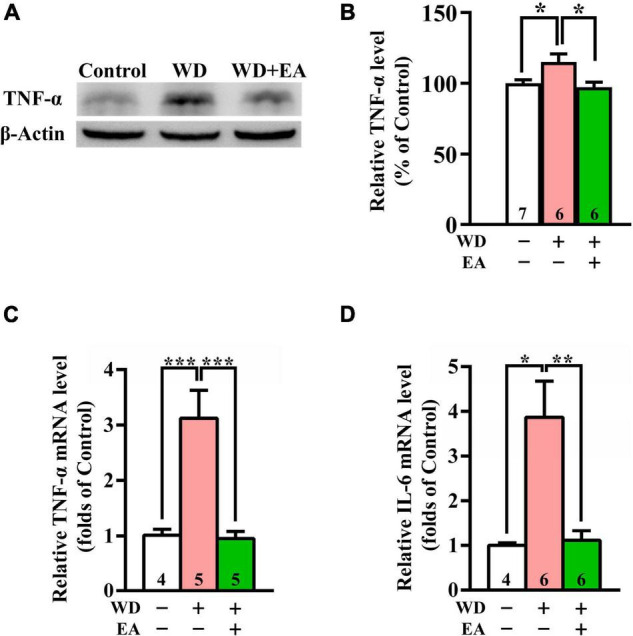
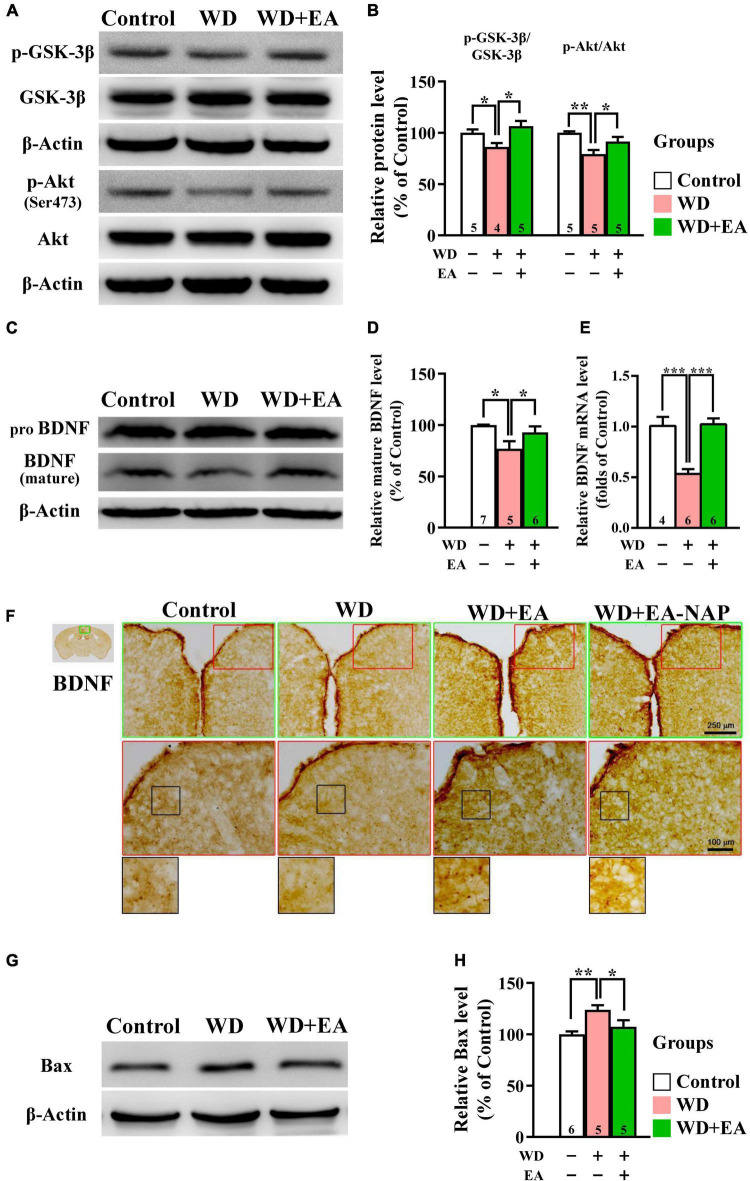
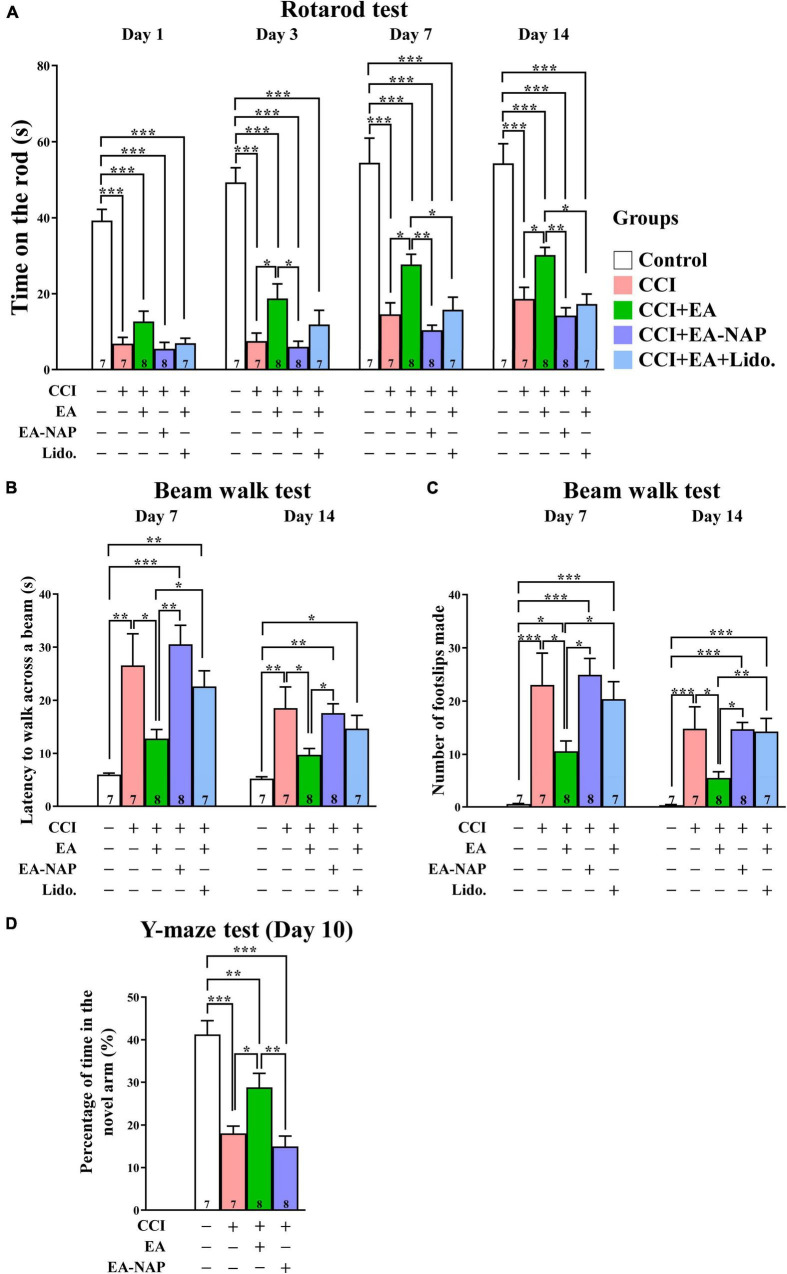
We used behavioral testing, Western blot, and immunohistochemistry analysis to evaluate the cellular and molecular effects of EA at LI4 and LI11 in both weight drop-impact acceleration (WD)- and controlled cortical impact (CCI)-induced TBI models.
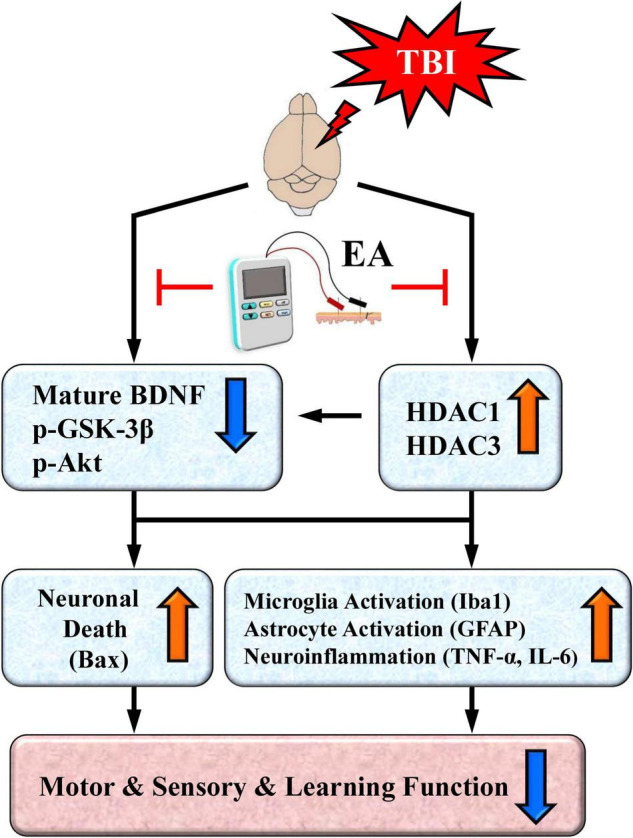
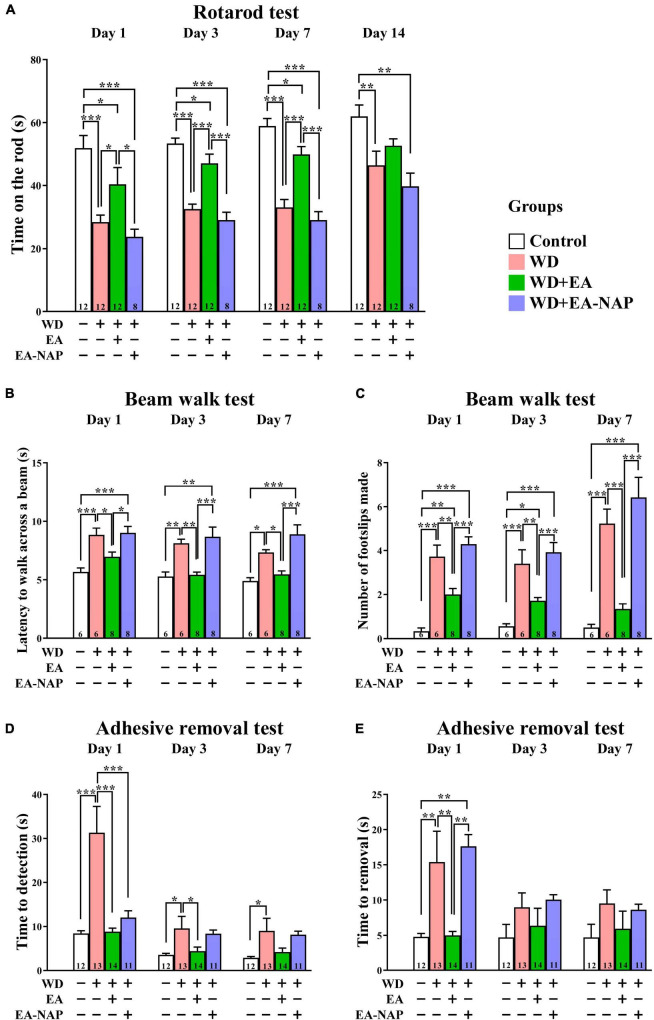
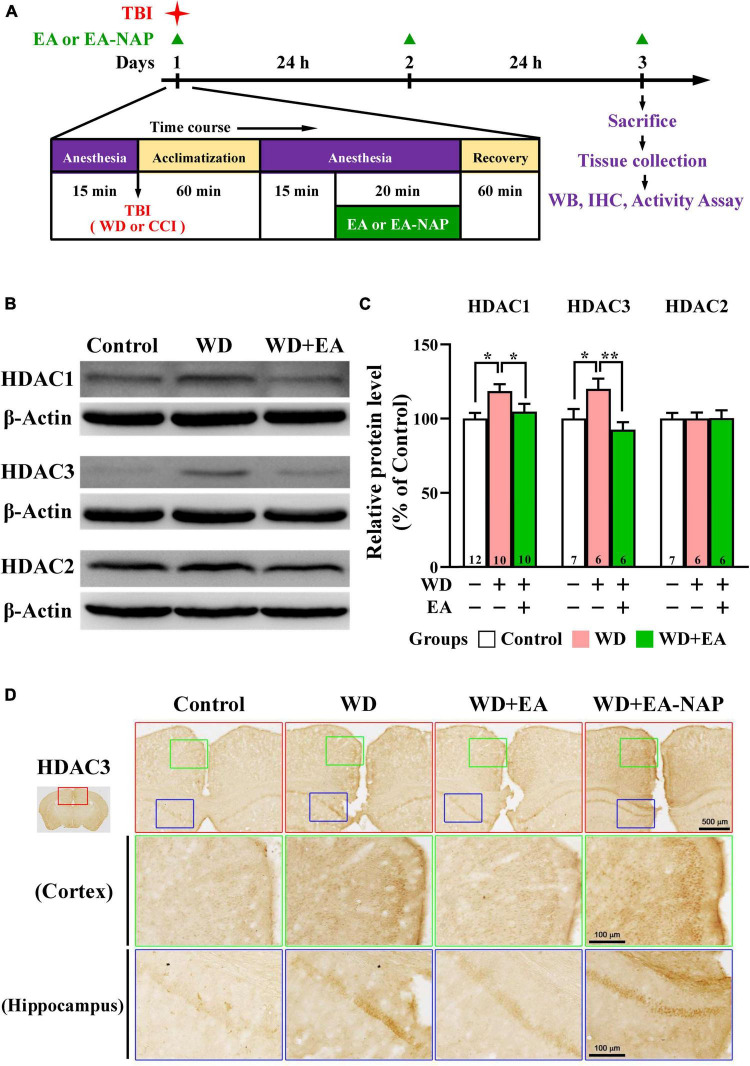
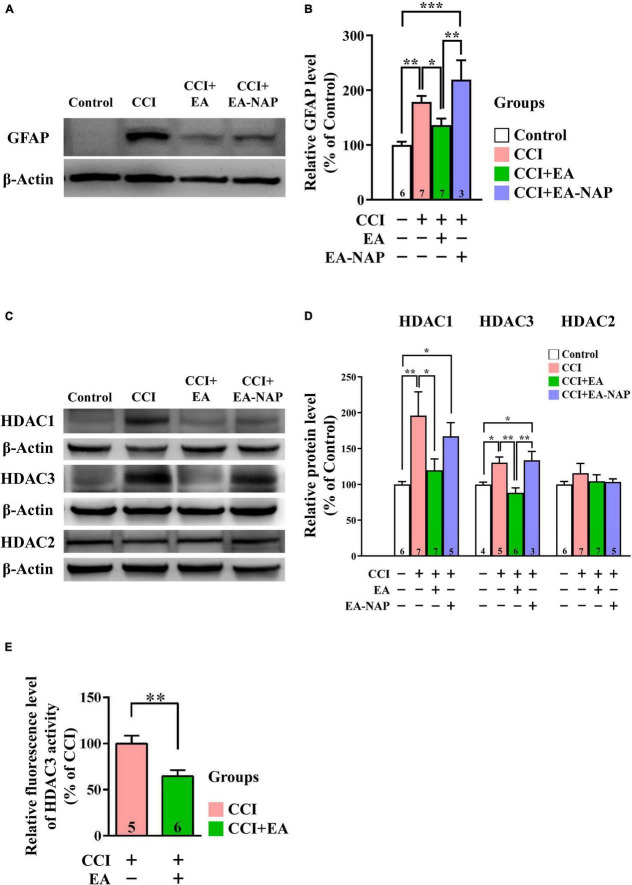
Both WD- and CCI-induced TBI caused behavioral dysfunction, increased cortical levels of HDAC1 and HDAC3 isoforms, activated microglia and astrocytes, and decreased cortical levels of BDNF as well as its downstream mediators phosphorylated-Akt and phosphorylated-GSK-3β. Application of EA reversed motor, sensorimotor, and learning/memory deficits. EA also restored overexpression of HDAC1 and HDAC3, and recovered downregulation of BDNF-associated signaling in the cortex of TBI mice.
The results strongly suggest that acupuncture has multiple benefits against TBI-associated adverse behavioral and biochemical effects and that the underlying mechanisms are likely mediated by targeting HDAC overexpression and aberrant BDNF-associated Akt/GSK-3 signaling.
针刺或电针似乎是急性临床创伤性脑损伤(TBI)的一种潜在治疗方法;然而,针刺是否会影响TBI后的组蛋白去乙酰化酶(HDAC)表达或影响其他生化/神经生物学事件仍不确定。
我们使用行为测试、蛋白质免疫印迹法和免疫组织化学分析,来评估电针双侧合谷穴(LI4)和曲池穴(LI11)对重物坠落撞击加速(WD)和控制性皮质撞击(CCI)诱导的TBI模型的细胞和分子影响。
WD和CCI诱导的TBI均导致行为功能障碍,增加皮质HDAC1和HDAC3亚型水平,激活小胶质细胞和星形胶质细胞,并降低皮质脑源性神经营养因子(BDNF)水平及其下游介质磷酸化Akt和磷酸化糖原合成酶激酶3β(phosphorylated-GSK-3β)水平。电针治疗可逆转运动、感觉运动以及学习/记忆缺陷。电针还可恢复HDAC1和HDAC3的过表达,并恢复TBI小鼠皮质中BDNF相关信号的下调。
结果强烈表明,针刺对TBI相关的不良行为和生化影响具有多种益处,其潜在机制可能是通过靶向HDAC过表达和异常的BDNF相关Akt/GSK-3信号传导介导的。