Department of Anesthesiology, The First Hospital of Jilin University, Changchun, China.
Laboratory of Chemical Biology, Changchun Institute of Applied Chemistry, Chinese Academy of Sciences, Changchun, China.
Front Immunol. 2022 Aug 10;13:929222. doi: 10.3389/fimmu.2022.929222. eCollection 2022.
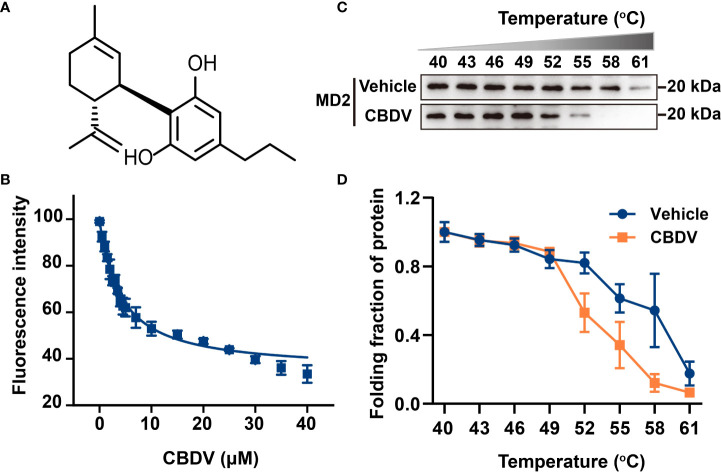
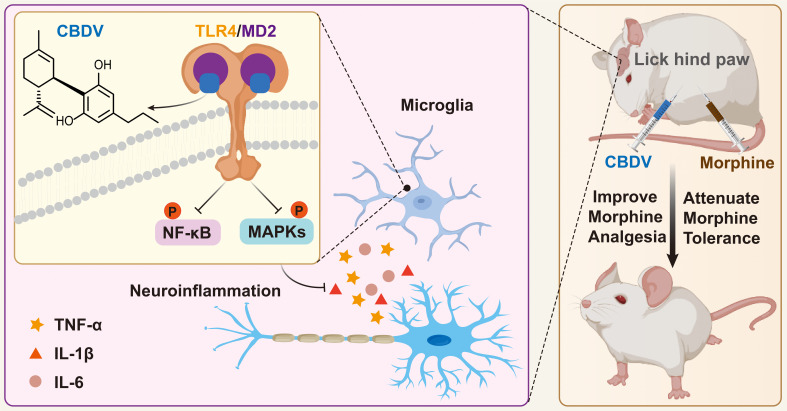
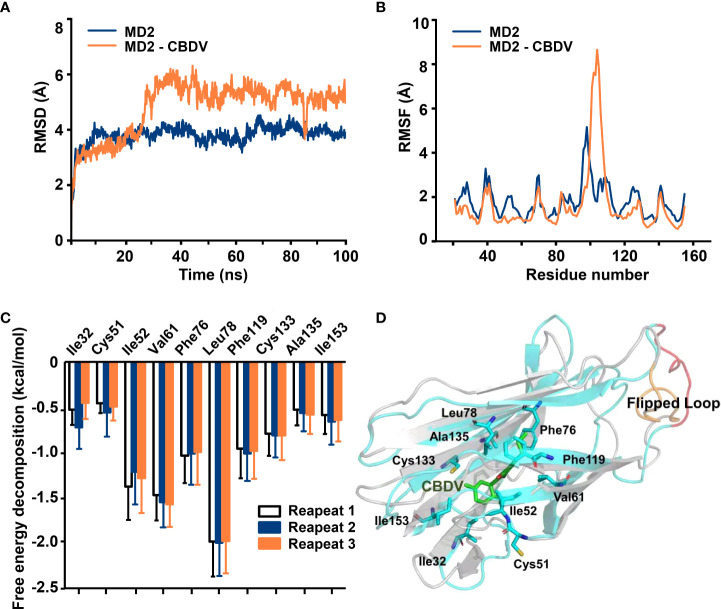
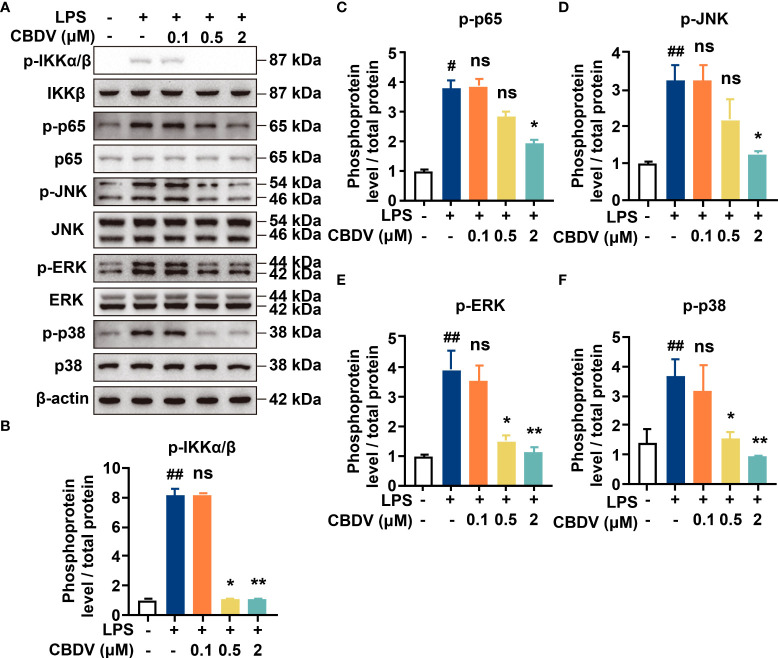
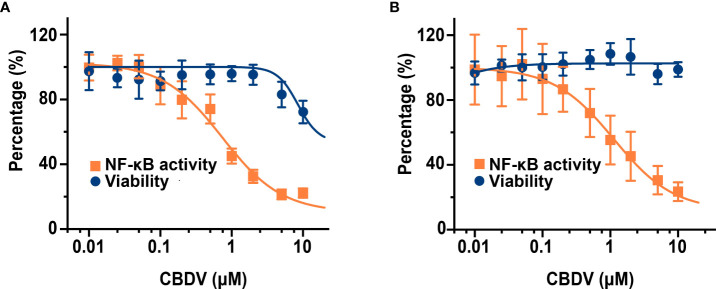
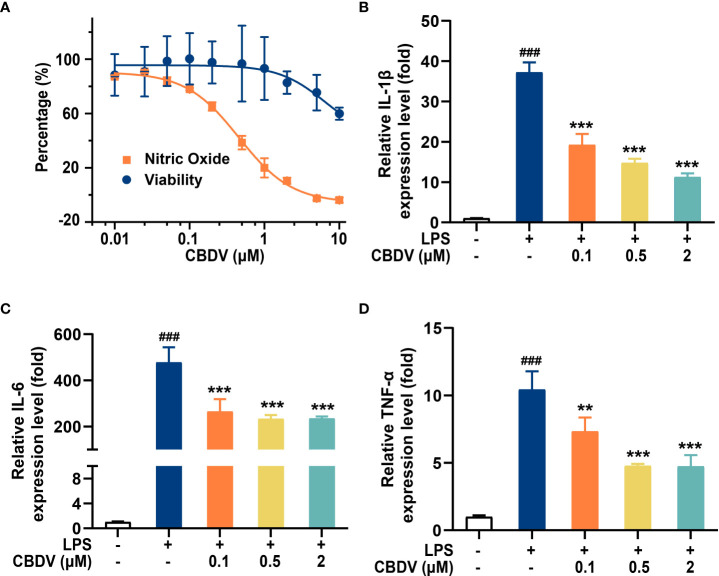
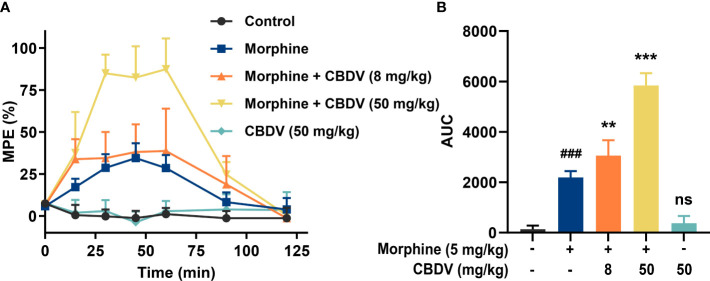
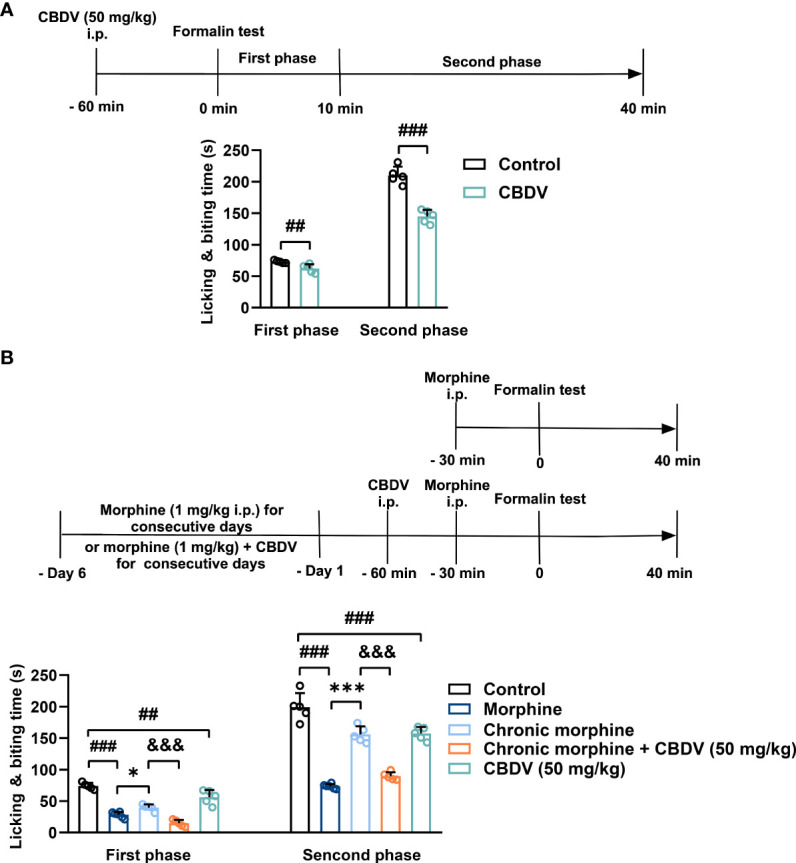
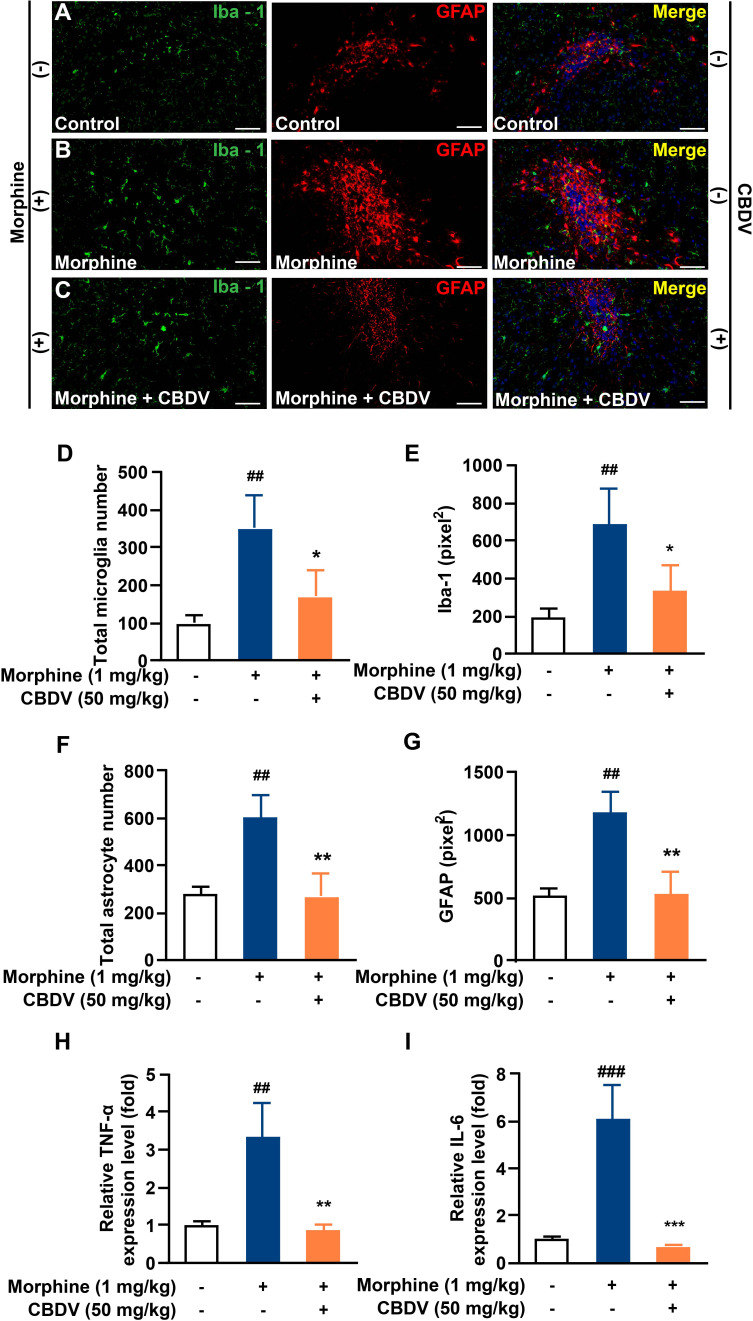
Toll-like receptor 4 (TLR4) is a pattern-recognition receptor (PRR) that regulates the activation of immune cells, which is a target for treating inflammation. In this study, Cannabidivarin (CBDV), an active component of Cannabis, was identified as an antagonist of TLR4. , intrinsic protein fluorescence titrations revealed that CBDV directly bound to TLR4 co-receptor myeloid differentiation protein 2 (MD2). Cellular thermal shift assay (CETSA) showed that CBDV binding decreased MD2 stability, which is consistent with simulations that CBDV binding increased the flexibility of the internal loop of MD2. Moreover, CBDV was found to restrain LPS-induced activation of TLR4 signaling axes of NF-κB and MAPKs, therefore blocking LPS-induced pro-inflammatory factors NO, IL-1β, IL-6 and TNF-α. Hot plate test showed that CBDV potentiated morphine-induced antinociception. Furthermore, CBDV attenuated morphine analgesic tolerance as measured by the formalin test by specifically inhibiting chronic morphine-induced glial activation and pro-inflammatory factors expression in the nucleus accumbent. This study confirms that MD2 is a direct binding target of CBDV for the anti-neuroinflammatory effect and implies that CBDV has great translational potential in pain management.
Toll 样受体 4(TLR4)是一种模式识别受体(PRR),可调节免疫细胞的激活,是治疗炎症的靶点。在这项研究中,大麻的一种活性成分大麻二酚(CBDV)被鉴定为 TLR4 的拮抗剂。 ,内在蛋白荧光滴定表明 CBDV 直接与 TLR4 共受体髓样分化蛋白 2(MD2)结合。细胞热转移分析(CETSA)表明 CBDV 结合降低了 MD2 的稳定性,这与模拟 CBDV 结合增加了 MD2 内环的灵活性一致。此外,发现 CBDV 可抑制 LPS 诱导的 TLR4 信号通路 NF-κB 和 MAPKs 的激活,从而阻断 LPS 诱导的促炎因子 NO、IL-1β、IL-6 和 TNF-α的产生。热板试验表明 CBDV 增强了吗啡诱导的镇痛作用。此外,CBDV 通过特异性抑制慢性吗啡诱导的伏核中神经胶质细胞激活和促炎因子的表达,减弱了甲醛试验中吗啡镇痛耐受。这项研究证实 MD2 是 CBDV 发挥抗炎作用的直接结合靶点,并暗示 CBDV 在疼痛管理中有很大的转化潜力。