Caradonna Salvatore G, Paul Matthew R, Marrocco Jordan
Laboratory of Neuroendocrinology, The Rockefeller University, New York, NY, USA.
Bioinformatics Resource Center, The Rockefeller University, New York, NY, USA.
Neurobiol Stress. 2022 Aug 4;20:100475. doi: 10.1016/j.ynstr.2022.100475. eCollection 2022 Sep.
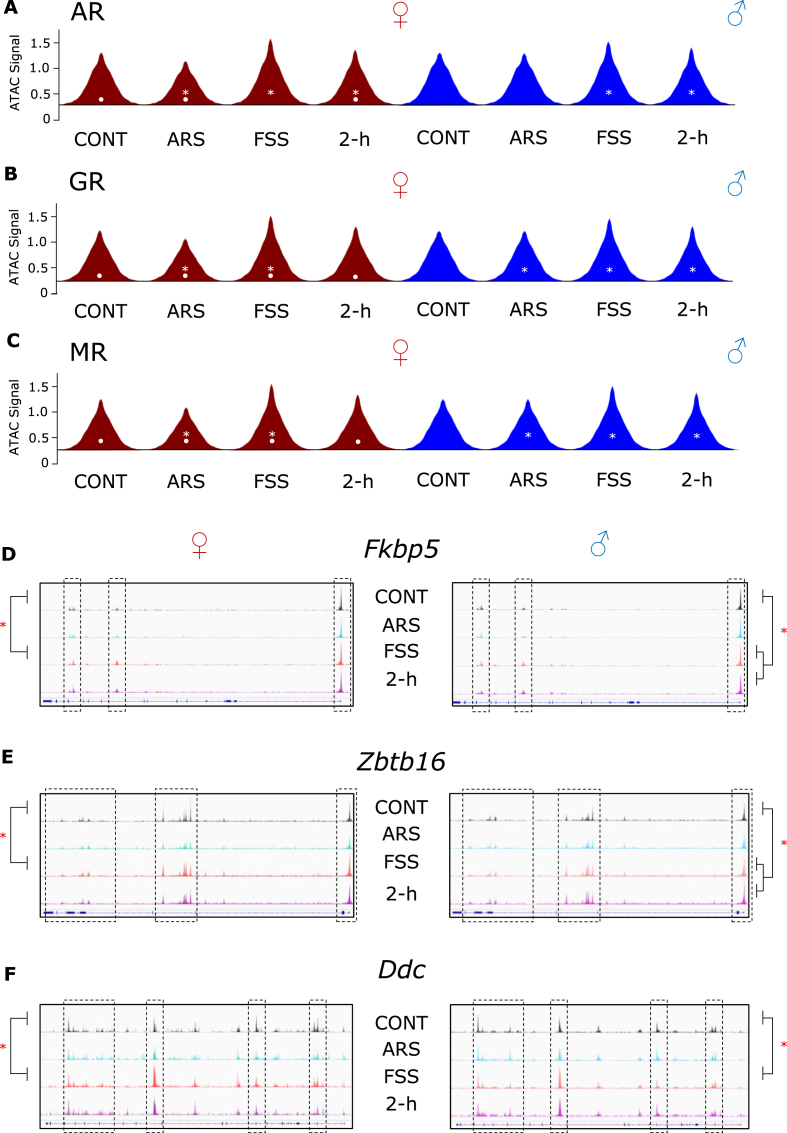
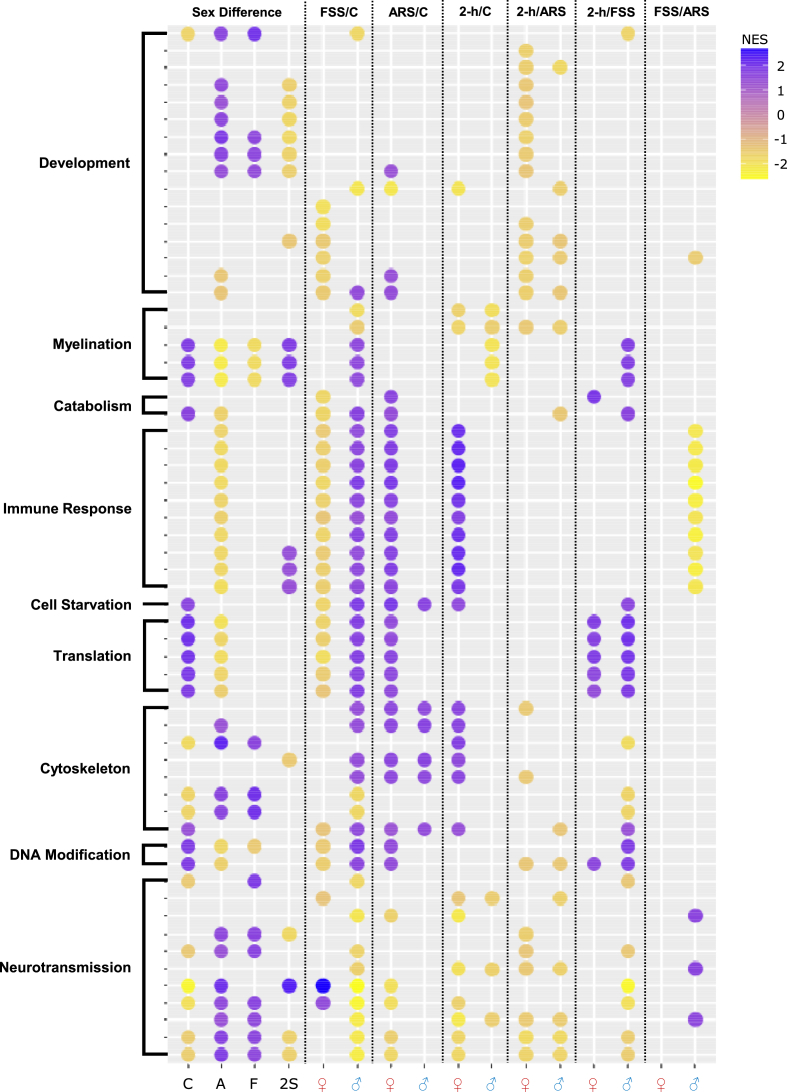
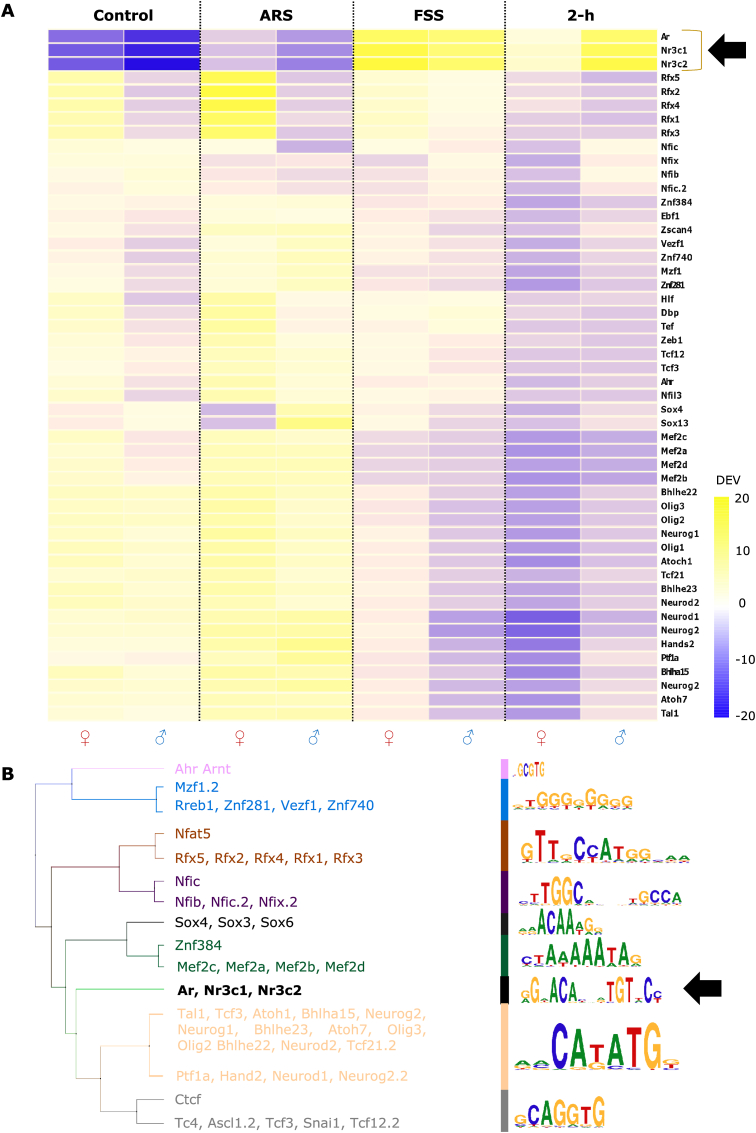
Stress induces allostatic responses, whose limits depend on genetic background and the nature of the challenges. Allostatic load reflects the cumulation of these reponses over the course of life. Acute stress is usually associated with adaptive responses, although, depending on the intensity of the stress and individual differences , some may experience maladaptive coping that persists through life and may influence subsequent responses to stressful events, as is the case of post-traumatic stress disorder. We investigated the behavioral traits and epigenetic signatures in a double-hit mouse model of acute stress in which heterotypic stressors (acute swim stress and acute restraint stress) were applied within a 7-day interval period. The ventral hippocampus was isolated to study the footprints of chromatin accessibility driven by exposure to double-hit stress. Using ATAC sequencing to determine regions of open chromatin, we showed that depending on the number of acute stressors, several gene sets related to development, immune function, cell starvation, translation, the cytoskeleton, and DNA modification were reprogrammed in both males and females. Chromatin accessibility for transcription factor binding sites showed that stress altered the accessibility for androgen, glucocorticoid, and mineralocorticoid receptor binding sites (AREs/GREs) at the genome-wide level, with double-hit stressed mice displaying a profile unique from either single hit of acute stress. The investigation of AREs/GREs adjacent to gene coding regions revealed several stress-related genes, including and , whose chromatin accessibility was affected by prior exposure to stress. These data demonstrate that acute stress is not truly acute because it induces allostatic signatures that persist in the epigenome and may manifest when a second challenge hits later in life.
应激会引发适应性负荷反应,其限度取决于基因背景和挑战的性质。适应性负荷反映了这些反应在生命过程中的累积。急性应激通常与适应性反应相关,不过,根据应激强度和个体差异,有些人可能会经历适应不良的应对方式,这种方式会持续一生,并可能影响后续对应激事件的反应,创伤后应激障碍就是如此。我们在急性应激的双打击小鼠模型中研究了行为特征和表观遗传特征,在该模型中,异型应激源(急性游泳应激和急性束缚应激)在7天的间隔期内施加。分离腹侧海马体以研究由双打击应激暴露驱动的染色质可及性印记。使用ATAC测序来确定开放染色质区域,我们发现,根据急性应激源的数量,与发育、免疫功能、细胞饥饿、翻译、细胞骨架和DNA修饰相关的几个基因集在雄性和雌性小鼠中都被重新编程。转录因子结合位点的染色质可及性表明,应激在全基因组水平上改变了雄激素、糖皮质激素和盐皮质激素受体结合位点(AREs/GREs)的可及性,双打击应激小鼠表现出一种与单次急性应激打击均不同的独特图谱。对基因编码区域附近的AREs/GREs进行研究发现了几个与应激相关的基因,包括[具体基因1]和[具体基因2],其染色质可及性受到先前应激暴露的影响。这些数据表明,急性应激并非真正的急性,因为它会诱导在表观基因组中持续存在的适应性负荷印记,并且可能在生命后期遭遇第二次挑战时显现出来。