Chava Neha S, Fortier Luc M, Verma Neil, Khan Zeeshan, Kerzner Benjamin, Dasari Suhas P, Bedi Asheesh, Verma Nikhil N
Department of Orthopaedic Surgery, Sports Medicine Division, Rush University Medical Center, Chicago, Illinois.
Department of Orthopaedic Surgery, Sports Medicine Division, MedSport, University of Michigan, Ann Arbor, Michigan, U.S.A.
Arthrosc Sports Med Rehabil. 2022 Jun 30;4(4):e1457-e1464. doi: 10.1016/j.asmr.2022.05.005. eCollection 2022 Aug.
To determine whether patients insured through Medicaid exhibit differences in patient-reported outcomes, return to sport rates, and reinjury and reoperation metrics after anterior cruciate ligament (ACL) reconstruction compared with patients insured with private insurance.
Patients insured through Medicaid who had undergone a primary ACL reconstruction were identified and compared with a matched cohort of patients insured through private insurance with the same age and sex. Patients were contacted via telephone and emailed a questionnaire containing the International Knee Documentation Committee (IKDC) score, return to sport questions, and reinjury and reoperation metrics. Physical therapy (PT) notes were also reviewed to determine number of PT visits attended and distance from patients' home address to PT facility.
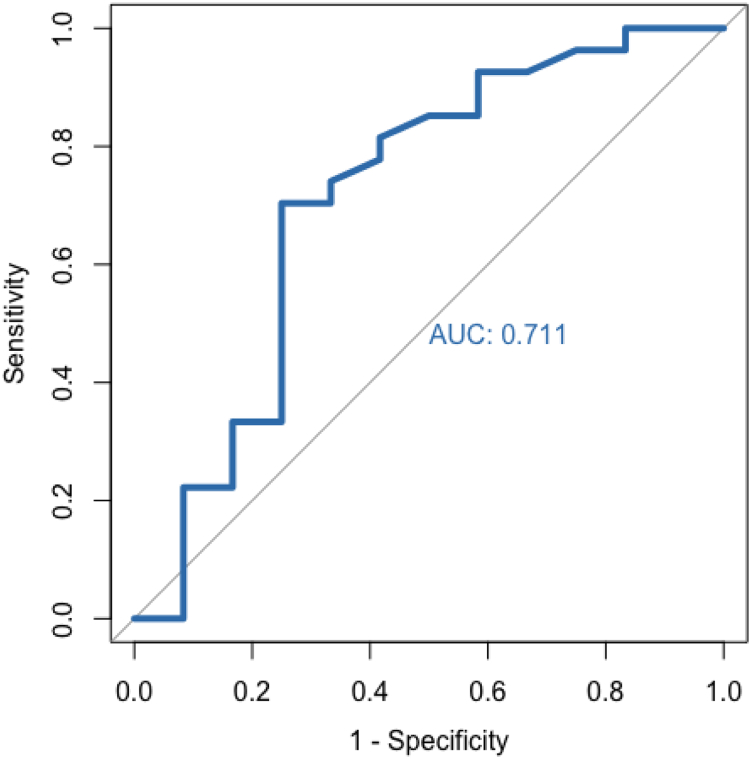
A total of 26 patients insured through Medicaid and 25 insured through private insurance were enrolled in this study. The 2 groups demonstrated no statistically significant differences in age, body mass index, or sex. There were no differences in preoperative meniscus injuries or concomitant meniscus repair or meniscectomy procedures between the 2 groups. There were no differences in preoperative IKDC scores; however, the Medicaid group demonstrated a significantly lower postoperative IKDC score (74.7 vs 90.5; = .005). Patients insured through Medicaid also demonstrated a significantly lower rate of return to sport and attended significantly fewer PT visits following surgery. There were no significant differences in reinjury or reoperation to the index knee between the 2 groups. The threshold number of PT visits for return to sport was determined to be 31.5 visits. Within the private insurance cohort, 17 of 23 patients (73.9%) exceeded this threshold. However, in the Medicaid cohort, 5 of 18 patients (27.8%) exceeded this threshold.
Patients with Medicaid insurance undergoing ACL reconstruction had lower postoperative IKDC scores and were less likely overall to return to sport than their private insurance counterparts at final follow-up in this study. Preoperative IKDC scores, incidence of preoperative meniscus injury, number of concomitant meniscus procedures, average distance from home to PT facility, return to same level of sport, and reinjury and reoperation rate were similar between groups. However, the number of postoperative PT sessions attended by patients insured through Medicaid was significantly lower than private insurance patients.
III, retrospective comparative study.
确定与购买私人保险的患者相比,通过医疗补助计划参保的患者在接受前交叉韧带(ACL)重建术后,患者报告的结果、恢复运动率以及再次受伤和再次手术指标方面是否存在差异。
确定接受初次ACL重建手术且通过医疗补助计划参保的患者,并与年龄和性别相同、通过私人保险参保的匹配队列患者进行比较。通过电话联系患者,并通过电子邮件向他们发送一份问卷,其中包含国际膝关节文献委员会(IKDC)评分、恢复运动相关问题以及再次受伤和再次手术指标。还查阅了物理治疗(PT)记录,以确定患者接受PT治疗的次数以及患者家庭住址与PT治疗机构之间的距离。
本研究共纳入了26名通过医疗补助计划参保的患者和25名通过私人保险参保的患者。两组在年龄、体重指数或性别方面无统计学显著差异。两组在术前半月板损伤情况、是否同时进行半月板修复或半月板切除术方面也无差异。术前IKDC评分无差异;然而,医疗补助计划组术后IKDC评分显著更低(74.7对90.5;P = 0.005)。通过医疗补助计划参保的患者恢复运动的比例也显著更低,且术后接受PT治疗的次数明显更少。两组在索引膝关节再次受伤或再次手术方面无显著差异。恢复运动所需的PT治疗次数阈值确定为31.5次。在私人保险队列中,23名患者中有17名(73.9%)超过了这个阈值。然而,在医疗补助计划队列中,18名患者中有5名(27.8%)超过了这个阈值。
在本研究的最终随访中,接受ACL重建手术的医疗补助计划参保患者术后IKDC评分更低,总体上比购买私人保险的患者恢复运动的可能性更小。两组在术前IKDC评分、术前半月板损伤发生率、同时进行的半月板手术数量、从家到PT治疗机构的平均距离、恢复到相同运动水平以及再次受伤和再次手术率方面相似。然而,通过医疗补助计划参保的患者术后接受PT治疗的次数显著低于购买私人保险的患者。
III级,回顾性比较研究。