Hirono Keiichi, Ichida Fukiko
Department of Pediatrics, Graduate School of Medicine, University of Toyama, Toyama, Japan.
Department of Pediatrics, International University of Health and Welfare, Tokyo, Japan.
Cardiovasc Diagn Ther. 2022 Aug;12(4):495-515. doi: 10.21037/cdt-22-198.
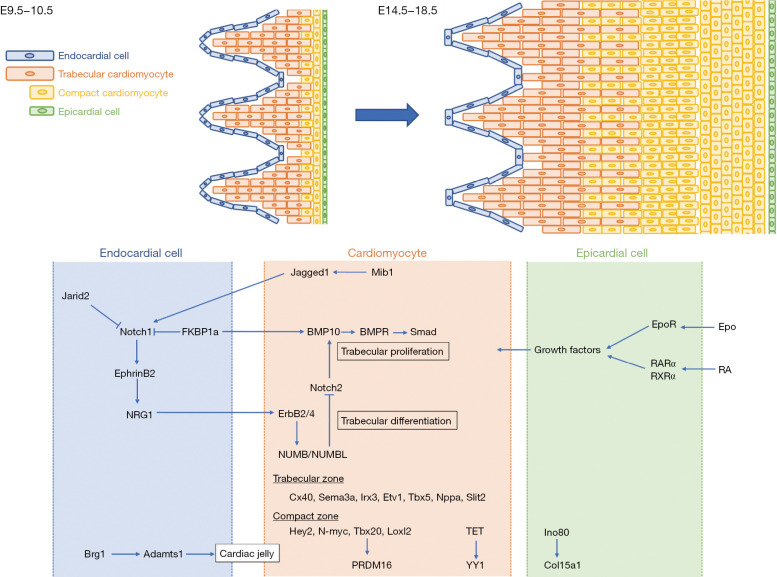
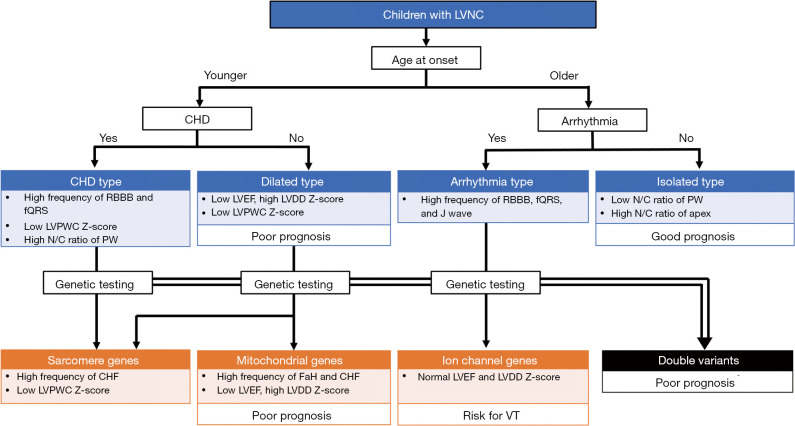
Left ventricular noncompaction (LVNC) is a cardiomyopathy characterized by excessive trabecular formation and deep recesses in the ventricular wall, with a bilaminar structure consisting of an endocardial noncompaction layer and an epicardial compacted layer. Although genetic variants have been reported in patients with LVNC, understanding of LVNC and its pathogenesis has not yet been fully elucidated. We addressed the latest findings on genes reported to be associated with LVNC morphogenesis and possible pathologies to understand the diverse spectrum between genotype and phenotype in LVNC. Also, the latest findings and issues related to the diagnosis of LVNC were summarized.
This article is written as a commentary narrative review and will provide an update on the current literature and available data on common forms of LVNC published in the past 30 years in English through to May 2022 using PubMed.
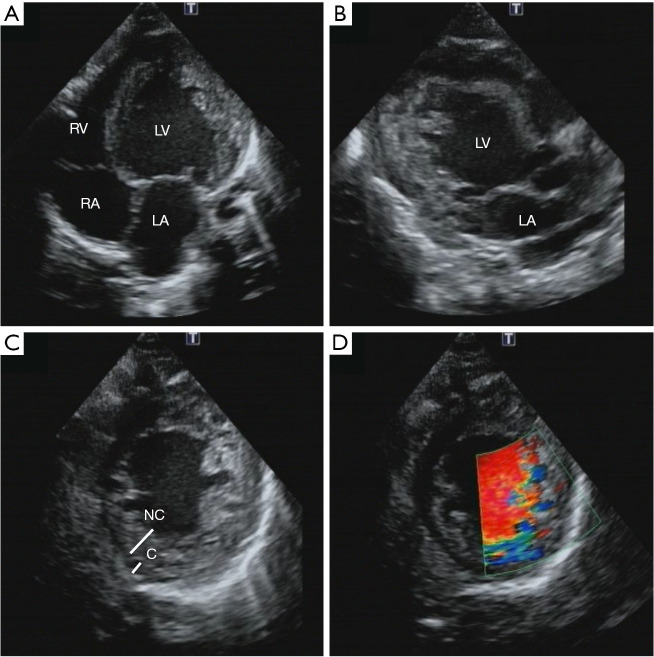
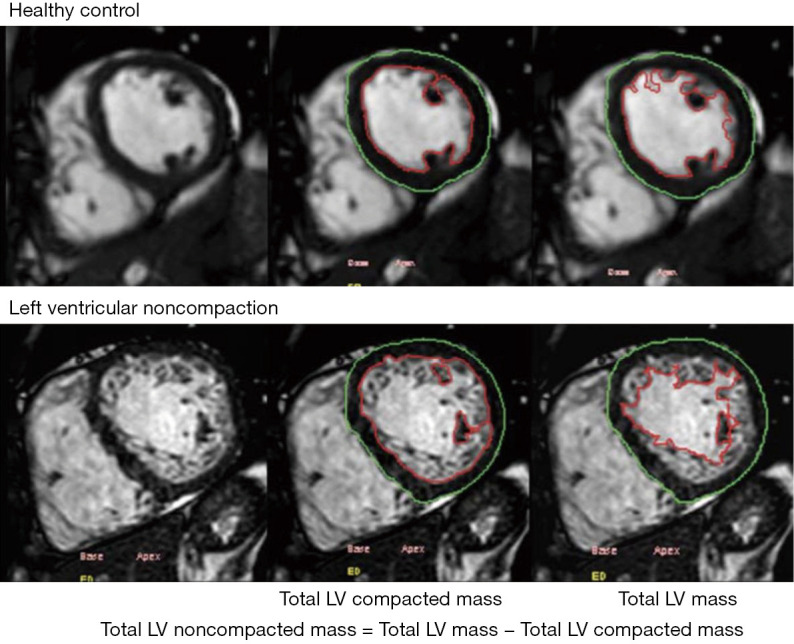
Familial forms of LVNC are frequent, and autosomal dominant mode of inheritance has been predominantly observed. Several of the candidate causative genes are also mutated in other cardiomyopathies, suggesting a possible shared molecular and/or cellular etiology. The most common gene functions were sarcomere function whereas genes in mice LVNC models were involved in heart development. Echocardiography and cardiac magnetic resonance imaging (CMR) are useful for diagnosis although there are no unified criteria due to overdiagnosis of imaging, poor consistency between techniques, and lack of association between trabecular severity and adverse clinical outcomes.
This review reflects the current lack of clarity regarding the pathogenesis and significance of LVNC and showed the complexity of imaging diagnostic criteria, interpretation of the role of LVNC as a cause, and uncertainty regarding the specific genetic basis of LVNC.
左心室心肌致密化不全(LVNC)是一种心肌病,其特征为小梁过度形成以及心室壁内深陷,具有由心内膜非致密层和心外膜致密层组成的双层结构。尽管已报道LVNC患者存在基因变异,但对LVNC及其发病机制的了解尚未完全阐明。我们阐述了与LVNC形态发生和可能的病理相关的基因的最新发现,以了解LVNC基因型和表型之间的多样谱。此外,还总结了与LVNC诊断相关的最新发现和问题。
本文以评论性叙述综述形式撰写,将通过PubMed提供截至2022年5月过去30年以英文发表的关于常见形式LVNC的当前文献和现有数据的最新情况。
家族性LVNC形式较为常见,主要观察到常染色体显性遗传模式。一些候选致病基因在其他心肌病中也发生突变,提示可能存在共同的分子和/或细胞病因。最常见的基因功能是肌节功能,而小鼠LVNC模型中的基因参与心脏发育。超声心动图和心脏磁共振成像(CMR)对诊断有用,尽管由于成像过度诊断、技术间一致性差以及小梁严重程度与不良临床结局缺乏关联而没有统一标准。
本综述反映了目前对LVNC发病机制和意义缺乏明确认识,显示了成像诊断标准的复杂性、LVNC作为病因的作用解读以及LVNC具体遗传基础的不确定性。