Bhagat Anchit, Shrestha Pradeep, Jeyabal Prince, Peng Zhanglong, Watowich Stephanie S, Kleinerman Eugenie S
Department of Pediatrics, The University of Texas MD Anderson Cancer Center, Houston, TX, United States.
Department of Immunology, The University of Texas MD Anderson Cancer Center, Houston, TX, United States.
Front Oncol. 2022 Aug 10;12:947604. doi: 10.3389/fonc.2022.947604. eCollection 2022.
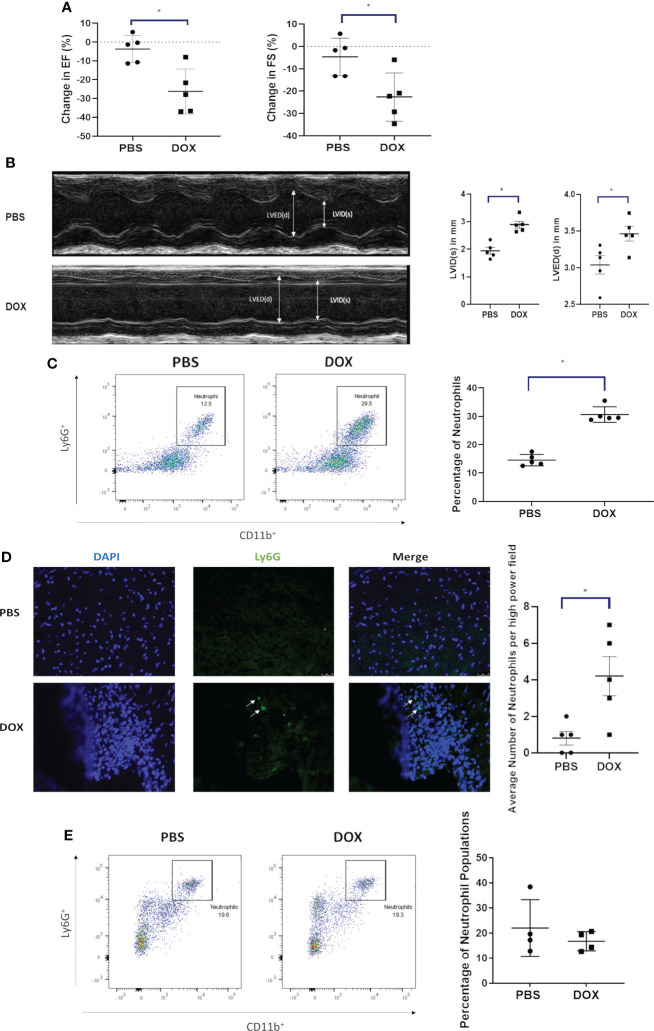
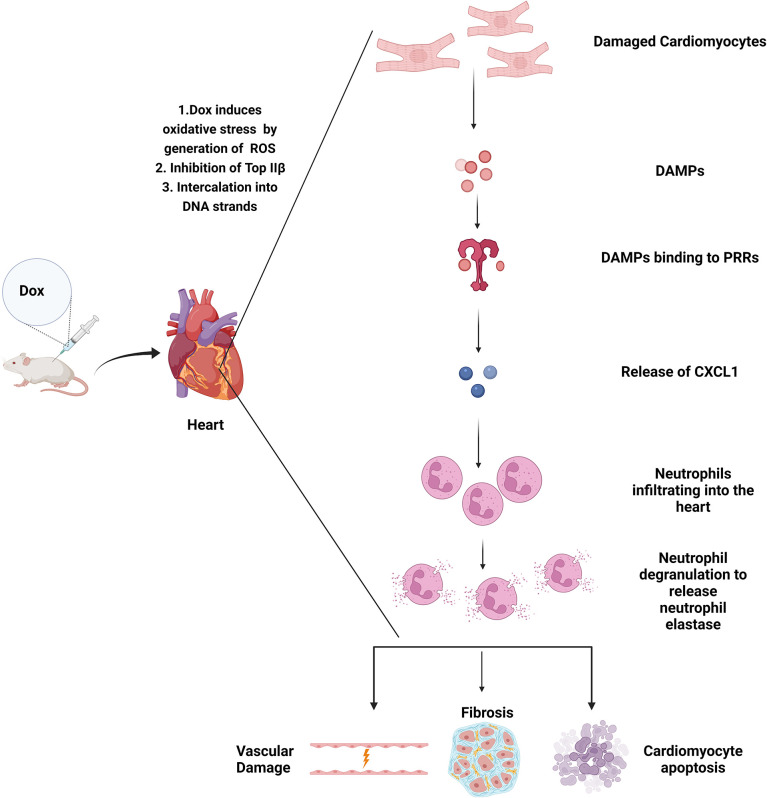
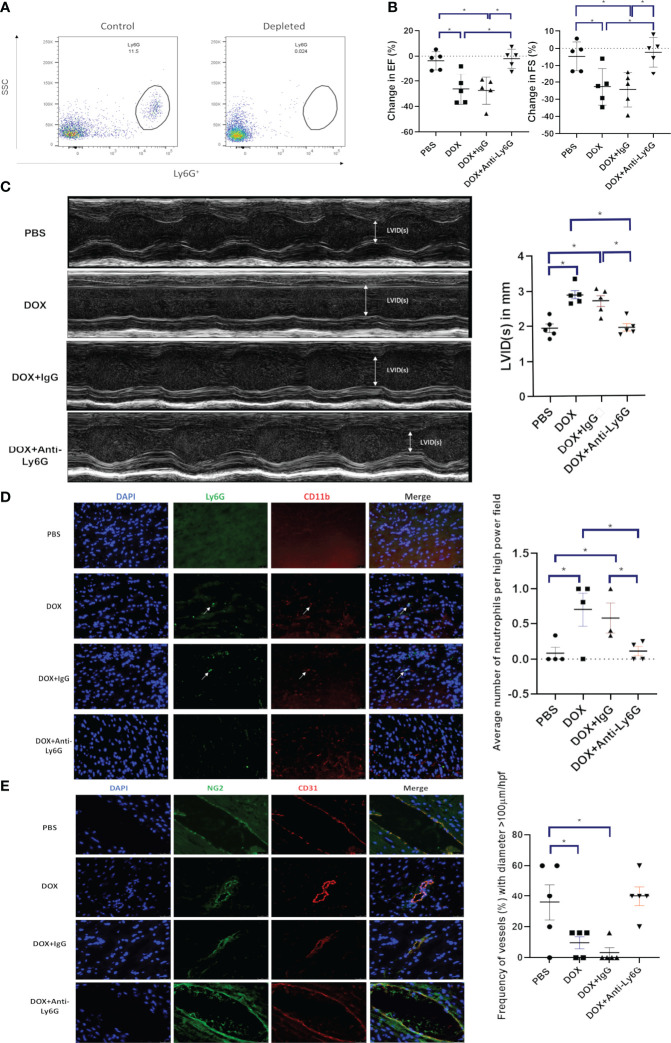
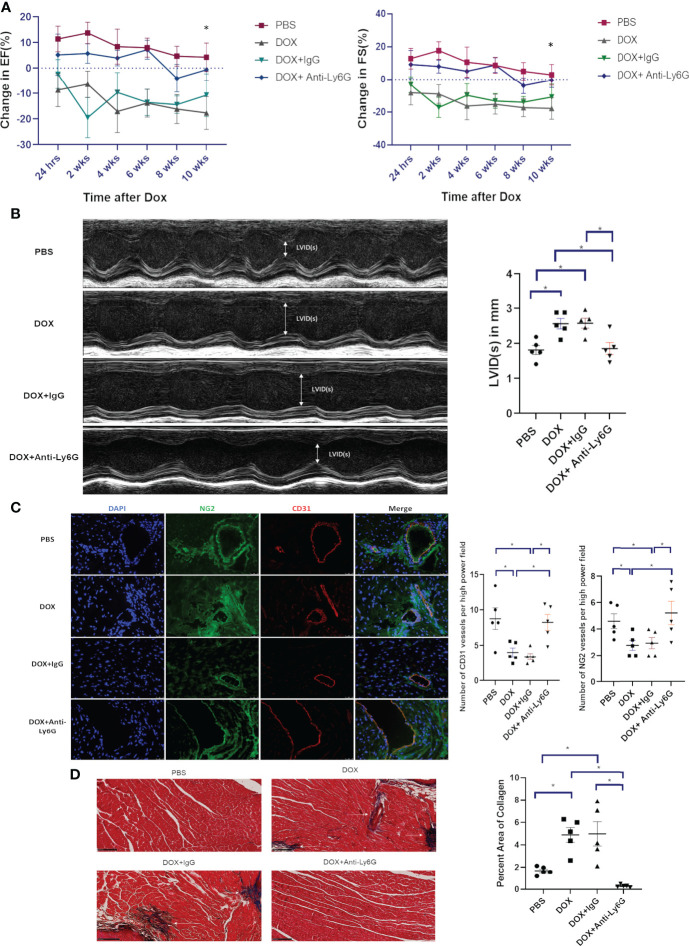
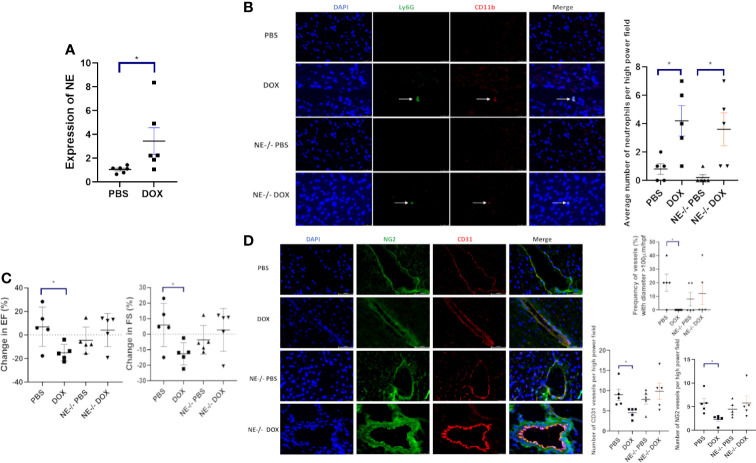
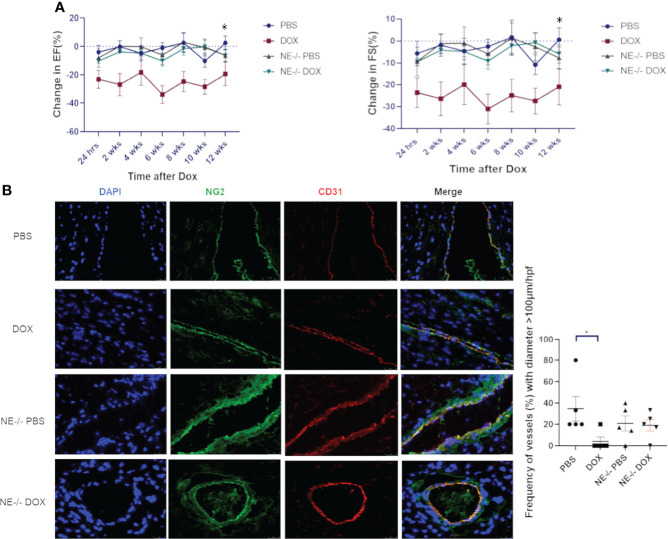
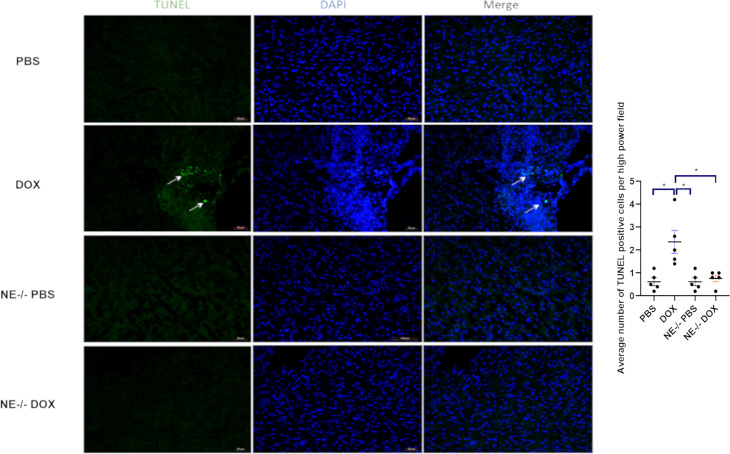
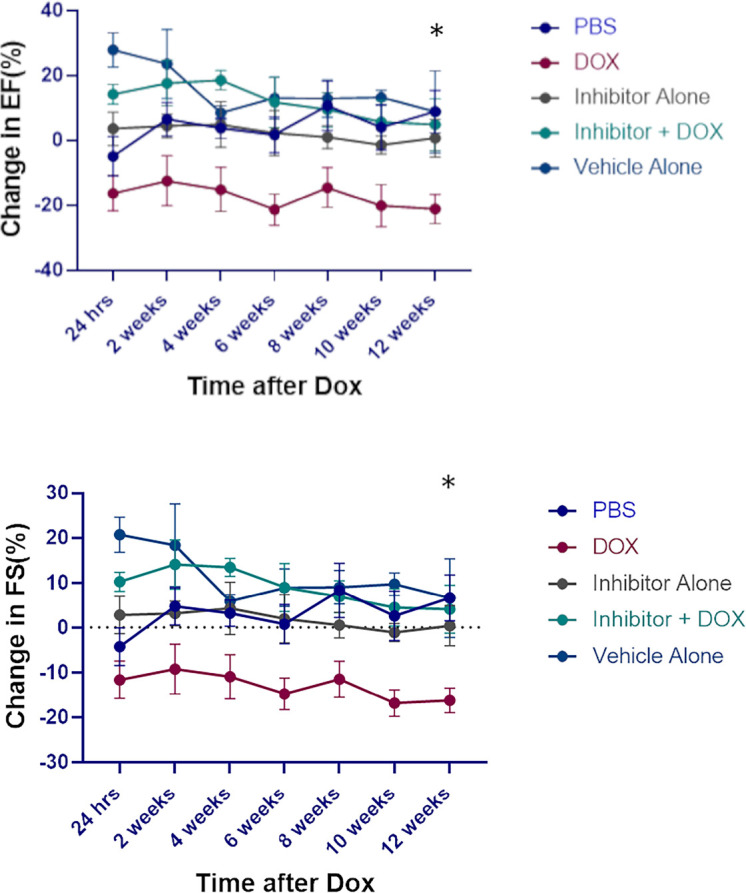
The mechanisms by which Doxorubicin (Dox) causes acute and late cardiotoxicity are not completely understood. One understudied area is the innate immune response, and in particular the role of neutrophils in Dox-induced cardiotoxicity. Here, using echocardiography, flow cytometry and immunofluorescence staining, we demonstrated increased infiltration of neutrophils that correlated with decreased heart function, disruption of vascular structures and increased collagen deposition in the heart after Dox treatment. Depleting neutrophils protected the heart from Dox-induced cardiotoxicity and changes in vascular structure. Furthermore, our data using neutrophil elastase (NE) knock-out mice and the NE inhibitor AZD9668 suggest that neutrophils cause this damage by releasing NE and that inhibiting NE can prevent Dox-induced cardiotoxicity. This work shows the role of neutrophils and NE in Doxorubicin-induced cardiotoxicity for the first time and suggests a new possible therapeutic intervention.
阿霉素(Dox)导致急性和晚期心脏毒性的机制尚未完全明确。一个研究较少的领域是先天性免疫反应,尤其是中性粒细胞在阿霉素诱导的心脏毒性中的作用。在此,我们通过超声心动图、流式细胞术和免疫荧光染色,证明阿霉素治疗后中性粒细胞浸润增加,这与心脏功能下降、血管结构破坏以及心脏中胶原沉积增加相关。清除中性粒细胞可保护心脏免受阿霉素诱导的心脏毒性以及血管结构变化的影响。此外,我们使用中性粒细胞弹性蛋白酶(NE)基因敲除小鼠和NE抑制剂AZD9668的数据表明,中性粒细胞通过释放NE造成这种损伤,并且抑制NE可预防阿霉素诱导的心脏毒性。这项工作首次揭示了中性粒细胞和NE在阿霉素诱导的心脏毒性中的作用,并提出了一种新的可能的治疗干预措施。