Laboratory for Radiobiology and Molecular Genetics, Vinča Institute of Nuclear Sciences - National Institute of the Republic of Serbia, University of Belgrade, Belgrade, Serbia.
Laboratory for Radiobiology and Molecular Genetics, Vinča Institute of Nuclear Sciences - National Institute of the Republic of Serbia, University of Belgrade, Belgrade, Serbia; Department of Haematological Medicine, Division of Cancer Studies, Leukemia and Stem Cell Biology Team, King's College London, London, UK; Virocell Biologics Ltd, 12-18 Theobalds Road, London, UK.
Biomol Biomed. 2023 Feb 1;23(1):26-36. doi: 10.17305/bjbms.2022.7850.
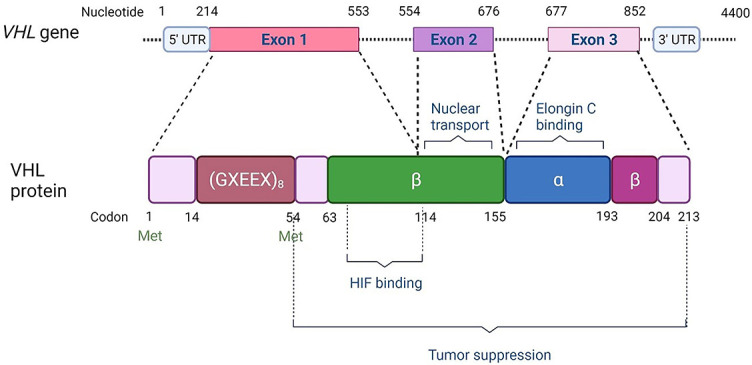
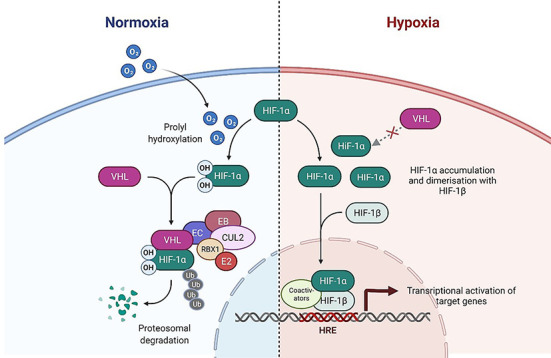
Papillary thyroid carcinoma (PTC) is the most common type of endocrine cancer, with an increasing incidence worldwide. The treatment of PTC is currently the subject of clinical controversy, making it critically important to identify molecular markers that would help improve the risk stratification of PTC patients and optimize the therapeutic approach. The VHL tumor suppressor gene has been implicated in tumorigenesis of various types of carcinoma and linked with their aggressive biological behavior. The role of VHL in the origin and development of PTC has only recently begun to be revealed. In this narrative review we attempt to summarize the existing knowledge that implicates VHL in PTC pathogenesis and to outline its potential significance as a candidate molecular biomarker for the grouping of PTC patients into high and low risk groups.
甲状腺乳头状癌 (PTC) 是最常见的内分泌癌,其发病率在全球范围内呈上升趋势。目前,PTC 的治疗是临床争议的主题,因此,确定有助于改善 PTC 患者风险分层并优化治疗方法的分子标志物至关重要。VHL 肿瘤抑制基因与各种类型的癌的肿瘤发生有关,并与它们具有侵袭性的生物学行为有关。VHL 在 PTC 起源和发展中的作用最近才开始被揭示。在本综述中,我们试图总结现有的知识,即 VHL 参与 PTC 的发病机制,并概述其作为候选分子生物标志物将 PTC 患者分为高风险和低风险组的潜在意义。