Yamaoka Kao, Uotsu Nobuo, Hoshino Eiichi
FANCL Corporation Research Institute, 12-13 Kamishinano, Totsuka-ku, Yokohama, Kanagawa, 244-0806, Japan.
Keio University Global Research Institute (KGRI), 2-15-45 Mita, Minato-ku, Tokyo, 108-8345, Japan.
Neurobiol Stress. 2022 Aug 12;20:100479. doi: 10.1016/j.ynstr.2022.100479. eCollection 2022 Sep.
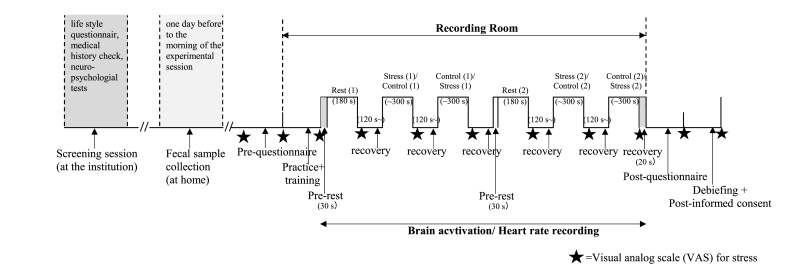
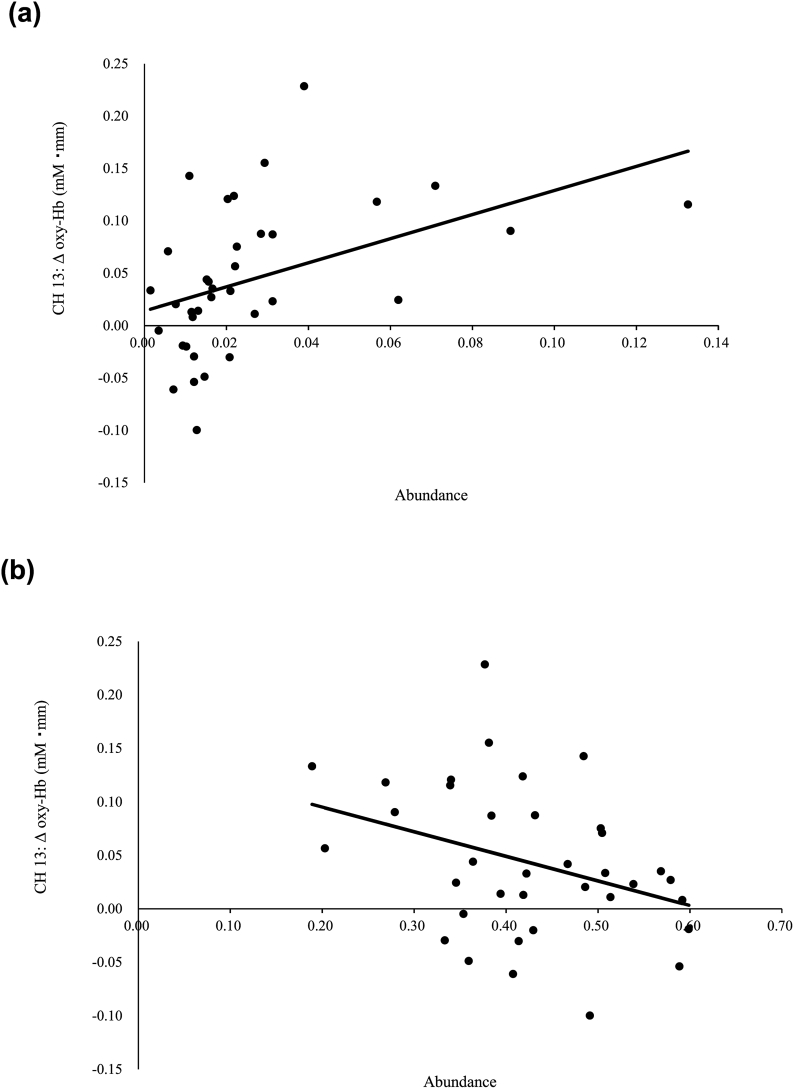
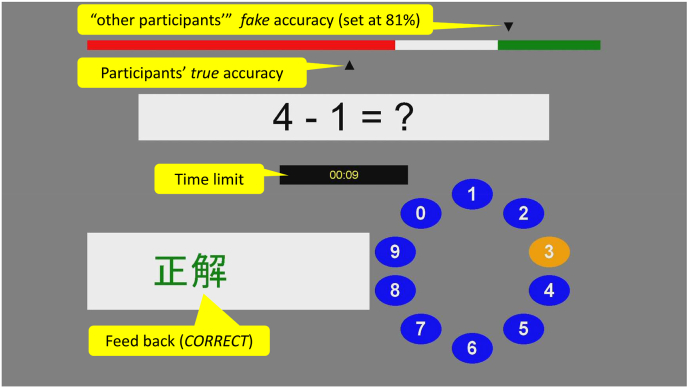
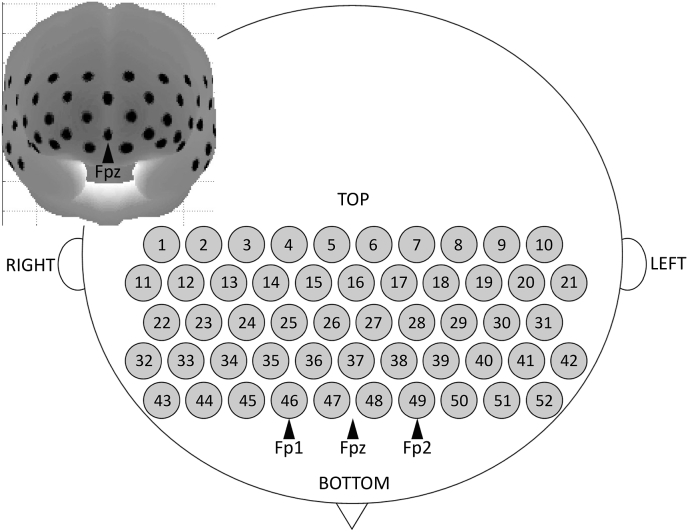
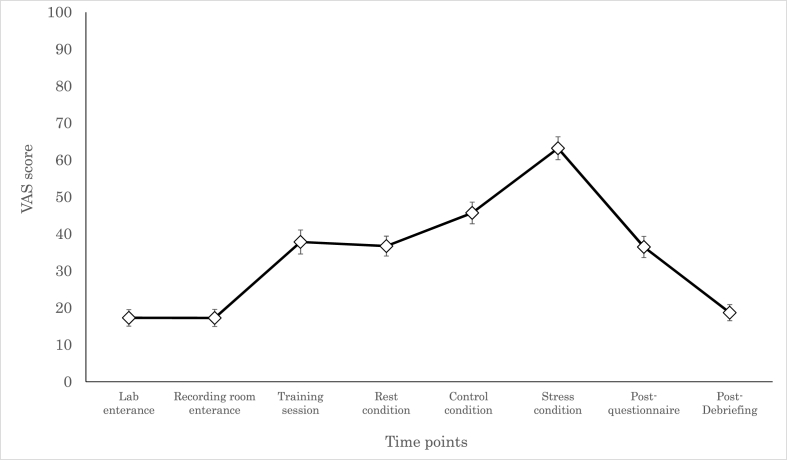
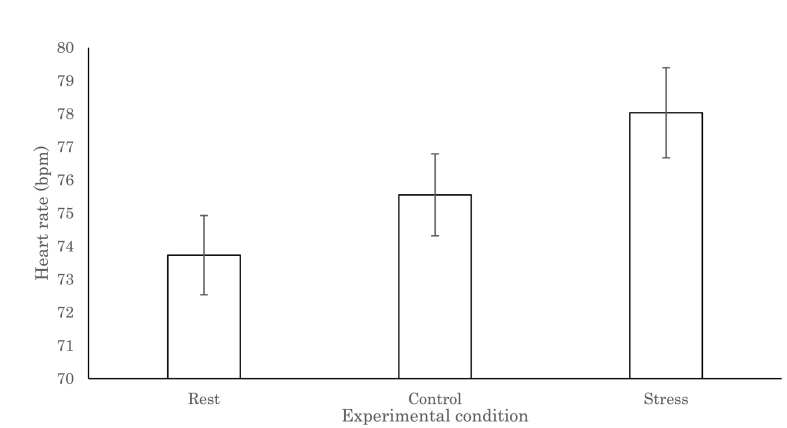
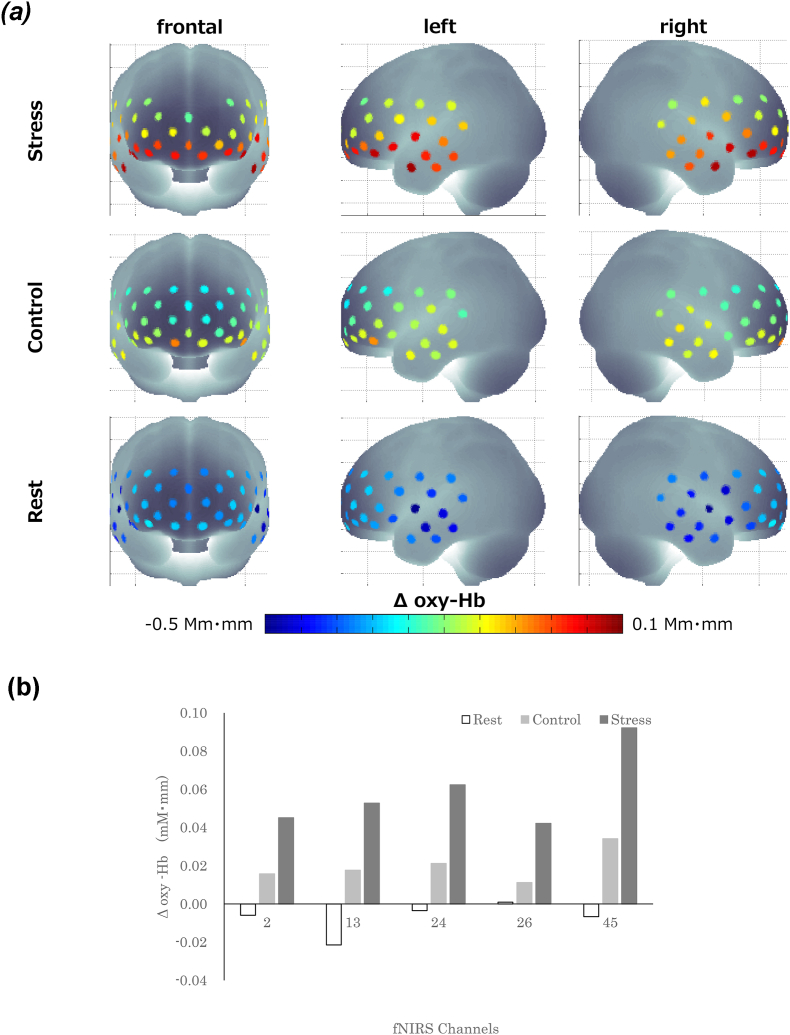
Brain and gut microbes communicate in a bidirectional manner with each affecting a person's response to psychosocial stress. Although human studies demonstrated that the intake of probiotics can alter stress-related behavior in both patients and healthy participants, the association between stress-related brain functions and the gut microbiota has mostly been investigated in patients with depression. However, the response to psychosocial stress differs, even among healthy individuals, and elucidating the natural state of the gut microbiota would broaden the understanding of responses to psychosocial stress. We investigated the relationship between psychosocial stress response in the prefrontal cortex and the abundance of gut microbes in healthy male participants. The participants were exposed to psychosocial stress during a task while brain activation data were recorded using functional near-infrared spectroscopy. The heart rate and subjective stress were recorded, and fecal samples were collected. The stressful condition was accompanied by high subjective stress, high heart rate, and higher prefrontal activation in the right pre-motor cortex/supplementary motor area, right dorsolateral prefrontal cortex, right frontal pole, and right inferior prefrontal gyrus. The psychosocial stress response in the prefrontal cortex was also associated with changes in the gut microbiota abundance. The abundance of , , , , and in healthy participants who had high psychosocial stress resembled that noted in patients with depression. These results suggest that the gut microbiota differs, among healthy participants, depending on the psychosocial stress response. We believe that this study is the first to report a direct relationship between brain function and the gut microbiota in healthy participants, and our findings would shed a new light on this field in the near future.
大脑和肠道微生物以双向方式进行交流,彼此都会影响一个人对心理社会压力的反应。尽管人体研究表明,摄入益生菌可以改变患者和健康参与者与压力相关的行为,但压力相关脑功能与肠道微生物群之间的关联大多是在抑郁症患者中进行研究的。然而,即使在健康个体中,对心理社会压力的反应也存在差异,阐明肠道微生物群的自然状态将拓宽我们对心理社会压力反应的理解。我们研究了健康男性参与者前额叶皮质的心理社会压力反应与肠道微生物丰度之间的关系。参与者在一项任务中暴露于心理社会压力下,同时使用功能近红外光谱记录大脑激活数据。记录心率和主观压力,并收集粪便样本。压力状态伴随着高主观压力、高心率,以及右侧运动前皮质/辅助运动区、右侧背外侧前额叶皮质(DLPFC)、右侧额极和右侧前额下回的前额叶激活增加。前额叶皮质的心理社会压力反应也与肠道微生物群丰度的变化有关。心理社会压力高的健康参与者中,[具体微生物名称1]、[具体微生物名称2]、[具体微生物名称3]、[具体微生物名称4]和[具体微生物名称5]的丰度与抑郁症患者中观察到的相似。这些结果表明,在健康参与者中,肠道微生物群因心理社会压力反应而异。我们相信,这项研究首次报道了健康参与者大脑功能与肠道微生物群之间的直接关系,我们的发现将在不久的将来为该领域带来新的启示。