Cellular Oncology Group and.
Neuroscience Area, Biodonostia Health Research Institute, San Sebastian, Spain.
JCI Insight. 2022 Oct 10;7(19):e159357. doi: 10.1172/jci.insight.159357.
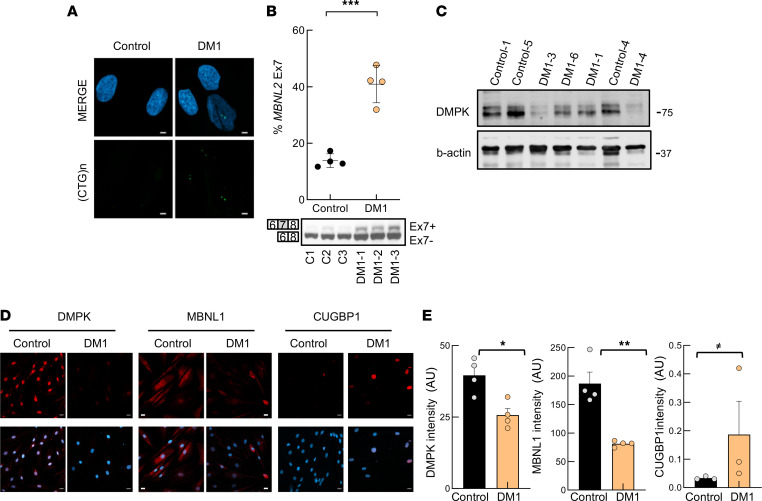
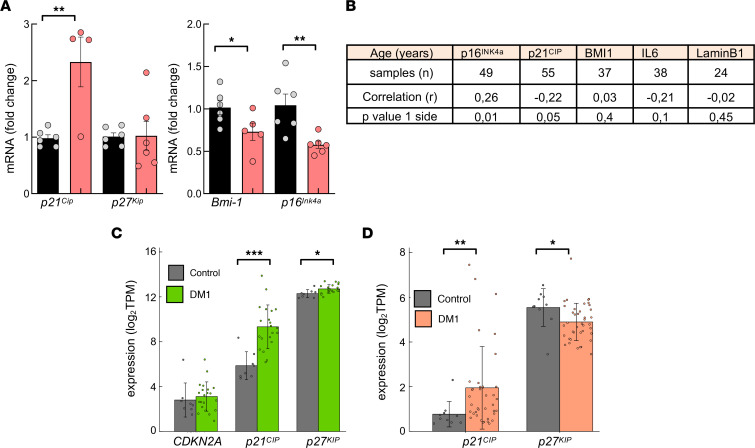
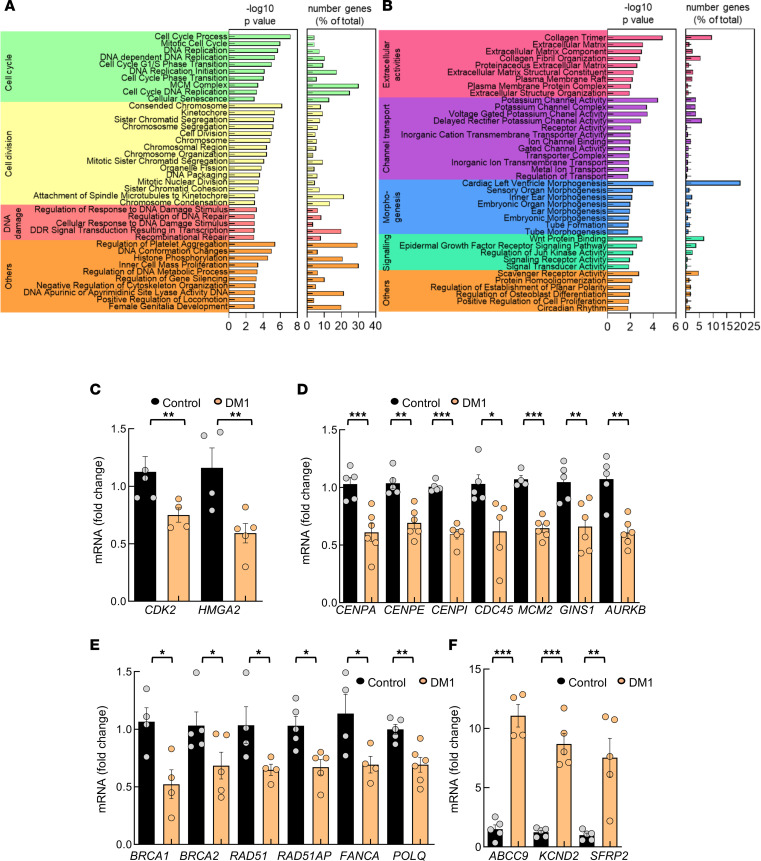
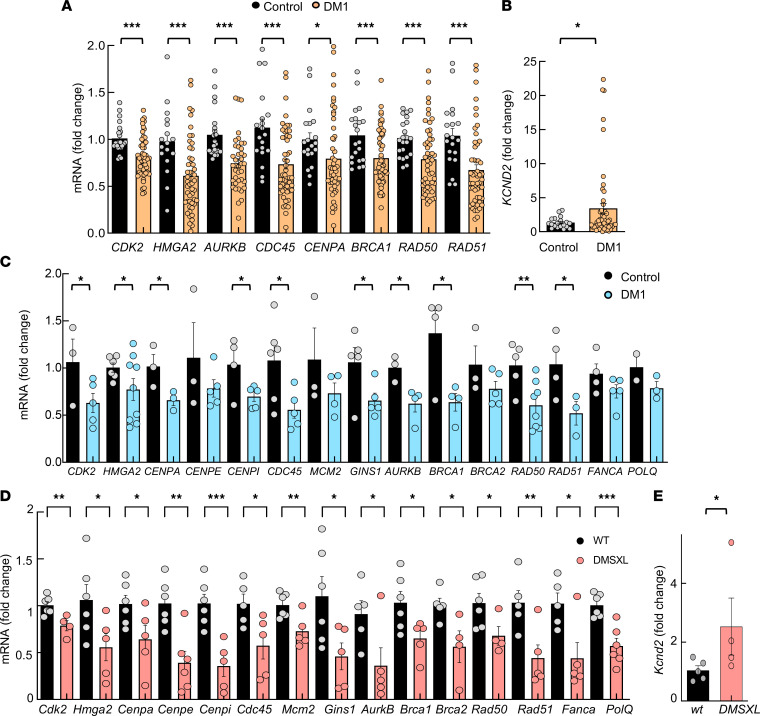
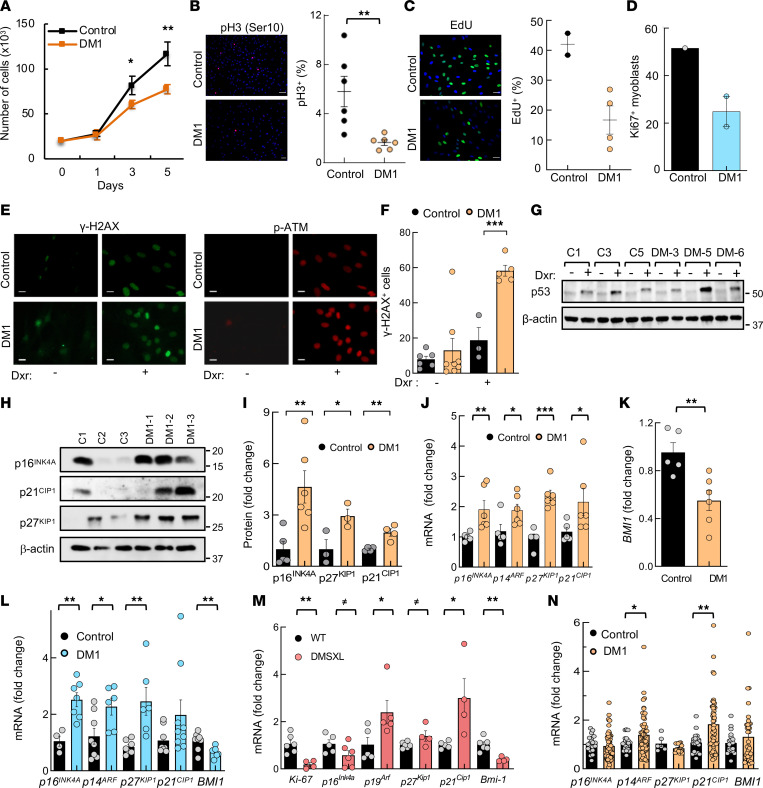
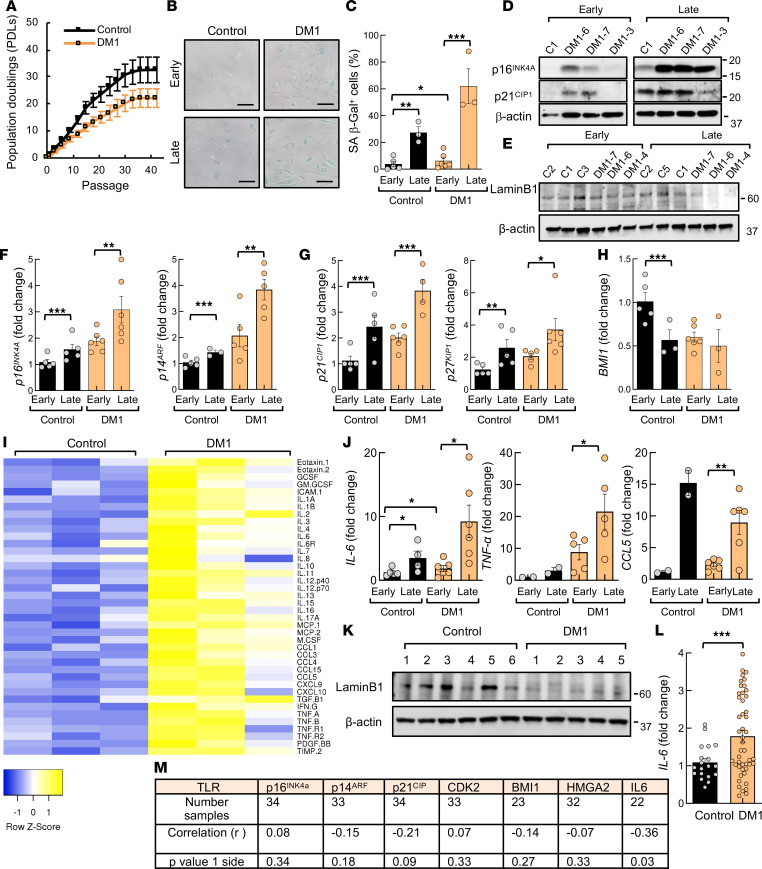
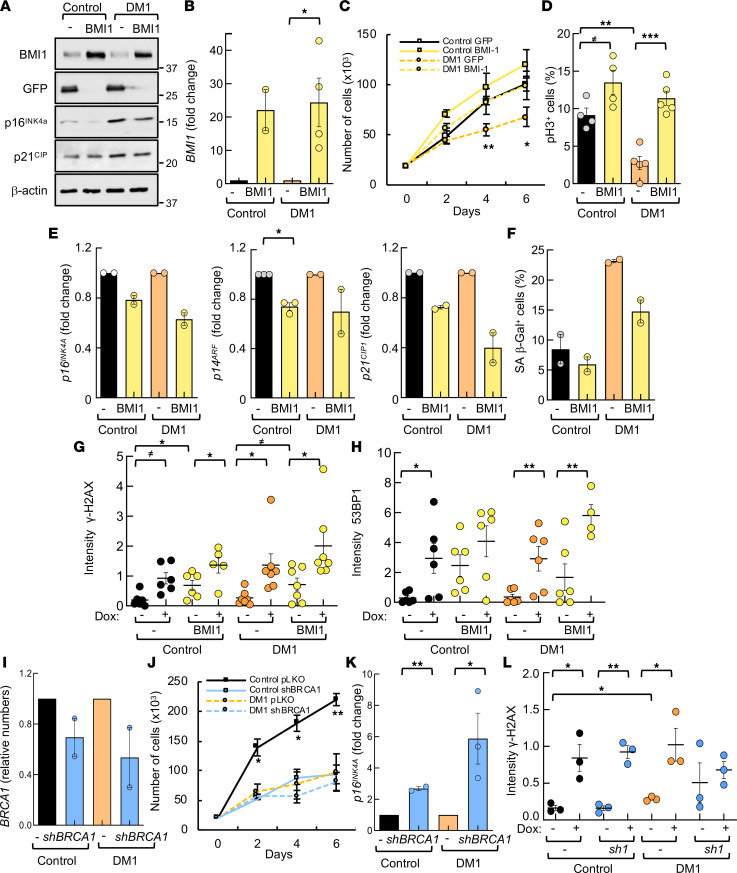
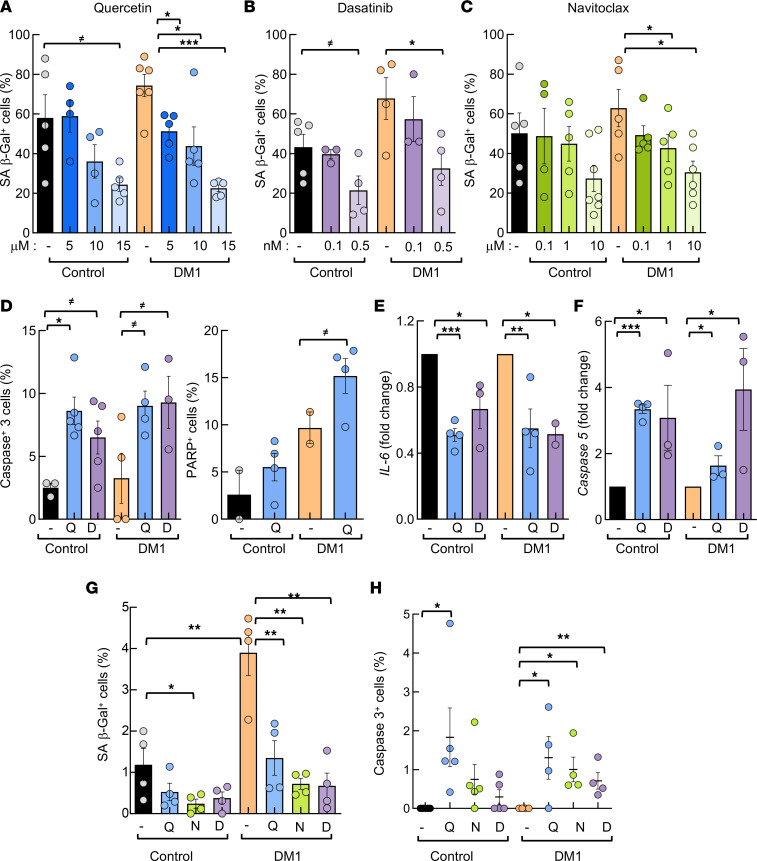
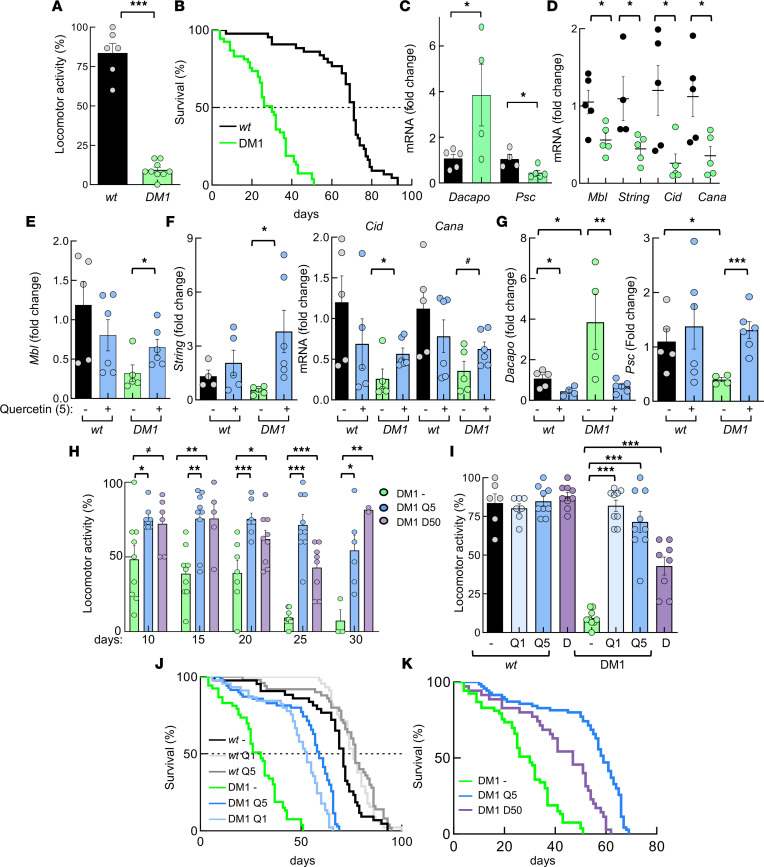
Myotonic dystrophy type 1 (DM1; MIM #160900) is an autosomal dominant disorder, clinically characterized by progressive muscular weakness and multisystem degeneration. The broad phenotypes observed in patients with DM1 resemble the appearance of an accelerated aging process. However, the molecular mechanisms underlying these phenotypes remain largely unknown. Transcriptomic analysis of fibroblasts derived from patients with DM1 and healthy individuals revealed a decrease in cell cycle activity, cell division, and DNA damage response in DM1, all of which related to the accumulation of cellular senescence. The data from transcriptome analyses were corroborated in human myoblasts and blood samples, as well as in mouse and Drosophila models of the disease. Serial passage studies in vitro confirmed the accelerated increase in senescence and the acquisition of a senescence-associated secretory phenotype in DM1 fibroblasts, whereas the DM1 Drosophila model showed reduced longevity and impaired locomotor activity. Moreover, functional studies highlighted the impact of BMI1 and downstream p16INK4A/RB and ARF/p53/p21CIP pathways in DM1-associated cellular phenotypes. Importantly, treatment with the senolytic compounds Quercetin, Dasatinib, or Navitoclax reversed the accelerated aging phenotypes in both DM1 fibroblasts in vitro and in Drosophila in vivo. Our results identify the accumulation of senescence as part of DM1 pathophysiology and, therefore, demonstrate the efficacy of senolytic compounds in the preclinical setting.
1 型肌强直性营养不良(DM1;MIM #160900)是一种常染色体显性疾病,临床上表现为进行性肌肉无力和多系统退化。DM1 患者表现出的广泛表型类似于加速衰老过程的表现。然而,这些表型的分子机制在很大程度上尚不清楚。来自 DM1 患者和健康个体的成纤维细胞的转录组分析显示,DM1 中细胞周期活性、细胞分裂和 DNA 损伤反应降低,所有这些都与细胞衰老的积累有关。转录组分析的数据在人类成肌细胞和血液样本以及疾病的小鼠和果蝇模型中得到了证实。体外连续传代研究证实了 DM1 成纤维细胞中衰老的加速增加和衰老相关分泌表型的获得,而 DM1 果蝇模型则显示寿命缩短和运动活动能力受损。此外,功能研究强调了 BMI1 及其下游 p16INK4A/RB 和 ARF/p53/p21CIP 通路在 DM1 相关细胞表型中的作用。重要的是,用 senolytic 化合物槲皮素、达沙替尼或 Navitoclax 治疗可逆转 DM1 体外成纤维细胞和体内果蝇的加速衰老表型。我们的研究结果表明,衰老的积累是 DM1 病理生理学的一部分,因此,证明了 senolytic 化合物在临床前环境中的疗效。