Department of Anesthesiology, Vagelos College of Physicians and Surgeons, Columbia University, 630 West 168Th Street, P&S Box 46, New York, NY, 10032, USA.
Department of Anesthesiology and Perioperative Medicine, Tohoku University Graduate School of Medicine, 2-1, Seiryo-Machi, Aoba-Ku, Sendai, 980-8574, Japan.
J Neuroinflammation. 2022 Aug 31;19(1):210. doi: 10.1186/s12974-022-02575-y.
Asthma is a major public health problem worldwide. Emerging data from epidemiological studies show that allergies and allergic diseases may be linked to anxiety, depression and cognitive decline. However, little is known about the effect of asthma, an allergic lung inflammation, on cognitive decline/behavioral changes. Therefore, we investigated the hypothesis that allergic lung inflammation causes inflammation in the brain and leads to neurobehavioral changes in mice.
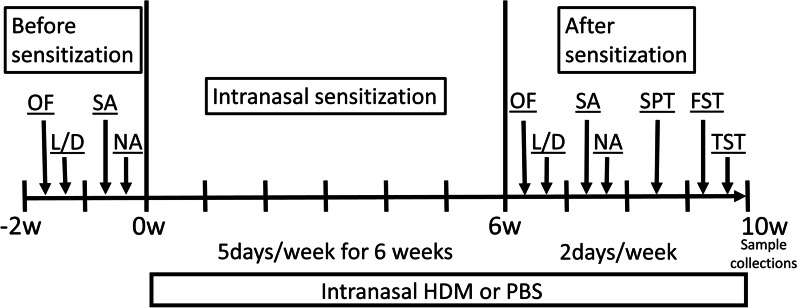
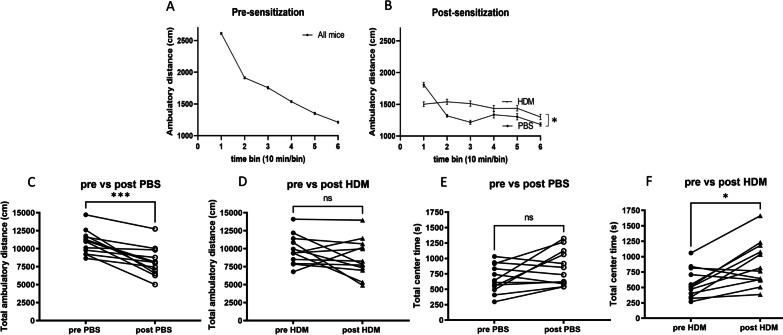
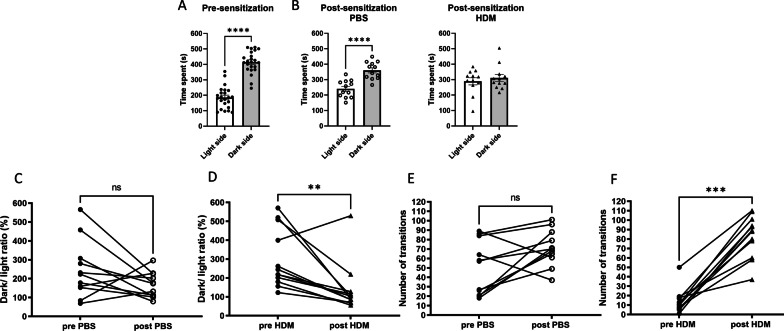
Wild-type C57BL/6J female mice were sensitized with nasal house dust mite (HDM) antigen or control PBS for 6 weeks to induce chronic allergic lung inflammation. A series of neurocognitive tests for anxiety and/or depression were performed before and after the intranasal HDM administration. After the behavior tests, tissues were harvested to measure inflammation in the lungs and the brains.
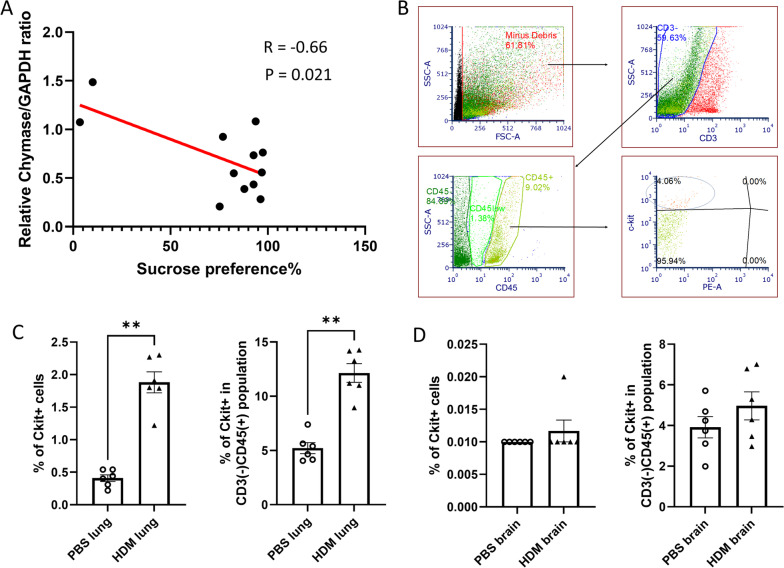
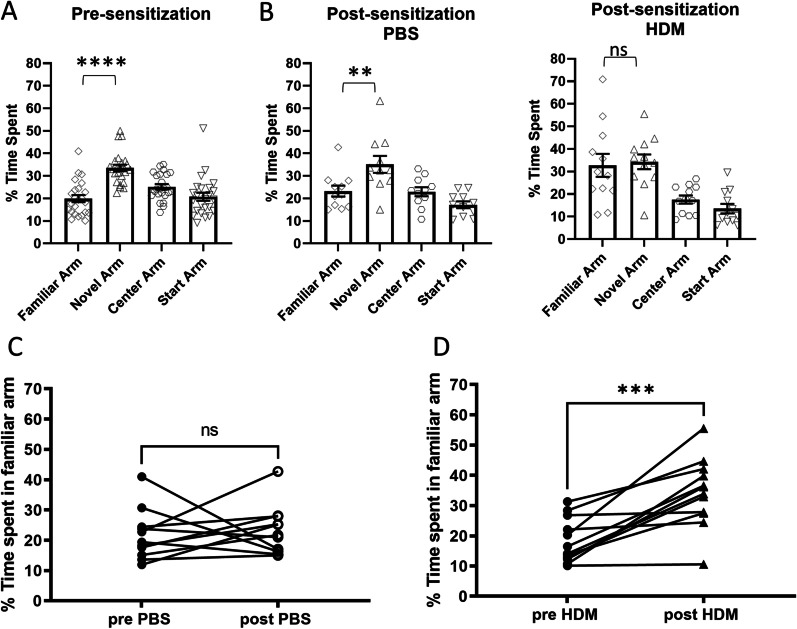
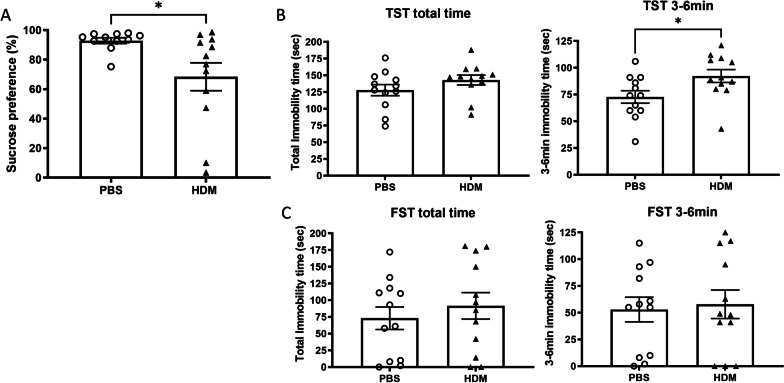
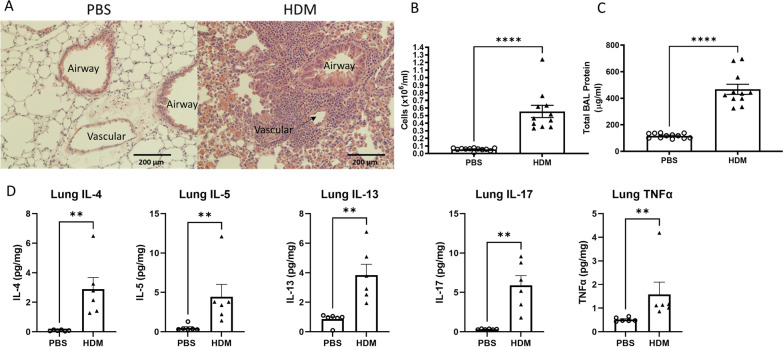
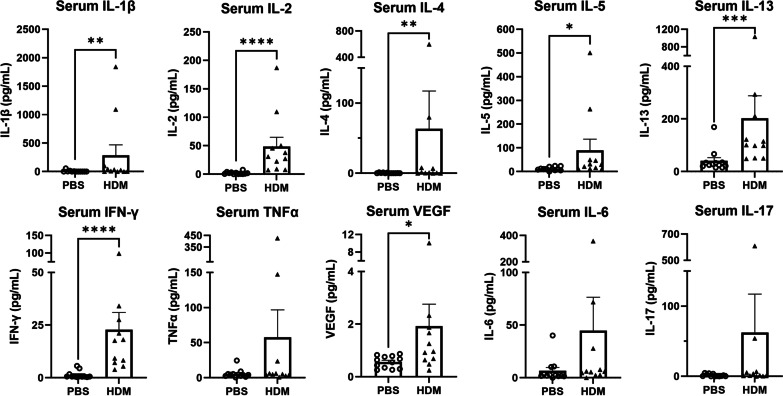
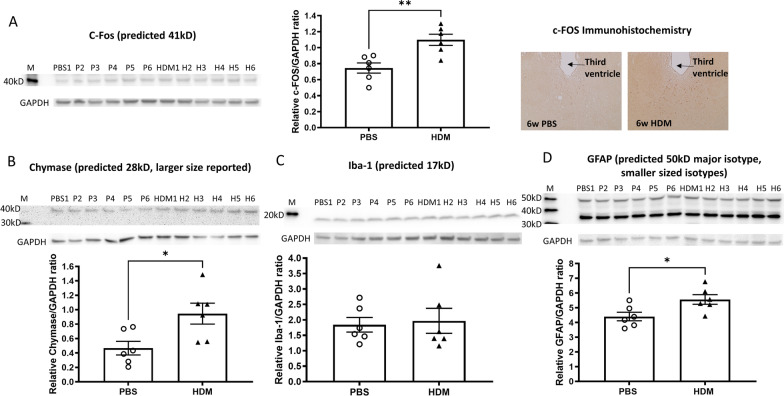
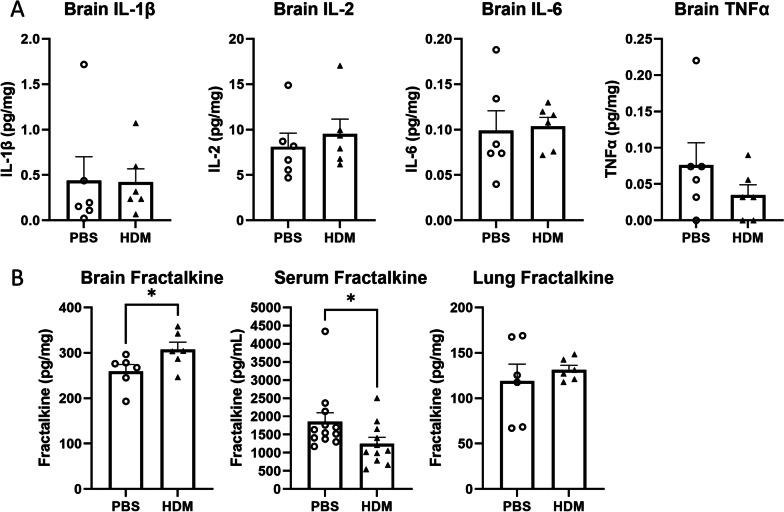
HDM-treated mice exhibited significantly increased immobility times during tail suspension tests and significantly decreased sucrose preference compared with PBS controls, suggesting a more depressed and anhedonia phenotype. Spatial memory impairment was also observed in HDM-treated mice when assessed by the Y-maze novel arm tests. Development of lung inflammation after 6 weeks of HDM administration was confirmed by histology, bronchoalveolar lavage (BAL) cell count and lung cytokine measurements. Serum pro-inflammatory cytokines and Th2-related cytokines levels were elevated in HDM-sensitized mice. In the brain, the chemokine fractalkine was increased in the HDM group. The c-Fos protein, a marker for neuronal activity, Glial Fibrillary Acidic Protein (GFAP) and chymase, a serine protease from mast cells, were increased in the brains from mice in HDM group. Chymase expression in the brain was negatively correlated with the results of sucrose preference rate in individual mice.
6 weeks of intranasal HDM administration in mice to mimic the chronic status of lung inflammation in asthma, caused significant inflammatory histological changes in the lungs, and several behavioral changes consistent with depression and altered spatial memory. Chymase and c-Fos proteins were increased in the brain from HDM-treated mice, suggesting links between lung inflammation and brain mast cell activation, which could be responsible for depression-like behavior.
哮喘是全球范围内的一个主要公共卫生问题。来自流行病学研究的新数据表明,过敏和过敏性疾病可能与焦虑、抑郁和认知能力下降有关。然而,对于哮喘(一种过敏性肺部炎症)是否会导致认知能力下降/行为改变,人们知之甚少。因此,我们假设过敏性肺部炎症会导致大脑炎症,并导致小鼠出现神经行为变化。
使用鼻腔屋尘螨(HDM)抗原或对照 PBS 对野生型 C57BL/6J 雌性小鼠进行敏化,以诱导慢性过敏性肺部炎症 6 周。在鼻内 HDM 给药前后进行一系列焦虑和/或抑郁的神经认知测试。行为测试后,采集组织测量肺部和大脑的炎症。
与 PBS 对照组相比,HDM 处理的小鼠在悬尾测试中表现出明显增加的不动时间,并且蔗糖偏好明显降低,提示出现更抑郁和快感缺失的表型。在 Y 迷宫新臂测试中,HDM 处理的小鼠也表现出空间记忆障碍。6 周 HDM 给药后肺部炎症的发展通过组织学、支气管肺泡灌洗(BAL)细胞计数和肺部细胞因子测量得到证实。HDM 敏化小鼠的血清促炎细胞因子和 Th2 相关细胞因子水平升高。在大脑中,趋化因子 fractalkine 在 HDM 组中增加。HDM 组小鼠大脑中的 c-Fos 蛋白、神经元活性标志物、胶质纤维酸性蛋白(GFAP)和肥大细胞中的糜蛋白酶增加。大脑中的糜蛋白酶表达与个体小鼠蔗糖偏好率的结果呈负相关。
在小鼠中进行 6 周的鼻内 HDM 给药以模拟哮喘中的肺部炎症慢性状态,导致肺部出现明显的炎症组织学变化,并出现几种与抑郁和空间记忆改变一致的行为变化。HDM 处理小鼠的大脑中 chymase 和 c-Fos 蛋白增加,提示肺部炎症与大脑肥大细胞激活之间存在联系,这可能是导致类似抑郁的行为的原因。