Song Weixiang, Zhang Danchen, Mi Jiaqi, Du Wenfei, Yang Yang, Chen Rong, Tian Cong, Zhao Xiaodong, Zou Kang
Germline Stem Cells and Microenvironment Lab, College of Animal Science and Technology, Nanjing Agricultural University, Nanjing, 210095, China.
Stem Cell Research and Translation Center, Nanjing Agricultural University, Nanjing, 210095, China.
Cell Biosci. 2022 Sep 1;12(1):141. doi: 10.1186/s13578-022-00880-w.
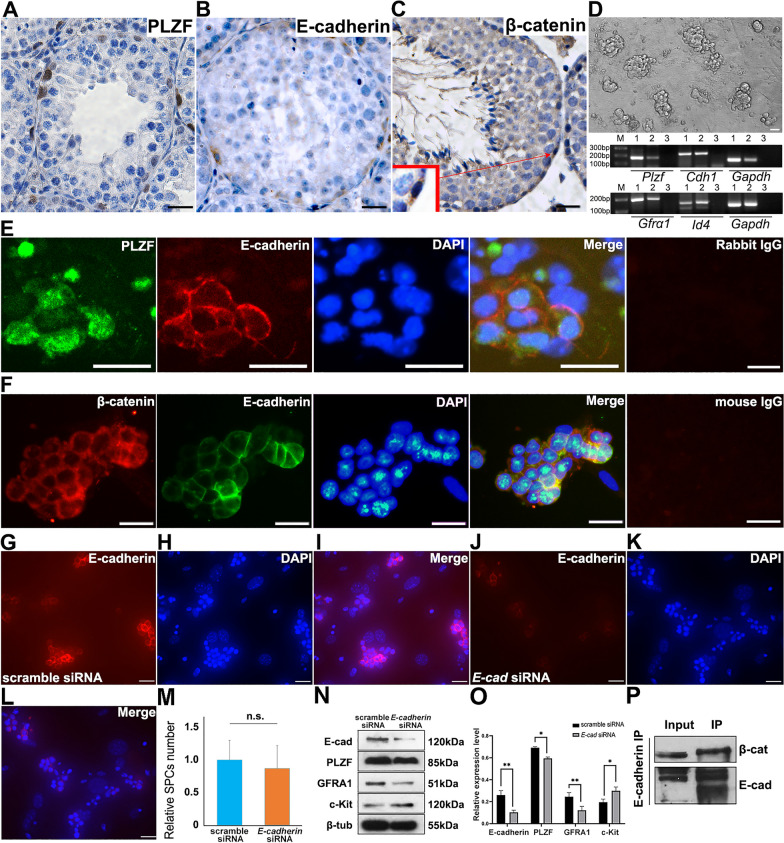
Cadherins play a pivotal role in facilitating intercellular interactions between spermatogonial progenitor cells (SPCs) and their surrounding microenvironment. Specifically, E-cadherin serves as a cellular marker of SPCs in many species. Depletion of E-cadherin in mouse SPCs showed no obvious effect on SPCs homing and spermatogenesis.
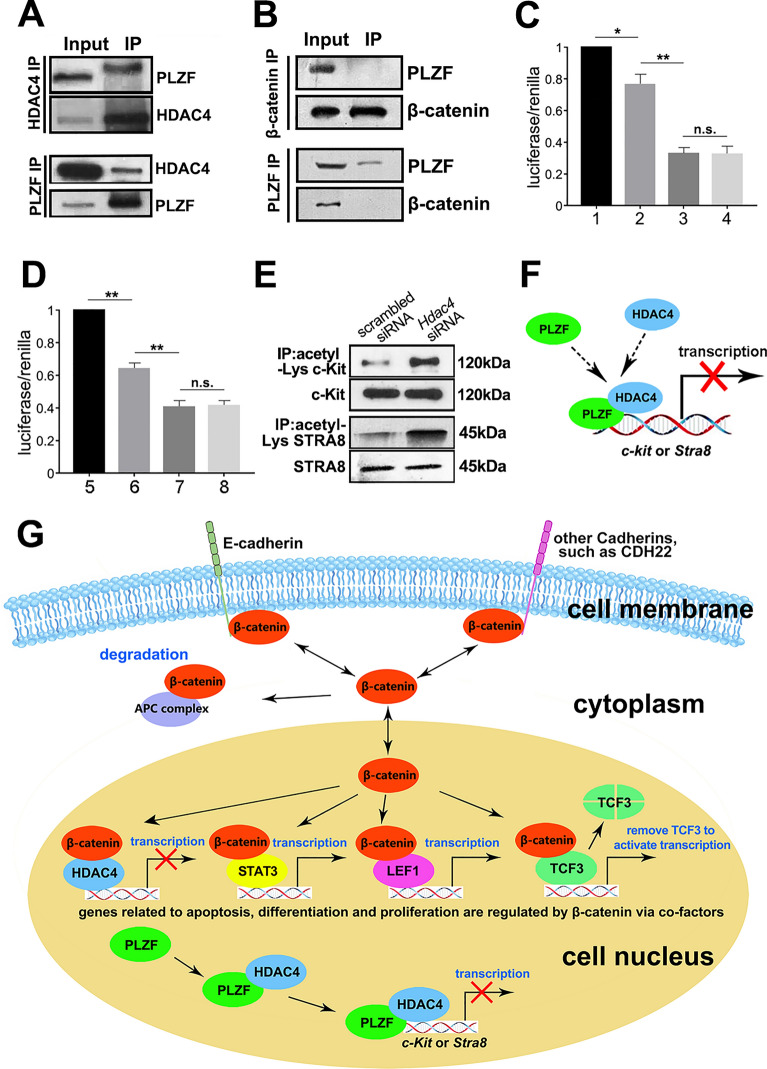
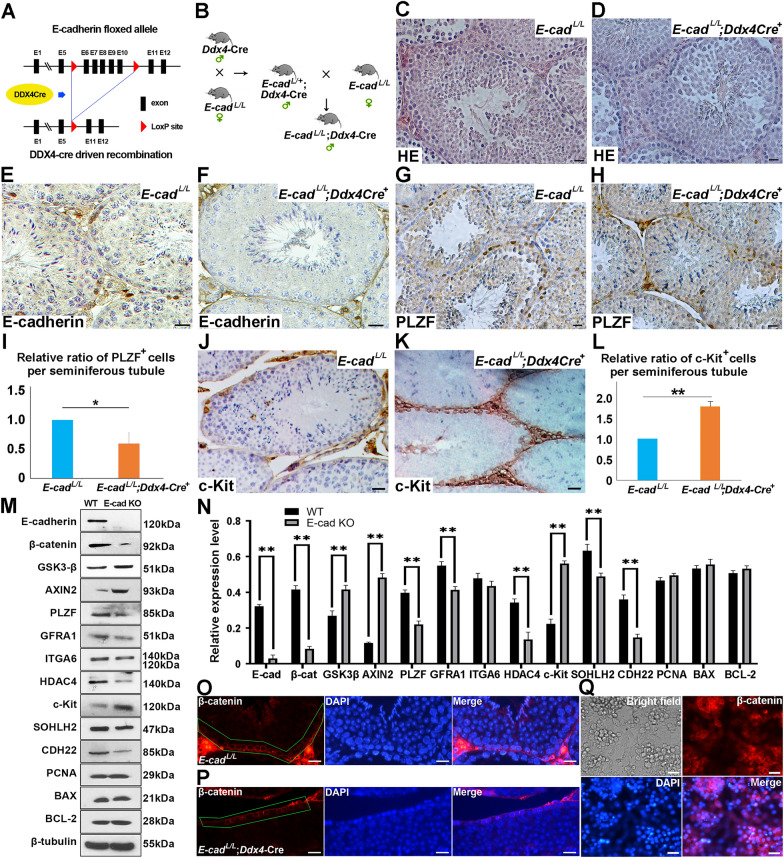
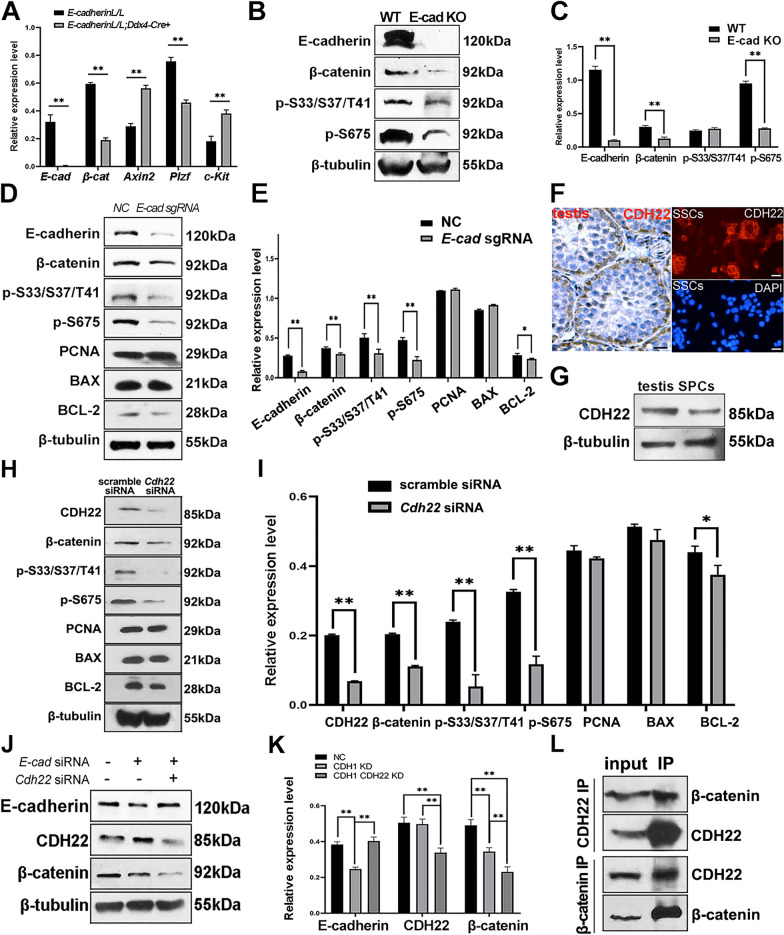
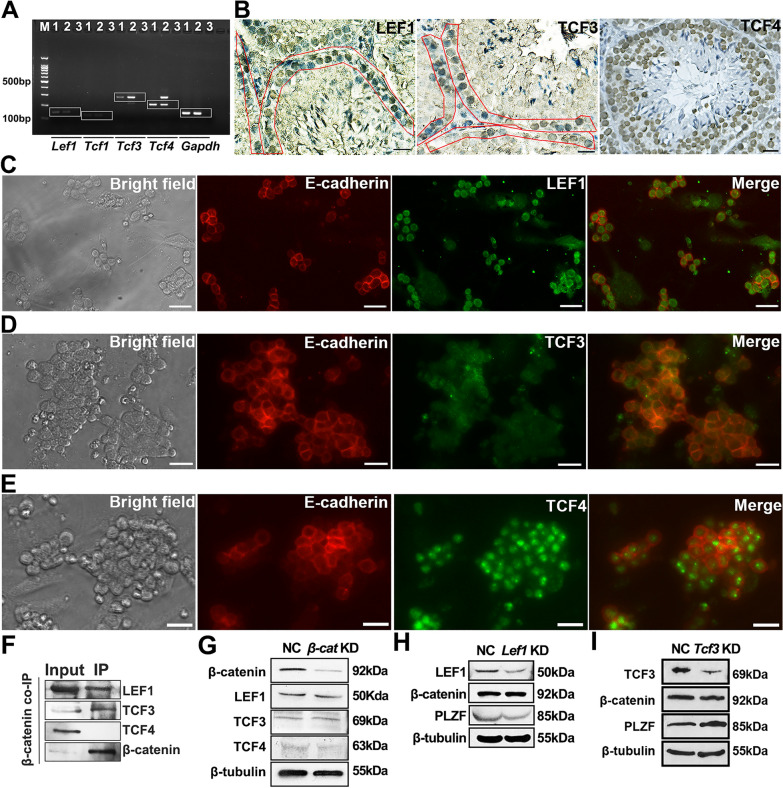
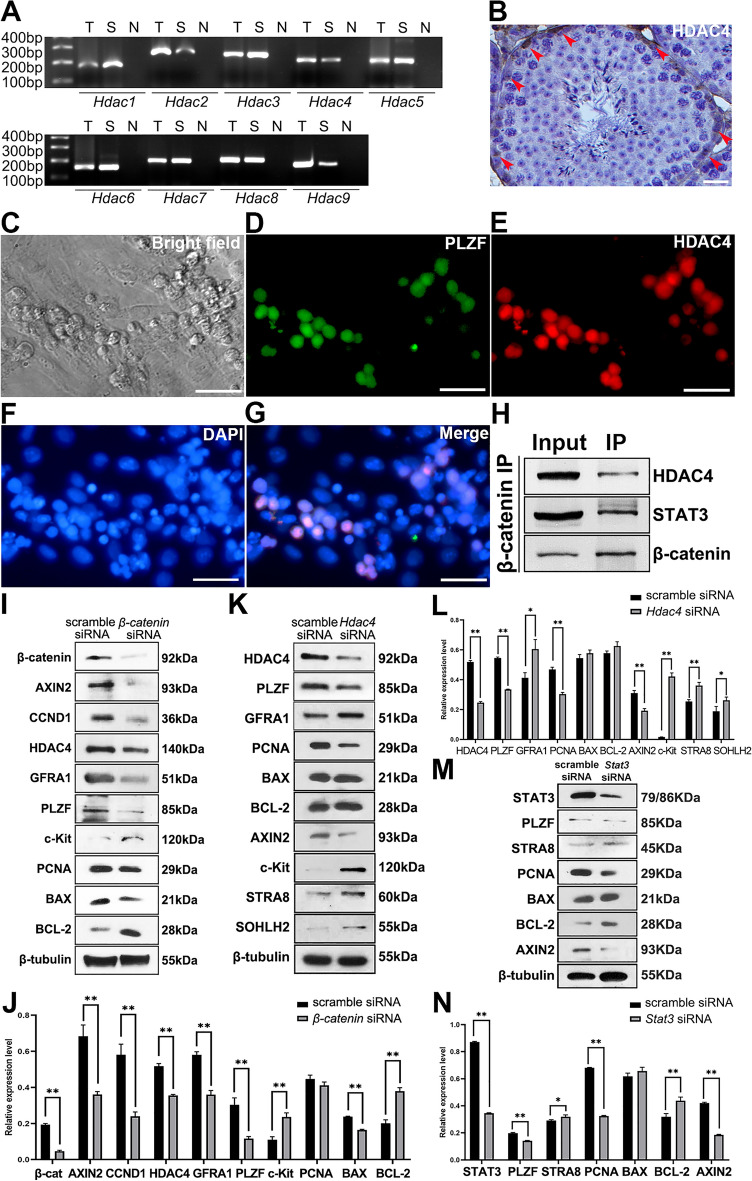
Here, we investigated the regulatory role of E-cadherin in regulating SPCs fate. Specific deletion of E-cadherin in germ cells was shown to promote SPCs differentiation, evidencing by reduced PLZF population and increased c-Kit population in mouse testes. E-cadherin loss down-regulated the expression level of β-catenin, leading to the reduced β-catenin in nuclear localization for transcriptional activity. Remarkably, increasing expression level of Cadherin-22 (CDH22) appeared specifically after E-cadherin deletion, indicating CDH22 played a synergistic effect with E-cadherin in SPCs. By searching for the binding partners of β-catenin, Lymphoid enhancer-binding factor 1 (LEF1), T-cell factor (TCF3), histone deacetylase 4 (HDAC4) and signal transducer and activator 3 (STAT3) were identified as suppressors of SPCs differentiation by regulating acetylation of differentiation genes with PLZF.
Two surface markers of SPCs, E-cadherin and Cadherin-22, synergically maintain the undifferentiation of SPCs via the pivotal intermediate molecule β-catenin. LEF1, TCF3, STAT3 and HDAC4 were identified as co-regulatory factors of β-catenin in regulation of SPC fate. These observations revealed a novel regulatory pattern of cadherins on SPCs fate.
钙黏蛋白在促进精原祖细胞(SPCs)与其周围微环境之间的细胞间相互作用中起关键作用。具体而言,E-钙黏蛋白在许多物种中作为SPCs的细胞标志物。小鼠SPCs中E-钙黏蛋白的缺失对SPCs归巢和精子发生没有明显影响。
在此,我们研究了E-钙黏蛋白在调节SPCs命运中的调控作用。生殖细胞中E-钙黏蛋白的特异性缺失被证明可促进SPCs分化,小鼠睾丸中PLZF细胞群减少和c-Kit细胞群增加证明了这一点。E-钙黏蛋白的缺失下调了β-连环蛋白的表达水平,导致核定位的β-连环蛋白减少以进行转录活性。值得注意的是,E-钙黏蛋白缺失后,钙黏蛋白-22(CDH22)的表达水平特异性升高,表明CDH22在SPCs中与E-钙黏蛋白发挥协同作用。通过搜索β-连环蛋白的结合伙伴,淋巴细胞增强因子结合因子1(LEF1)、T细胞因子(TCF3)、组蛋白去乙酰化酶4(HDAC4)和信号转导子和激活子3(STAT3)被确定为通过调节具有PLZF的分化基因的乙酰化来抑制SPCs分化的因子。
SPCs的两个表面标志物E-钙黏蛋白和钙黏蛋白-22通过关键的中间分子β-连环蛋白协同维持SPCs的未分化状态。LEF1、TCF3、STAT3和HDAC4被确定为β-连环蛋白在调节SPCs命运中的共同调节因子。这些观察结果揭示了钙黏蛋白对SPCs命运的一种新的调控模式。