Department of Gastroenterology, First Affiliated Hospital, Naval Medical University, Shanghai, China.
Department of Gastroenterology , Yueqing People's Hospital, Wenzhou, China.
Front Immunol. 2022 Aug 16;13:972298. doi: 10.3389/fimmu.2022.972298. eCollection 2022.
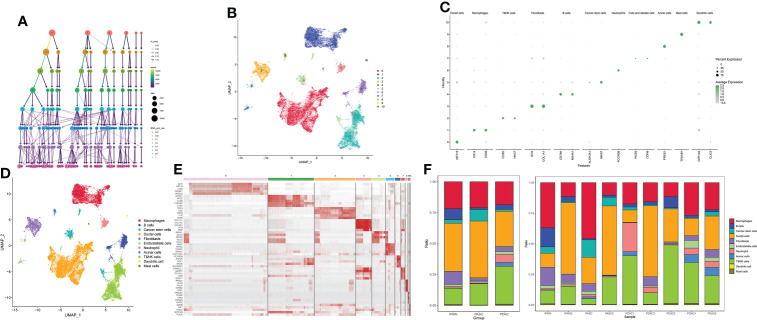
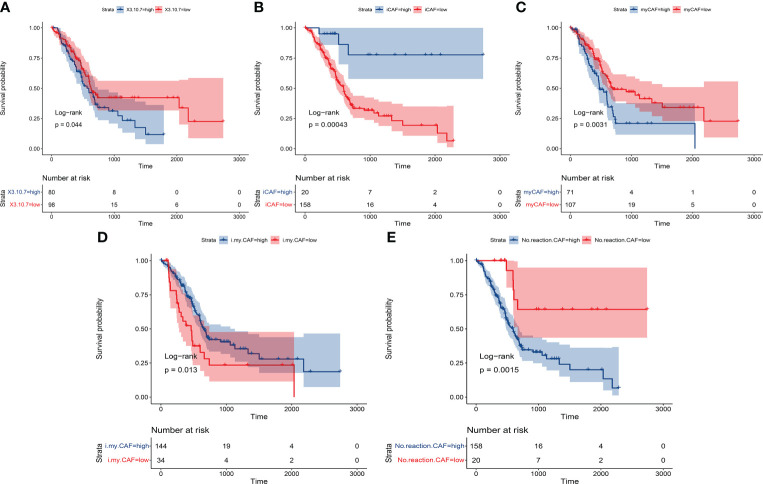
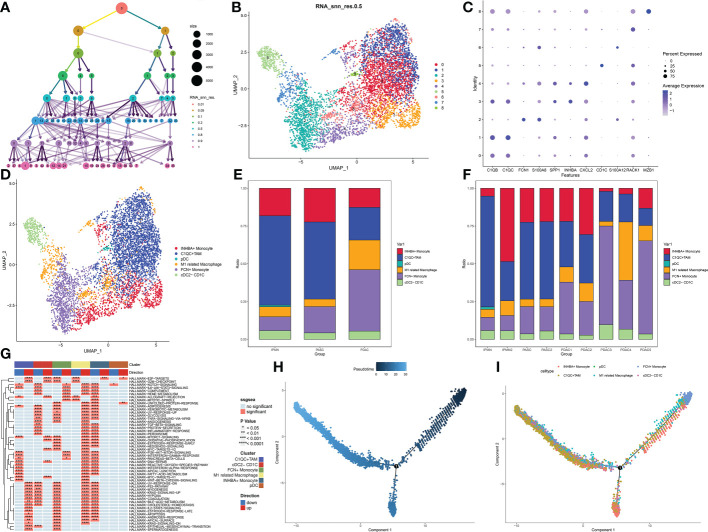
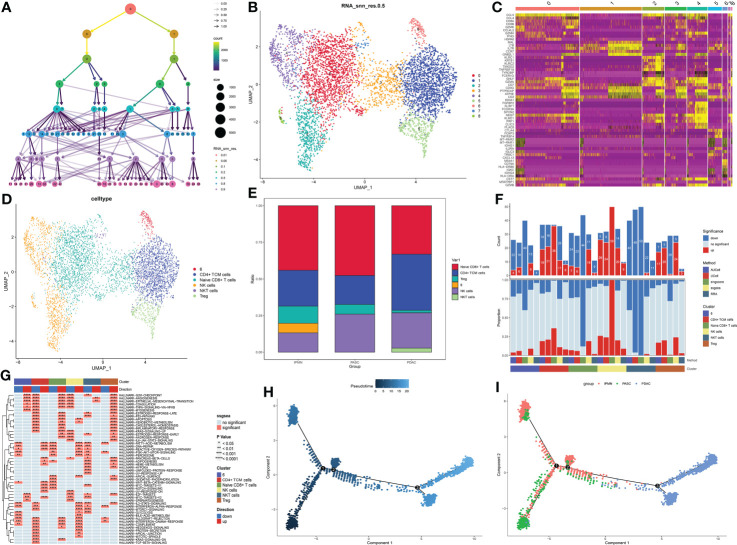
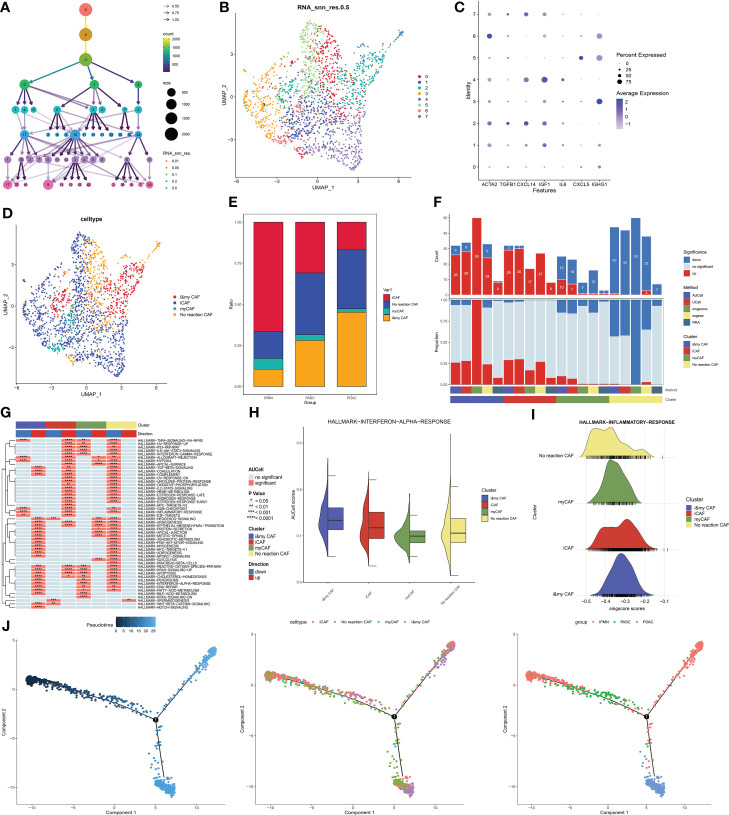
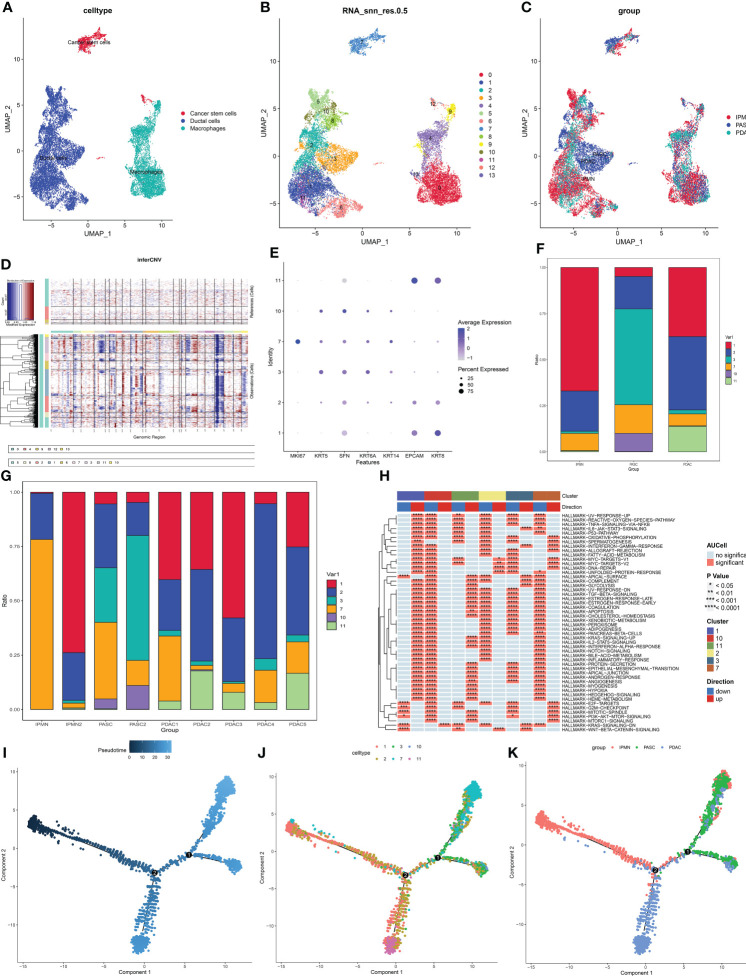
Pancreatic adenosquamous carcinoma (ASPC) is a rare subtype of pancreatic cancer with lethal malignancy, and few studies have focused on the heterogeneity of ASPC. Here, we performed a single-cell sequencing procedure on pancreatic tumor tissue from an ASPC patient and a patient with high-grade intraductal papillary mucinous neoplasm (IPMN). Through the combined analysis of single-cell sequencing data from five pancreatic ductal adenocarcinoma (PDAC) patients, one IPMN patient, and one ASPC patient in a public database, we identified 11 main types of cells, including macrophages, B cells, cancer stem cells, ductal cells, fibroblasts, endo/stellate cells, neutrophils, acinar cells, T cells, natural killer (NK) cells, dendritic cells, and mast cells. Then, the different characteristics and differentiation paths of the immune microenvironment among IPMN, ASPC, and PDAC in macrophages, T cells, and cancer-associated fibroblasts (CAFs) were identified through multiple bioinformatics analyses. Two novel special cancer-associated fibroblasts were identified as nCAFs and imCAFs. Then, cancer cells in duct cells were identified using the infercnv software. Two ASPC-specific subgroups of cancer cells with squamous cell features were identified. Finally, the identified specific CAFs and cancer cells were mapped to TCGA-PAAD cohort through the cibersoftx software. All of these identified subgroups were calculated to have a significant prognostic value in pancreatic cancer patients. These findings will promote the clinical application of single-cell sequencing data of pancreatic cancer and deepen our understanding of ASPC.
胰腺腺鳞癌(ASPC)是一种罕见的胰腺恶性肿瘤亚型,恶性程度极高,目前很少有研究关注 ASPC 的异质性。在这里,我们对一名 ASPC 患者和一名高级别胰管内乳头状黏液性肿瘤(IPMN)患者的胰腺肿瘤组织进行了单细胞测序。通过对来自五名胰腺导管腺癌(PDAC)患者、一名 IPMN 患者和一名公共数据库中的 ASPC 患者的单细胞测序数据进行联合分析,我们确定了 11 种主要类型的细胞,包括巨噬细胞、B 细胞、癌症干细胞、导管细胞、成纤维细胞、内/星状细胞、中性粒细胞、腺泡细胞、T 细胞、自然杀伤(NK)细胞、树突状细胞和肥大细胞。然后,通过多种生物信息学分析,确定了巨噬细胞、T 细胞和癌症相关成纤维细胞(CAFs)中 IPMN、ASPC 和 PDAC 之间免疫微环境的不同特征和分化路径。鉴定出两种新型特殊的癌症相关成纤维细胞,即 nCAFs 和 imCAFs。然后,使用 infercnv 软件鉴定出导管细胞中的癌细胞。鉴定出具有鳞状细胞特征的两种 ASPC 特异性癌细胞亚群。最后,通过 cibersoftx 软件将鉴定出的特定 CAFs 和癌细胞映射到 TCGA-PAAD 队列中。所有这些鉴定出的亚群在胰腺癌患者中均具有显著的预后价值。这些发现将促进胰腺癌单细胞测序数据的临床应用,并加深我们对 ASPC 的认识。