Transcriptional Control of Tissue Homeostasis Lab, Leibniz Institute on Aging, Fritz Lipmann Institute e.V., Beutenbergstr. 11, 07745, Jena, Germany.
Leibniz Institute on Aging, Fritz Lipmann Institute e.V., Beutenbergstr. 11, 07745, Jena, Germany.
Nat Commun. 2022 Sep 3;13(1):5187. doi: 10.1038/s41467-022-32970-1.
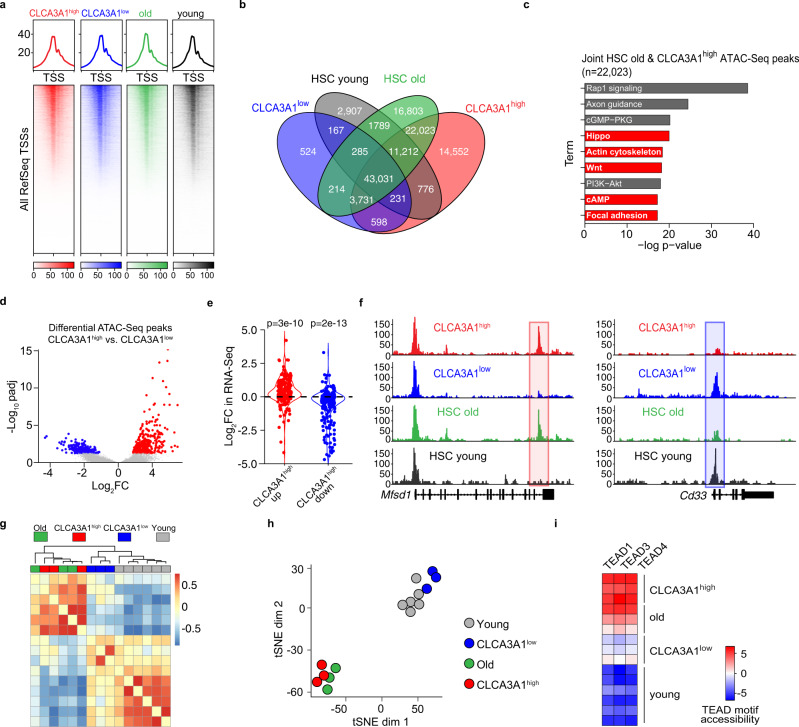
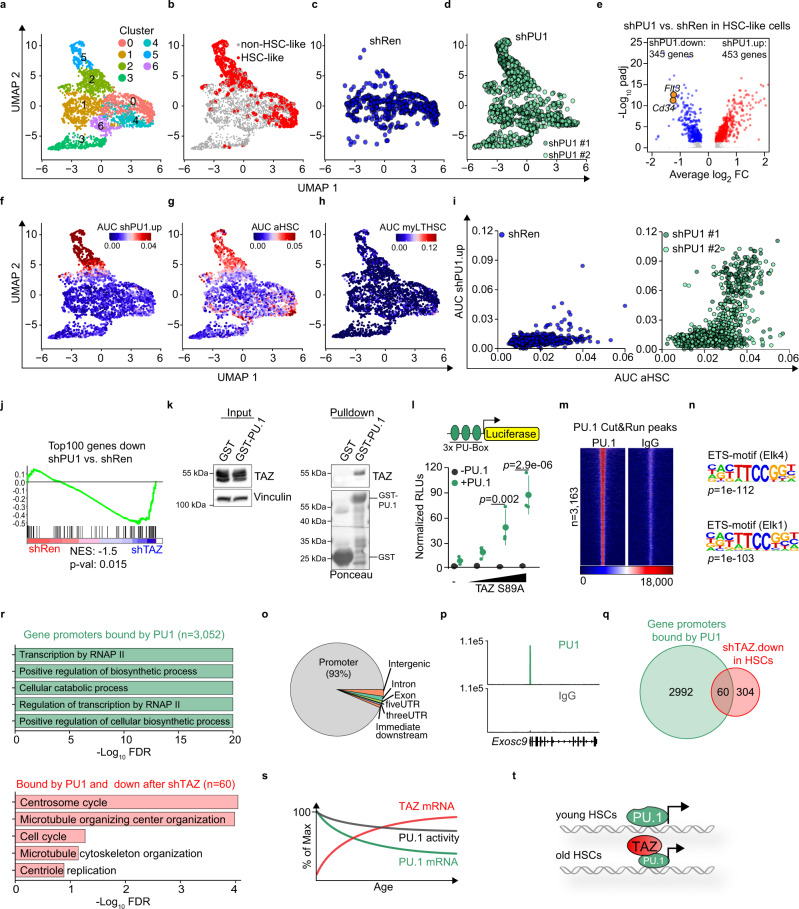
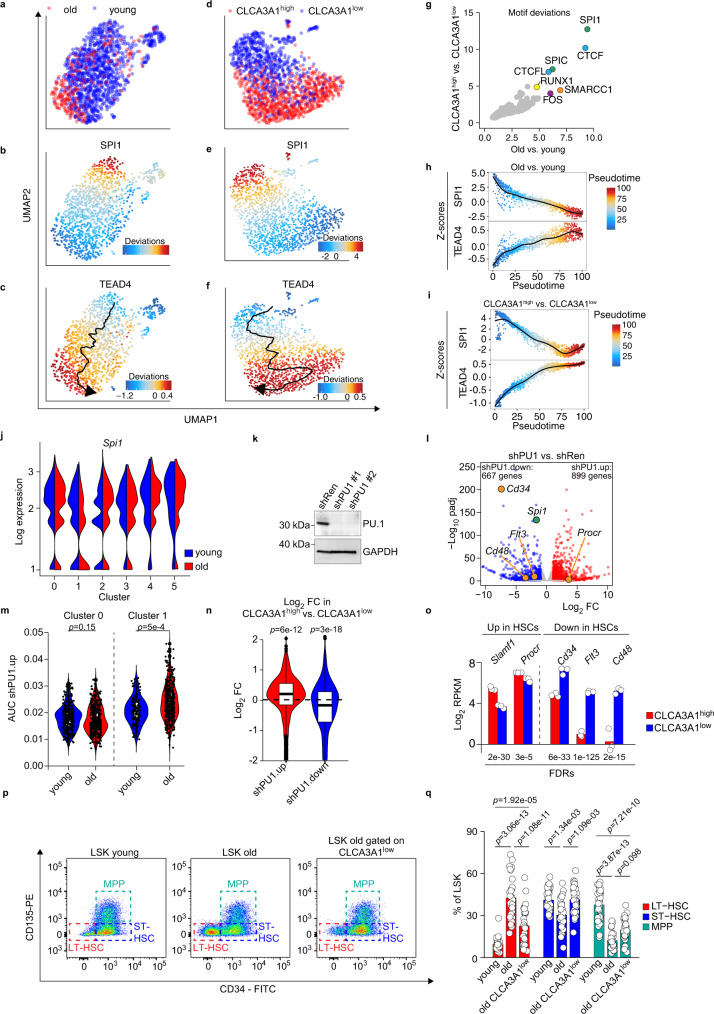
Specific functions of the immune system are essential to protect us from infections caused by pathogens such as viruses and bacteria. However, as we age, the immune system shows a functional decline that can be attributed in large part to age-associated defects in hematopoietic stem cells (HSCs)-the cells at the apex of the immune cell hierarchy. Here, we find that the Hippo pathway coactivator TAZ is potently induced in old HSCs and protects these cells from functional decline. We identify Clca3a1 as a TAZ-induced gene that allows us to trace TAZ activity in vivo. Using CLCA3A1 as a marker, we can isolate "young-like" HSCs from old mice. Mechanistically, Taz acts as coactivator of PU.1 and to some extent counteracts the gradual loss of PU.1 expression during HSC aging. Our work thus uncovers an essential role for Taz in a previously undescribed fail-safe mechanism in aging HSCs.
免疫系统的特定功能对于保护我们免受病毒和细菌等病原体的感染至关重要。然而,随着年龄的增长,免疫系统会出现功能下降,这在很大程度上归因于与年龄相关的造血干细胞(HSCs)缺陷——HSCs 是免疫细胞层级的顶端细胞。在这里,我们发现 Hippo 通路共激活因子 TAZ 在衰老的 HSCs 中被强烈诱导,并保护这些细胞免受功能下降的影响。我们确定了 Clca3a1 是一个 TAZ 诱导的基因,它使我们能够在体内追踪 TAZ 的活性。使用 CLCA3A1 作为标记,我们可以从老年小鼠中分离出“年轻样”的 HSCs。从机制上讲,Taz 作为 PU.1 的共激活因子发挥作用,在一定程度上抵消了 HSC 衰老过程中 PU.1 表达的逐渐丧失。因此,我们的工作揭示了 Taz 在衰老 HSCs 中以前未描述的故障安全机制中的重要作用。