Guido Cristiana Alessia, Lucidi Fabio, Midulla Fabio, Zicari Anna Maria, Bove Elena, Avenoso Federica, Amedeo Ilaria, Mancino Enrica, Nenna Raffaella, De Castro Giovanna, Capponi Martina, Cinicola Bianca Laura, Brindisi Giulia, Grisoni Flavia, Murciano Manuel, Spalice Alberto
Department of Maternal Sciences, Sapienza University of Rome, Rome, Italy.
Department of Developmental and Social Psychology, Sapienza University of Rome, Rome, Italy.
Front Neurol. 2022 Aug 17;13:925144. doi: 10.3389/fneur.2022.925144. eCollection 2022.
We evaluated the long-term clinical status of pediatric patients after testing positive for COVID-19. We hypothesized that there are similar symptoms to those that have been described in adults and children and that pediatric patients with neurophysiologic symptoms still present 3-5 months after infection have psychological consequences that interfere with their adaptive functioning.
We recruited 322 COVID-19-positive pediatric patients, between 1.5 and 17 years old, from the outpatient clinic for COVID-19 follow-up. Neurological symptoms were analyzed at onset, after 1 month, and after 3-5 months. A psychological assessment with standardized questionnaires was also conducted to determine the impact of the disease.
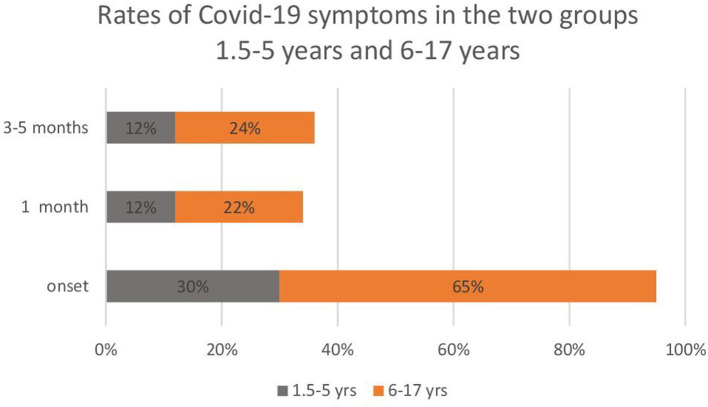
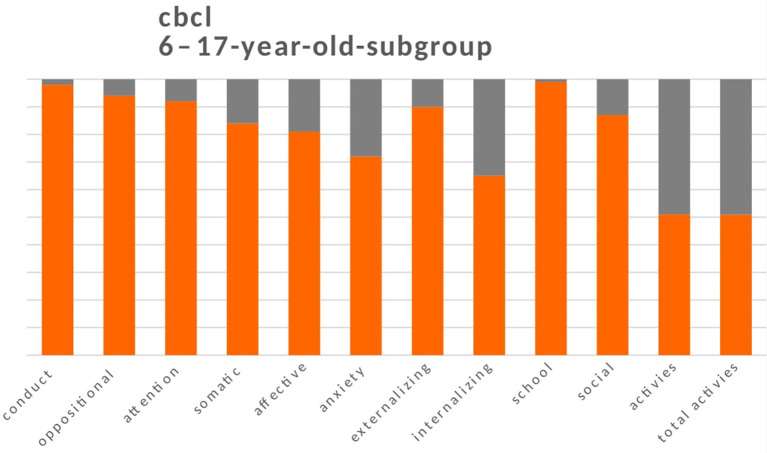
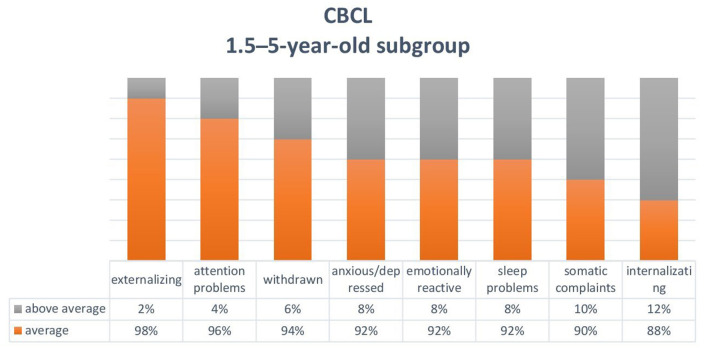
At the onset of COVID-19, 60% of the total sample exhibited symptoms; this decreased after 1 month (20%) but stabilized 3-5 months after disease onset (22%). Prevailing long-COVID neurological symptoms were headache, fatigue, and anosmia. In the 1.5-5-year-old subgroup, internalizing problems emerged in 12% of patients. In the 6-18-year-old subgroup, anxiety and post-traumatic stress showed significant associations with neurological symptoms of long COVID.
These data demonstrate that long COVID presents various broad-spectrum symptoms, including psychological and long-lasting cognitive issues. If not treated, these symptoms could significantly compromise the quality of life of children and adolescents.
我们评估了新冠病毒检测呈阳性的儿科患者的长期临床状况。我们假设,存在与成人和儿童中所描述的类似症状,并且感染后3至5个月仍有神经生理症状的儿科患者会出现影响其适应功能的心理后果。
我们从新冠病毒门诊随访中招募了322名年龄在1.5至17岁之间的新冠病毒检测呈阳性的儿科患者。在发病时、1个月后以及3至5个月后对神经症状进行了分析。还使用标准化问卷进行了心理评估,以确定该疾病的影响。
在新冠病毒发病时,总样本中有60%出现症状;1个月后这一比例下降(20%),但在疾病发作后3至5个月稳定在22%。长期新冠神经症状主要为头痛、疲劳和嗅觉丧失。在1.5至5岁亚组中,12%的患者出现内化问题。在6至18岁亚组中,焦虑和创伤后应激与长期新冠的神经症状存在显著关联。
这些数据表明,长期新冠表现出各种广泛的症状,包括心理和长期的认知问题。如果不加以治疗,这些症状可能会严重影响儿童和青少年的生活质量。