Division of Cardiology, Department of Internal Medicine II, Medical University of Vienna, Vienna, Austria.
Ludwig Boltzmann Institute for Cardiovascular Research, Vienna, Austria.
FASEB J. 2022 Oct;36(10):e22532. doi: 10.1096/fj.202101672RR.
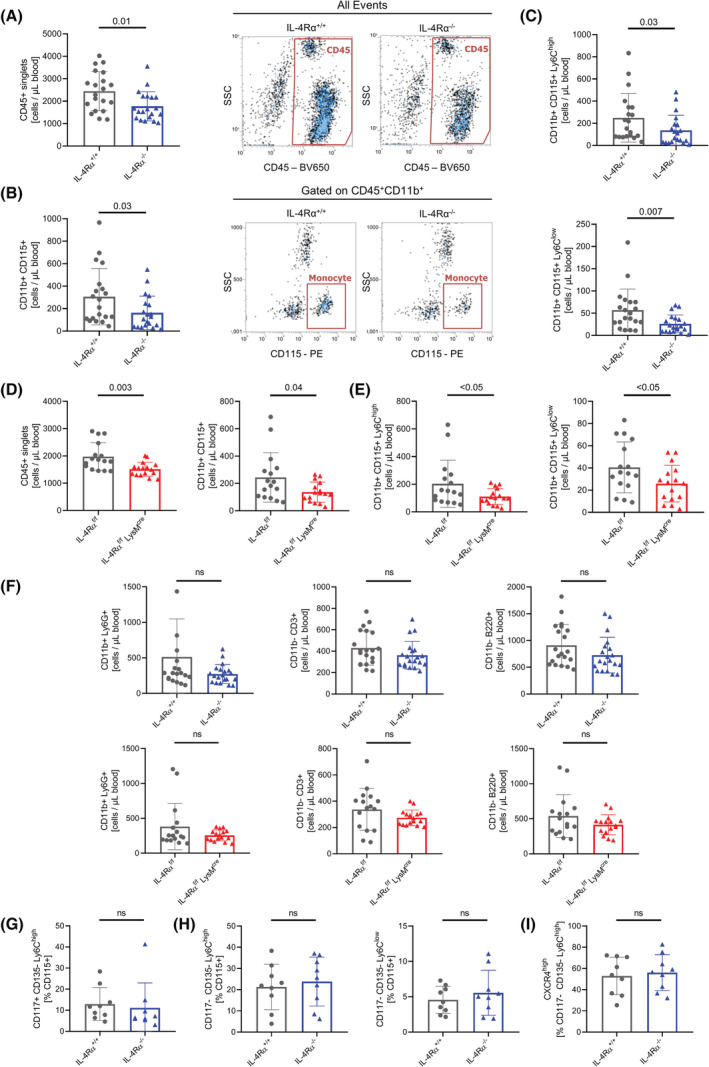
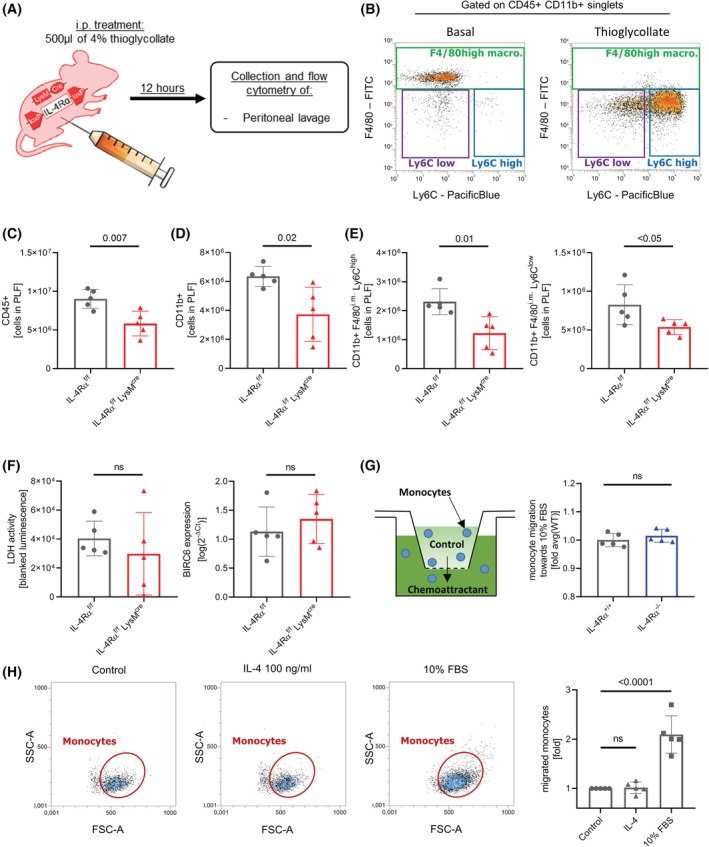
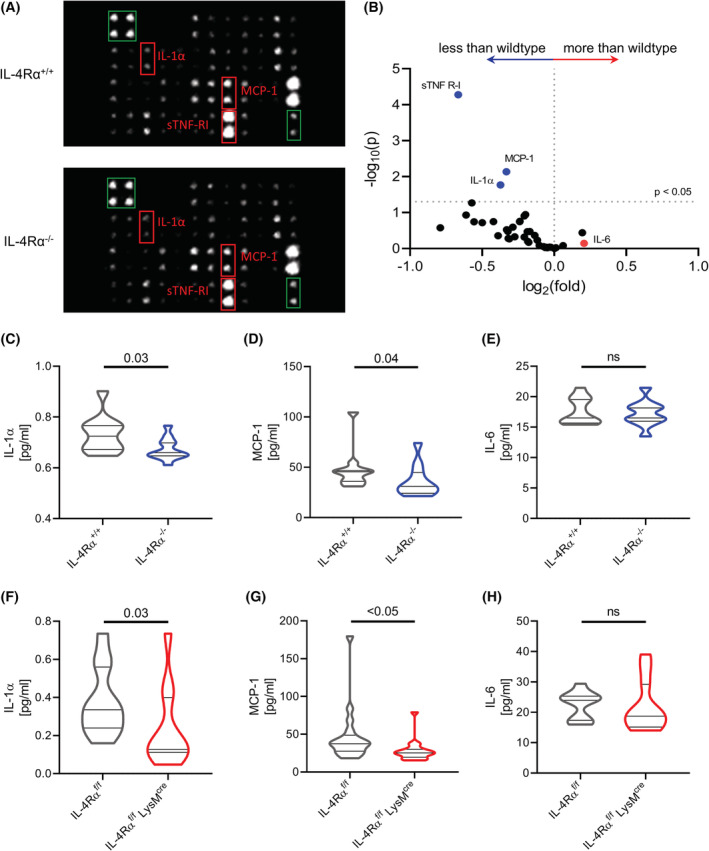
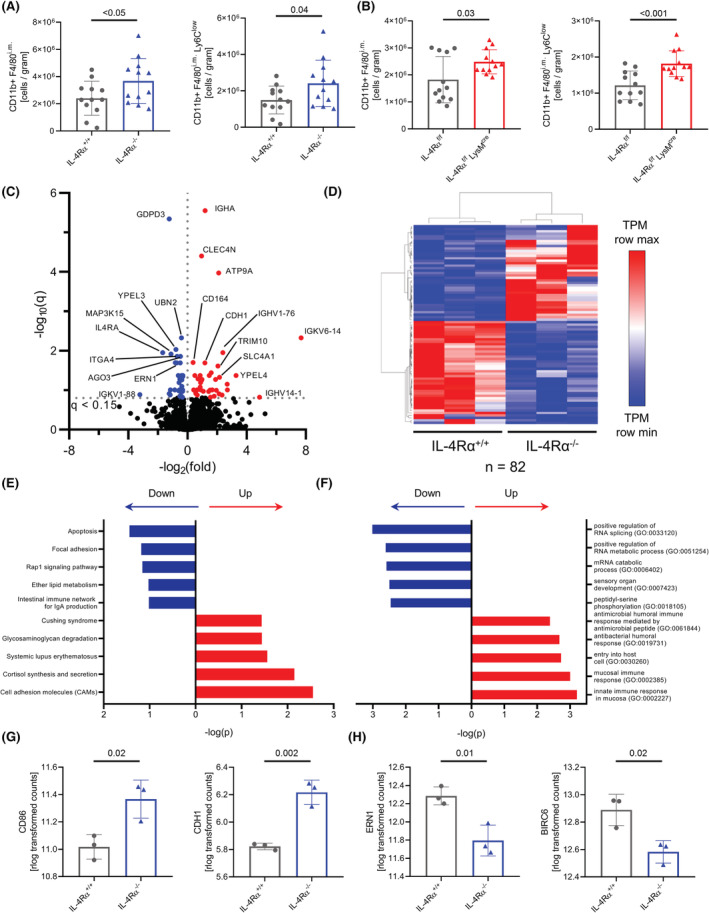
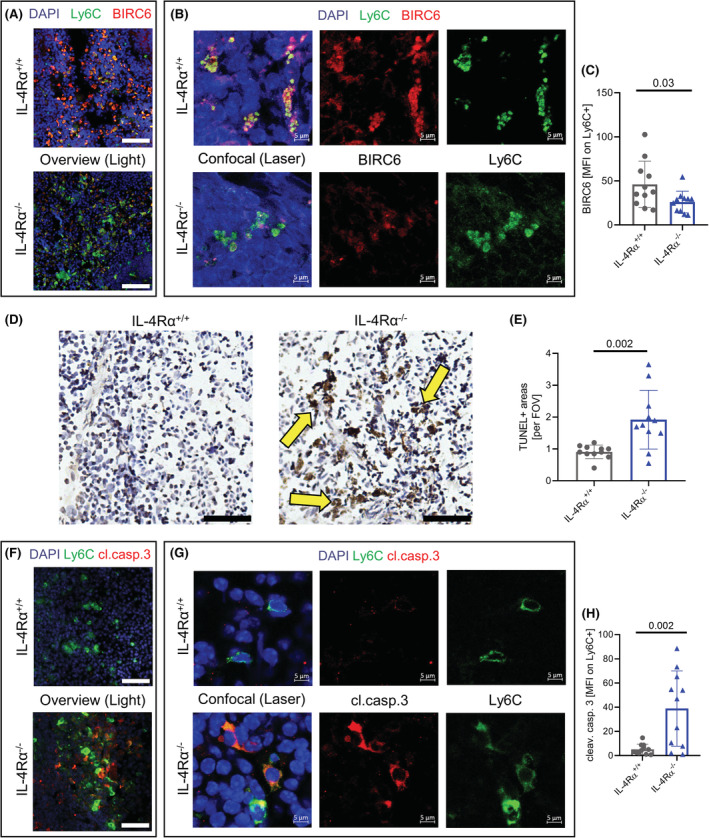
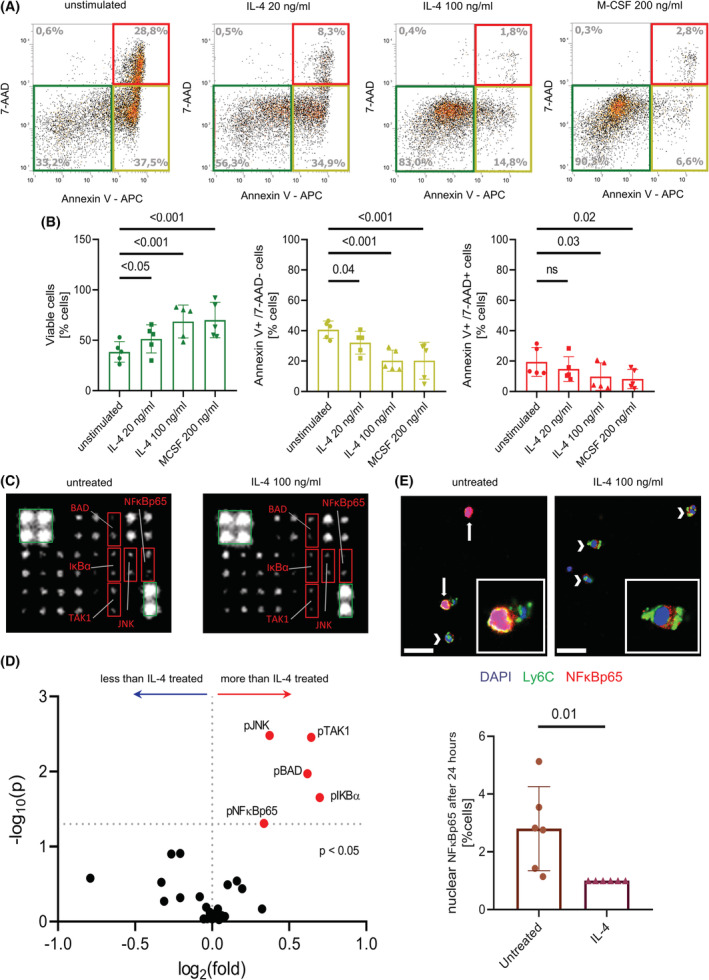
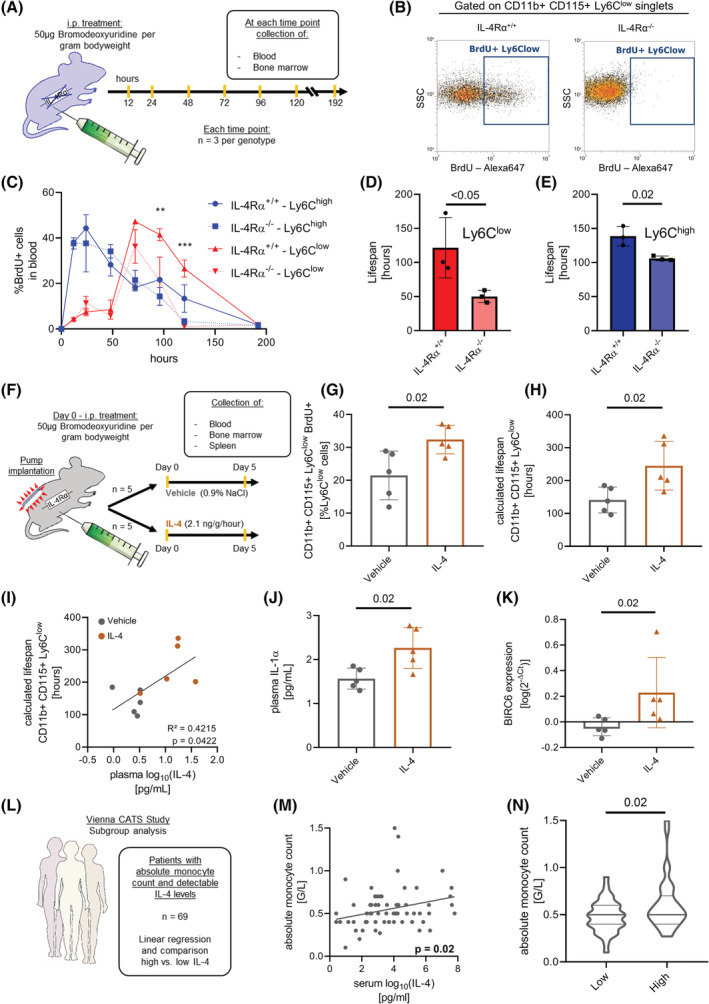
Interleukin-4 (IL-4) and its receptors (IL-4R) promote the proliferation and polarization of macrophages. However, it is unknown if IL-4R also influences monocyte homeostasis and if steady state IL-4 levels are sufficient to affect monocytes. Employing full IL-4 receptor alpha knockout mice (IL-4Rα ) and mice with a myeloid-specific deletion of IL-4Rα (IL-4Rα LysM ), we show that IL-4 acts as a homeostatic factor regulating circulating monocyte numbers. In the absence of IL-4Rα, murine monocytes in blood were reduced by 50% without altering monocytopoiesis in the bone marrow. This reduction was accompanied by a decrease in monocyte-derived inflammatory cytokines in the plasma. RNA sequencing analysis and immunohistochemical staining of splenic monocytes revealed changes in mRNA and protein levels of anti-apoptotic factors including BIRC6 in IL-4Rα knockout animals. Furthermore, assessment of monocyte lifespan in vivo measuring BrdU cells revealed that the lifespan of circulating monocytes was reduced by 55% in IL-4Rα mice, whereas subcutaneously applied IL-4 prolonged it by 75%. Treatment of human monocytes with IL-4 reduced the amount of dying monocytes in vitro. Furthermore, IL-4 stimulation reduced the phosphorylation of proteins involved in the apoptosis pathway, including the phosphorylation of the NFκBp65 protein. In a cohort of human patients, serum IL-4 levels were significantly associated with monocyte counts. In a sterile peritonitis model, reduced monocyte counts resulted in an attenuated recruitment of monocytes upon inflammatory stimulation in IL-4Rα LysM mice without changes in overall migratory function. Thus, we identified a homeostatic role of IL-4Rα in regulating the lifespan of monocytes in vivo.
白细胞介素-4(IL-4)及其受体(IL-4R)促进巨噬细胞的增殖和极化。然而,目前尚不清楚 IL-4R 是否也会影响单核细胞的稳态,以及稳态 IL-4 水平是否足以影响单核细胞。我们利用完全 IL-4 受体 alpha 敲除小鼠(IL-4Rα)和骨髓中 IL-4Rα 特异性缺失的小鼠(IL-4Rα LysM),表明 IL-4 是一种调节循环单核细胞数量的稳态因子。在缺乏 IL-4Rα 的情况下,血液中的小鼠单核细胞减少了 50%,而骨髓中的单核细胞生成没有改变。这种减少伴随着血浆中单核细胞衍生的炎性细胞因子的减少。脾脏单核细胞的 RNA 测序分析和免疫组织化学染色显示,IL-4Rα 敲除动物的抗凋亡因子包括 BIRC6 的 mRNA 和蛋白水平发生了变化。此外,通过测量 BrdU 细胞来评估体内单核细胞的寿命,发现 IL-4Rα 小鼠循环单核细胞的寿命缩短了 55%,而皮下应用 IL-4 则延长了 75%。用 IL-4 处理人单核细胞可减少体外死亡单核细胞的数量。此外,IL-4 刺激可降低参与凋亡途径的蛋白质的磷酸化,包括 NFκBp65 蛋白的磷酸化。在一组人类患者中,血清 IL-4 水平与单核细胞计数显著相关。在无菌性腹膜炎模型中,IL-4Rα LysM 小鼠在炎症刺激下单核细胞计数减少导致单核细胞募集减少,但整体迁移功能没有改变。因此,我们确定了 IL-4Rα 在调节体内单核细胞寿命方面的稳态作用。