Department of Toxicology, School of Public Health, Guangxi Medical University, No. 22, Shuang-yong Rd., Nanning, 530021, Guangxi, China.
Guangxi Colleges and Universities Key Laboratory of Prevention and Control of Highly Prevalent Diseases, Guangxi Medical University, Nanning, China.
Neurochem Res. 2023 Jan;48(1):238-249. doi: 10.1007/s11064-022-03739-1. Epub 2022 Sep 5.
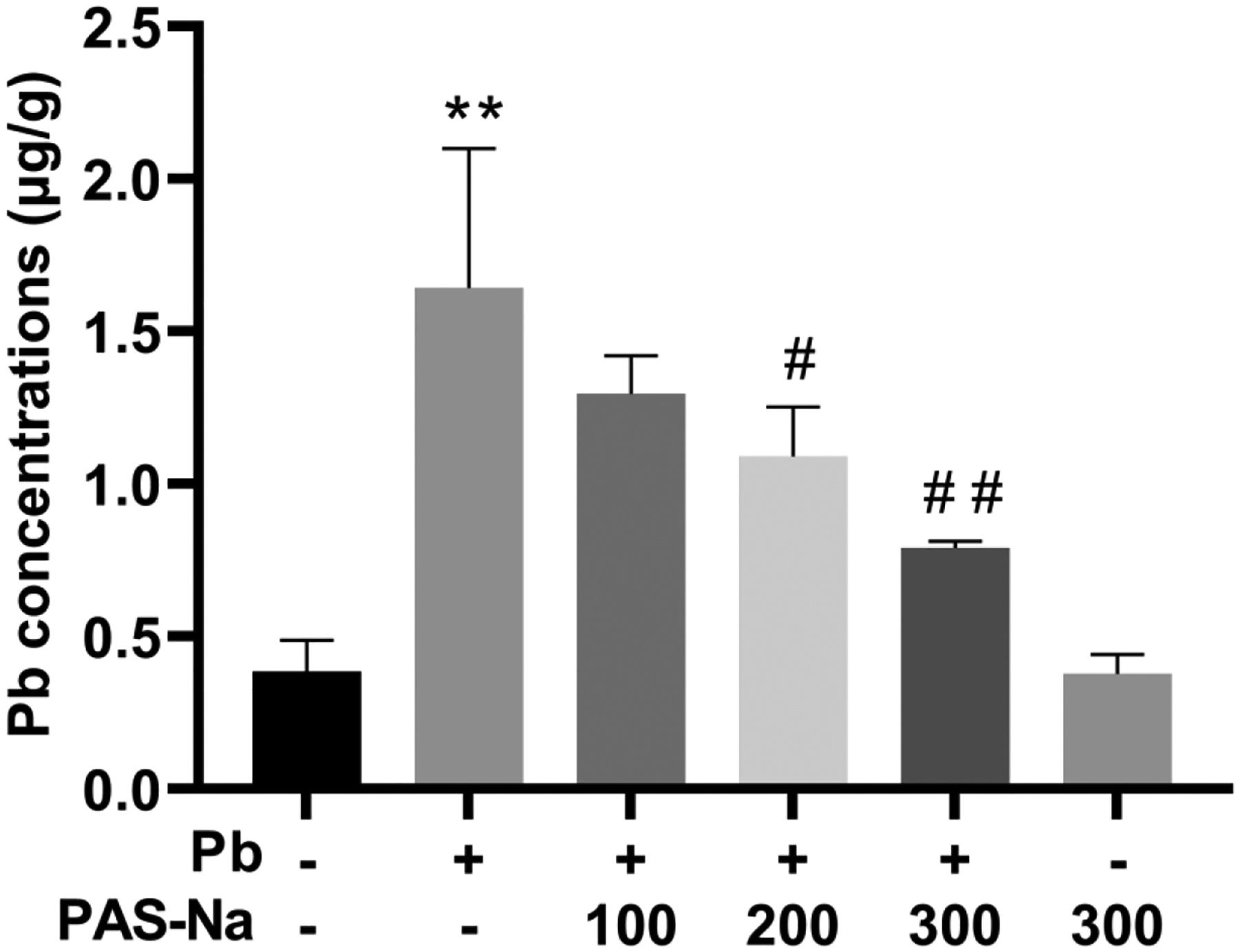
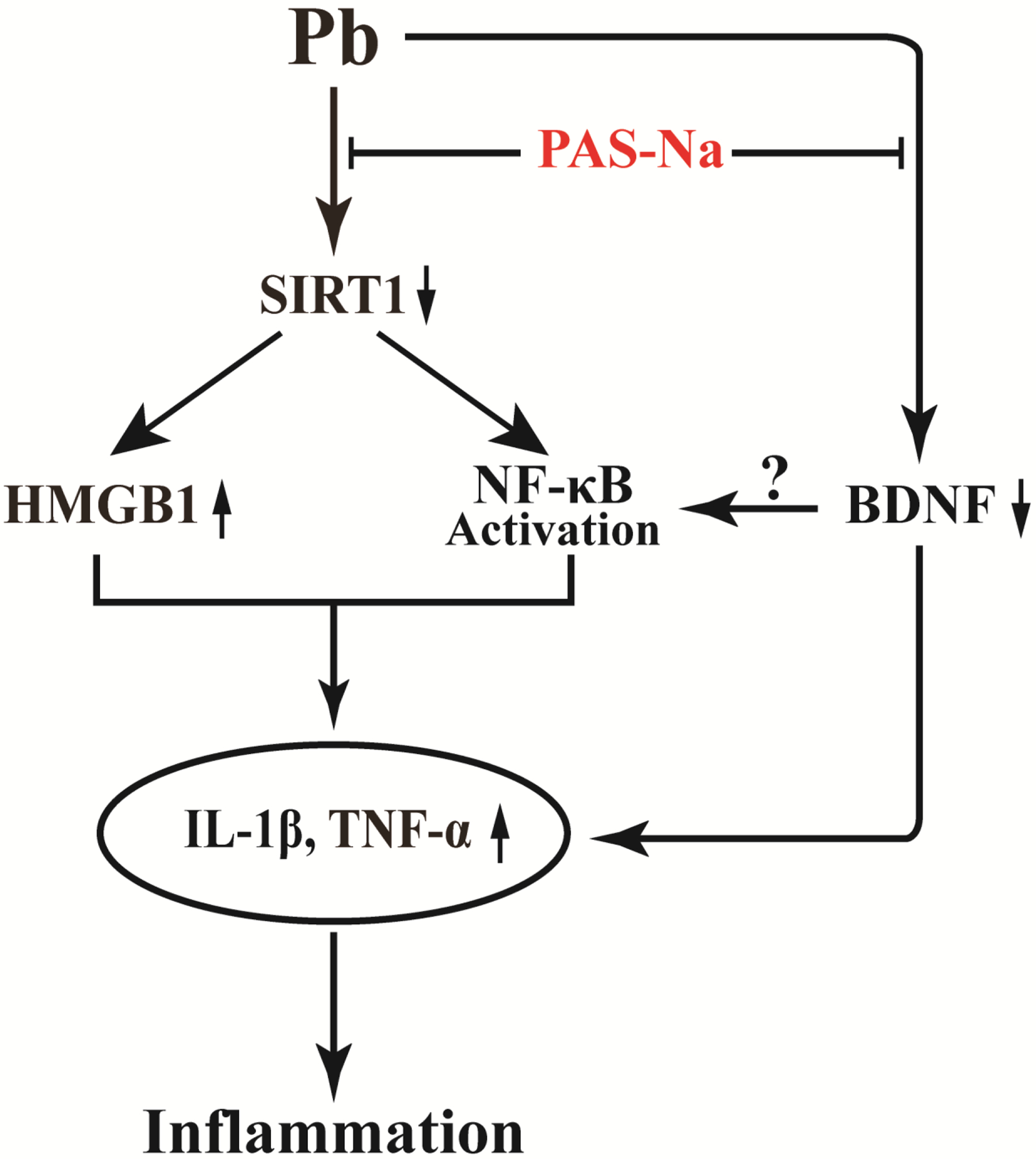
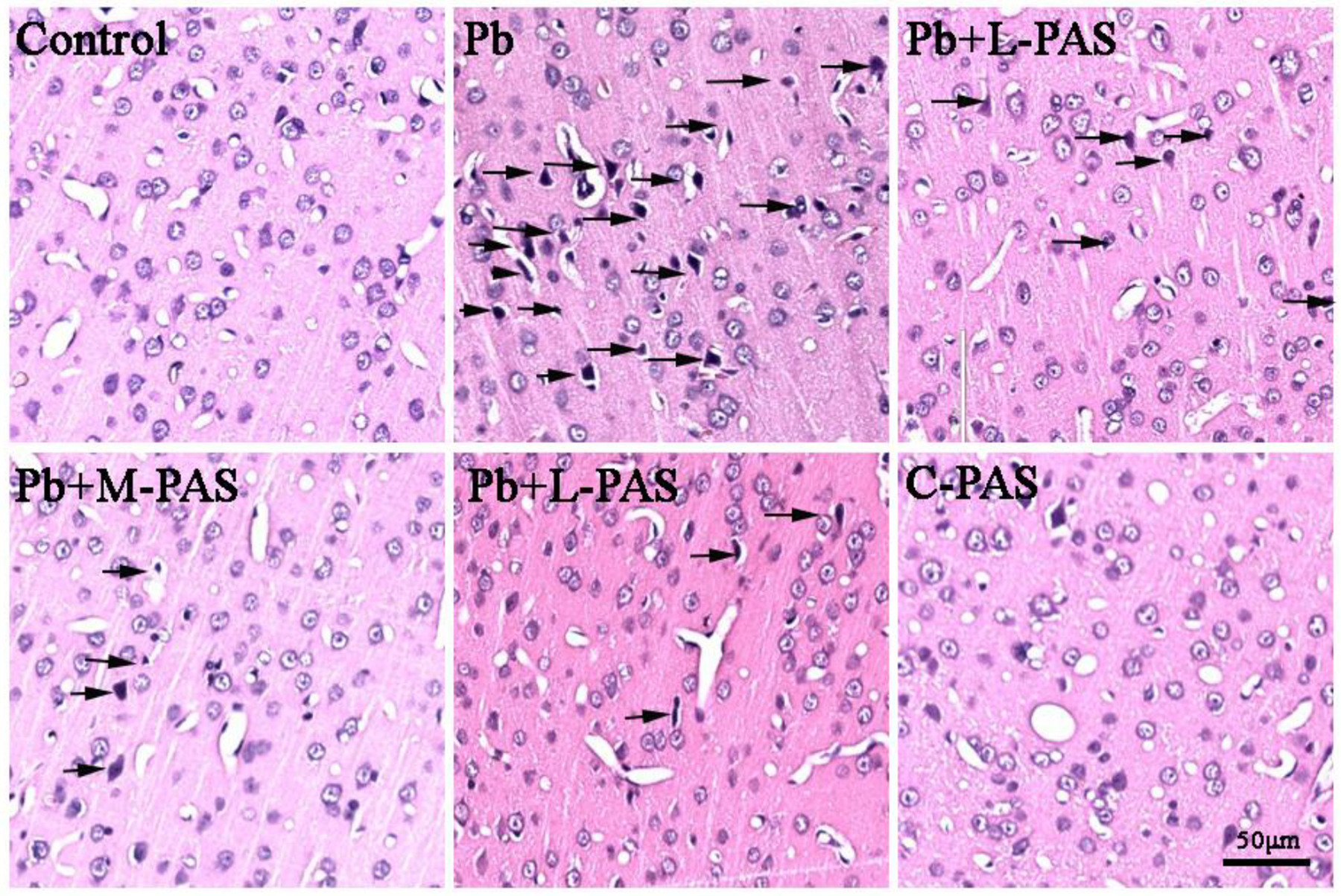
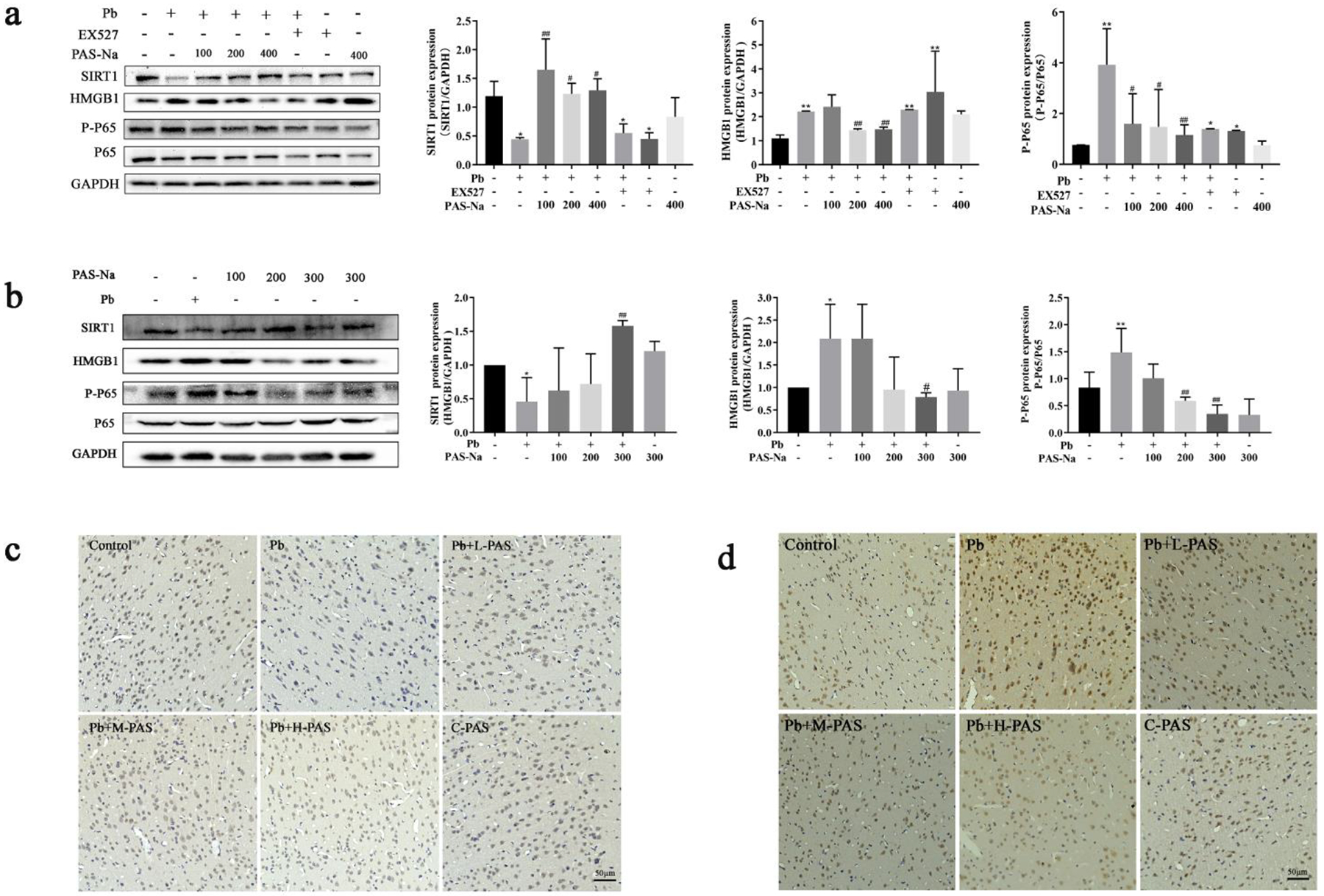
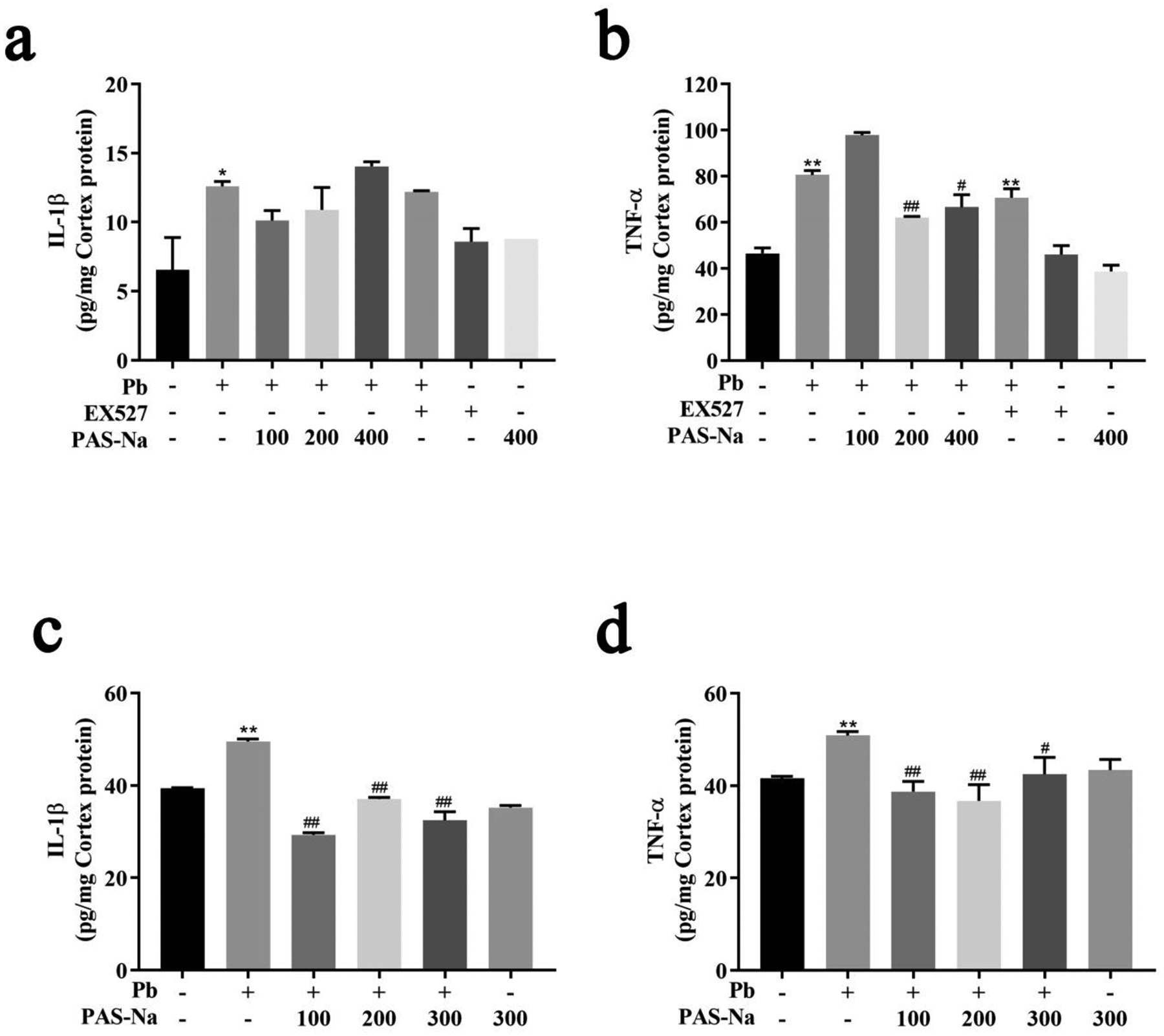
Lead (Pb) is considered to be a major environmental pollutant and occupational health hazard worldwide which may lead to neuroinflammation. However, an effective treatment for Pb-induced neuroinflammation remains elusive. The aim of this study was to investigate the mechanisms of Pb-induced neuroinflammation, and the therapeutic effect of sodium para-aminosalicylic acid (PAS-Na, a non-steroidal anti-inflammatory drug) in rat cerebral cortex. The results indicated that Pb exposure induced pathological damage in cerebral cortex, accompanied by increased levels of inflammatory factors tumor necrosis factor-alpha (TNF-α) and interleukin-1 beta (IL-1β). Moreover, Pb decreased the expression of silencing information regulator 2 related enzyme 1 (SIRT1) and brain-derived neurotrophic factor (BDNF), and increased the levels of high mobile group box 1 (HMGB1) expression and p65 nuclear factor-κB (NF-κB) phosphorylation. PAS-Na treatment ameliorated Pb-induced histopathological changes in rat cerebral cortex. Moreover, PAS-Na reduced the Pb-induced increase of TNF-α and IL-1β levels concomitant with a significant increase in SIRT1 and BDNF levels, and a decrease in HMGB1 and the phosphorylation of p65 NF-κB expression. Thus, PAS-Na may exert anti-inflammatory effects by mediating the SIRT1/HMGB1/NF-κB pathway and BDNF expression. In conclusion, in this novel study PAS-Na was shown to possess an anti-inflammatory effect on cortical neuroinflammation, establishing its efficacy as a potential treatment for Pb exposures.
铅(Pb)被认为是一种主要的环境污染物和职业健康危害,可能导致神经炎症。然而,有效的治疗方法仍然难以捉摸。本研究旨在探讨 Pb 诱导的神经炎症的机制,以及对大鼠大脑皮质中对氨基水杨酸钠(PAS-Na,一种非甾体抗炎药)的治疗效果。结果表明,Pb 暴露导致大脑皮质发生病理损伤,同时炎症因子肿瘤坏死因子-α(TNF-α)和白细胞介素-1β(IL-1β)水平升高。此外,Pb 降低了沉默信息调节因子 2 相关酶 1(SIRT1)和脑源性神经营养因子(BDNF)的表达,并增加了高迁移率族蛋白 1(HMGB1)表达和 p65 核因子-κB(NF-κB)磷酸化的水平。PAS-Na 治疗改善了大鼠大脑皮质中 Pb 诱导的组织病理学变化。此外,PAS-Na 降低了 Pb 诱导的 TNF-α和 IL-1β水平的增加,同时 SIRT1 和 BDNF 水平显著增加,HMGB1 和 p65 NF-κB 表达的磷酸化减少。因此,PAS-Na 可能通过调节 SIRT1/HMGB1/NF-κB 通路和 BDNF 表达发挥抗炎作用。总之,在这项新的研究中,PAS-Na 被证明对皮质神经炎症具有抗炎作用,为其作为 Pb 暴露的潜在治疗方法提供了依据。