Department of Medial Microbiology and Immunology, School of Medicine, University of California, Davis, Davis, United States.
Center for Biodefense and Emerging Infectious Diseases, University of Texas Medical Branch, Galveston, United States.
Elife. 2022 Sep 7;11:e63327. doi: 10.7554/eLife.63327.
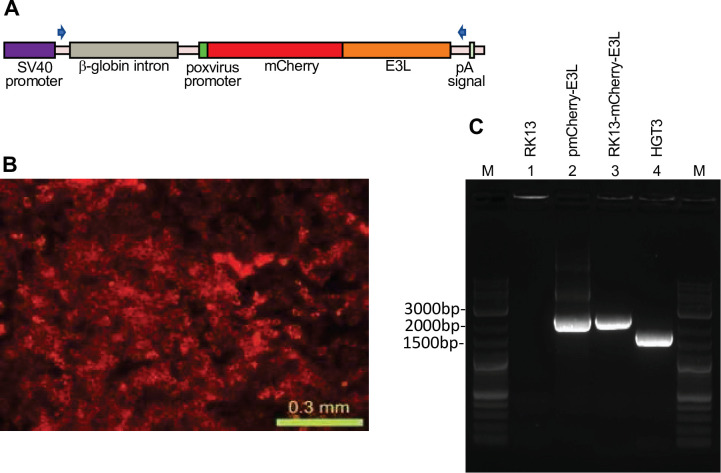
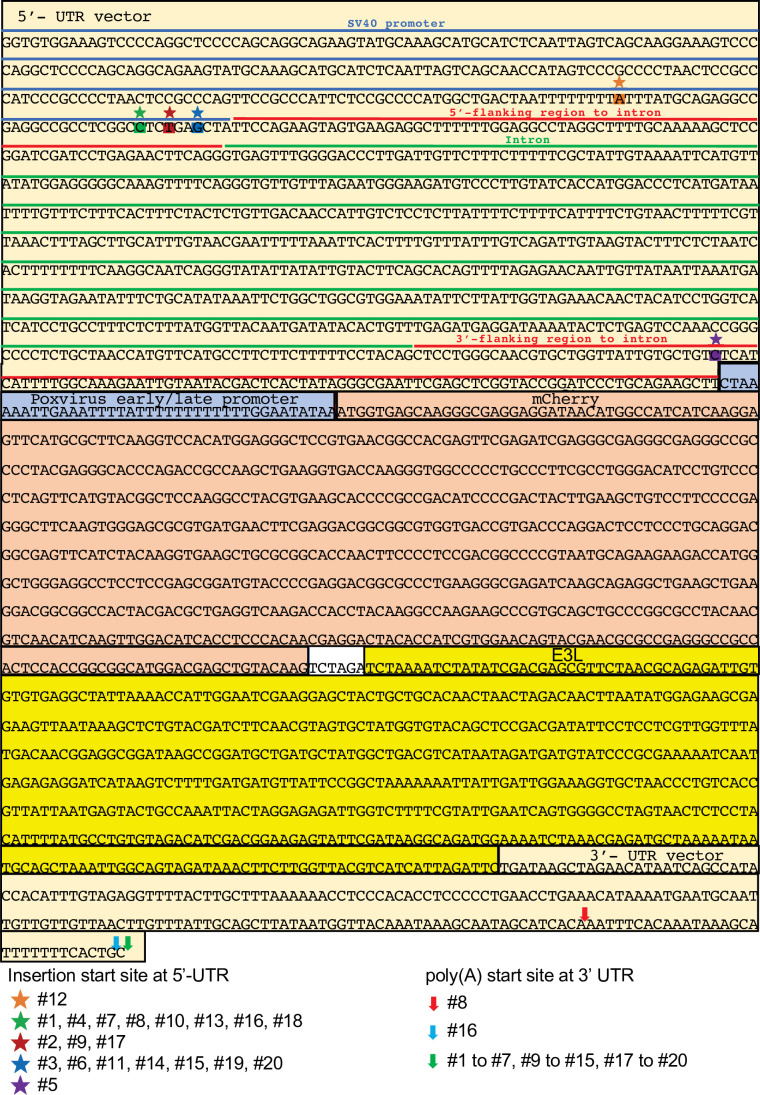
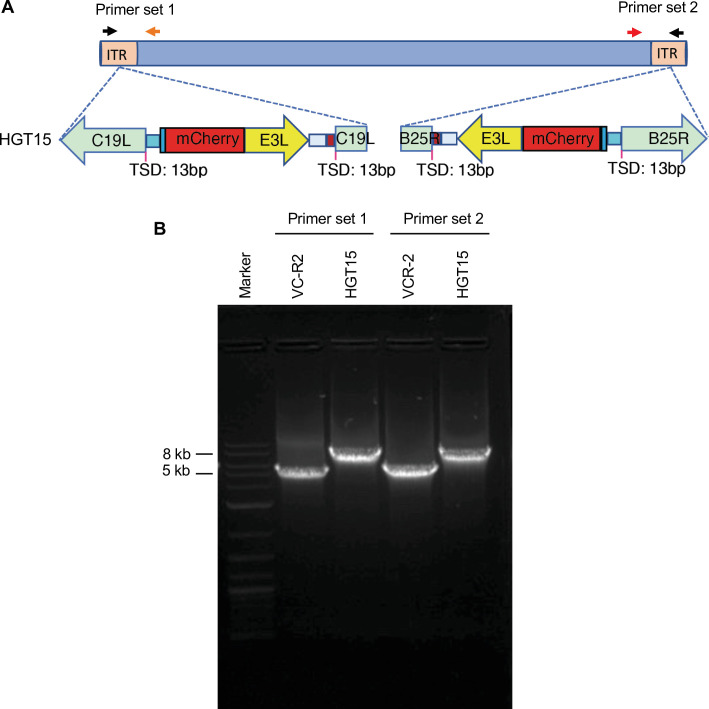
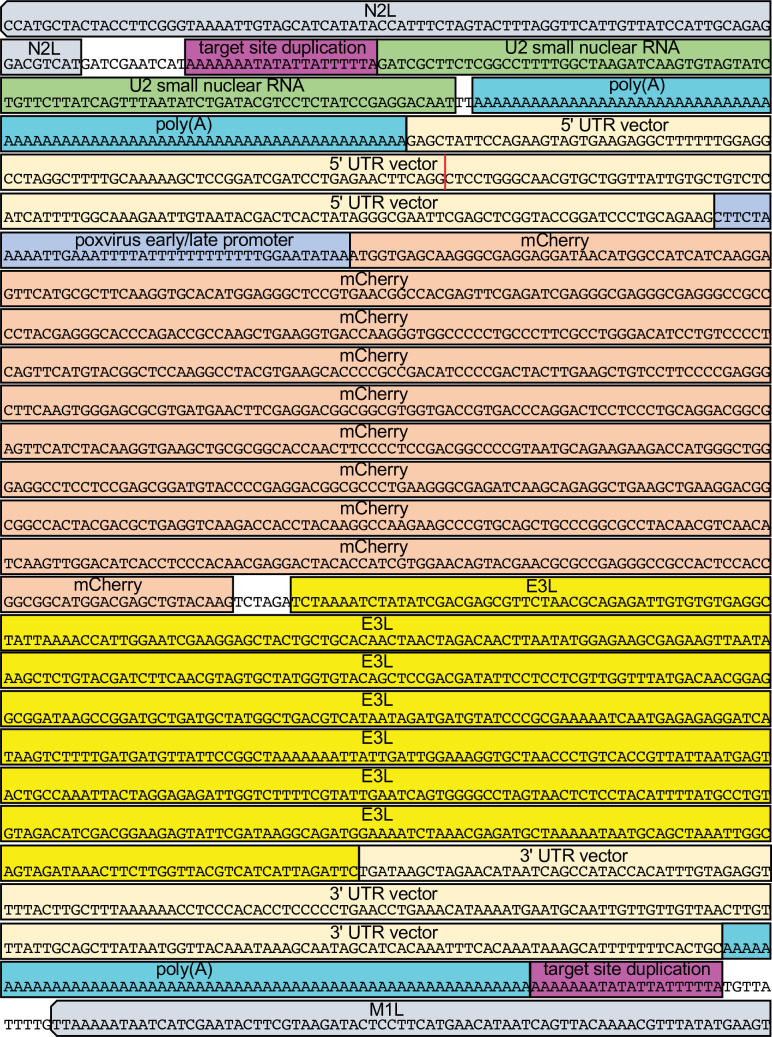
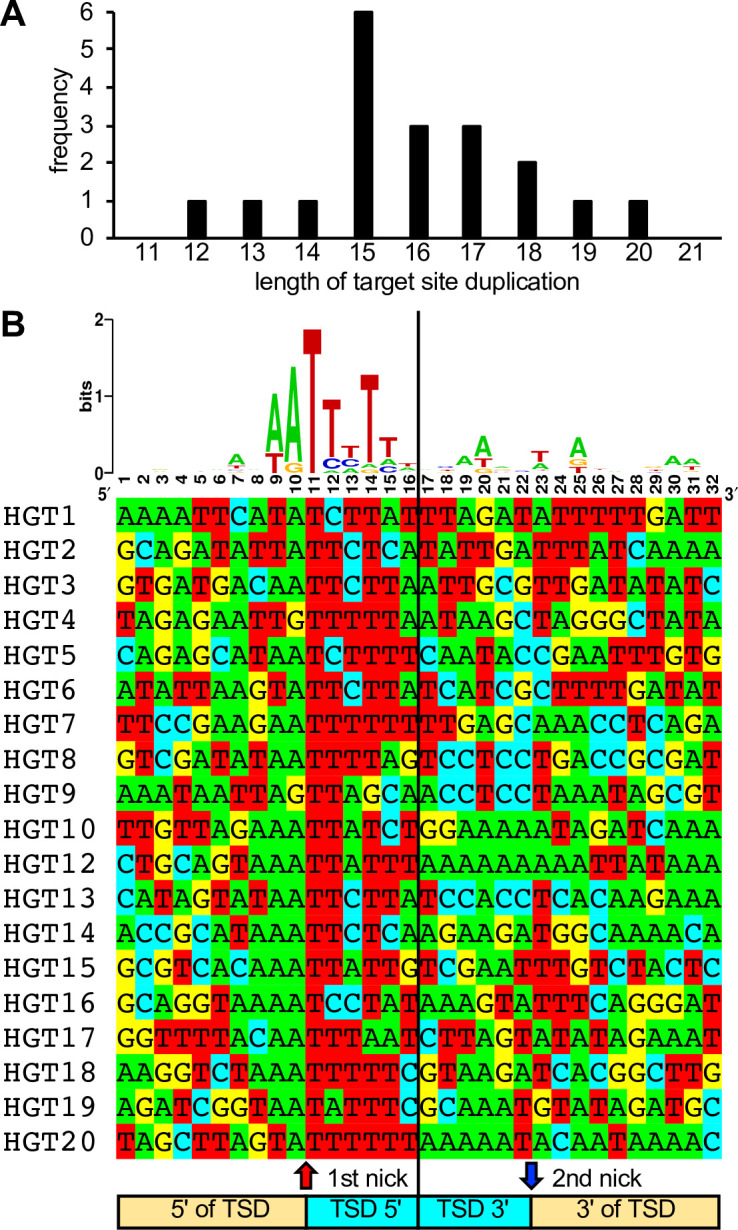
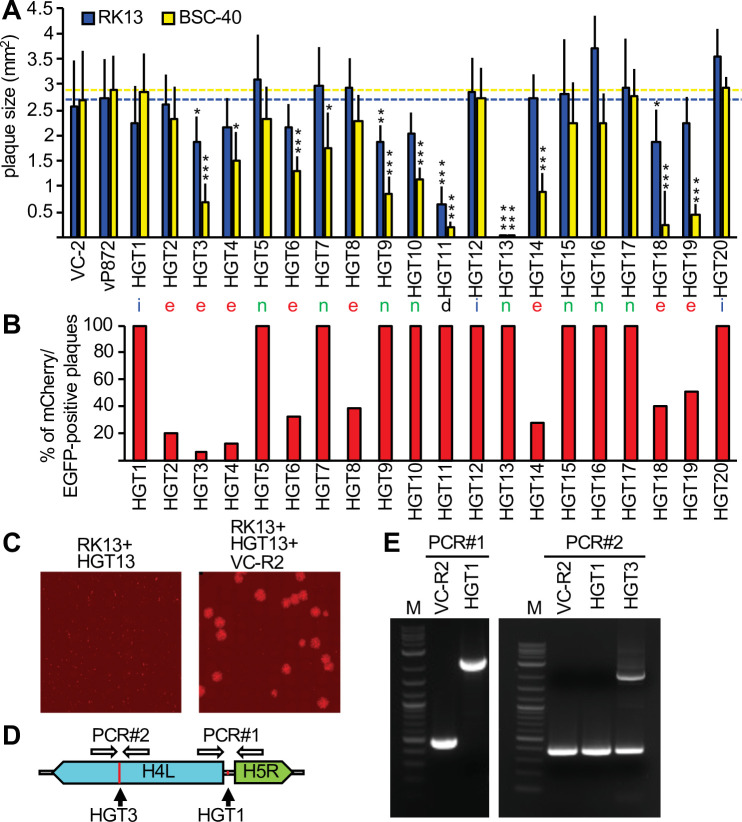
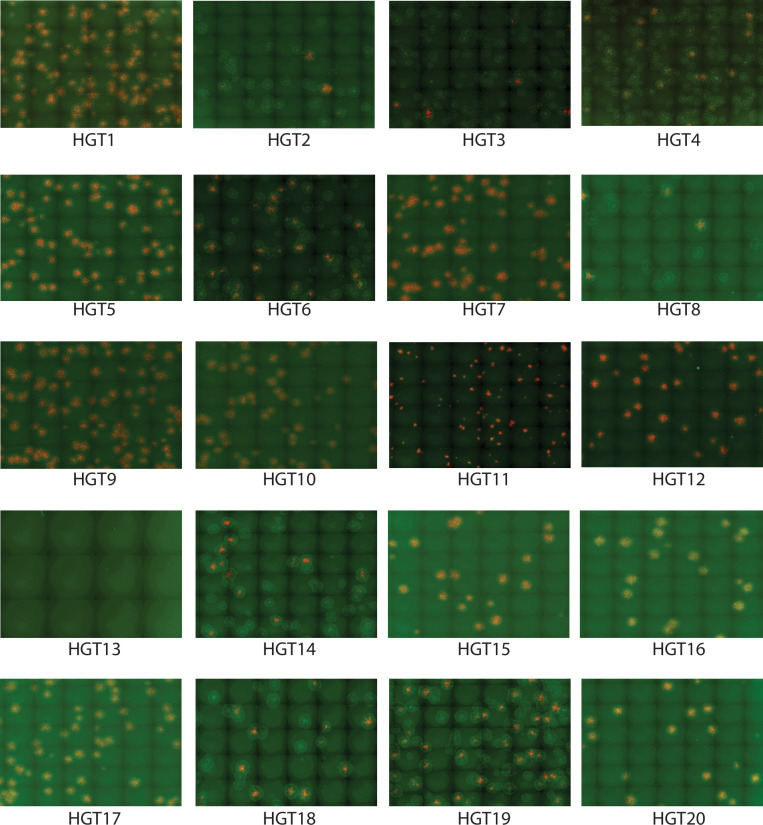
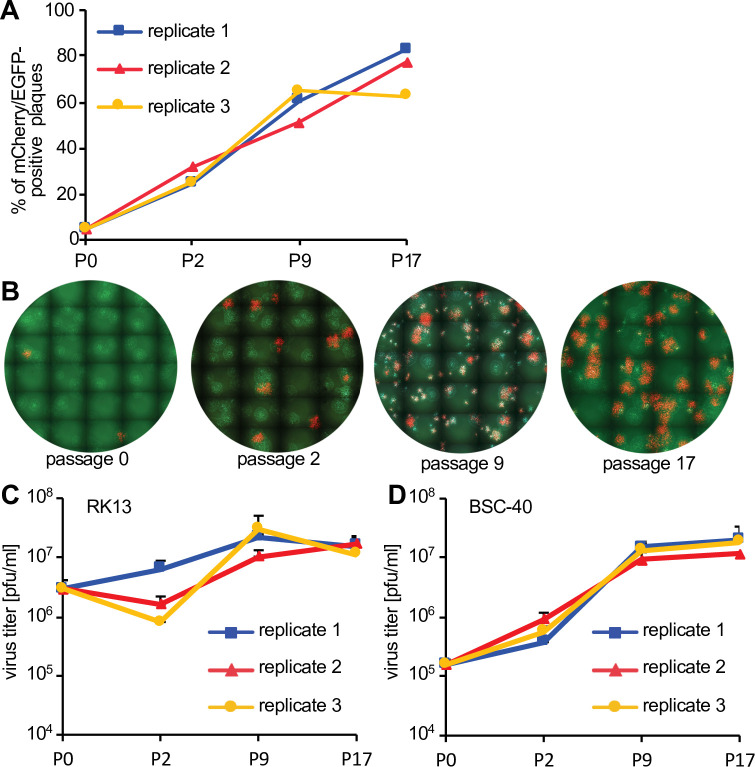
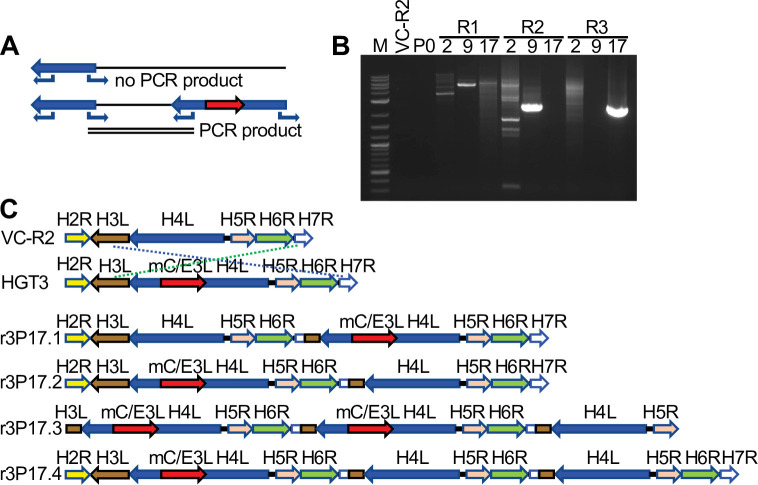
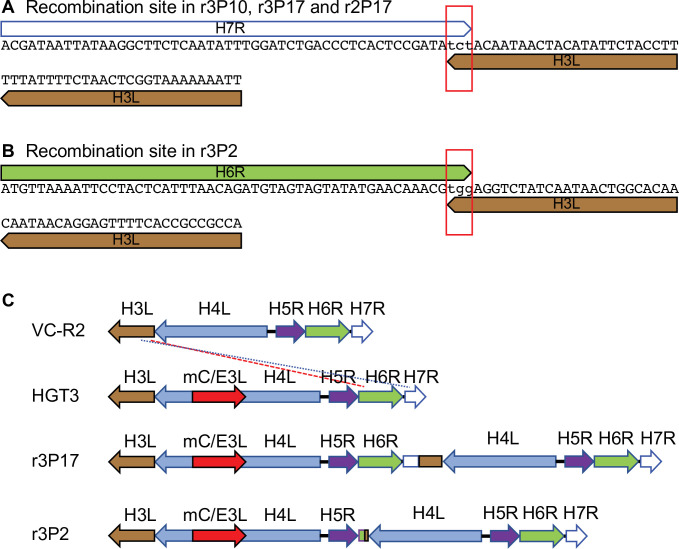
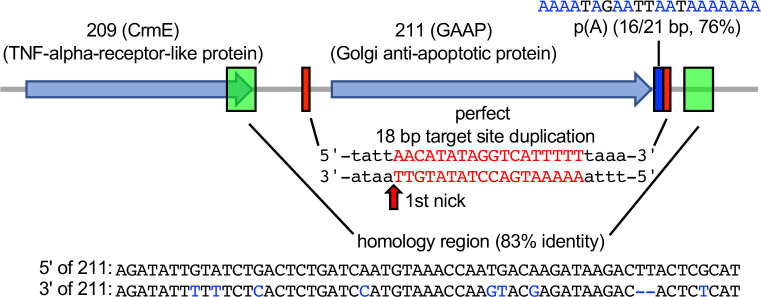
There is ample phylogenetic evidence that many critical virus functions, like immune evasion, evolved by the acquisition of genes from their hosts through horizontal gene transfer (HGT). However, the lack of an experimental system has prevented a mechanistic understanding of this process. We developed a model to elucidate the mechanisms of HGT into vaccinia virus, the prototypic poxvirus. All identified gene capture events showed signatures of long interspersed nuclear element-1 (LINE-1)-mediated retrotransposition, including spliced-out introns, polyadenylated tails, and target site duplications. In one case, the acquired gene integrated together with a polyadenylated host U2 small nuclear RNA. Integrations occurred across the genome, in some cases knocking out essential viral genes. These essential gene knockouts were rescued through a process of complementation by the parent virus followed by nonhomologous recombination during serial passaging to generate a single, replication-competent virus. This work links multiple evolutionary mechanisms into one adaptive cascade and identifies host retrotransposons as major drivers for virus evolution.
有充分的系统发育证据表明,许多关键的病毒功能,如免疫逃避,是通过水平基因转移(HGT)从宿主获得基因进化而来的。然而,缺乏实验系统阻止了对这一过程的机制理解。我们开发了一种模型来阐明痘苗病毒(典型的痘病毒)中 HGT 的机制。所有鉴定的基因捕获事件都显示出长散布核元件-1(LINE-1)介导的逆转录转座的特征,包括拼接出的内含子、聚腺苷酸化尾巴和靶位点重复。在一种情况下,获得的基因与聚腺苷酸化的宿主 U2 小核 RNA 一起整合。整合发生在整个基因组中,在某些情况下敲除了必需的病毒基因。这些必需基因的敲除通过亲代病毒的互补作用以及在连续传代过程中的非同源重组来挽救,从而产生一个单一的、具有复制能力的病毒。这项工作将多种进化机制联系成一个适应性级联,并将宿主逆转录转座子确定为病毒进化的主要驱动因素。