Hu Henglong, Zhou Mengqi, Yang Binrui, Zhou Shiwei, Liu Zheng, Zhang Jiaqiao
Department of Urology, Institute of Urology, Tongji Hospital, Tongji Medical College, Huazhong University of Science and Technology, No. 1095 Jiefang Avenue, Wuhan 430030, China.
College of Life Science and Technology, Huazhong University of Science and Technology, 1037 Luoyu Road, Wuhan 430074, China.
J Clin Med. 2022 Aug 28;11(17):5049. doi: 10.3390/jcm11175049.
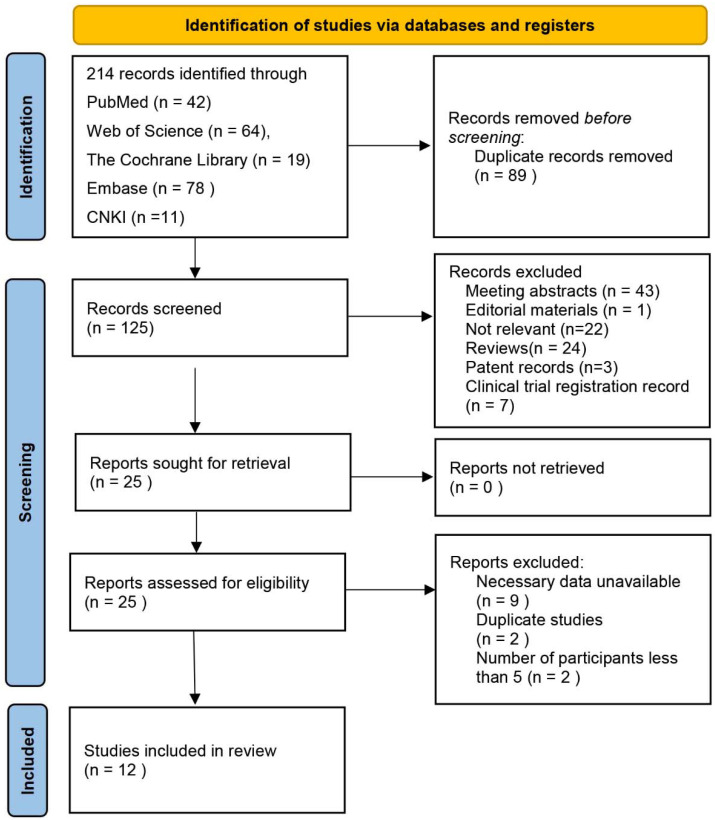
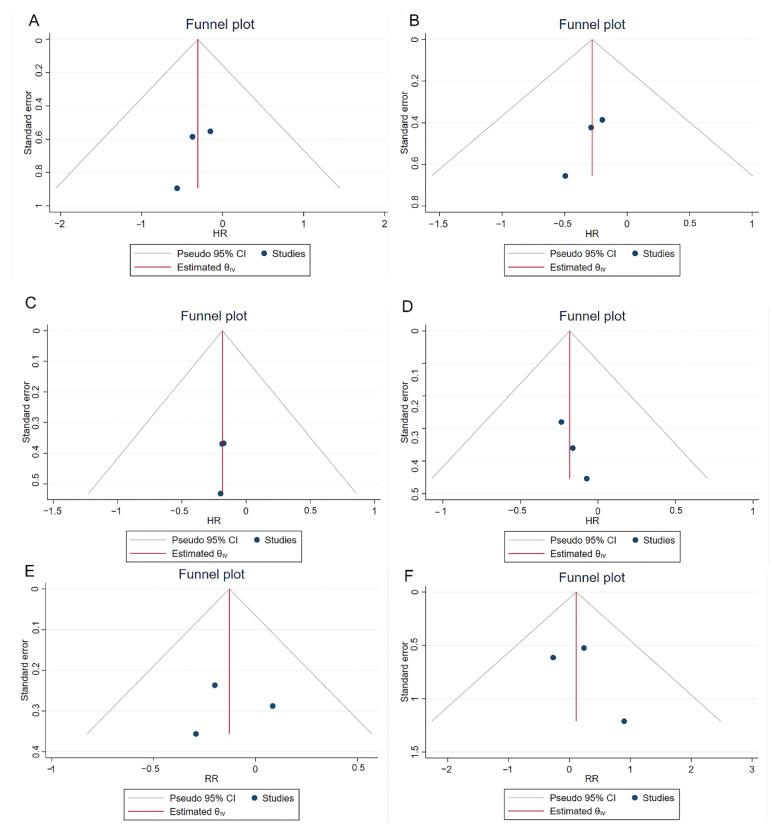
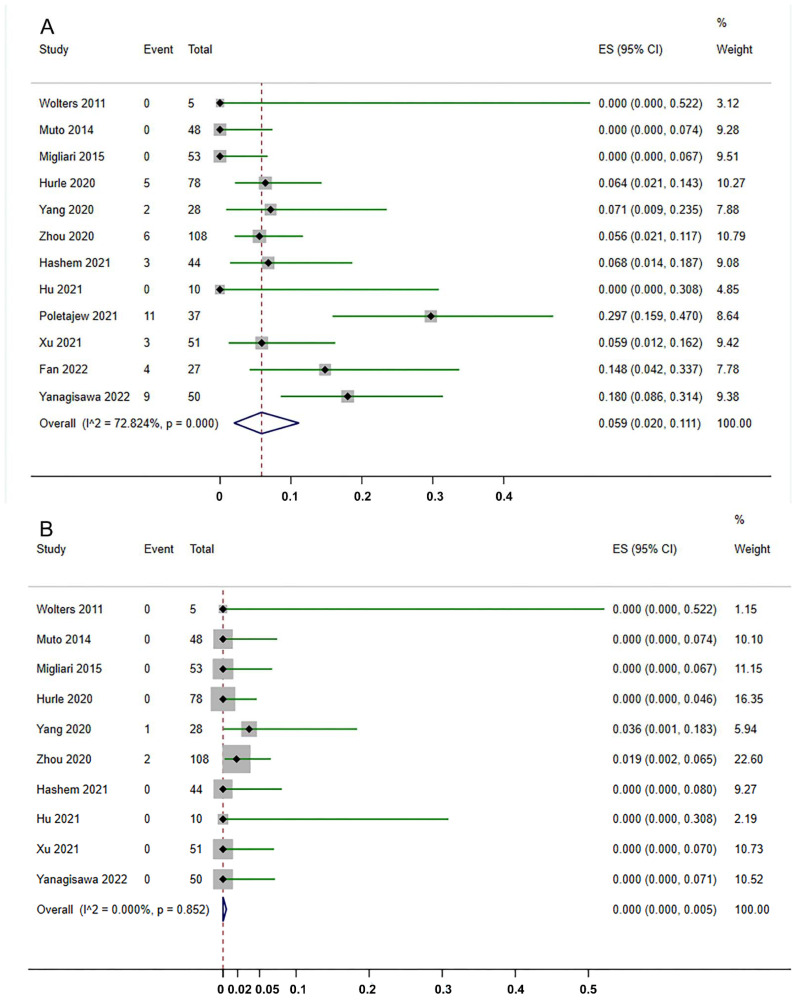
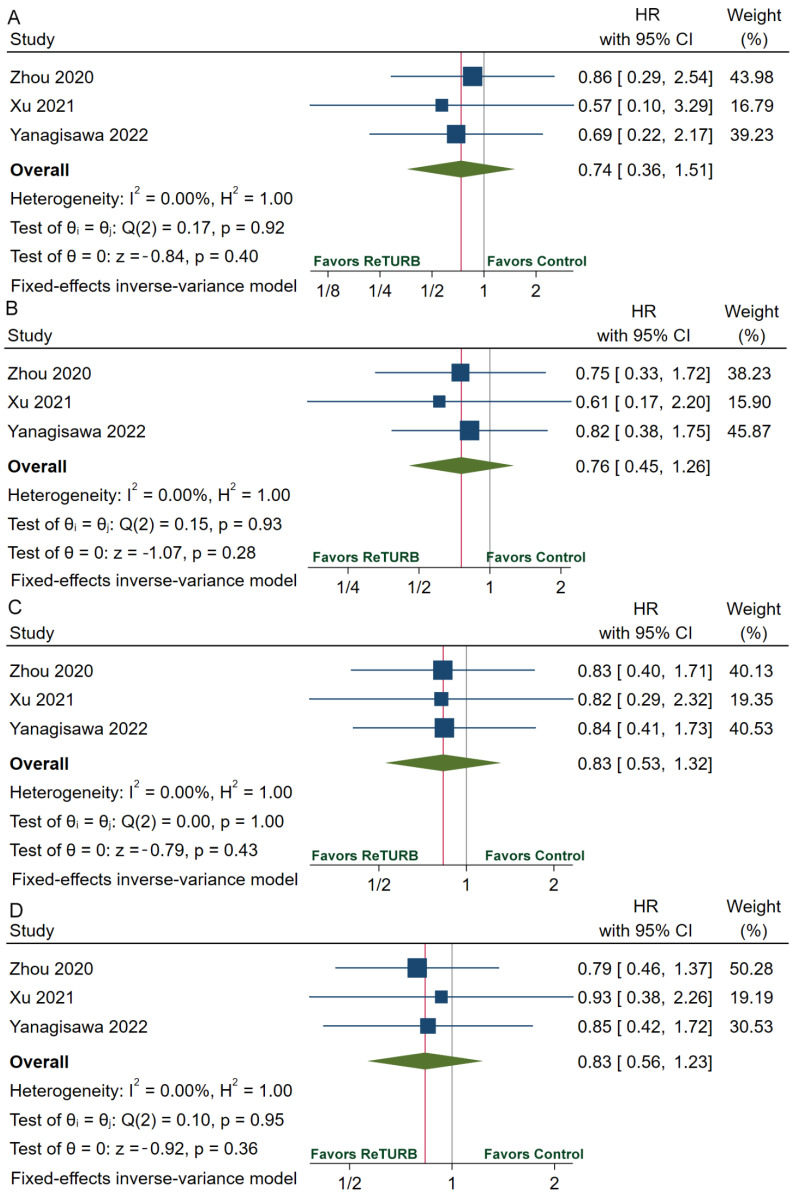
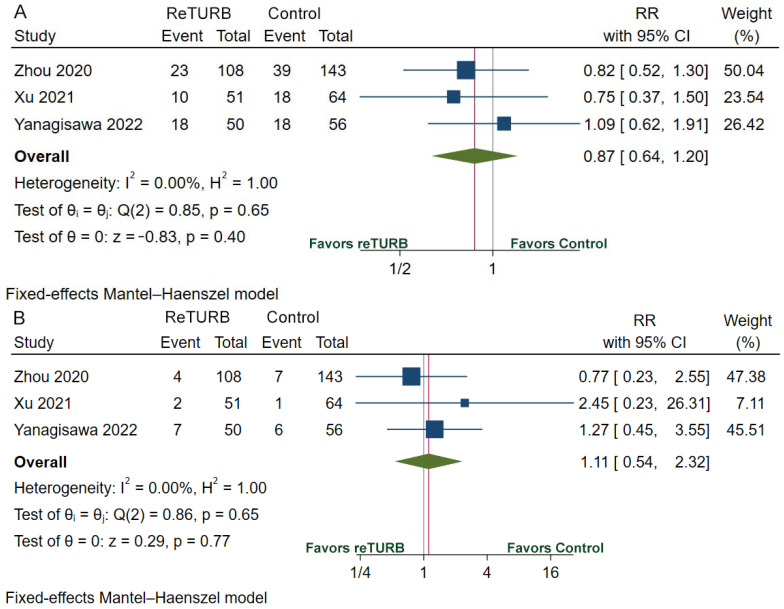
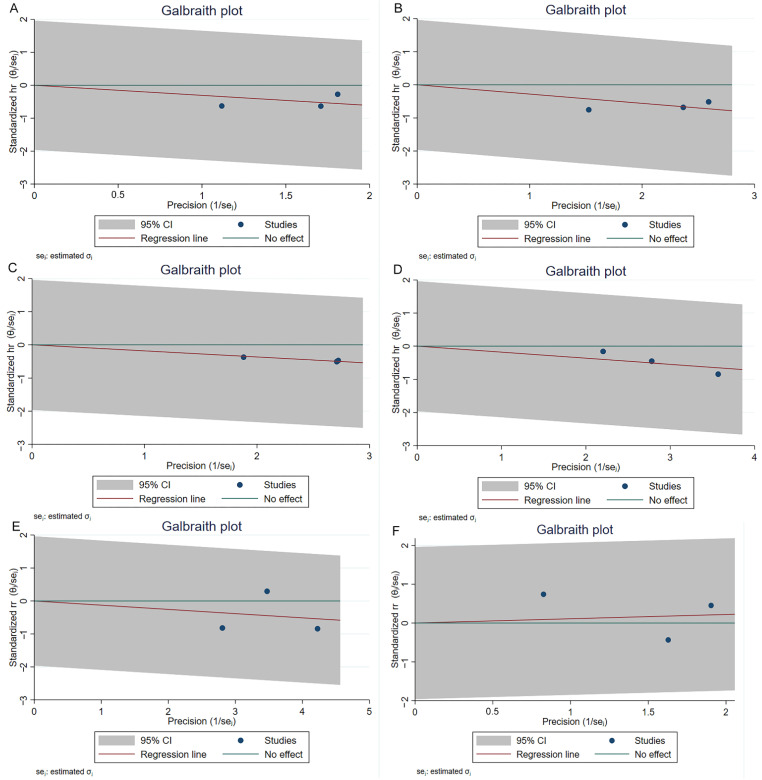
International guidelines recommend repeat transurethral resection of bladder tumors (reTURB) for selected patients with high-risk non-muscle invasive bladder cancer to remove possible residual tumors, restage tumors and improve the therapeutic outcome. However, most evidence supporting the benefits of reTURB is from conventional TURB. The role of reTURB in patients receiving initial En bloc resection of bladder tumor (ERBT) is still unknown. PubMed, Embase, Web of Science, The Cochrane Library, and China National Knowledge Infrastructure (CNKI) were systematically searched. Finally, this systematic review and meta-analysis included twelve articles, including 539 patients. The rates of residual tumor and tumor upstaging detected by reTURB after ERBT were 5.9% (95%CI, 2.0%-11.1%) and 0.0% (95%CI, 0.0%-0.5%), respectively. Recurrence-free survival, tumor recurrence and progression were comparable between patients with and without reTURB after initial ERBT. The pooled hazard ratios of 1-year, 2-year, 3-year and 5-year recurrence-free survival were 0.74 (95%CI, 0.36-1.51; = 0.40), 0.76 (95%CI, 0.45-1.26; = 0.28), 0.83 (95%CI, 0.53-1.32; = 0.43) and 0.83 (95%CI, 0.56-1.23; = 0.36), respectively. The pooled relative risks of recurrence and progression were 0.87 (95%CI, 0.64-1.20; = 0.40) and 1.11 (95%CI, 0.54-2.32; = 0.77), respectively. Current evidence demonstrates that reTURB after ERBT for bladder cancer can detect relatively low rates of residual tumor and tumor upstaging and appears not to improve either recurrence or progression.
国际指南推荐,对于部分高危非肌层浸润性膀胱癌患者,应再次行经尿道膀胱肿瘤切除术(reTURB),以切除可能残留的肿瘤、重新分期肿瘤并改善治疗效果。然而,大多数支持reTURB益处的证据来自传统经尿道膀胱肿瘤切除术(TURB)。reTURB在接受初次整块切除膀胱肿瘤(ERBT)的患者中的作用仍不明确。我们系统检索了PubMed、Embase、Web of Science、Cochrane图书馆和中国知网(CNKI)。最终,本系统评价和荟萃分析纳入了12篇文章,共539例患者。ERBT术后行reTURB检测到的残留肿瘤率和肿瘤分期上调率分别为5.9%(95%CI,2.0%-11.1%)和0.0%(95%CI,0.0%-0.5%)。初次ERBT术后接受和未接受reTURB的患者之间,无复发生存率、肿瘤复发和进展情况相当。1年、2年、3年和5年无复发生存率的合并风险比分别为0.74(95%CI,0.36-1.51;P = 0.40)、0.76(95%CI,0.45-1.26;P = 0.28)、0.83(95%CI,0.53-1.32;P = 0.43)和0.83(95%CI,0.56-1.23;P = 0.36)。复发和进展的合并相对风险分别为0.87(95%CI,0.64-1.20;P = 0.40)和1.11(95%CI,0.54-2.32;P = 0.77)。目前的证据表明,膀胱癌ERBT术后行reTURB检测到的残留肿瘤率和肿瘤分期上调率相对较低,且似乎并未改善复发或进展情况。