• 文献检索
  • 文档翻译
  • 深度研究
  • 学术资讯
  • Suppr Zotero 插件Zotero 插件
  • 邀请有礼
  • 套餐&价格
  • 历史记录
应用&插件
Suppr Zotero 插件Zotero 插件浏览器插件Mac 客户端Windows 客户端微信小程序
定价
高级版会员购买积分包购买API积分包
服务
文献检索文档翻译深度研究API 文档MCP 服务
关于我们
关于 Suppr公司介绍联系我们用户协议隐私条款
关注我们

Suppr 超能文献

核心技术专利:CN118964589B侵权必究
粤ICP备2023148730 号-1Suppr @ 2026

文献检索

告别复杂PubMed语法,用中文像聊天一样搜索,搜遍4000万医学文献。AI智能推荐,让科研检索更轻松。

立即免费搜索

文件翻译

保留排版,准确专业,支持PDF/Word/PPT等文件格式,支持 12+语言互译。

免费翻译文档

深度研究

AI帮你快速写综述,25分钟生成高质量综述,智能提取关键信息,辅助科研写作。

立即免费体验

智能诊断:人工智能与体外诊断的结合。

Smart Diagnostics: Combining Artificial Intelligence and In Vitro Diagnostics.

机构信息

Department of Molecular Pathobiology, Division of Biomaterials, Bioengineering Institute, New York University College of Dentistry, 433 First Ave. Rm 822, New York, NY 10010, USA.

Department of Pathology, Vilcek Institute, New York University School of Medicine, 160 E 34th St, New York, NY 10016, USA.

出版信息

Sensors (Basel). 2022 Aug 24;22(17):6355. doi: 10.3390/s22176355.

DOI:10.3390/s22176355
PMID:36080827
原文链接:https://pmc.ncbi.nlm.nih.gov/articles/PMC9459970/
Abstract

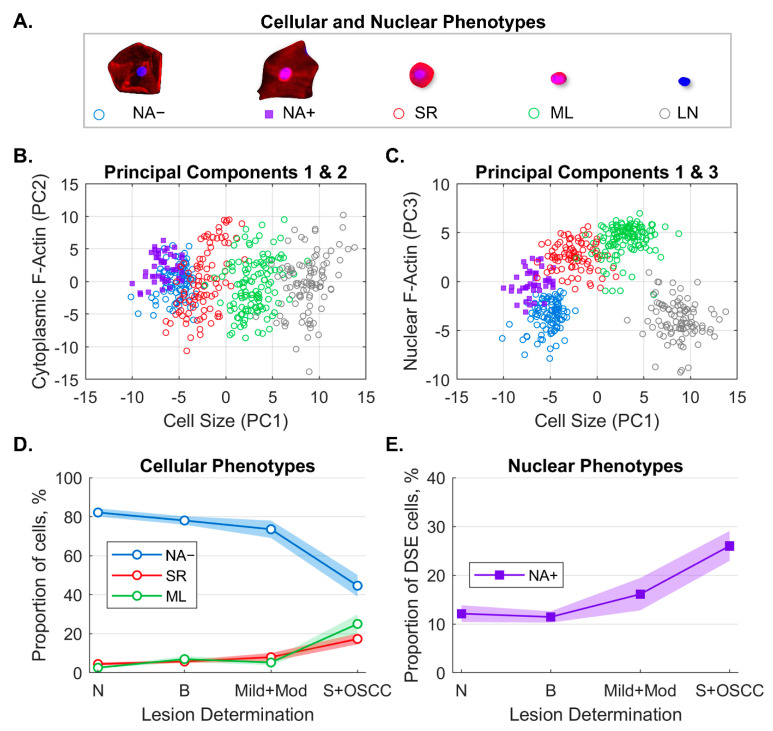
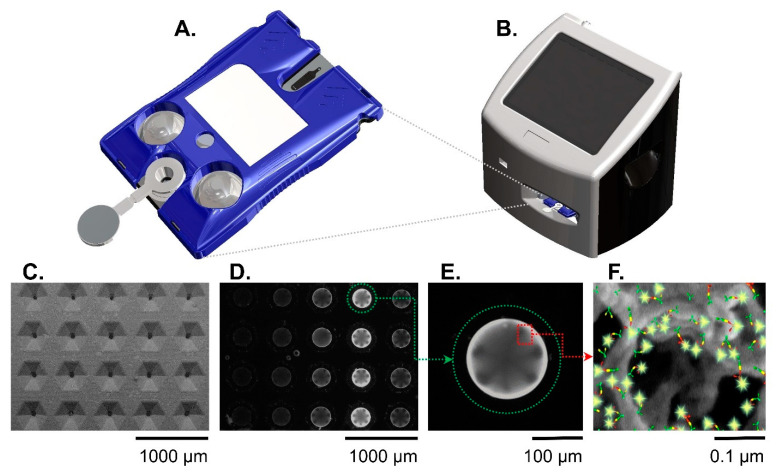
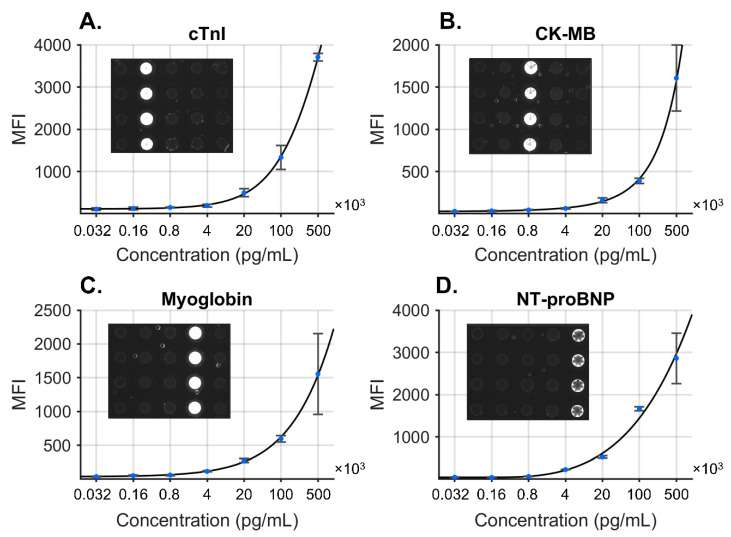
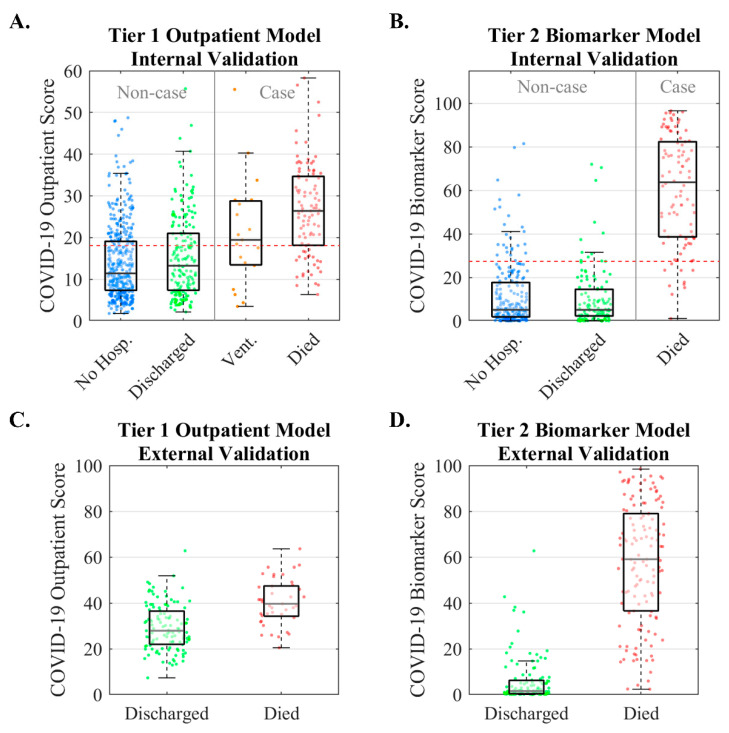
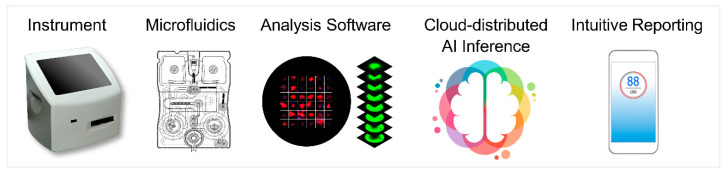
We are beginning a new era of -integrated biosensors powered by recent innovations in embedded electronics, cloud computing, and artificial intelligence (AI). Universal and AI-based in vitro diagnostics (IVDs) have the potential to exponentially improve healthcare decision making in the coming years. This perspective covers current trends and challenges in translating Smart Diagnostics. We identify essential elements of Smart Diagnostics platforms through the lens of a clinically validated platform for digitizing biology and its ability to learn disease signatures. This platform for biochemical analyses uses a compact instrument to perform multiclass and multiplex measurements using fully integrated microfluidic cartridges compatible with the point of care. Image analysis by transforming fluorescence signals into inputs for learning disease/health signatures. The result is an intuitive reported to the patients and/or providers. This AI-linked universal diagnostic system has been validated through a series of large clinical studies and used to identify signatures for early disease detection and disease severity in several applications, including cardiovascular diseases, COVID-19, and oral cancer. The utility of this Smart Diagnostics platform may extend to multiple cell-based oncology tests via cross-reactive biomarkers spanning oral, colorectal, lung, bladder, esophageal, and cervical cancers, and is well-positioned to improve patient care, management, and outcomes through deployment of this resilient and scalable technology. Lastly, we provide a future perspective on the direction and trajectory of Smart Diagnostics and the transformative effects they will have on health care.

摘要

我们正迈入一个新的时代——嵌入式电子、云计算和人工智能 (AI) 的最新创新为集成生物传感器提供了动力。通用型和基于 AI 的体外诊断 (IVD) 有可能在未来几年极大地改善医疗保健决策。本观点涵盖了将智能诊断转化为现实所面临的当前趋势和挑战。我们通过用于数字化生物学及其学习疾病特征的能力的临床验证平台,从临床验证平台的角度来确定智能诊断平台的基本要素。该生物化学分析平台使用紧凑型仪器,通过与即时护理兼容的完全集成微流控盒来执行多类别和多重测量。通过将荧光信号转换为用于学习疾病/健康特征的输入来进行图像分析。结果是直观的报告给患者和/或提供者。该与 AI 相关的通用诊断系统已通过一系列大型临床研究进行了验证,并用于识别心血管疾病、COVID-19 和口腔癌等几种应用中早期疾病检测和疾病严重程度的特征。该智能诊断平台的实用性可通过跨反应性生物标志物扩展到多个基于细胞的肿瘤学测试,这些生物标志物涵盖口腔癌、结直肠癌、肺癌、膀胱癌、食道癌和宫颈癌,并且通过部署这种有弹性和可扩展的技术,有望改善患者的护理、管理和结果。最后,我们对智能诊断的方向和轨迹以及它们对医疗保健的变革性影响提供了未来展望。
https://cdn.ncbi.nlm.nih.gov/pmc/blobs/10b0/9459970/35be35be959b/sensors-22-06355-g005.jpg
https://cdn.ncbi.nlm.nih.gov/pmc/blobs/10b0/9459970/6bfdf6d29f26/sensors-22-06355-g001.jpg
https://cdn.ncbi.nlm.nih.gov/pmc/blobs/10b0/9459970/bd07ce59d6cf/sensors-22-06355-g002.jpg
https://cdn.ncbi.nlm.nih.gov/pmc/blobs/10b0/9459970/e9b0e5e04639/sensors-22-06355-g003.jpg
https://cdn.ncbi.nlm.nih.gov/pmc/blobs/10b0/9459970/fede27a44c18/sensors-22-06355-g004.jpg
https://cdn.ncbi.nlm.nih.gov/pmc/blobs/10b0/9459970/35be35be959b/sensors-22-06355-g005.jpg
https://cdn.ncbi.nlm.nih.gov/pmc/blobs/10b0/9459970/6bfdf6d29f26/sensors-22-06355-g001.jpg
https://cdn.ncbi.nlm.nih.gov/pmc/blobs/10b0/9459970/bd07ce59d6cf/sensors-22-06355-g002.jpg
https://cdn.ncbi.nlm.nih.gov/pmc/blobs/10b0/9459970/e9b0e5e04639/sensors-22-06355-g003.jpg
https://cdn.ncbi.nlm.nih.gov/pmc/blobs/10b0/9459970/fede27a44c18/sensors-22-06355-g004.jpg
https://cdn.ncbi.nlm.nih.gov/pmc/blobs/10b0/9459970/35be35be959b/sensors-22-06355-g005.jpg

相似文献

1
Smart Diagnostics: Combining Artificial Intelligence and In Vitro Diagnostics.智能诊断:人工智能与体外诊断的结合。
Sensors (Basel). 2022 Aug 24;22(17):6355. doi: 10.3390/s22176355.
2
Programmable Bio-nanochip Platform: A Point-of-Care Biosensor System with the Capacity To Learn.可编程生物纳米芯片平台:一种具有学习能力的即时检测生物传感器系统。
Acc Chem Res. 2016 Jul 19;49(7):1359-68. doi: 10.1021/acs.accounts.6b00112. Epub 2016 Jul 6.
3
Lab-on-a-Disc for Point-of-Care Infection Diagnostics.基于光盘的即时感染诊断实验室。
Acc Chem Res. 2021 Oct 5;54(19):3643-3655. doi: 10.1021/acs.accounts.1c00367. Epub 2021 Sep 13.
4
Microfluidic Point-of-Care Devices: New Trends and Future Prospects for eHealth Diagnostics.微流控即时检测设备:电子医疗诊断的新趋势和未来前景。
Sensors (Basel). 2020 Mar 31;20(7):1951. doi: 10.3390/s20071951.
5
Electrochemical SARS-CoV-2 Sensing at Point-of-Care and Artificial Intelligence for Intelligent COVID-19 Management.用于即时护理的电化学新冠病毒刺突蛋白传感及用于智能新冠疫情管理的人工智能
ACS Appl Bio Mater. 2020 Nov 16;3(11):7306-7325. doi: 10.1021/acsabm.0c01004. Epub 2020 Oct 27.
6
Smart diagnostics devices through artificial intelligence and mechanobiological approaches.通过人工智能和机械生物学方法实现的智能诊断设备。
3 Biotech. 2020 Aug;10(8):351. doi: 10.1007/s13205-020-02342-x. Epub 2020 Jul 22.
7
AI-Assisted Detection of Biomarkers by Sensors and Biosensors for Early Diagnosis and Monitoring.人工智能辅助传感器和生物传感器检测生物标志物进行早期诊断和监测。
Biosensors (Basel). 2024 Jul 22;14(7):356. doi: 10.3390/bios14070356.
8
Recent Advances of Utilizing Artificial Intelligence in Lab on a Chip for Diagnosis and Treatment.人工智能在用于诊断和治疗的芯片实验室中的最新进展
Small. 2022 Oct;18(42):e2203169. doi: 10.1002/smll.202203169. Epub 2022 Aug 26.
9
Revolutionary Point-of-Care Wearable Diagnostics for Early Disease Detection and Biomarker Discovery through Intelligent Technologies.革命性的即时穿戴诊断技术,通过智能技术实现早期疾病检测和生物标志物发现。
Adv Sci (Weinh). 2024 Sep;11(36):e2400595. doi: 10.1002/advs.202400595. Epub 2024 Jul 3.
10
The convergence of traditional and digital biomarkers through AI-assisted biosensing: A new era in translational diagnostics?通过人工智能辅助生物传感实现传统和数字生物标志物的融合:转化诊断的新时代?
Biosens Bioelectron. 2023 Sep 1;235:115387. doi: 10.1016/j.bios.2023.115387. Epub 2023 May 11.

引用本文的文献

1
Limitations of point-of-care testing for low SARS CoV-2 loads: Insights for future pandemics.针对低新冠病毒载量的即时检测局限性:对未来大流行的启示。
Afr J Prim Health Care Fam Med. 2025 Mar 20;17(1):e1-e7. doi: 10.4102/phcfm.v17i1.4671.
2
The Latest Advances in Microfluidic DLD Cell Sorting Technology: The Optimization of Channel Design.微流控数字液滴法细胞分选技术的最新进展:通道设计的优化
Biosensors (Basel). 2025 Feb 19;15(2):126. doi: 10.3390/bios15020126.
3
Unveiling tryptophan dynamics and functions across model organisms via quantitative imaging.

本文引用的文献

1
A Novel COVID-19 Severity Score is Associated With Survival in Patients Undergoing Percutaneous Dilational Tracheostomy.一种新型的 COVID-19 严重程度评分与行经皮扩张气管切开术患者的生存相关。
J Surg Res. 2023 Mar;283:1026-1032. doi: 10.1016/j.jss.2022.10.098. Epub 2022 Nov 21.
2
Evaluating a Widely Implemented Proprietary Deterioration Index Model among Hospitalized Patients with COVID-19.评估一种广泛应用于 COVID-19 住院患者的专有恶化指数模型。
Ann Am Thorac Soc. 2021 Jul;18(7):1129-1137. doi: 10.1513/AnnalsATS.202006-698OC.
3
Nuclear F-actin Cytology in Oral Epithelial Dysplasia and Oral Squamous Cell Carcinoma.
通过定量成像揭示色氨酸在模式生物中的动态和功能。
BMC Biol. 2024 Nov 14;22(1):258. doi: 10.1186/s12915-024-02058-x.
4
A narrative review of advances in the management of urothelial cancer: Diagnostics and treatments.尿路上皮癌管理进展的叙述性综述:诊断与治疗
Bladder (San Franc). 2024 Aug 16;11(1):e21200003. doi: 10.14440/bladder.2024.0003. eCollection 2024.
5
Flow cytometry-based peripheral blood analysis as an easily friendly tool for prognostic monitoring of acute ischemic stroke: a multicenter study.基于流式细胞术的外周血分析作为一种易于友好的急性缺血性脑卒中预后监测工具:一项多中心研究。
Front Immunol. 2024 May 21;15:1402724. doi: 10.3389/fimmu.2024.1402724. eCollection 2024.
6
Cloud platform to improve efficiency and coverage of asynchronous multidisciplinary team meetings for patients with digestive tract cancer.云平台提高消化道癌患者异步多学科团队会议的效率和覆盖范围。
Front Oncol. 2024 Jan 15;13:1301781. doi: 10.3389/fonc.2023.1301781. eCollection 2023.
7
Bias in Laboratory Medicine: The Dark Side of the Moon.实验室医学中的偏倚:月亮的暗面。
Ann Lab Med. 2024 Jan 1;44(1):6-20. doi: 10.3343/alm.2024.44.1.6. Epub 2023 Sep 4.
8
Rapid Detection of SARS-CoV-2 Variants of Concern by Genomic Surveillance Techniques.通过基因组监测技术快速检测 SARS-CoV-2 关注变异株。
Adv Exp Med Biol. 2023;1412:491-509. doi: 10.1007/978-3-031-28012-2_27.
口腔上皮异型增生和口腔鳞状细胞癌中的核 F-肌动蛋白细胞。
J Dent Res. 2021 May;100(5):479-486. doi: 10.1177/0022034520973162. Epub 2020 Nov 12.
4
The state of artificial intelligence-based FDA-approved medical devices and algorithms: an online database.基于人工智能且获美国食品药品监督管理局批准的医疗设备及算法的现状:一个在线数据库。
NPJ Digit Med. 2020 Sep 11;3:118. doi: 10.1038/s41746-020-00324-0. eCollection 2020.
5
Managing COVID-19 With a Clinical Decision Support Tool in a Community Health Network: Algorithm Development and Validation.在社区卫生网络中使用临床决策支持工具管理新型冠状病毒肺炎:算法开发与验证
J Med Internet Res. 2020 Aug 24;22(8):e22033. doi: 10.2196/22033.
6
Clinical characteristics of 82 cases of death from COVID-19.COVID-19 死亡 82 例的临床特征。
PLoS One. 2020 Jul 9;15(7):e0235458. doi: 10.1371/journal.pone.0235458. eCollection 2020.
7
African Federation for Emergency Medicine resources for managing COVID-19 in low resourced settings.非洲急诊医学联合会在资源匮乏地区管理新冠肺炎的资源。
Afr J Emerg Med. 2020 Jun;10(2):49. doi: 10.1016/j.afjem.2020.06.001. Epub 2020 Jun 16.
8
Clinical decision support tool and rapid point-of-care platform for determining disease severity in patients with COVID-19.用于确定 COVID-19 患者疾病严重程度的临床决策支持工具和即时护理点平台。
Lab Chip. 2020 Jun 21;20(12):2075-2085. doi: 10.1039/d0lc00373e. Epub 2020 Jun 3.
9
Calculated Decisions: Brescia-COVID Respiratory Severity Scale (BCRSS)/Algorithm.计算决策:布雷西亚-新冠呼吸严重程度量表(BCRSS)/算法
Emerg Med Pract. 2020 Apr 16;22(5 Suppl):CD1-CD2.
10
Cardiovascular Implications of Fatal Outcomes of Patients With Coronavirus Disease 2019 (COVID-19).COVID-19 患者的致命结局对心血管的影响。
JAMA Cardiol. 2020 Jul 1;5(7):811-818. doi: 10.1001/jamacardio.2020.1017.