Shi Meiting, Yang Xiaofeng, Ding Yuzhen, Sun Lu, Zhang Ping, Liu Mengyuan, Han Xiaoxue, Huang Zhengrui, Li Ruiman
Department of Obstetrics and Gynecology, The First Affiliated Hospital of Jinan University, Guangzhou 510000, China.
Biology (Basel). 2022 Jun 22;11(7):950. doi: 10.3390/biology11070950.
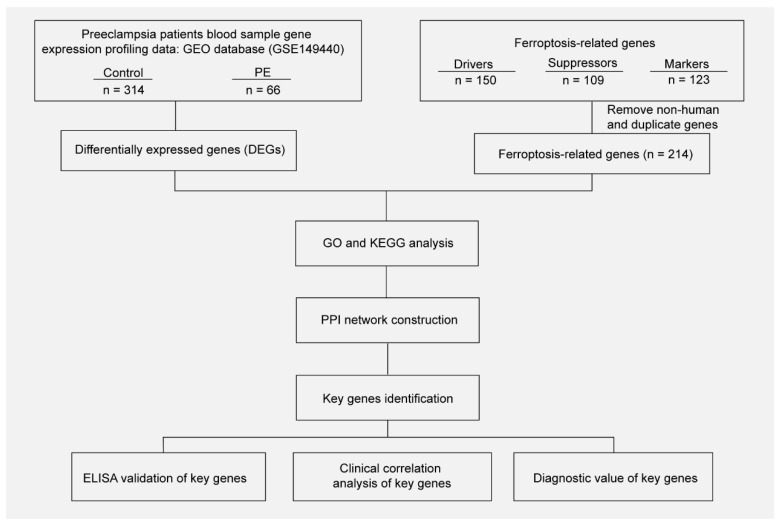
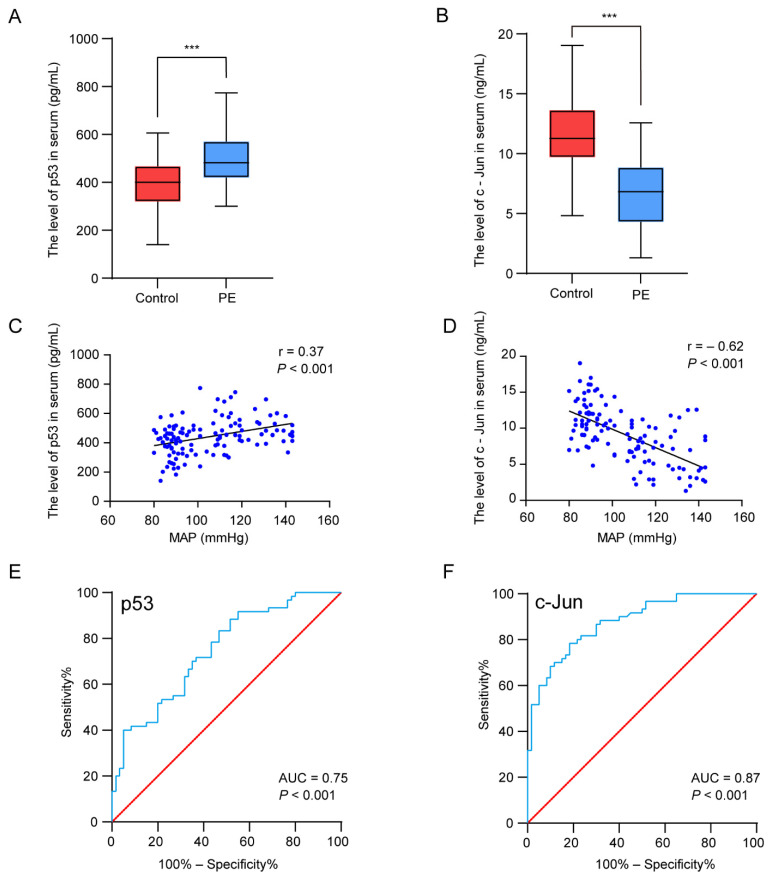
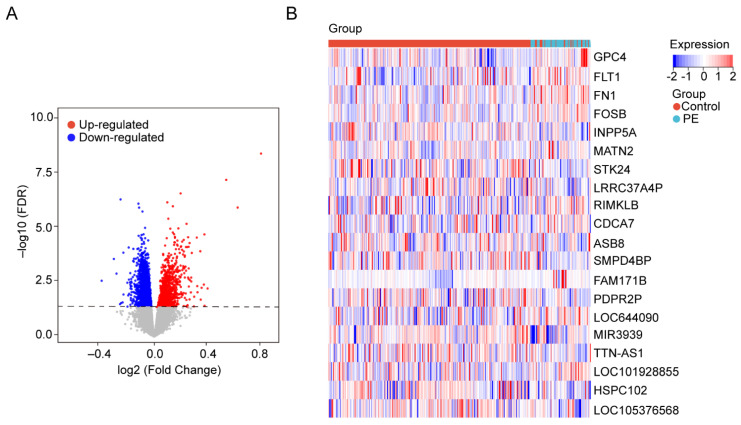
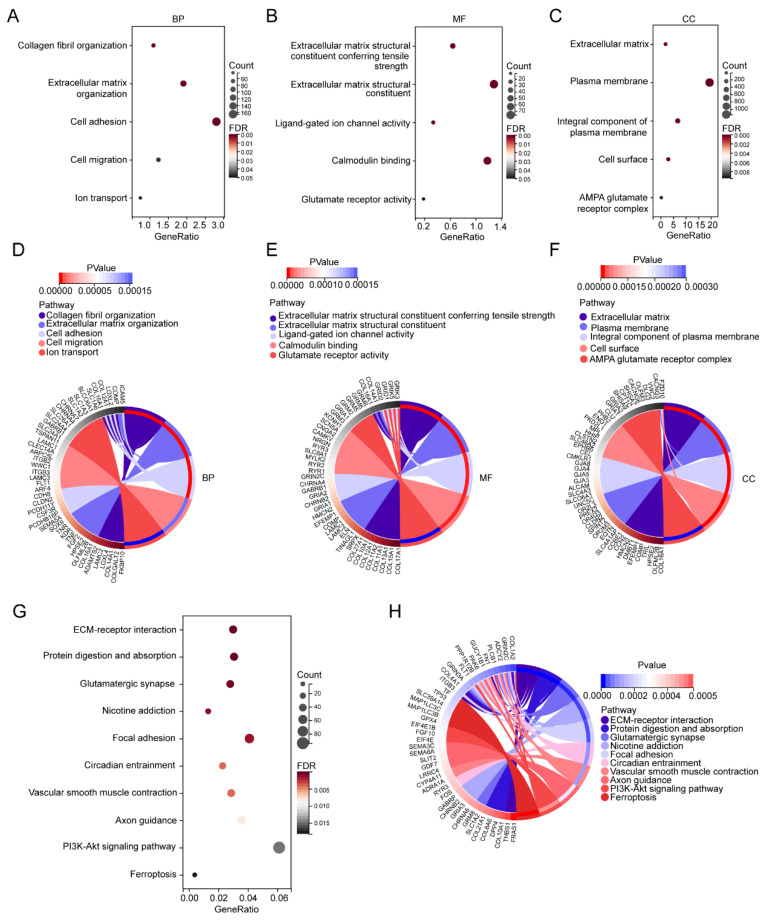
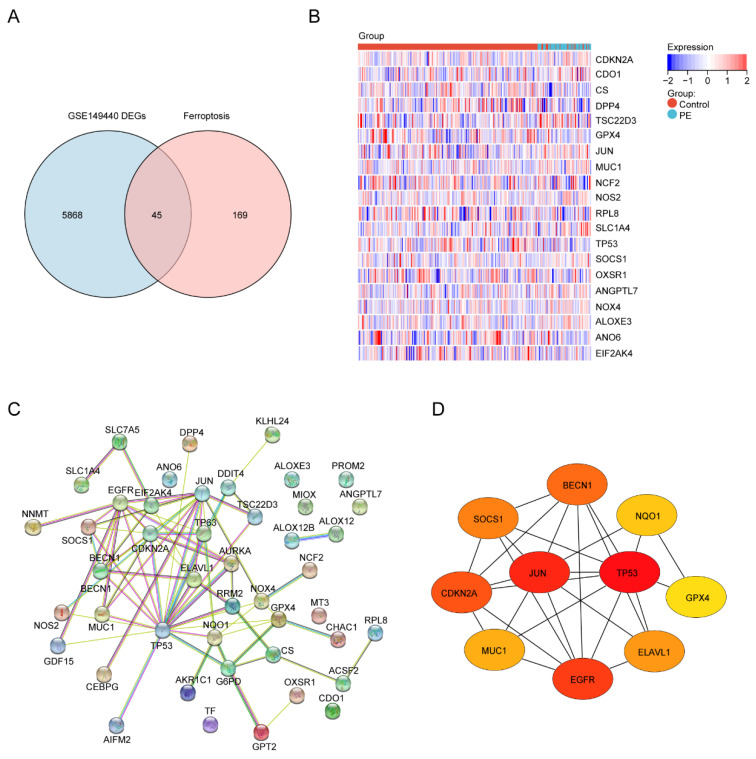
Preeclampsia (PE) is the leading cause of maternal and fetal mortality and morbidity. Early and accurate diagnosis is critical to reduce mortality. Placental oxidative stress has been identified as a major pathway to the development of PE. Ferroptosis, a new form of regulated cell death, is associated with iron metabolism and oxidative stress, and has been suspected to play a role in the pathophysiology of PE, although the mechanism is yet to be elucidated. The identification of potential ferroptosis-related biomarkers is of great significance for the early diagnosis and treatment of PE. A gene expression dataset of peripheral blood samples was downloaded from the Gene Expression Omnibus (GEO) dataset. Differentially expressed genes (DEGs) were filtrated with the R package “limma”. Gene Ontology (GO) and Kyoto Encyclopedia of Genes and Genomes (KEGG) enrichment analyses of the DEGs were then conducted. Ferroptosis-related DEGs were screened by overlapping the ferroptosis-related genes with DEGs. The protein−protein interaction (PPI) network was used to identify the key ferroptosis-related DEGs. Enzyme-linked immunosorbent assay (ELISA) was used to validate changes in the selected key ferroptosis-related DEGs. The correlations between the key genes and clinical and pathological characteristics were analyzed. Finally, the diagnostic value of these key genes for PE was confirmed by a receiver operating characteristic (ROC) curve. A total of 5913 DEGs were identified and 45 ferroptosis-related DEGs were obtained. Besides, ferroptosis-related pathways were enriched by KEGG using DEGs. The PPI network showed that p53 and c-Jun were the critical hub genes. ELISA showed that p53 in the serum of PE patients was higher than that of the control group, while c-Jun was lower than that of the control group. Analysis of the clinicopathological features showed that p53 and c-Jun were correlated with the PE characteristics. Finally, based on the area under curve (AUC) values, c-Jun had the superior diagnostic power (AUC = 0.87, p < 0.001), followed by p53 (AUC = 0.75, p < 0.001). Our study identified that two key genes, p53 and c-Jun, might be potential diagnostic biomarkers of PE.
子痫前期(PE)是孕产妇和胎儿死亡及发病的主要原因。早期准确诊断对于降低死亡率至关重要。胎盘氧化应激已被确定为PE发生发展的主要途径。铁死亡是一种新的程序性细胞死亡形式,与铁代谢和氧化应激相关,尽管其机制尚待阐明,但已被怀疑在PE的病理生理学中发挥作用。识别潜在的铁死亡相关生物标志物对PE的早期诊断和治疗具有重要意义。从基因表达综合数据库(GEO)下载外周血样本的基因表达数据集。使用R包“limma”筛选差异表达基因(DEG)。然后对DEG进行基因本体(GO)和京都基因与基因组百科全书(KEGG)富集分析。通过将铁死亡相关基因与DEG重叠来筛选铁死亡相关DEG。利用蛋白质-蛋白质相互作用(PPI)网络识别关键的铁死亡相关DEG。采用酶联免疫吸附测定(ELISA)验证所选关键铁死亡相关DEG的变化。分析关键基因与临床和病理特征之间的相关性。最后,通过受试者工作特征(ROC)曲线确定这些关键基因对PE的诊断价值。共鉴定出5913个DEG,获得45个铁死亡相关DEG。此外,KEGG利用DEG富集了铁死亡相关途径。PPI网络显示p53和c-Jun是关键枢纽基因。ELISA显示PE患者血清中的p53高于对照组,而c-Jun低于对照组。临床病理特征分析表明p53和c-Jun与PE特征相关。最后,基于曲线下面积(AUC)值,c-Jun具有更高的诊断效能(AUC = 0.87,p < 0.001),其次是p53(AUC = 0.75,p < 0.001)。我们的研究确定p53和c-Jun这两个关键基因可能是PE的潜在诊断生物标志物。