Robert S. Boas Center for Genomics and Human Genetics, Feinstein Institutes for Medical Research, Northwell Health, 350 Community Drive, Manhasset, NY, 11030, USA.
Donald and Barbara Zucker School of Medicine, 500 Hofstra Blvd, Hempstead, NY, USA.
BMC Med. 2022 Sep 15;20(1):315. doi: 10.1186/s12916-022-02500-3.
Endometriosis is a common, complex disorder which is underrecognized and subject to prolonged delays in diagnosis. It is accompanied by significant changes in the eutopic endometrial lining.
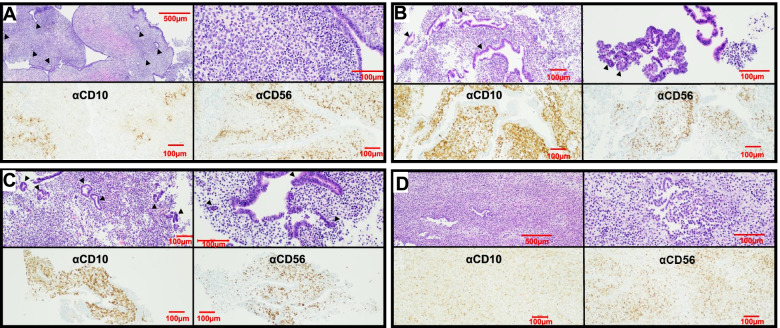
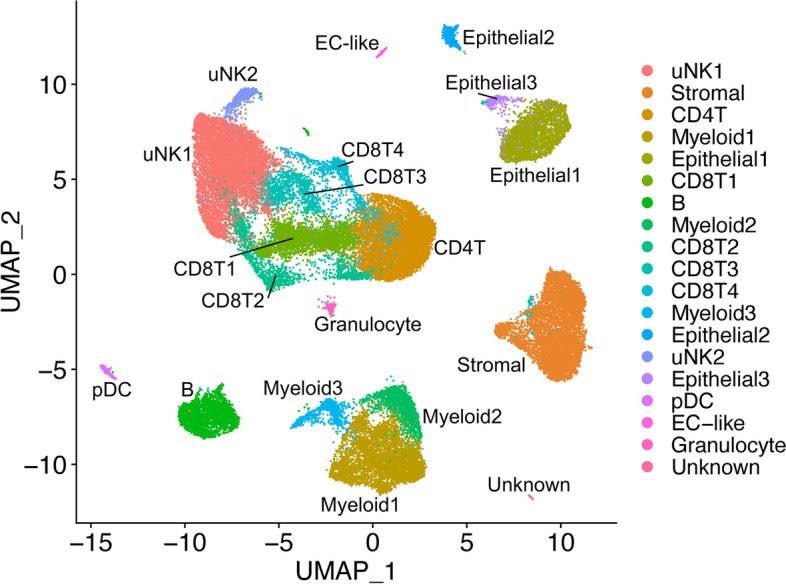
We have undertaken the first single-cell RNA-sequencing (scRNA-Seq) comparison of endometrial tissues in freshly collected menstrual effluent (ME) from 33 subjects, including confirmed endometriosis patients (cases) and controls as well as symptomatic subjects (who have chronic symptoms suggestive of endometriosis but have not been diagnosed).
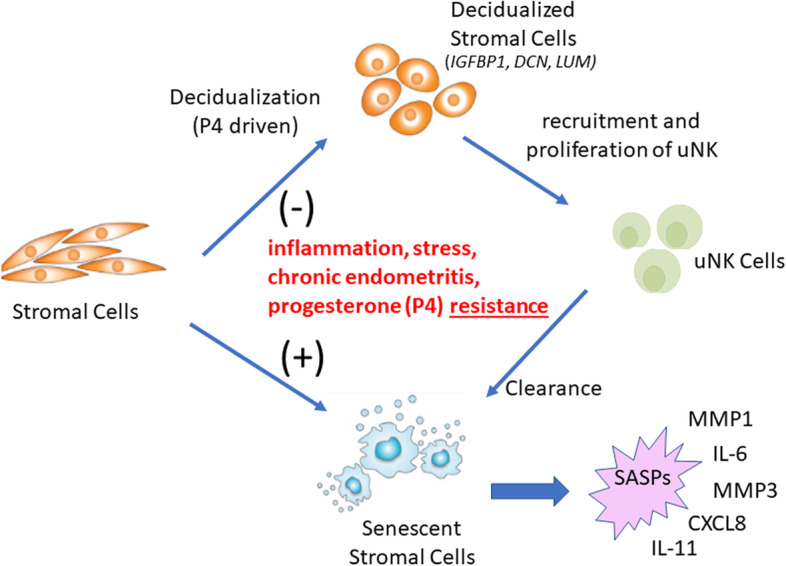
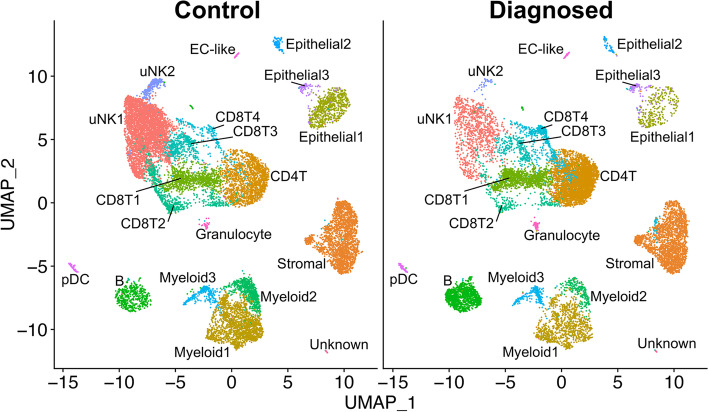
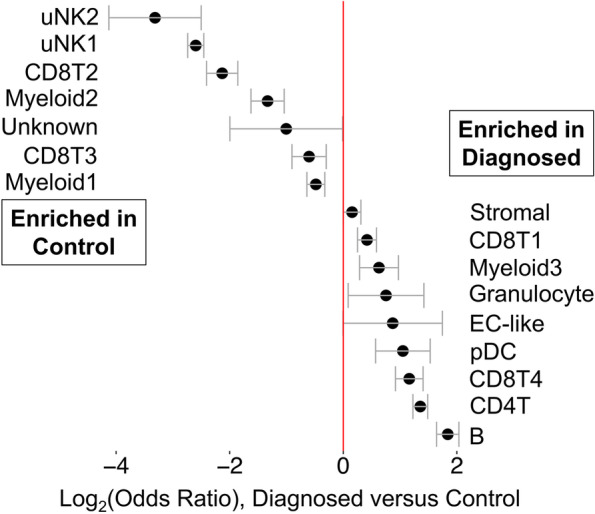
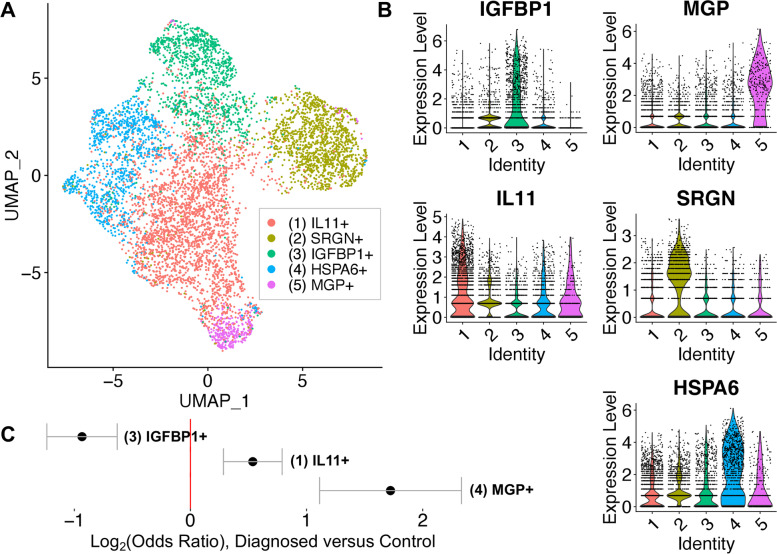
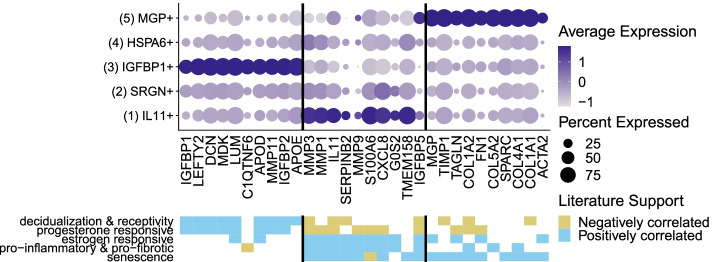
We identify a unique subcluster of proliferating uterine natural killer (uNK) cells in ME-tissues from controls that is almost absent from endometriosis cases, along with a striking reduction of total uNK cells in the ME of cases (p < 10). In addition, an IGFBP1+ decidualized subset of endometrial stromal cells are abundant in the shed endometrium of controls when compared to cases (p < 10) confirming findings of compromised decidualization of cultured stromal cells from cases. By contrast, endometrial stromal cells from cases are enriched in cells expressing pro-inflammatory and senescent phenotypes. An enrichment of B cells in the cases (p = 5.8 × 10) raises the possibility that some may have chronic endometritis, a disorder which predisposes to endometriosis.
We propose that characterization of endometrial tissues in ME will provide an effective screening tool for identifying endometriosis in patients with chronic symptoms suggestive of this disorder. This constitutes a major advance, since delayed diagnosis for many years is a major clinical problem in the evaluation of these patients. Comprehensive analysis of ME is expected to lead to new diagnostic and therapeutic approaches to endometriosis and other associated reproductive disorders such as female infertility.
子宫内膜异位症是一种常见且复杂的疾病,其诊断往往被低估并存在较长的延误。它伴随着在位子宫内膜衬里的显著变化。
我们首次对 33 名受试者的新鲜收集的月经血(ME)中的子宫内膜组织进行了单细胞 RNA 测序(scRNA-Seq)比较,包括确诊的子宫内膜异位症患者(病例)和对照组以及有症状的受试者(有提示子宫内膜异位症的慢性症状但尚未确诊)。
我们在对照组的 ME 组织中发现了一个独特的增殖性子宫自然杀伤(uNK)细胞亚群,而在病例中几乎不存在,同时病例的 ME 中总 uNK 细胞数量明显减少(p<10)。此外,与病例相比,在脱落的子宫内膜中,富含 IGFBP1 的蜕膜化子宫内膜基质细胞亚群在对照组中丰富(p<10),证实了病例中培养的基质细胞蜕膜化受损的发现。相比之下,病例中的子宫内膜基质细胞富含表达促炎和衰老表型的细胞。病例中 B 细胞的富集(p=5.8×10)提出了这样一种可能性,即一些患者可能患有慢性子宫内膜炎,这是导致子宫内膜异位症的一种疾病。
我们提出,对 ME 中的子宫内膜组织进行特征描述将为识别有慢性提示该疾病症状的患者的子宫内膜异位症提供有效的筛查工具。这是一个重大进展,因为多年来的延迟诊断是这些患者评估中的一个主要临床问题。对 ME 的全面分析有望为子宫内膜异位症和其他相关生殖障碍(如女性不孕)带来新的诊断和治疗方法。