Department of Biomedical Engineering, School of Computer and Communication Engineering, Northeastern University, Qinhuangdao, 066004, Hebei, China.
Department of Acupuncture and Massage, Qinhuangdao Hospital of Traditional Chinese Medicine, Qinhuangdao, 066004, Hebei, China.
Sci Rep. 2022 Sep 15;12(1):15506. doi: 10.1038/s41598-022-19781-6.
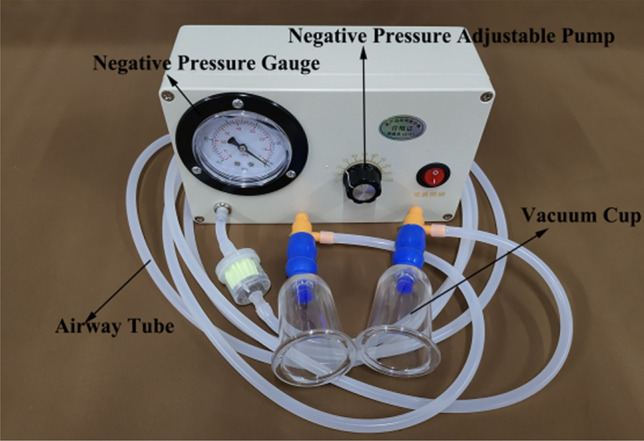
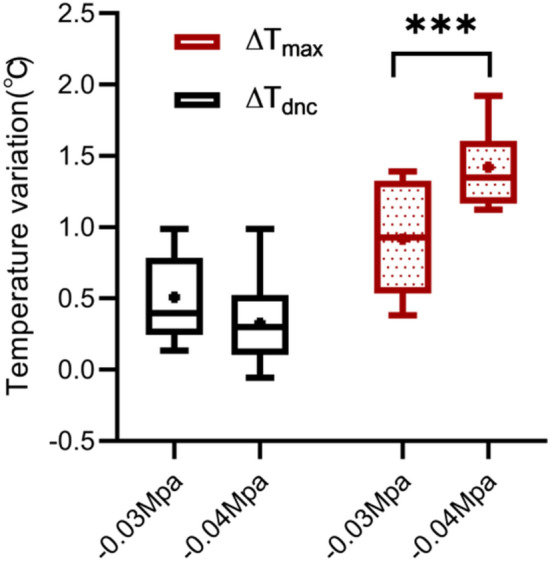
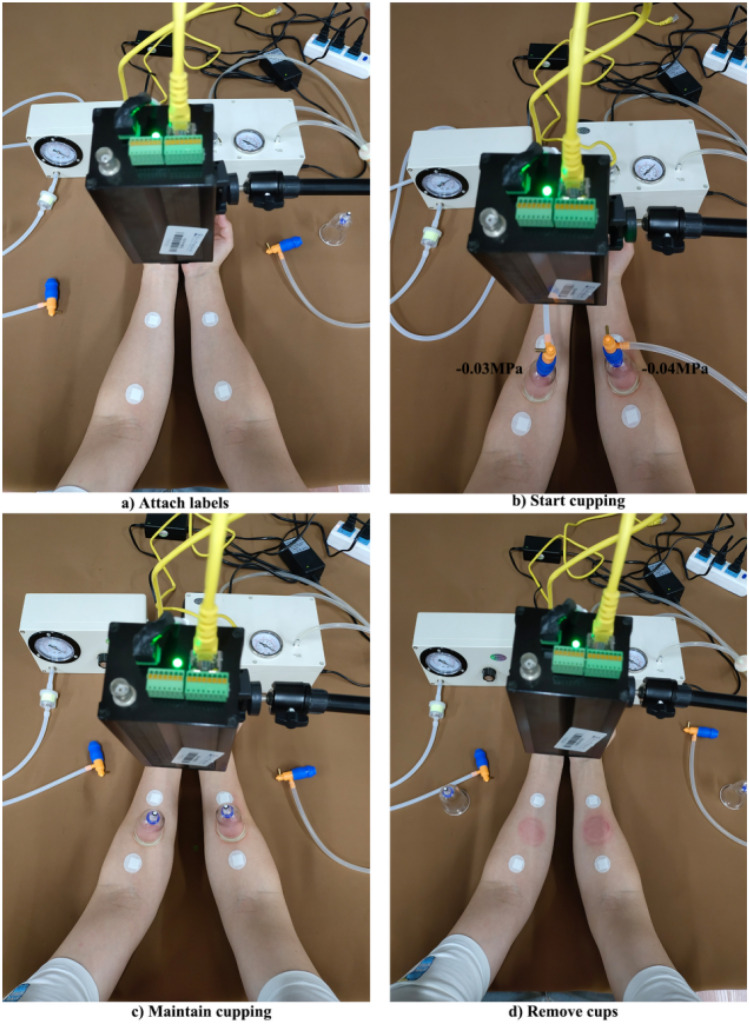
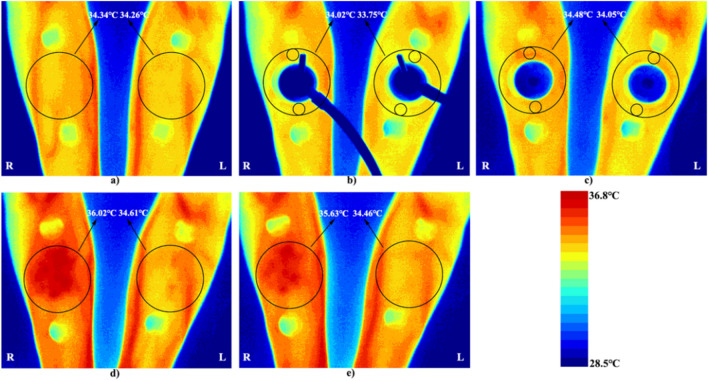
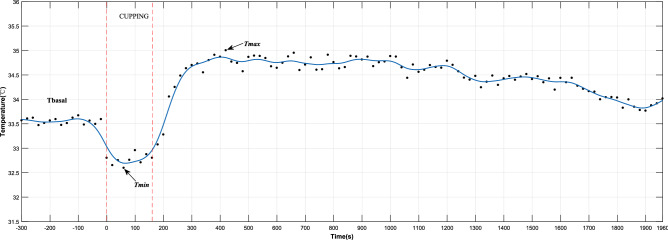
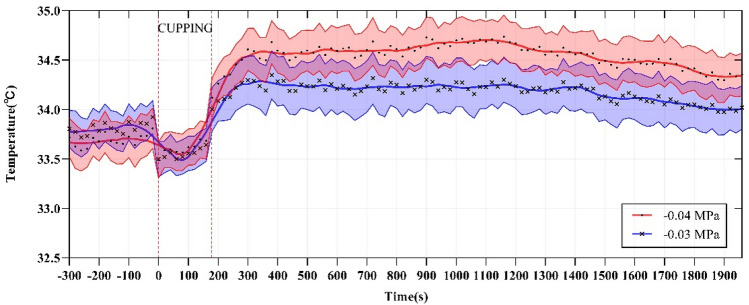
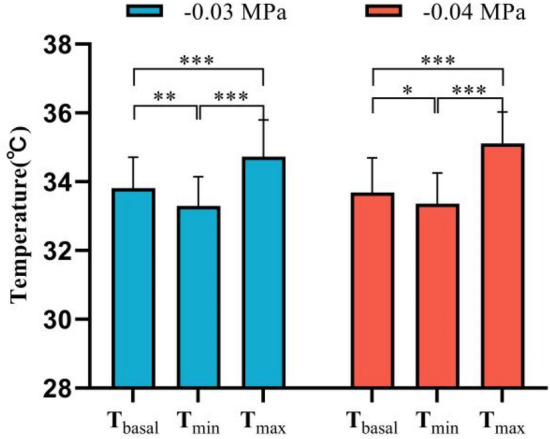
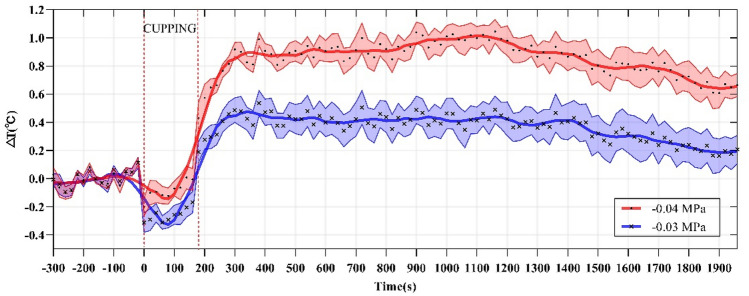
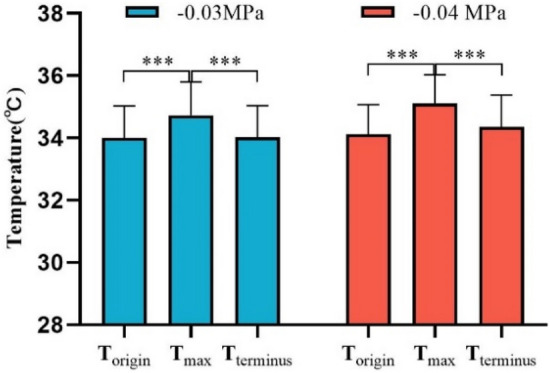
Cupping therapy can relieve muscle fatigue and pain after exercise by increasing blood flow at the treatment site, which may lead to dynamic changes of the local skin temperature. This study aimed to analyze the effect of cupping on local skin temperature under two different negative pressures using infrared thermography (IRT). Cupping therapy was performed on the forearms of 22 healthy subjects using the negative pressures of - 0.03 and - 0.04 MPa. IRT was used to record the dynamic changes in skin temperature before, during, and after cupping. Both cupping pressures induced a non-linear skin temperature response: temperature decreased first and then increased during cupping, while it first increased and then decreased after cupping. A significant difference was noted between the two negative pressure groups in the maximum temperature increment after cupping (P < 0.001). Compared with the basal temperature before cupping, the maximum increase in skin temperature after cupping in the - 0.03 and - 0.04 MPa groups was 0.92 and 1.42 °C, respectively. The findings of this study can lay the foundation evaluating the curative effect of cupping based on IRT and provide an objective reference for selecting the cupping negative pressure.
拔罐疗法通过增加治疗部位的血流量来缓解运动后的肌肉疲劳和疼痛,这可能导致局部皮肤温度的动态变化。本研究旨在使用红外热成像(IRT)分析两种不同负压下拔罐对局部皮肤温度的影响。对 22 名健康受试者的前臂使用−0.03 和−0.04 MPa 的负压进行拔罐治疗。使用 IRT 记录拔罐前、拔罐中和拔罐后的皮肤温度动态变化。两种拔罐压力均引起非线性皮肤温度反应:拔罐过程中温度先降低后升高,拔罐后温度先升高后降低。拔罐后最大温度升高在两组之间存在显著差异(P < 0.001)。与拔罐前的基础温度相比,−0.03 和−0.04 MPa 组拔罐后皮肤温度的最大升高分别为 0.92 和 1.42°C。本研究结果可以为基于 IRT 评估拔罐疗效奠定基础,并为选择拔罐负压提供客观参考。