Department of Inflammation and Immunity, Lerner Research Institute, The Cleveland Clinic, Cleveland, OH, 44195, USA.
Department of Inflammation and Immunity, Lerner Research Institute, The Cleveland Clinic, Cleveland, OH, 44195, USA.
Redox Biol. 2022 Oct;56:102478. doi: 10.1016/j.redox.2022.102478. Epub 2022 Sep 13.
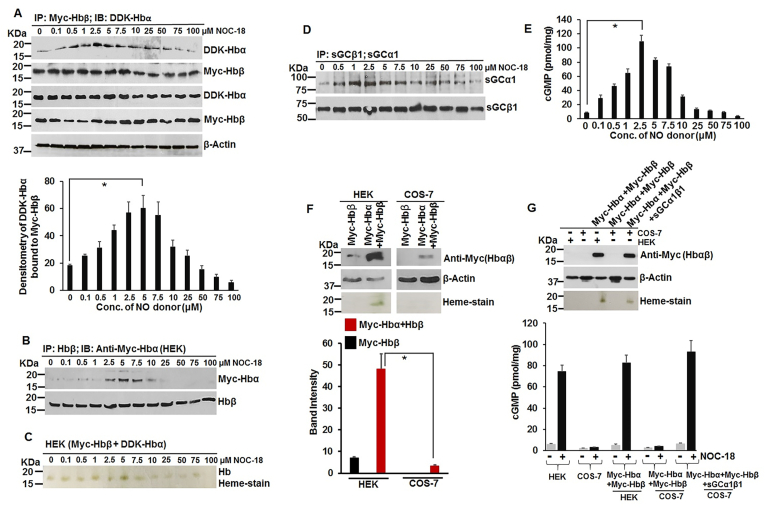
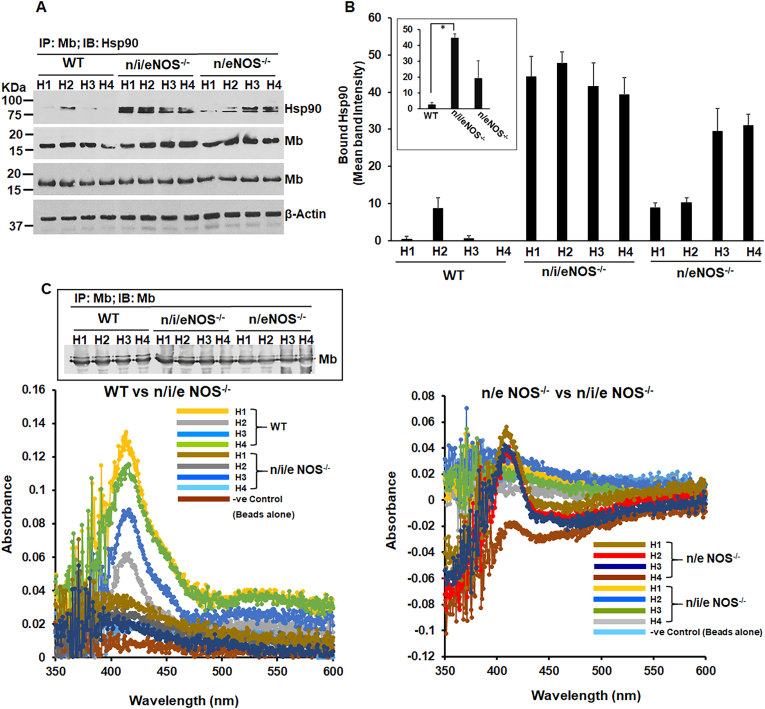
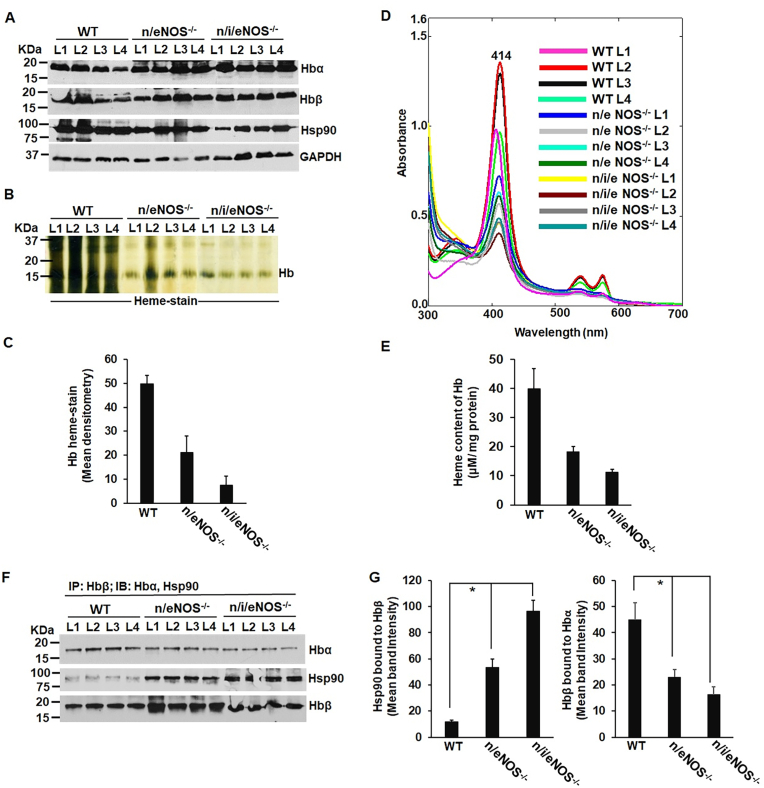
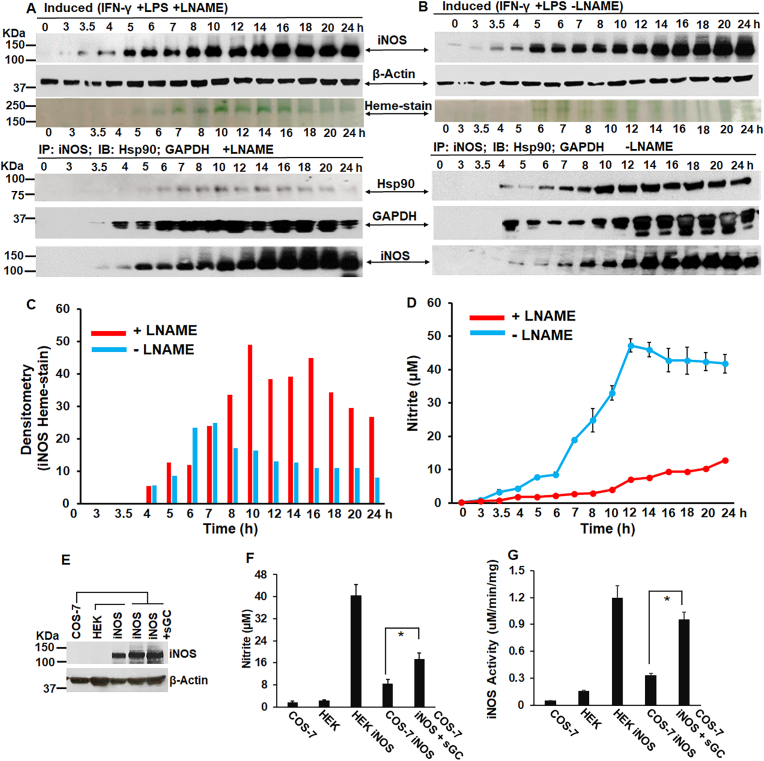
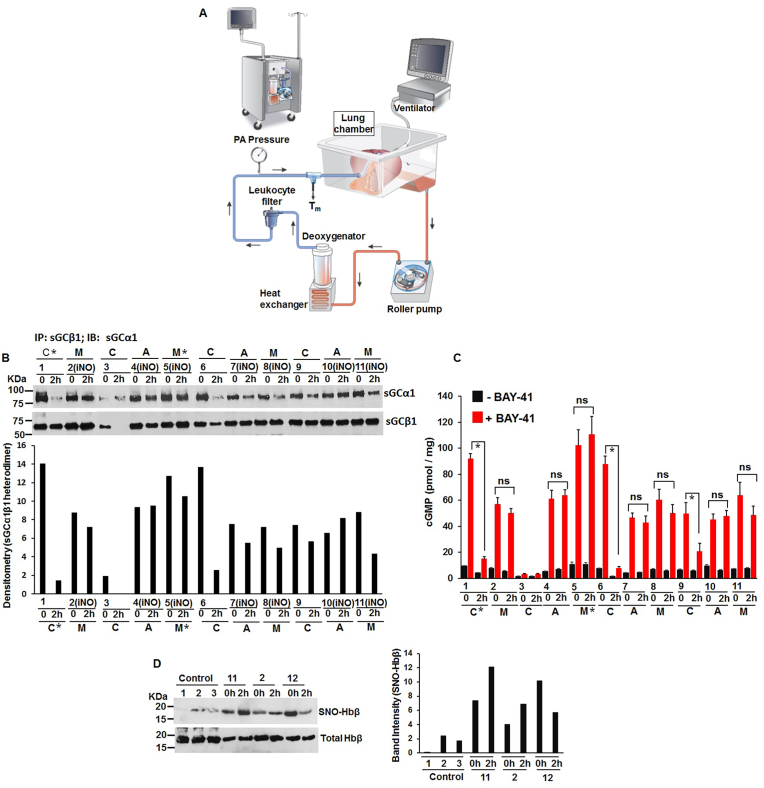
Nitric oxide (NO) is a signal molecule and plays a critical role in the regulation of vascular tone, displays anti-platelet and anti-inflammatory properties. While our earlier and current studies found that low NO doses trigger a rapid heme insertion into immature heme-free soluble guanylyl cyclase β subunit (apo-sGCβ), resulting in a mature sGC-αβ heterodimer, more recent evidence suggests that low NO doses can also trigger heme-maturation of hemoglobin and myoglobin. This low NO phenomena was not only limited to sGC and the globins, but was also found to occur in all three nitric oxide synthases (iNOS, nNOS and eNOS) and Myeloperoxidase (MPO). Interestingly high NO doses were inhibitory to heme-insertion for these hemeproteins, suggesting that NO has a dose-dependent dual effect as it can act both ways to induce or inhibit heme-maturation of key hemeproteins. While low NO stimulated heme-insertion of globins required the presence of the NO-sGC-cGMP signal pathway, iNOS heme-maturation also required the presence of an active sGC. These effects of low NO were significantly diminished in the tissues of double (n/eNOS) and triple (n/i/eNOS) NOS knock out mice where lung sGC was found be heme-free and the myoglobin or hemoglobin from the heart/lungs were found be low in heme, suggesting that loss of endogenous NO globally impacts the whole animal and that this impact of low NO is both essential and physiologically relevant for hemeprotein maturation. Effects of low NO were also found to be protective against ischemia reperfusion injury on an ex vivo lung perfusion (EVLP) system prior to lung transplant, which further suggests that low NO levels are also therapeutic.
一氧化氮(NO)是一种信号分子,在调节血管张力方面起着关键作用,具有抗血小板和抗炎作用。虽然我们之前和目前的研究发现,低剂量的 NO 会触发不成熟的血红素游离可溶性鸟苷酸环化酶 β 亚基(apo-sGCβ)中血红素的快速插入,从而形成成熟的 sGC-αβ 异二聚体,但最近的证据表明,低剂量的 NO 也可以触发血红蛋白和肌红蛋白的血红素成熟。这种低 NO 现象不仅局限于 sGC 和球蛋白,而且还存在于所有三种一氧化氮合酶(iNOS、nNOS 和 eNOS)和髓过氧化物酶(MPO)中。有趣的是,高剂量的 NO 对这些血红素蛋白的血红素插入具有抑制作用,这表明 NO 具有剂量依赖性的双重作用,因为它可以通过两种方式诱导或抑制关键血红素蛋白的血红素成熟。虽然低剂量的 NO 刺激球蛋白的血红素插入需要存在 NO-sGC-cGMP 信号通路,但 iNOS 血红素成熟也需要存在活性 sGC。在双(n/eNOS)和三(n/i/eNOS)NOS 敲除小鼠的组织中,这些低 NO 的作用明显减弱,其中肺 sGC 被发现不含血红素,而心脏/肺中的肌红蛋白或血红蛋白血红素含量较低,这表明内源性 NO 的缺失会对整个动物产生全球性影响,并且这种低 NO 的影响对血红素蛋白成熟是必不可少的和具有生理相关性的。在肺移植前的体外肺灌注(EVLP)系统中,低 NO 还被发现对缺血再灌注损伤具有保护作用,这进一步表明低 NO 水平也是治疗性的。