Cardiology Department, Hospital de Santa Cruz, Centro Hospitalar Lisboa Ocidental, Lisbon, Portugal.
Comprehensive Health Research Centre, NOVA Medical School, Universidade Nova de Lisboa, Lisbon, Portugal.
J Thromb Haemost. 2022 Dec;20(12):2930-2938. doi: 10.1111/jth.15890. Epub 2022 Oct 5.
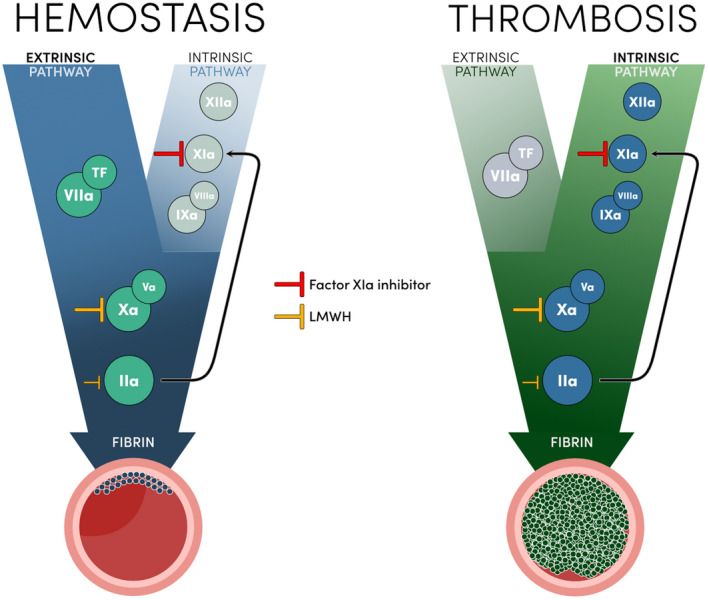
In recent years, many important advances have been seen in anticoagulation therapy. However, bleeding risk is still a major concern. Factor XI (FXI) inhibition has emerged as a potential advantageous target to minimize this risk.
We conducted a systematic review and meta-analysis of current evidence on FXI inhibitors for thromboprophylaxis in major orthopedic surgery.
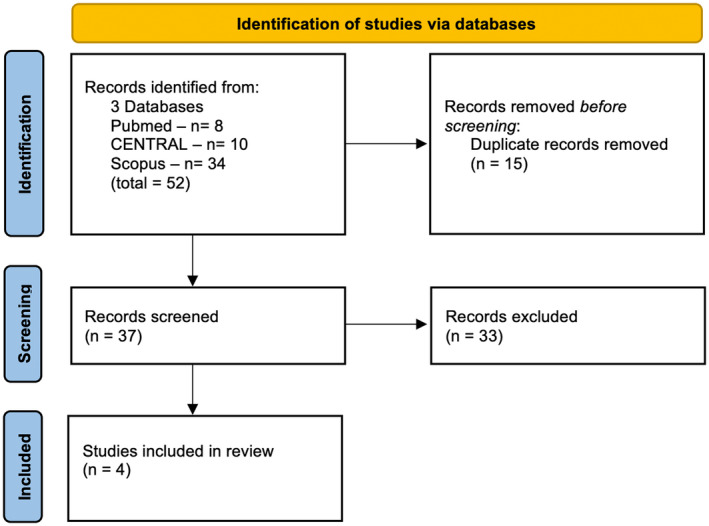
We performed a systematic search of electronic databases (PubMed, CENTRAL, and Scopus) until May of 2022. Studies were considered eligible if they were randomized controlled trials (RCTs) evaluating FXI inhibitors in thromboprophylaxis versus low molecular weight heparin (LMWH). For analysis purposes, we considered efficacy (venous thromboembolism [VTE], symptomatic VTE) and safety (major and clinically relevant non-major [CRNM] bleeding events, major bleeding events, blood transfusion necessities, adverse events, major adverse events) outcomes.
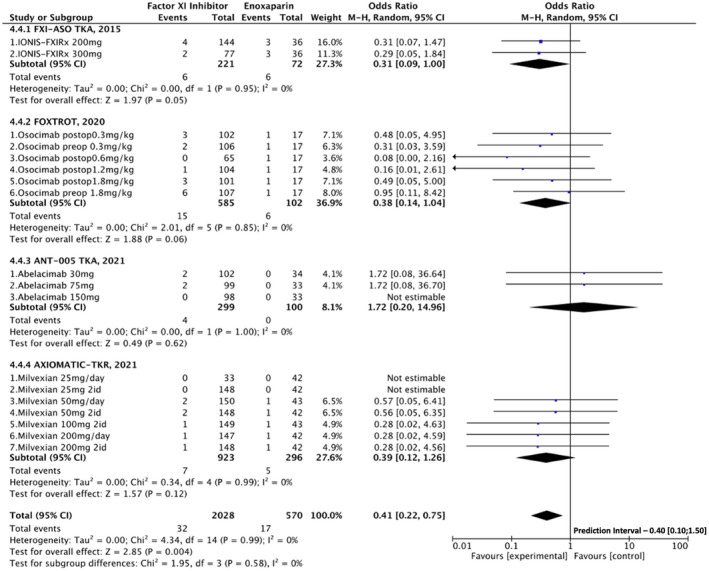
Overall, four RCTs were included, with a total of 2269 patients, 372 VTE events, and 50 major or CRNM bleeding events. Regarding efficacy outcomes, FXI inhibitors were associated with a significant reduction in the incidence of VTE events (odds ratio [OR] 0.50; 95% confidence interval [CI: 0.36, 0.69]). Concerning safety outcomes, FXI inhibitors significantly reduced major or CRNM bleeding events (OR 0.41; 95% CI [0.22, 0.75]). It was also associated with a lower percentage of patients needing a blood transfusion, despite not meeting statistical significance (OR 0.69; 95% CI [0.32, 1.48]). Incidence of adverse events and major adverse events were similar between groups.
Factor XI inhibitors showed a significant reduction in the incidence of VTE and bleeding events among patients submitted to major orthopedic surgery.
近年来,抗凝治疗取得了许多重要进展。然而,出血风险仍然是一个主要关注点。因子 XI(FXI)抑制已成为降低这种风险的潜在有利靶点。
我们对 FXI 抑制剂在主要骨科手术中的抗血栓形成作用进行了系统评价和荟萃分析。
我们对电子数据库(PubMed、CENTRAL 和 Scopus)进行了系统检索,检索时间截至 2022 年 5 月。如果研究是评估 FXI 抑制剂与低分子肝素(LMWH)在抗血栓形成作用方面的随机对照试验(RCT),则认为其符合纳入标准。出于分析目的,我们考虑了疗效(静脉血栓栓塞 [VTE]、有症状 VTE)和安全性(重大和临床相关非重大 [CRNM] 出血事件、重大出血事件、输血需求、不良事件、重大不良事件)结局。
共有四项 RCT 纳入研究,共 2269 名患者,372 例 VTE 事件,50 例重大或 CRNM 出血事件。在疗效结局方面,FXI 抑制剂与 VTE 事件发生率降低显著相关(比值比 [OR] 0.50;95%置信区间 [CI]:0.36,0.69)。在安全性结局方面,FXI 抑制剂显著降低重大或 CRNM 出血事件发生率(OR 0.41;95%CI:0.22,0.75),尽管未达到统计学意义,但也与需要输血的患者比例降低相关(OR 0.69;95%CI:0.32,1.48)。两组间不良反应和重大不良事件的发生率相似。
在接受主要骨科手术的患者中,FXI 抑制剂可显著降低 VTE 和出血事件的发生率。