Division of Infectious Diseases, Boston Children's Hospital, 300 Longwood Avenue, Boston, MA 02115, USA; Department of Pediatrics, Harvard Medical School, 25 Shattuck St., Boston, MA 02115, USA.
Division of Infectious Diseases, Boston Children's Hospital, 300 Longwood Avenue, Boston, MA 02115, USA; Biological and Biomedical Sciences Program, Harvard Medical School, 25 Shattuck St., Boston, MA 02115, USA.
Cell Rep. 2022 Sep 20;40(12):111368. doi: 10.1016/j.celrep.2022.111368.
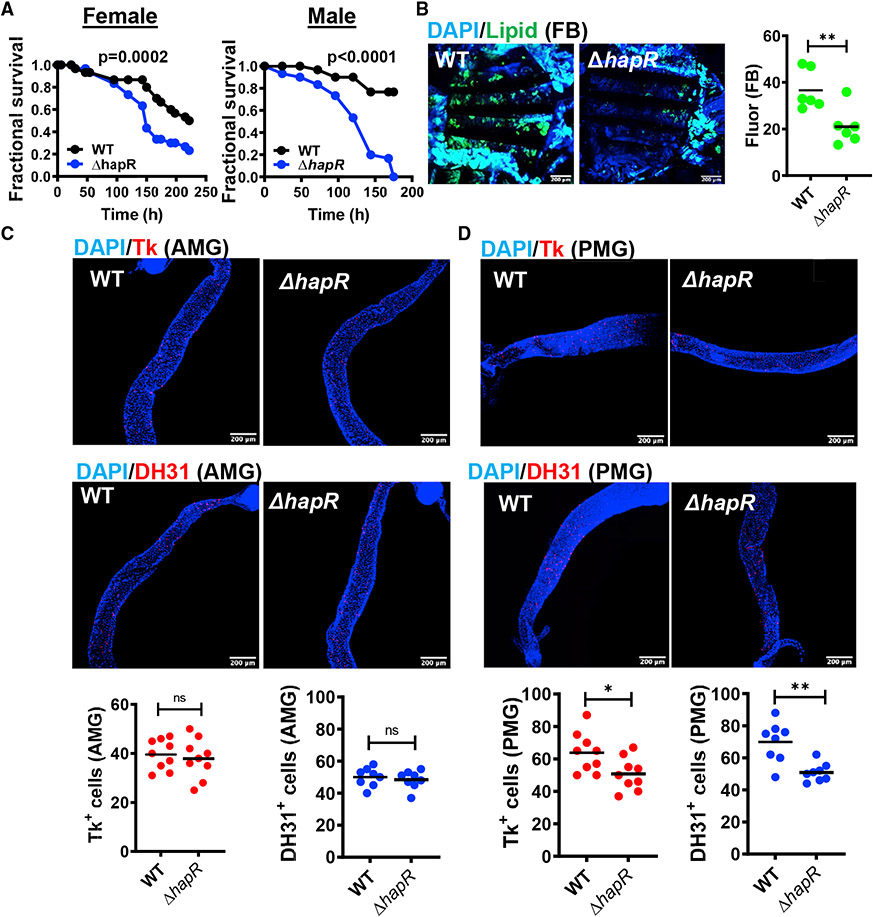
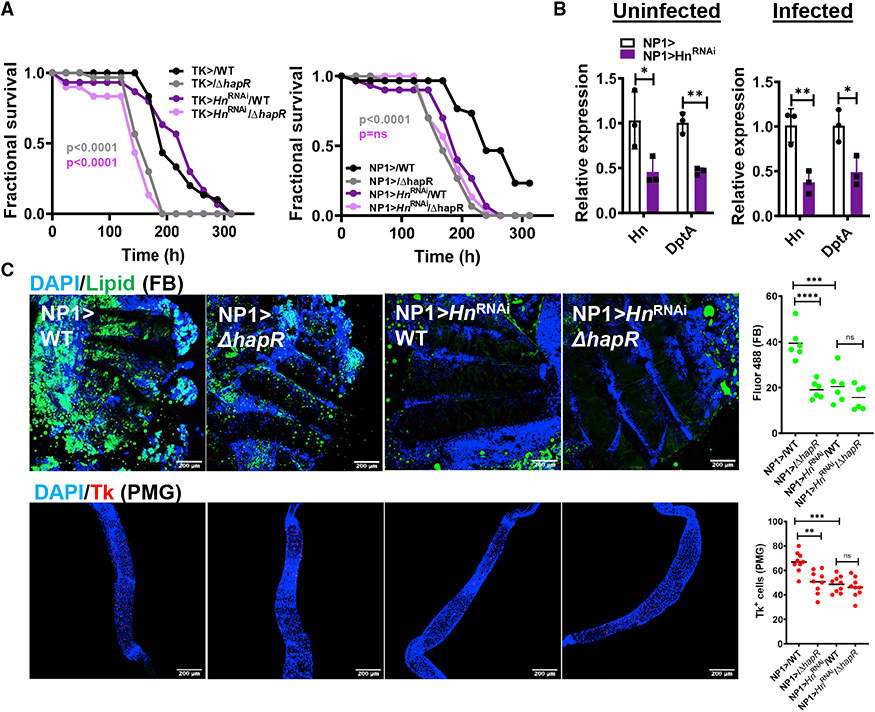
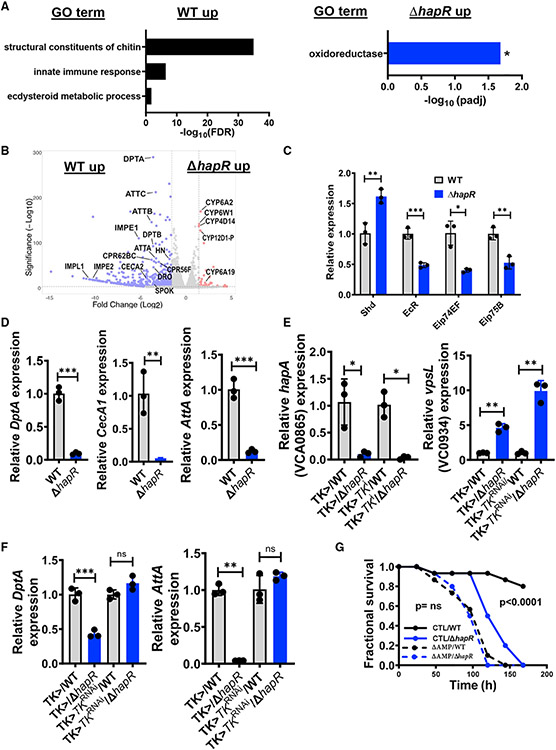
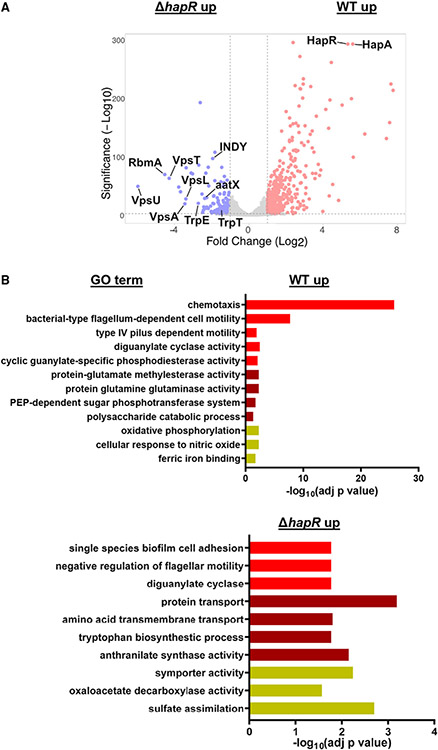
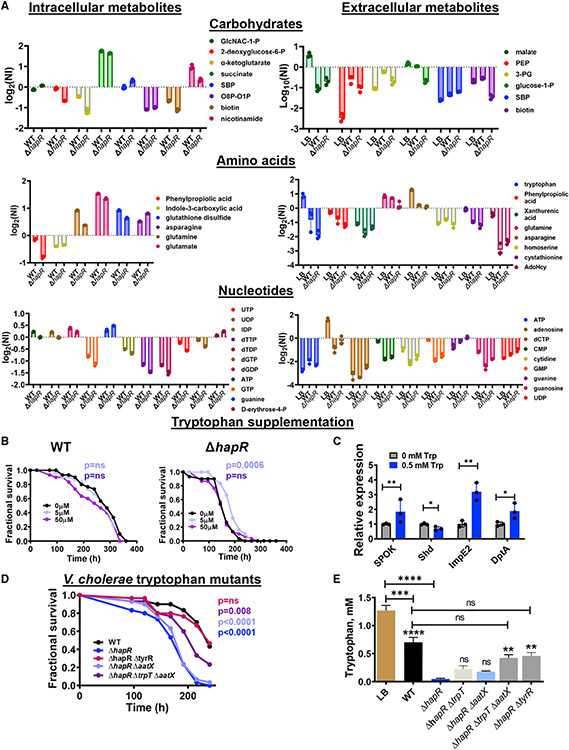
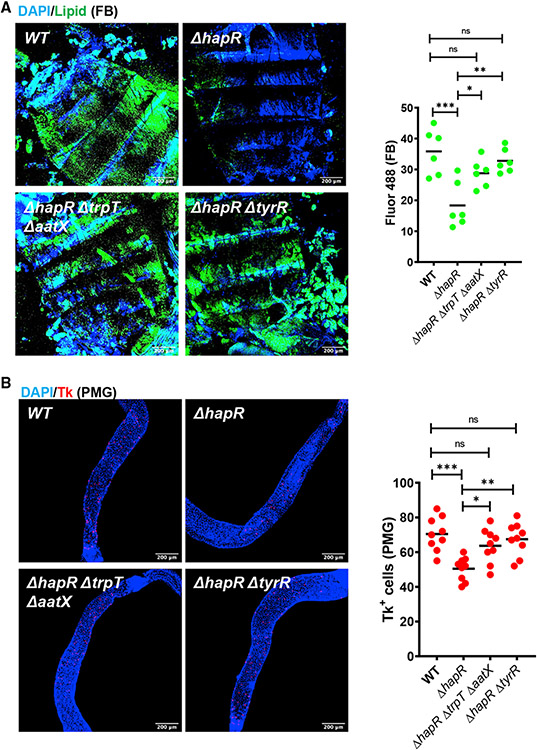
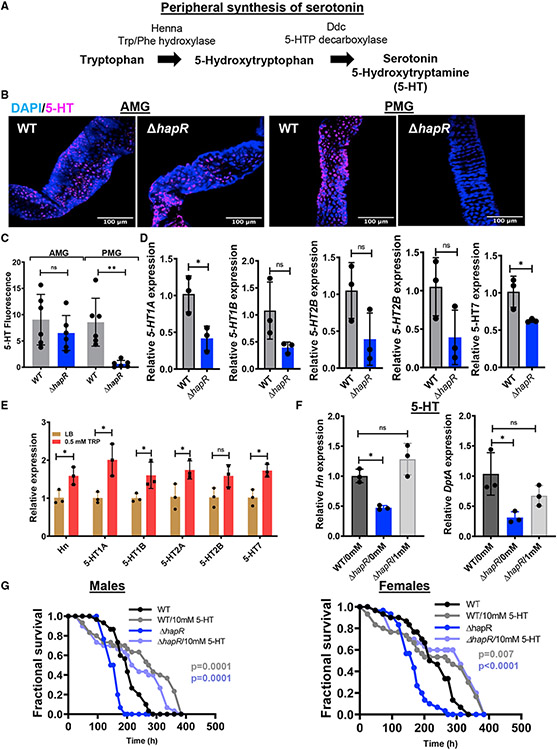
Quorum sensing fundamentally alters the interaction of Vibrio cholerae with aquatic environments, environmental hosts, and the human intestine. At high cell density, the quorum-sensing regulator HapR represses not only expression of cholera toxin and the toxin co-regulated pilus, virulence factors essential in human infection, but also synthesis of the Vibrio polysaccharide (VPS) exopolysaccharide-based matrix required for abiotic and biotic surface attachment. Here, we describe a feature of V. cholerae quorum sensing that shifts the host-pathogen interaction toward commensalism. By repressing pathogen consumptive anabolic metabolism and, in particular, tryptophan uptake, V. cholerae HapR stimulates host intestinal serotonin production. This, in turn, activates host intestinal innate immune signaling to promote host survival.
群体感应从根本上改变了霍乱弧菌与水生环境、环境宿主和人类肠道的相互作用。在高细胞密度下,群体感应调节因子 HapR 不仅抑制霍乱毒素和毒素共调节菌毛的表达,这是人类感染中必不可少的毒力因子,还抑制基于 Vibrio 多糖 (VPS) 外多糖基质的合成,该基质是生物和非生物表面附着所必需的。在这里,我们描述了霍乱弧菌群体感应的一个特征,它将宿主-病原体相互作用转向共生关系。通过抑制病原体消耗性合成代谢,特别是色氨酸摄取,霍乱弧菌 HapR 刺激宿主肠道 5-羟色胺的产生。反过来,这激活了宿主肠道先天免疫信号,促进宿主存活。