Department of Internal Medicine, Edward Francis Small teaching hospital, Banjul, The Gambia.
School of Medicine and Allied Health Sciences, University of The Gambia, Banjul, The Gambia.
Malar J. 2022 Sep 21;21(1):270. doi: 10.1186/s12936-022-04294-4.
Malaria is a major public health concern in The Gambia. There is limited data on the clinical manifestation and outcome of severe malaria in adult patients in The Gambia. The study therefore assessed the clinical manifestations and outcome of severe malaria in adult patients admitted at the Edward Francis Small Teaching Hospital.
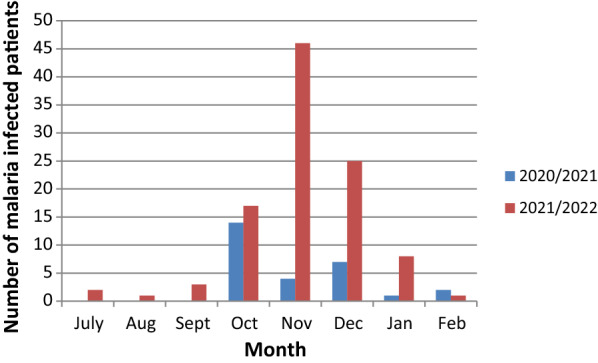
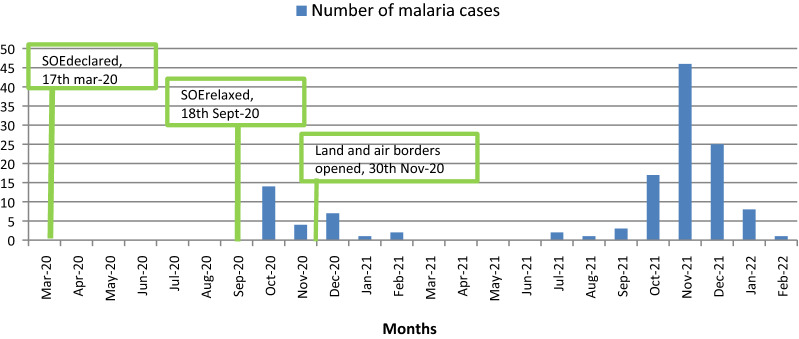
The study retrospectively reviewed the records of all malaria patients admitted from 18th October 2020 to 2nd February 2022. Demographic data, clinical features, investigations, treatment, and outcomes were recorded.
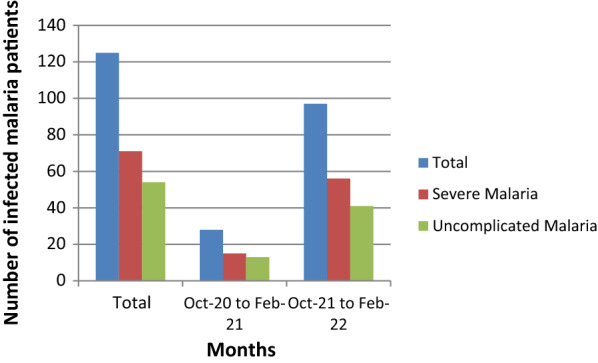
A total of 131 confirmed malaria patients were recruited into the study. The median age was 21 yrs, range (15-90) and most of them were within the youth age group (15-24yrs) 85 (64.9%). The majority of the patients were also male 88 (67.2%) with a male to female ratio of 2:1. The most common symptom at presentation was fever 119 (90.8%) and the most common sign was pallor 48 (36.6%). Seventy-six patients (58.1%) and 55 (41.9%) patients met the criteria for severe malaria and uncomplicated malaria diagnosis, respectively. The most common clinical feature amongst patients with severe malaria were impaired consciousness 34 (44.7%), severe anaemia 26 (34.2%) and acute kidney injury 20 (26.3%). Patients with severe malaria were younger with mean age of 22.9 vs. 29 yrs (p = 0.004), more likely to be referred from a lower-level health facility 62 (81.6%) vs. 34 (61.8%) (p = 0.012), to have a longer duration of admission (p = 0.024) and to die 13 (17.1%) vs. 0 (0%) (p = 0.001) as compared to patients with uncomplicated malaria. The total mortality was 13 (9.9%) and all the patients who died had severe malaria. Mortality was higher in patients with impaired consciousness 9 (26.5%) and there was a significant relationship between death and impaired consciousness 9 (69.3%) vs. 25 (21.4%) p = 0.001.
Severe malaria still affects young adults in an endemic area with significant mortality. This suggests the need for targeted malaria prevention, surveillance, case management and control strategies in this population group in The Gambia to help reduce morbidity and mortality of malaria.
疟疾是冈比亚的一个主要公共卫生问题。冈比亚成年重症疟疾患者的临床表现和结局数据有限。因此,本研究评估了爱德华·弗朗西斯·斯莫尔教学医院收治的成年重症疟疾患者的临床表现和结局。
本研究回顾性分析了 2020 年 10 月 18 日至 2022 年 2 月 2 日期间所有疟疾住院患者的病历。记录了人口统计学数据、临床特征、检查、治疗和结局。
共纳入 131 例确诊疟疾患者。中位年龄为 21 岁,范围为 15-90 岁,其中大多数为青年年龄组(15-24 岁)85 例(64.9%)。大多数患者也是男性 88 例(67.2%),男女比例为 2:1。就诊时最常见的症状是发热 119 例(90.8%),最常见的体征是苍白 48 例(36.6%)。76 例(58.1%)和 55 例(41.9%)患者分别符合重症疟疾和无并发症疟疾的诊断标准。重症疟疾患者中最常见的临床特征是意识障碍 34 例(44.7%)、严重贫血 26 例(34.2%)和急性肾损伤 20 例(26.3%)。重症疟疾患者年龄更小,平均年龄为 22.9 岁,而无并发症疟疾患者为 29 岁(p=0.004);更多患者来自基层医疗机构转诊而来,比例为 81.6%,而无并发症疟疾患者为 61.8%(p=0.012);重症疟疾患者的住院时间更长(p=0.024),死亡率更高,分别为 17.1%和 0%(p=0.001)。总死亡率为 13(9.9%),所有死亡患者均患有重症疟疾。意识障碍患者的死亡率更高,为 26.5%,且意识障碍与死亡之间存在显著关系,分别为 9(69.3%)和 25(21.4%)(p=0.001)。
在疟疾流行地区,重症疟疾仍严重影响青年成年人,死亡率较高。这表明冈比亚需要针对该人群制定有针对性的疟疾预防、监测、病例管理和控制策略,以帮助降低疟疾的发病率和死亡率。