Department of Trauma, Hand, and Reconstructive Surgery, University Hospital Essen, University Duisburg-Essen, Essen, Germany.
Department of Otorhinolaryngology, University Hospital Essen, University Duisburg-Essen, Essen, Germany.
Front Immunol. 2022 Sep 6;13:945409. doi: 10.3389/fimmu.2022.945409. eCollection 2022.
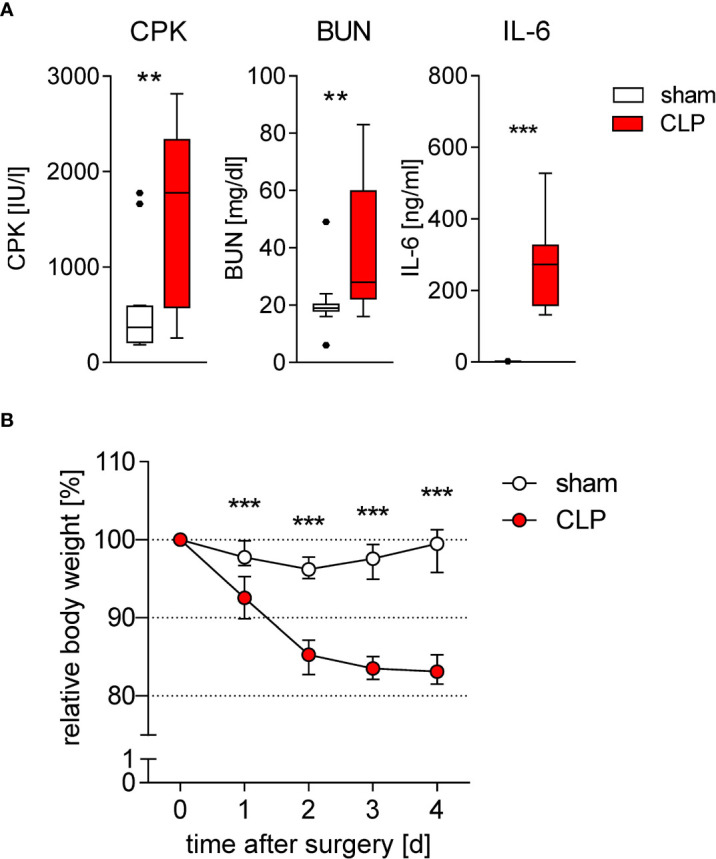
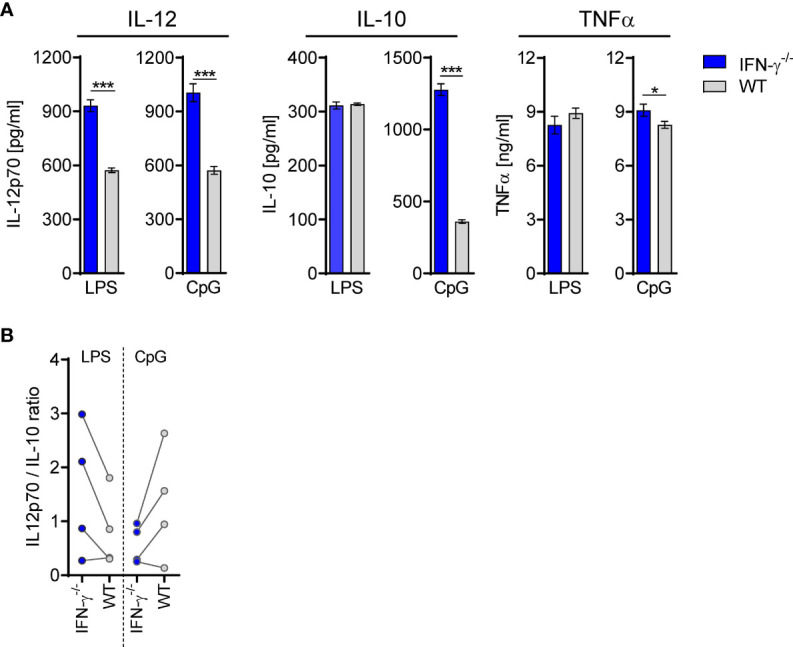
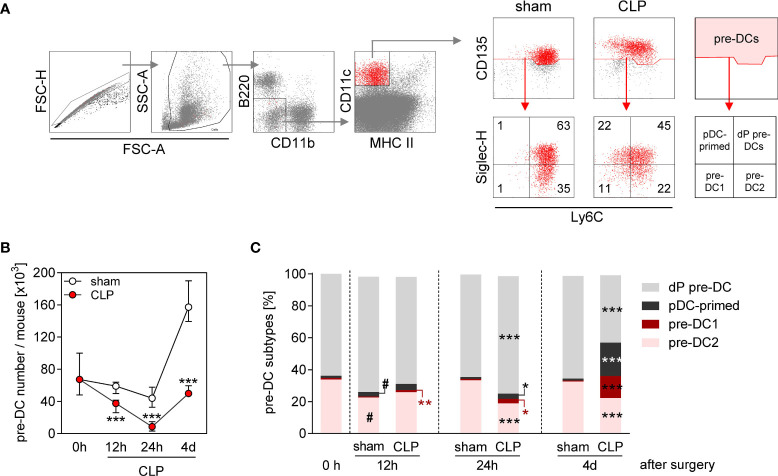
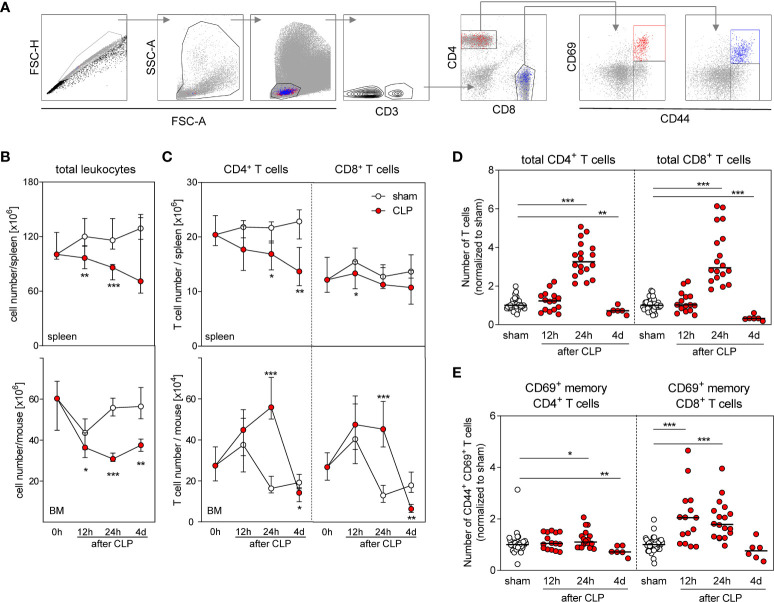
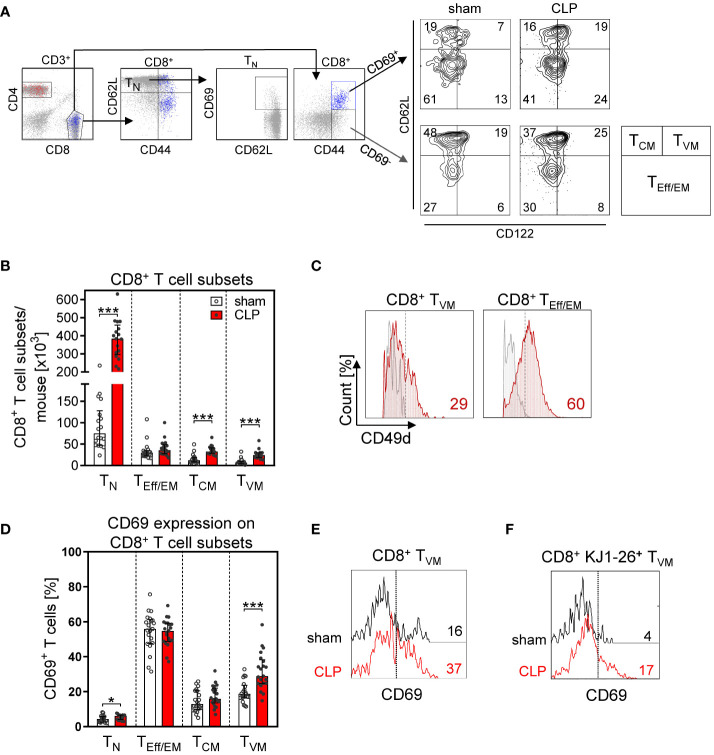
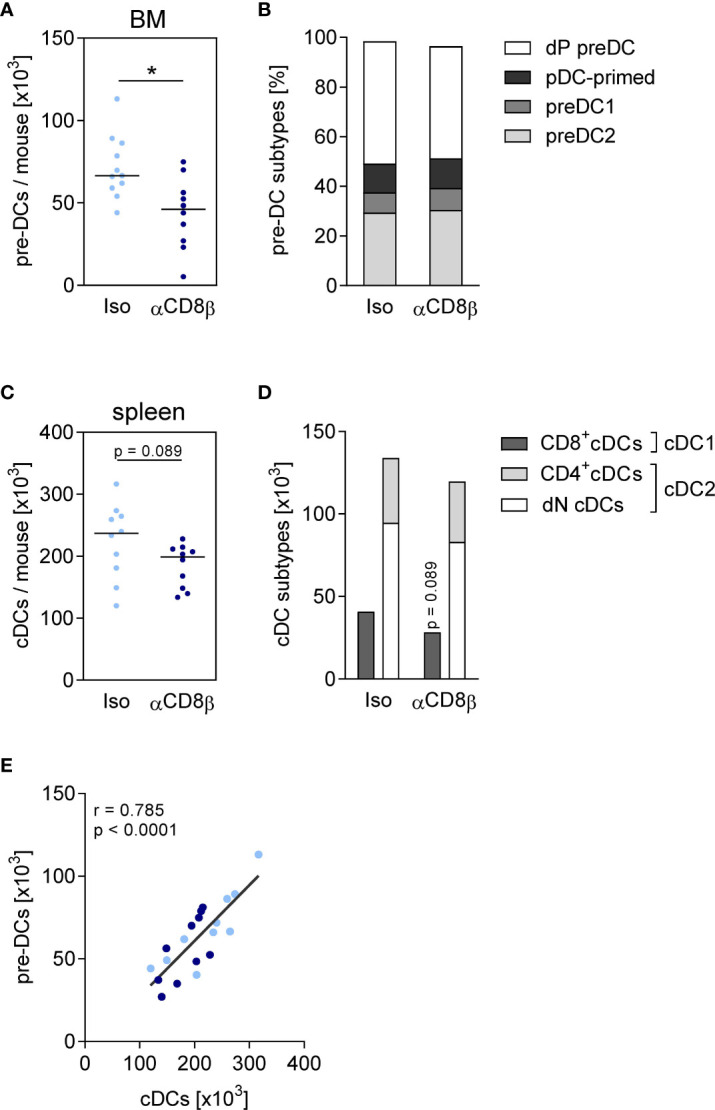
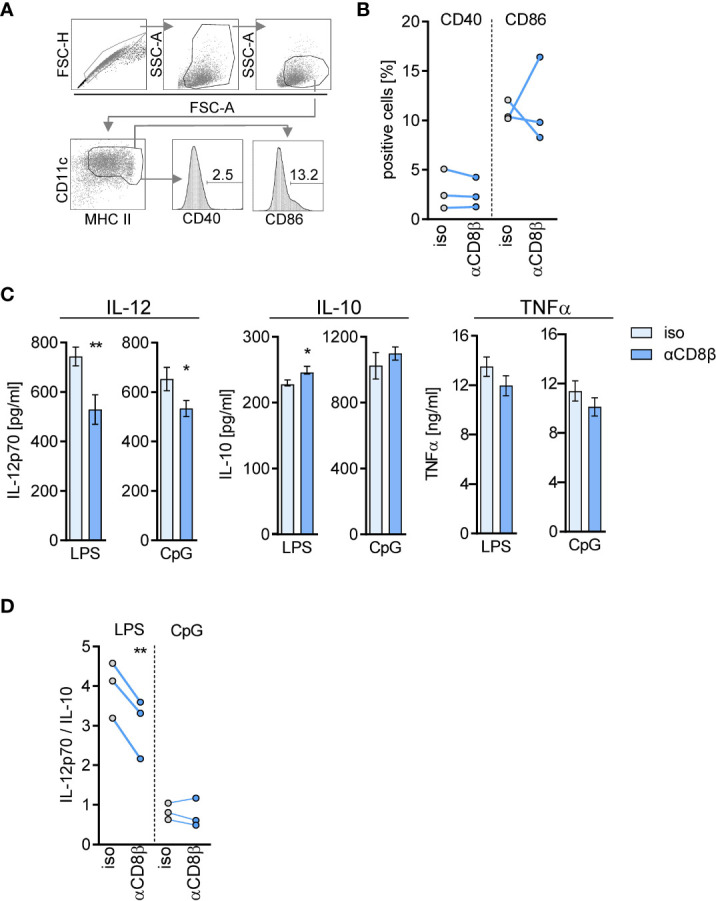
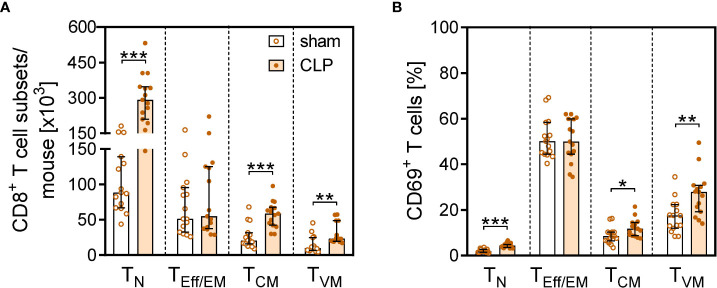
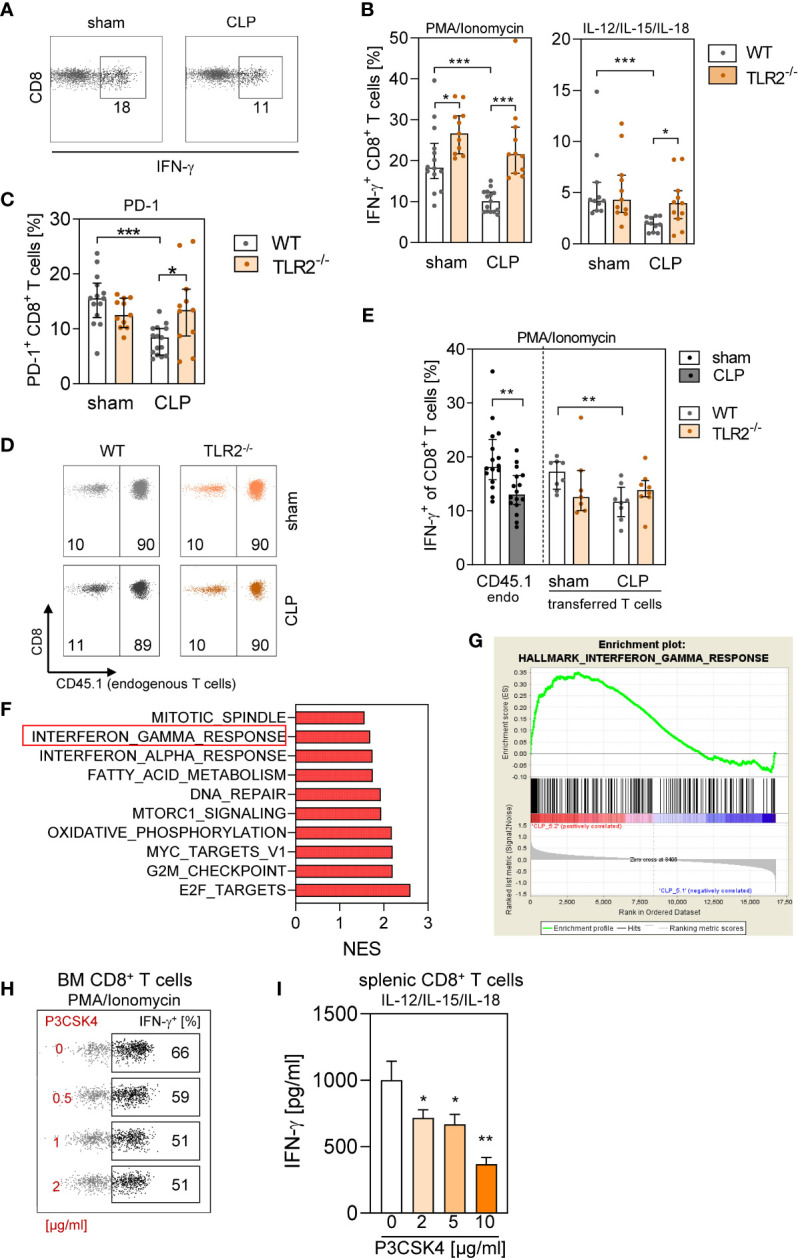
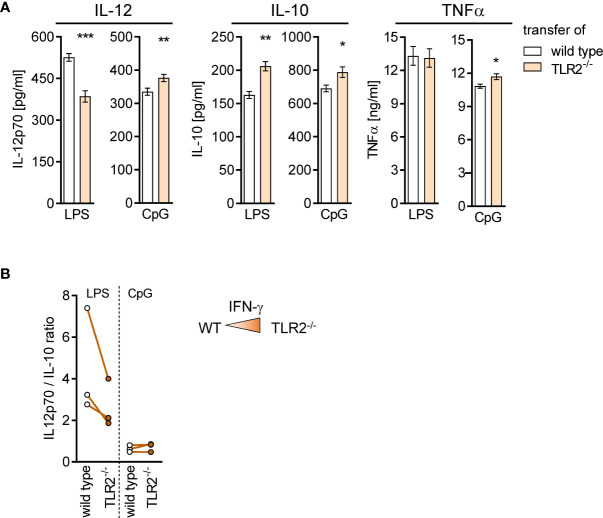
Sepsis is associated with profound immune dysregulation that increases the risk for life-threatening secondary infections: Dendritic cells (DCs) undergo functional reprogramming due to yet unknown changes during differentiation in the bone marrow (BM). In parallel, lymphopenia and exhaustion of T lymphocytes interfere with antigen-specific adaptive immunity. We hypothesized that there exists a link between T cells and the modulation of DC differentiation in the BM during murine polymicrobial sepsis. Sepsis was induced by cecal ligation and puncture (CLP), a model for human bacterial sepsis. At different time points after CLP, the BM and spleen were analyzed in terms of T-cell subpopulations, activation, and Interferon (IFN)-γ synthesis as well as the number of pre-DCs. BM-derived DCs were generated . We observed that naïve and virtual memory CD8 T cells, but not CD4 T cells, were activated in an antigen-independent manner and accumulated in the BM early after CLP, whereas lymphopenia was evident in the spleen. The number of pre-DCs strongly declined during acute sepsis in the BM and almost recovered by day 4 after CLP, which required the presence of CD8 T cells. Adoptive transfer experiments and studies with purified T cells revealed that Toll-like receptor 2 (TLR2) signaling in CD8 T cells suppressed their capacity to secrete IFN-γ and was sufficient to change the transcriptome of the BM during sepsis. Moreover, the diminished IFN-γ production of CD8 T cells favored the differentiation of DCs with increased production of the immune-activating cytokine Interleukin (IL)-12. These data identify a novel role of CD8 T cells in the BM during sepsis as they sense TLR2 ligands and control the number and function of differentiating DCs.
脓毒症与深刻的免疫失调有关,增加了危及生命的继发感染的风险:树突状细胞(DC)在骨髓(BM)中的分化过程中由于未知的变化而经历功能重编程。与此同时,淋巴细胞减少和 T 淋巴细胞耗竭干扰了抗原特异性适应性免疫。我们假设在多微生物脓毒症期间,T 细胞与 BM 中 DC 分化的调节之间存在联系。通过盲肠结扎和穿刺(CLP)诱导脓毒症,这是人类细菌性脓毒症的模型。在 CLP 后不同时间点,分析 BM 和脾脏中的 T 细胞亚群、激活和干扰素(IFN)-γ合成以及前 DC 数量。生成 BM 来源的 DC。我们观察到幼稚和虚拟记忆 CD8 T 细胞,但不是 CD4 T 细胞,以抗原非依赖性方式激活并在 CLP 后早期在 BM 中积累,而脾中出现淋巴细胞减少。急性脓毒症期间 BM 中的前 DC 数量强烈下降,CLP 后第 4 天几乎恢复,这需要 CD8 T 细胞的存在。过继转移实验和纯化 T 细胞的研究表明,CD8 T 细胞中的 Toll 样受体 2(TLR2)信号抑制了它们分泌 IFN-γ的能力,并且足以改变脓毒症期间 BM 的转录组。此外,CD8 T 细胞 IFN-γ产生的减少有利于具有增加免疫激活细胞因子白细胞介素(IL)-12产生的 DC 分化。这些数据确定了 CD8 T 细胞在脓毒症期间 BM 中的新作用,因为它们感知 TLR2 配体并控制分化 DC 的数量和功能。