Almikhlafi Mohannad A, Haghayeghi Koorosh, Gardner Alice
Pharmacology and Toxicology, Taibah University, Madinah, SAU.
Pharmaceutical Science, Massachusetts College of Pharmacy and Health Sciences, Worcester, USA.
Cureus. 2022 Aug 24;14(8):e28333. doi: 10.7759/cureus.28333. eCollection 2022 Aug.
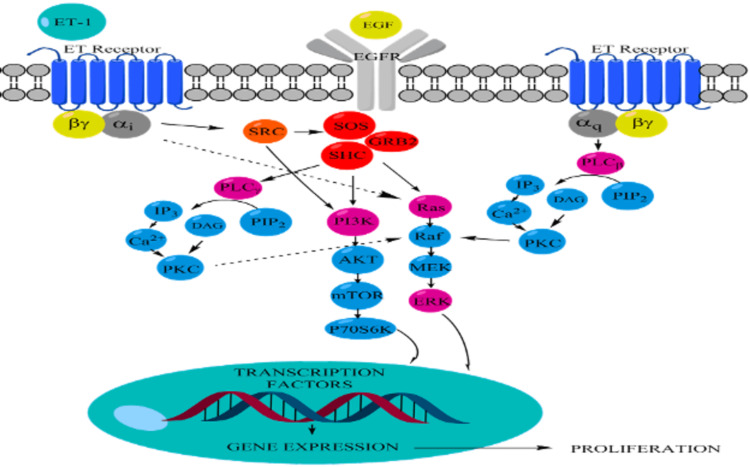
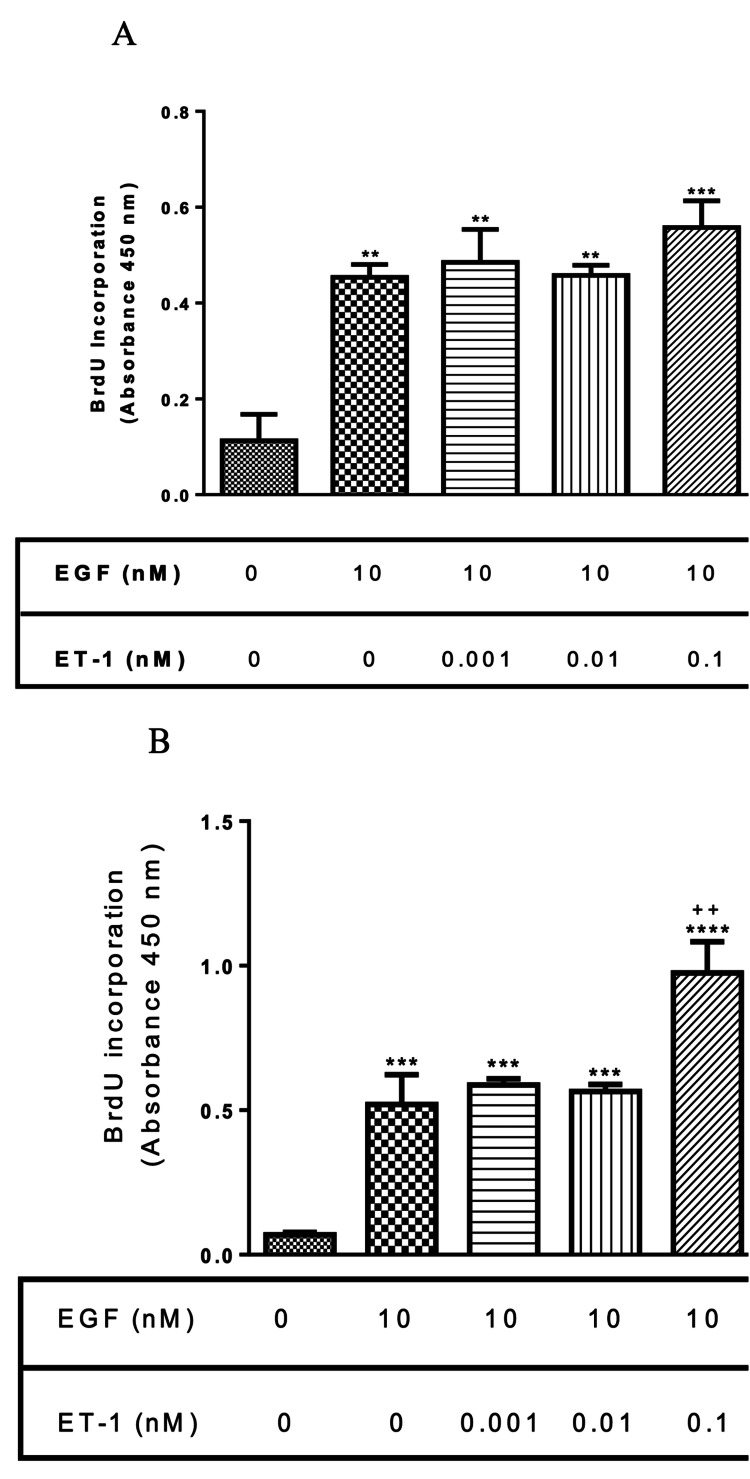
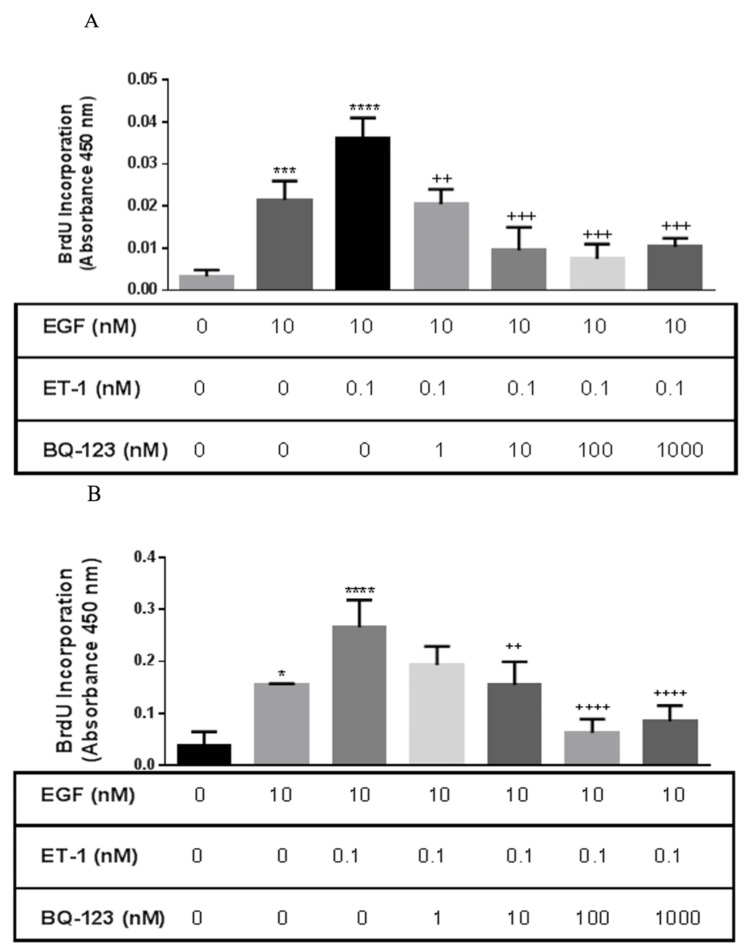
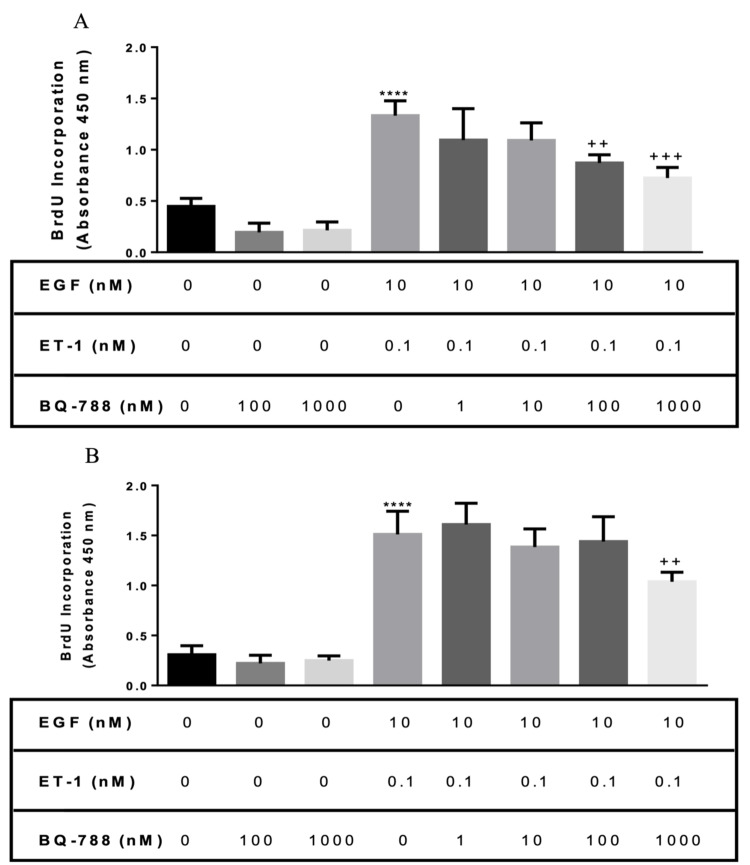
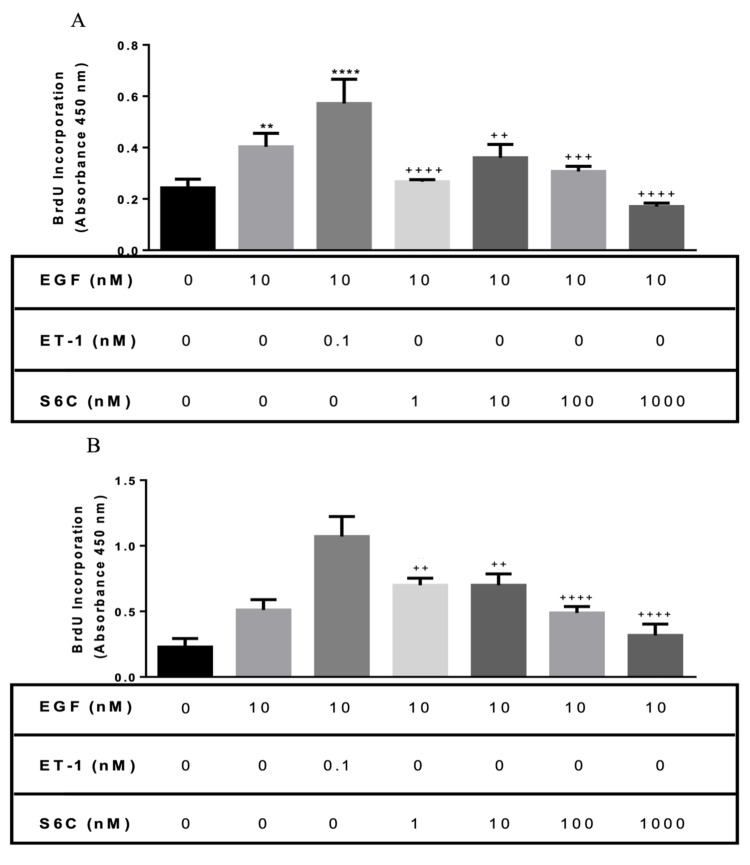
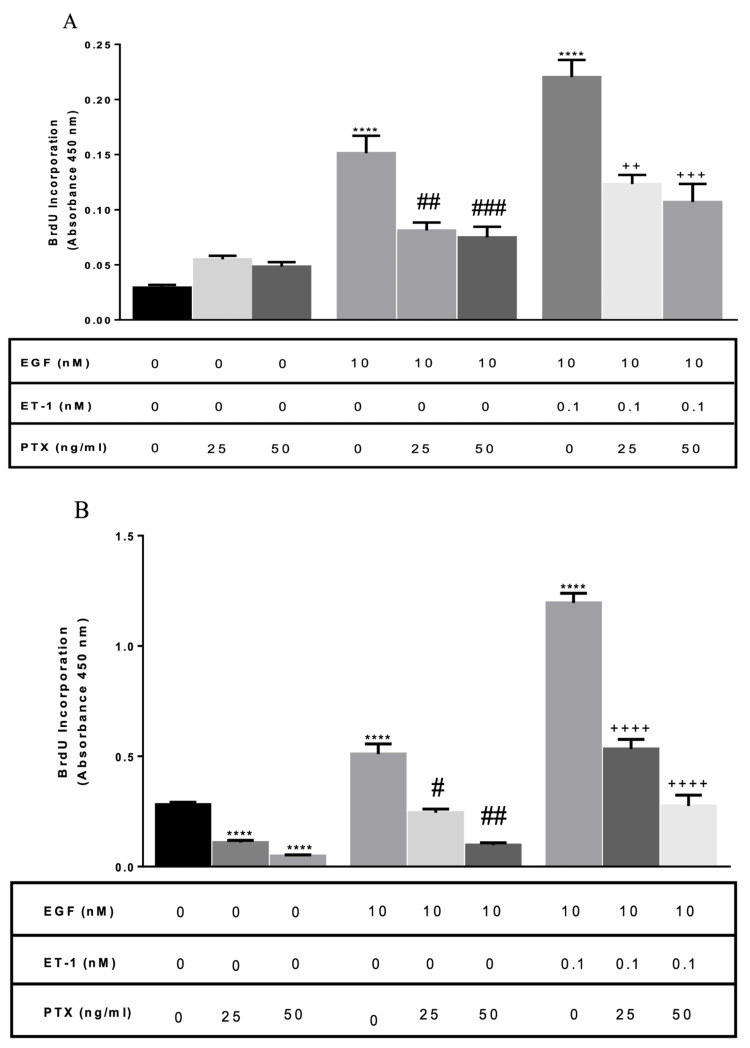
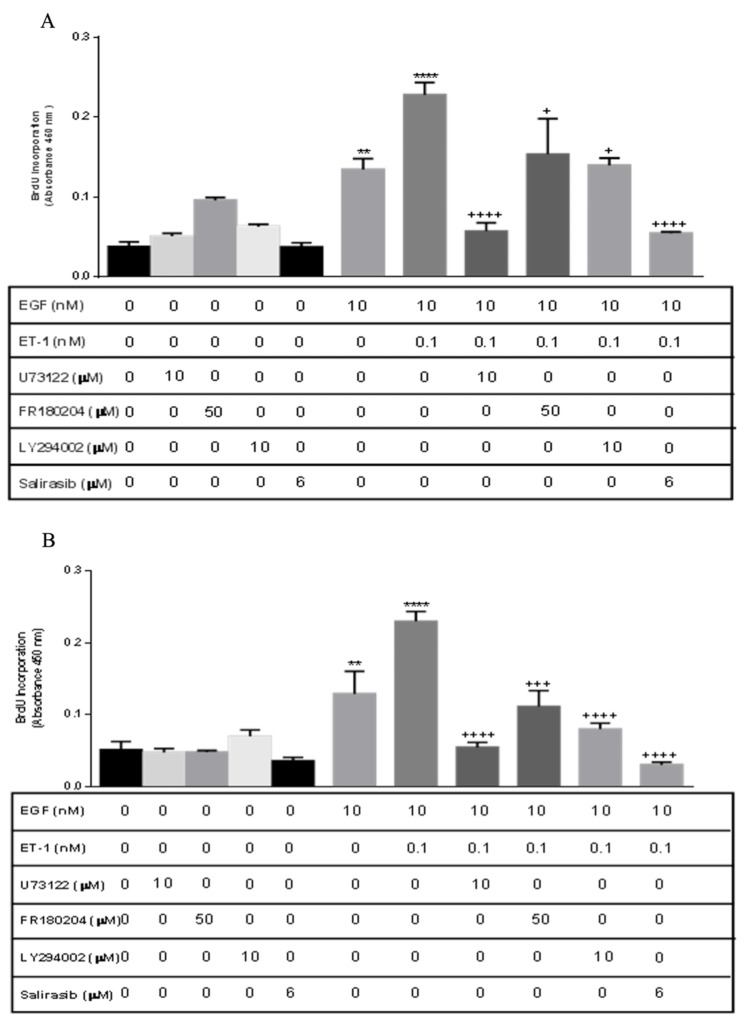
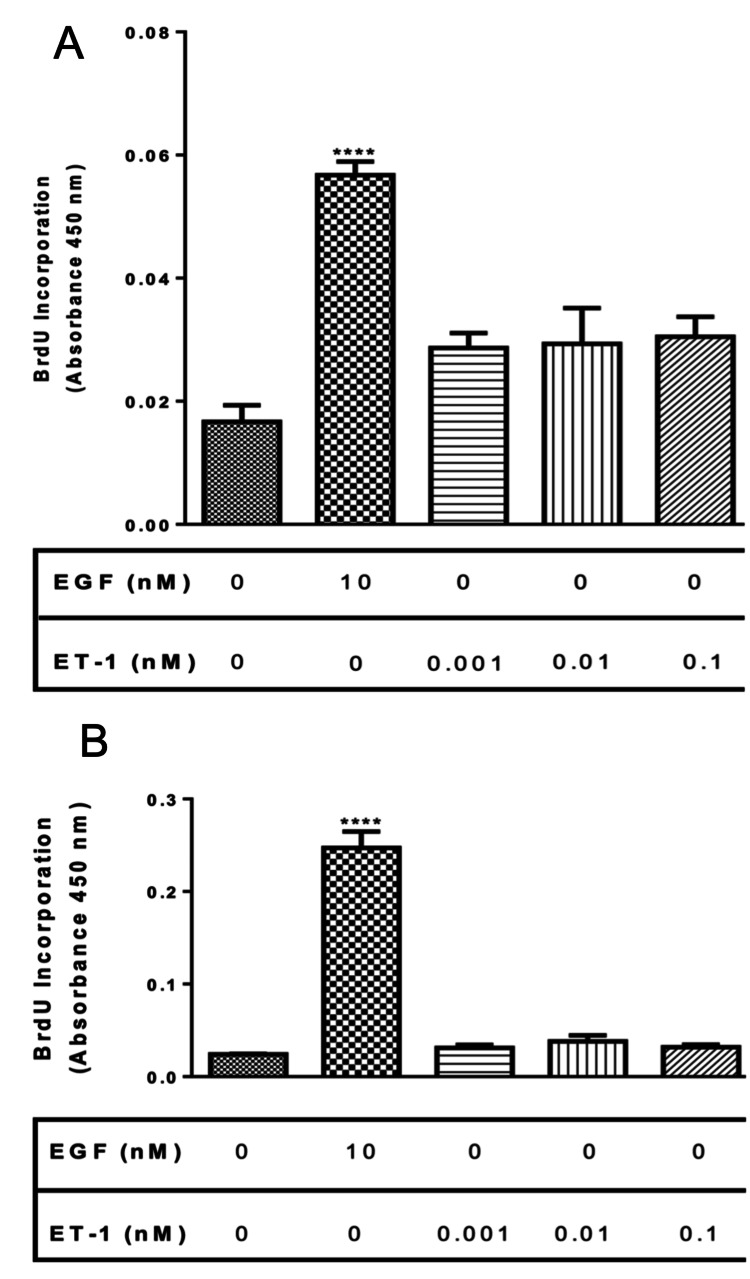
Background Asthma is a chronic disease characterized by chronic inflammation, reversible airway obstruction, airway hyperresponsiveness (AHR), and airway remodeling. One of the important features of asthma is airway remodeling, which plays a central role in airflow limitation. Airway remodeling involves numerous changes in the bronchial walls, including airway smooth muscle (ASM) cell hypertrophy and hyperplasia. Studies have shown that ASM hyperplasia in asthma is mediated by the increased production of mitogens. Endothelin-1 (ET-1) has been shown to induce proliferation and function as a co-mitogen in vascular and ASM. In patients with asthma, plasma and bronchoalveolar lavage fluid have been shown to have elevated ET-1 levels, which have been linked to airway remodeling and airflow obstruction in severe asthma. This study investigates the role of ET-1 in proliferation, the receptor subtype mediating its effect, and the signaling pathway. Methodology Normal and asthmatic bronchial airway smooth muscle (BASM) cells were seeded into 5 × 10cells/well. Cell proliferation was assayed using 5-bromo-2'-deoxyuridine (BrdU) incorporation. Confluent cells were treated with different concentrations of ET-1 in the presence or absence of the epidermal growth factor (EGF). Signaling pathways were explored using pretreatment of BASM with antagonists 15 minutes before ET-1/EGF stimulation. Results In asthmatic BASM, ET-1 (0.1 nM) functions as a co-mitogen in the presence of EGF (10 nM), showing a significantly greater effect on asthmatic BASM proliferation compared with normal BASM. The ETA receptor antagonist BQ-123 (10-1,000 nM) significantly reduced the proliferative effect of ET-1/EGF on asthmatic BASM more than normal BASM. Moreover, the effect of ETB antagonist BQ-788 (1,000 nM) or pretreatment with the ETB agonist S6C (1-10 nM) followed by co-treatment with EGF in asthmatic BASM showed a small but significant decrease when pretreated with the inhibitor and increased with the agonist, thereby suggesting that the co-mitogenic effect of ET-1 is mainly via the activation of ETA receptors, with a small contribution by the ETBreceptors in asthmatic BASM. Finally, pertussis toxin (PTX) pretreatment (25 and 50 ng/mL) showed that EGF and ET-1/EGF mitogenic and co-mitogenic signaling utilizes Gi/0-mediated transactivation by EGF and ET receptors, especially in asthmatic BASM, leading to the activation of Ras-ERK-PI3K pathways. Enhanced ERK and PI3K effects on proliferation suggested that these kinases modulate the co-mitogenic effect of ET-1 in asthmatic BASM. Enhanced cross-talk between ET and EGF receptors may be a potential mechanism contributing to airway remodeling in asthmatic BASM. Conclusions ET-1 enhances the mitogenic effect of EGF predominantly via the ETA receptor in asthmatic BASM with the activation of Ras, ERK, and PI3K. The cross-talk mechanism between ET and EGF receptors may be a potential therapeutic target to prevent the progression of airway remodeling in ASM in patients with asthma.
哮喘是一种以慢性炎症、可逆性气道阻塞、气道高反应性(AHR)和气道重塑为特征的慢性疾病。气道重塑是哮喘的重要特征之一,在气流受限中起核心作用。气道重塑涉及支气管壁的众多变化,包括气道平滑肌(ASM)细胞肥大和增生。研究表明,哮喘中ASM增生是由促有丝分裂原产生增加介导的。内皮素-1(ET-1)已被证明可诱导血管和ASM中的增殖并作为共促有丝分裂原发挥作用。在哮喘患者中,血浆和支气管肺泡灌洗液中的ET-1水平已被证明升高,这与重度哮喘中的气道重塑和气流阻塞有关。本研究调查ET-1在增殖中的作用、介导其作用的受体亚型以及信号通路。
将正常和哮喘支气管气道平滑肌(BASM)细胞以5×10个细胞/孔接种。使用5-溴-2'-脱氧尿苷(BrdU)掺入法测定细胞增殖。在存在或不存在表皮生长因子(EGF)的情况下,用不同浓度的ET-1处理汇合细胞。在ET-1/EGF刺激前15分钟用拮抗剂预处理BASM以探索信号通路。
在哮喘BASM中,ET-1(0.1 nM)在EGF(10 nM)存在下作为共促有丝分裂原发挥作用,与正常BASM相比,对哮喘BASM增殖的影响显著更大。ETA受体拮抗剂BQ-123(10 - 1000 nM)比正常BASM更显著地降低了ET-1/EGF对哮喘BASM的增殖作用。此外,ETB拮抗剂BQ-788(1000 nM)或在哮喘BASM中先用ETB激动剂S6C(1 - 10 nM)预处理然后与EGF共同处理的效果,在用抑制剂预处理时显示出虽小但显著的降低,而用激动剂处理时则增加,从而表明ET-1的共促有丝分裂作用主要通过ETA受体的激活,在哮喘BASM中ETB受体的贡献较小。最后,百日咳毒素(PTX)预处理(25和50 ng/mL)表明,EGF和ET-1/EGF的有丝分裂和共促有丝分裂信号利用EGF和ET受体的Gi/0介导的反式激活,特别是在哮喘BASM中,导致Ras-ERK-PI3K途径的激活。ERK和PI3K对增殖的增强作用表明这些激酶调节ET-1在哮喘BASM中的共促有丝分裂作用。ET和EGF受体之间增强的相互作用可能是导致哮喘BASM气道重塑的潜在机制。
ET-1主要通过哮喘BASM中的ETA受体增强EGF的有丝分裂作用,并激活Ras、ERK和PI3K。ET和EGF受体之间的相互作用机制可能是预防哮喘患者ASM中气道重塑进展的潜在治疗靶点。