Medizinische Klinik 1, Universitätsklinikum Erlangen, Friedrich-Alexander-Universität Erlangen-Nürnberg, Erlangen, Germany.
Institute of Medical Biotechnology, Friedrich-Alexander University Erlangen-Nürnberg, Erlangen, Germany.
Nat Commun. 2022 Sep 29;13(1):5730. doi: 10.1038/s41467-022-33326-5.
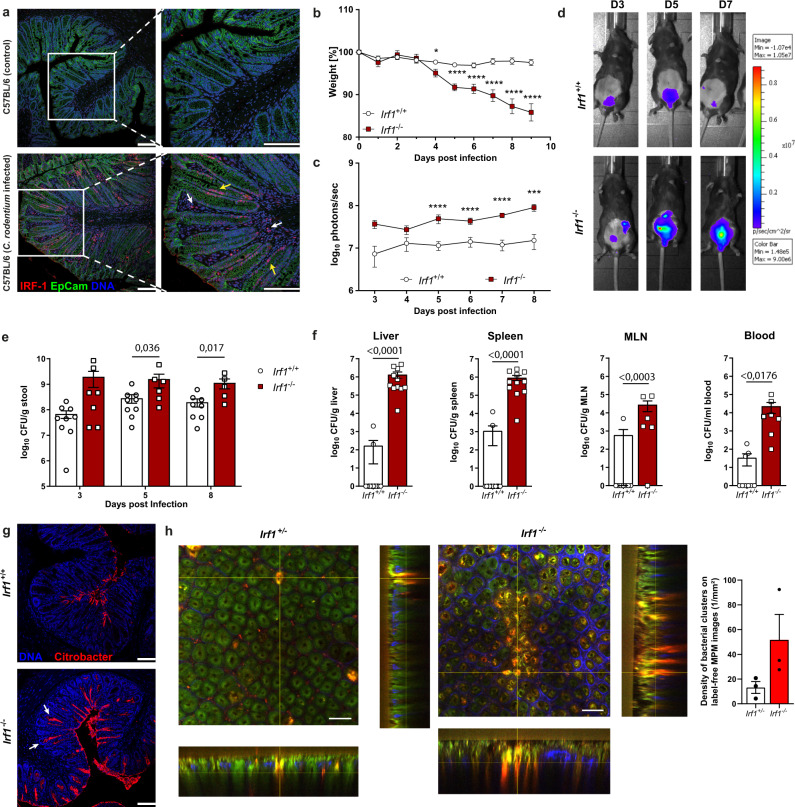
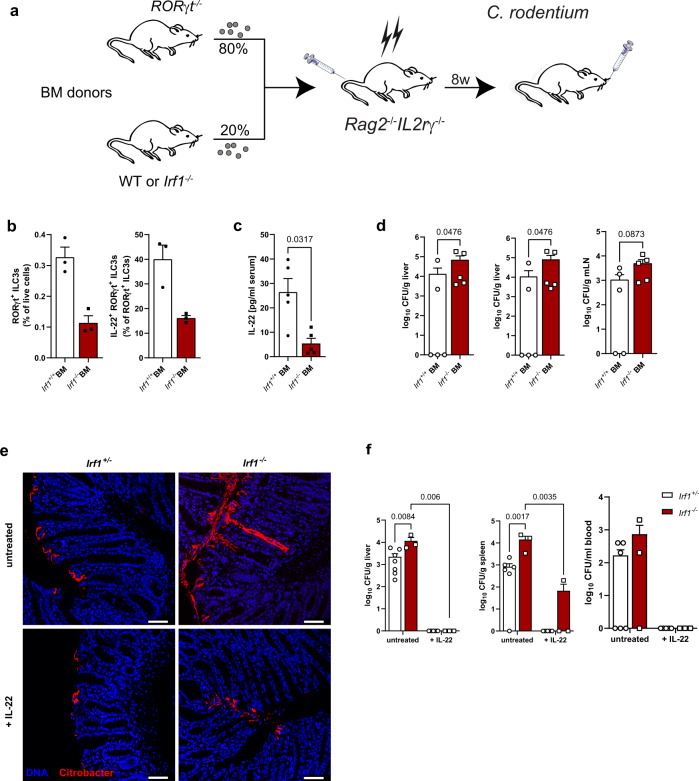
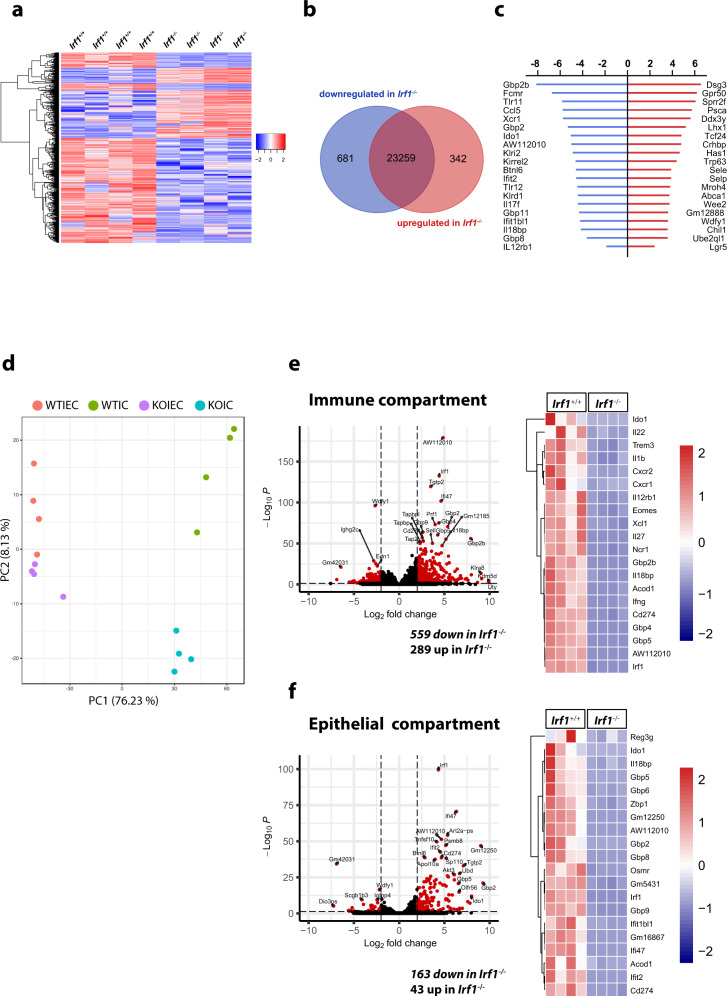
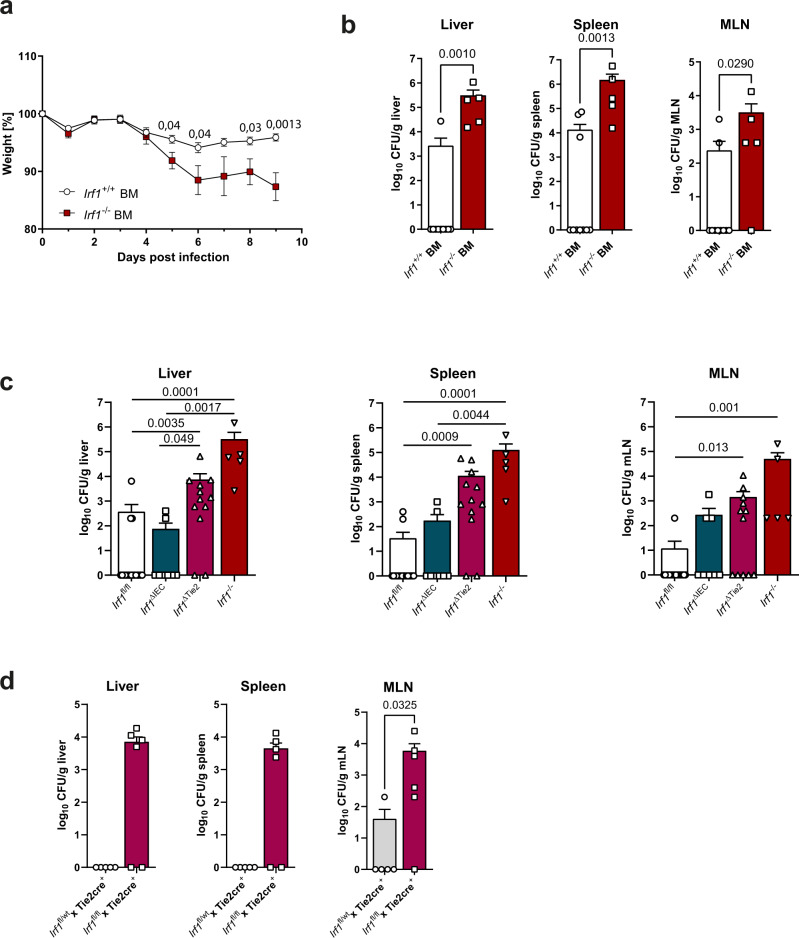
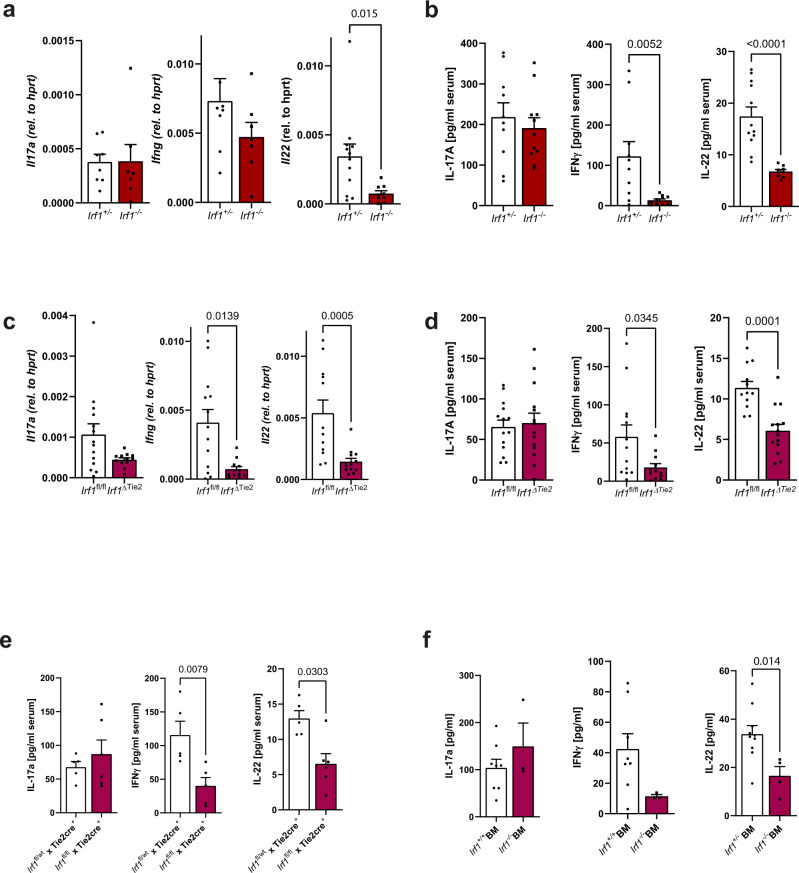
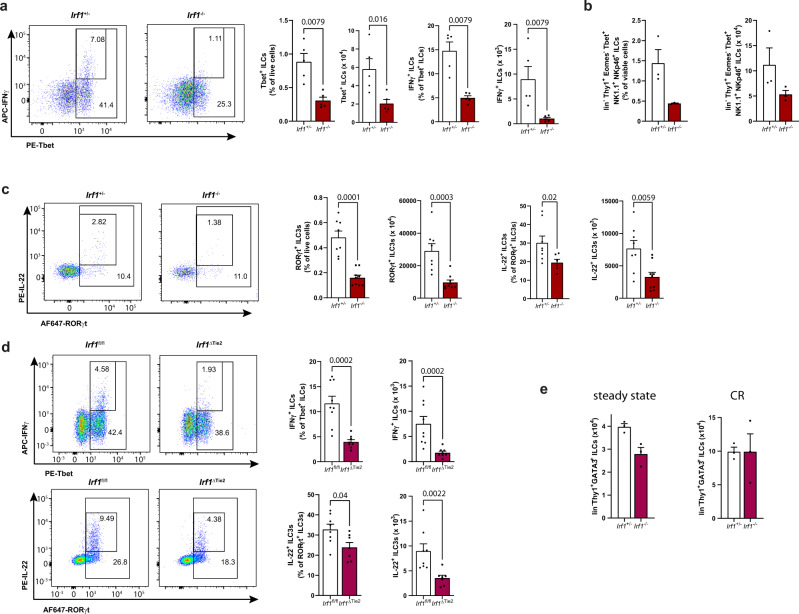
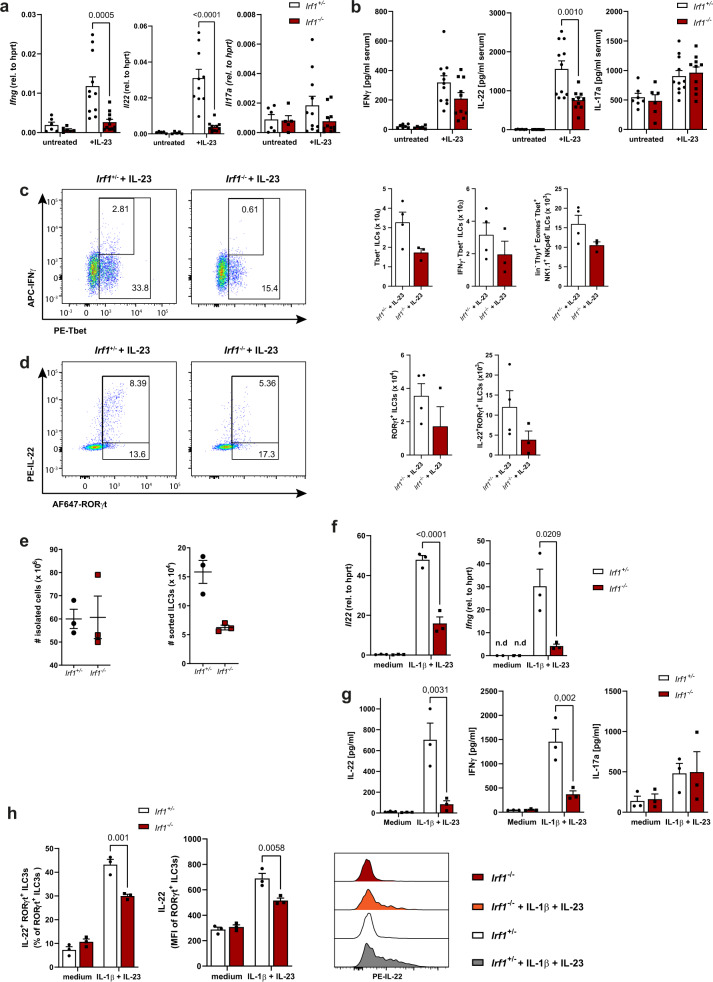
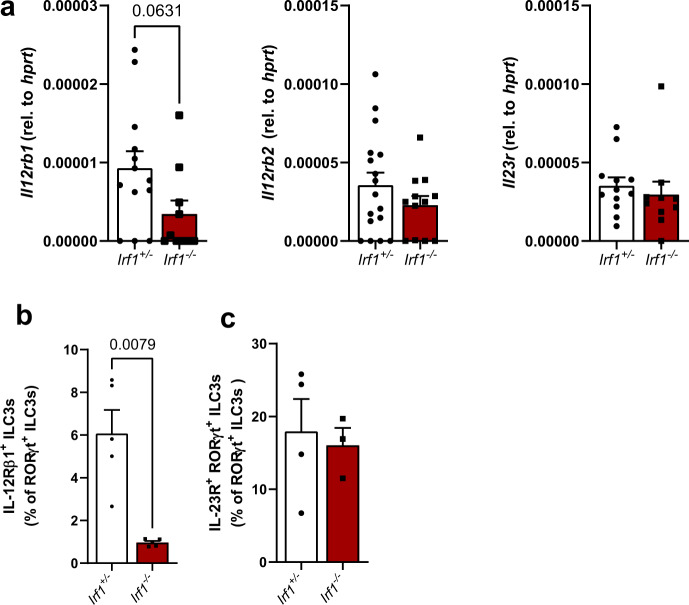
Group 3 innate lymphoid cells (ILC3s) are crucial mediators of immunity and epithelial barrier function during immune responses against extracellular bacteria. Here, we identify Interferon regulatory factor 1 (IRF-1), a transcription factor previously associated with type 1 immunity, as an essential regulator of intestinal ILC3 accumulation and effector cytokine production. We demonstrate that IRF-1 is upregulated in the context of infection with the enteropathogen Citrobacter rodentium and that its presence is central for anatomical containment and prevention of pathogen dissemination. We furthermore show that IRF-1 is required in order for intestinal ILC3s to produce large amounts of the protective effector cytokine IL-22 early in the course of infection. On a molecular level, our data indicate that IRF-1 controls ILC3 numbers and their activation by direct transcriptional regulation of the IL-12Rβ1 chain, thereby allowing ILCs to physiologically respond to IL-23 stimulation.
第三组固有淋巴细胞 (ILC3) 在针对细胞外细菌的免疫反应中是免疫和上皮屏障功能的关键介质。在这里,我们确定干扰素调节因子 1 (IRF-1),一种先前与 1 型免疫相关的转录因子,是肠道 ILC3 积累和效应细胞因子产生的必需调节剂。我们证明,IRF-1 在肠病原体柠檬酸杆菌感染的情况下上调,其存在对于病原体的解剖学控制和防止传播至关重要。我们还表明,IRF-1 是肠道 ILC3 在感染早期产生大量保护性效应细胞因子 IL-22 所必需的。在分子水平上,我们的数据表明,IRF-1 通过直接转录调节 IL-12Rβ1 链来控制 ILC3 的数量及其激活,从而使 ILC 能够对 IL-23 刺激做出生理反应。