Merone Lea, Tsey Komla, Russell Darren, Daltry Andrew, Nagle Cate
College of Healthcare Sciences, James Cook University, Townsville, Australia.
College of Arts, Society and Education, James Cook University, Smithfield, Australia.
Womens Health Rep (New Rochelle). 2022 Sep 12;3(1):749-758. doi: 10.1089/whr.2022.0040. eCollection 2022.
The diagnosis of chronic conditions in women is complicated by the historical androcentricity in medical research. Sex and gender gaps in health research may translate to unequal healthcare for women. This cross-sectional survey study aimed to ascertain the median time to diagnosis, proportions of rediagnosis and time to rediagnosis for Australian women with chronic conditions.
An online survey collected anonymous data from voluntary participants. Data were analyzed using Stata14. Cox Proportional Hazards model was used to analyze time to diagnosis and rediagnosis. Logistic regression analysis was used to assess the significance of rediagnosis rates by diagnosis, age at diagnosis, income, employment, state of residence, disability status, and Indigenous status.
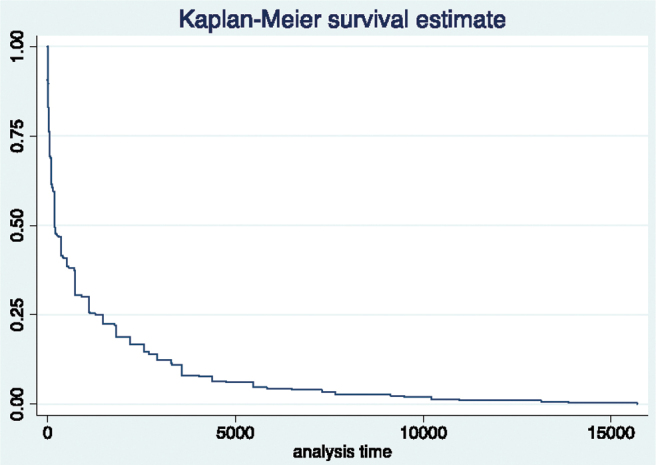
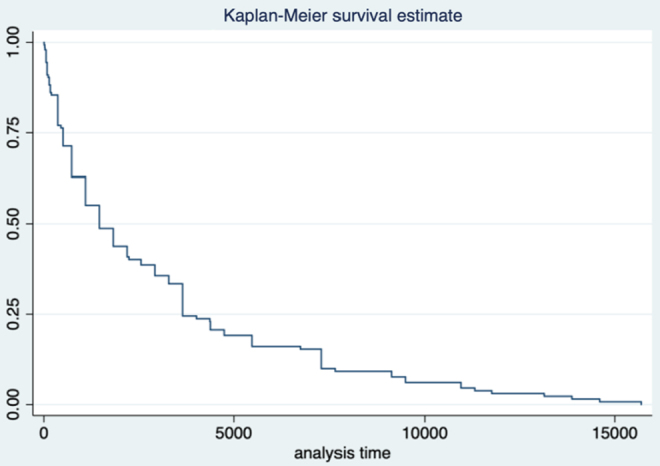
The median time from first appointment to initial diagnosis was 6 months (range 1 day-50 years) (interquartile range [IQR] 3.74 years). The median time to rediagnosis was 4 years (IQR 9) with a range of 1 day-43 years. Almost half of the women ( = 161/343, 47%) reported their primary condition being rediagnosed. From the complete responses, 40% were rediagnosed from one organic condition to another organic condition, however, 32% of women originally diagnosed with psychological, medically unexplained syndromes, or chronic pain were later rediagnosed with organic conditions.
Median wait times for a diagnosis for women in Australia, when factoring in high rates of rediagnosis and time to rediagnosis, was 4 years. It is important that clinicians are aware of the high rediagnosis rates in female patients with chronic conditions and understand the potential impact of systemic biases on the diagnostic process for women under their care.
医学研究中历史上以男性为中心的倾向使女性慢性病的诊断变得复杂。健康研究中的性别差距可能导致女性获得不平等的医疗保健。这项横断面调查研究旨在确定澳大利亚慢性病女性患者的诊断中位时间、重新诊断比例以及重新诊断时间。
一项在线调查收集了自愿参与者的匿名数据。使用Stata14进行数据分析。采用Cox比例风险模型分析诊断和重新诊断时间。使用逻辑回归分析评估按诊断、诊断年龄、收入、就业、居住州、残疾状况和原住民身份划分的重新诊断率的显著性。
从首次就诊到初步诊断的中位时间为6个月(范围1天至50年)(四分位间距[IQR]3.74年)。重新诊断的中位时间为4年(IQR 9),范围为1天至43年。几乎一半的女性(n = 161/343,47%)报告其主要疾病被重新诊断。从完整回复来看,40%从一种器质性疾病重新诊断为另一种器质性疾病,然而,最初被诊断为心理性、医学上无法解释的综合征或慢性疼痛的女性中,32%后来被重新诊断为器质性疾病。
考虑到高重新诊断率和重新诊断时间,澳大利亚女性患者的诊断中位等待时间为4年。临床医生必须意识到慢性病女性患者的高重新诊断率,并了解系统性偏差对其护理下女性诊断过程的潜在影响。