Mucosal Immunity Section, Laboratory of Clinical Immunology and Microbiology, National Institute of Allergy and Infectious Diseases, National Institutes of Health, Bethesda, MD, United States.
Department of Immunology, School of Medicine, Nantong University, Nantong, China.
Front Immunol. 2022 Sep 15;13:988862. doi: 10.3389/fimmu.2022.988862. eCollection 2022.
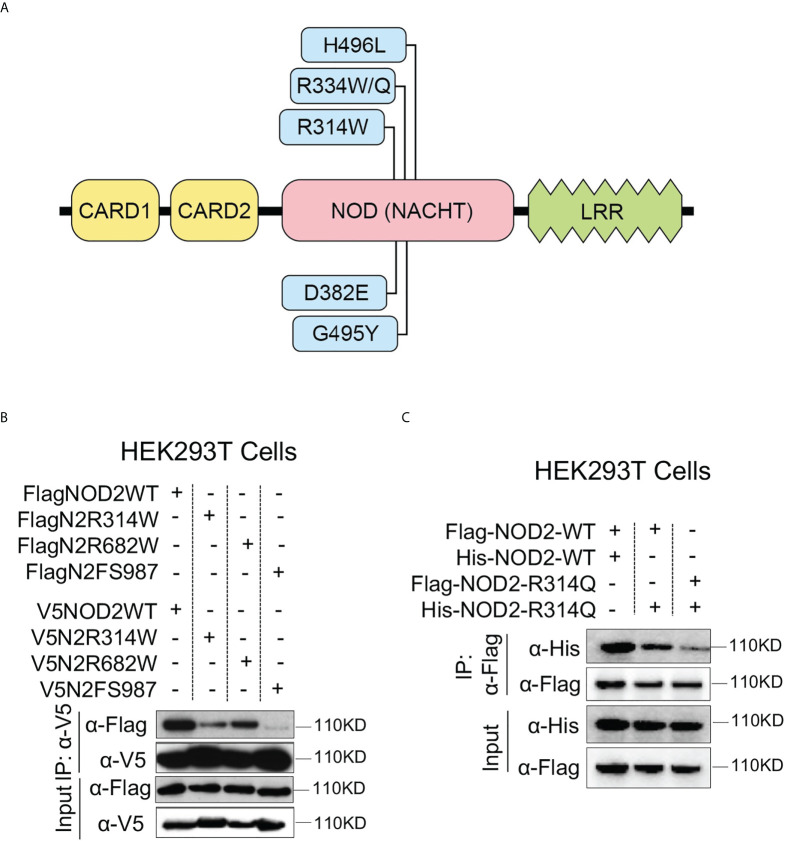
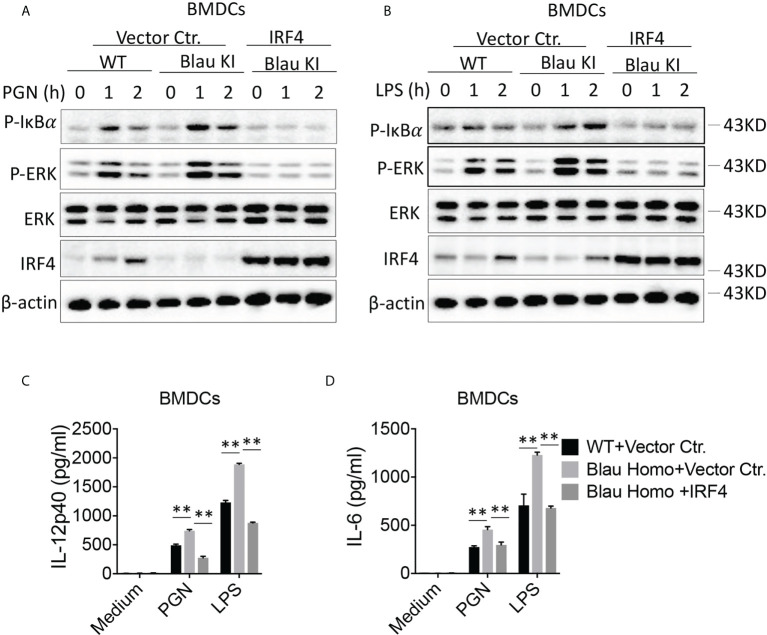
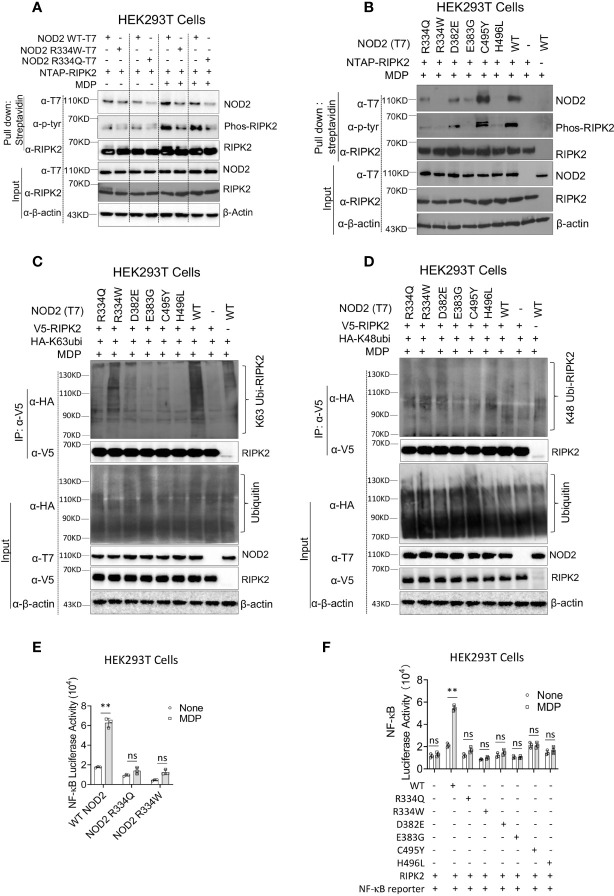
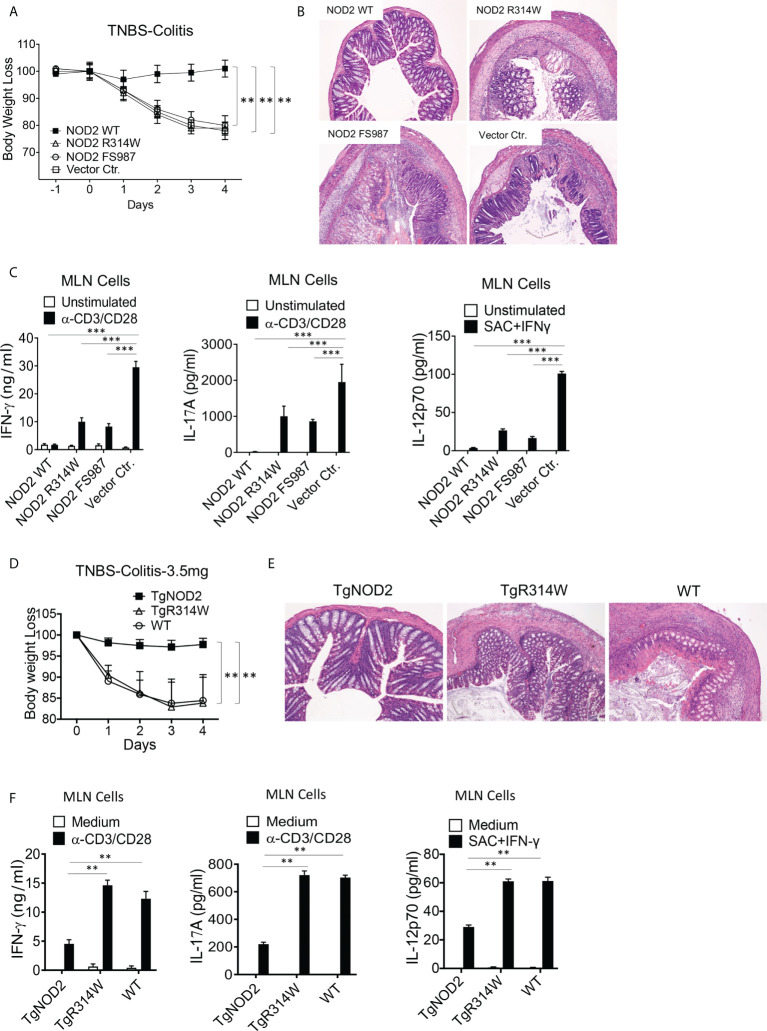
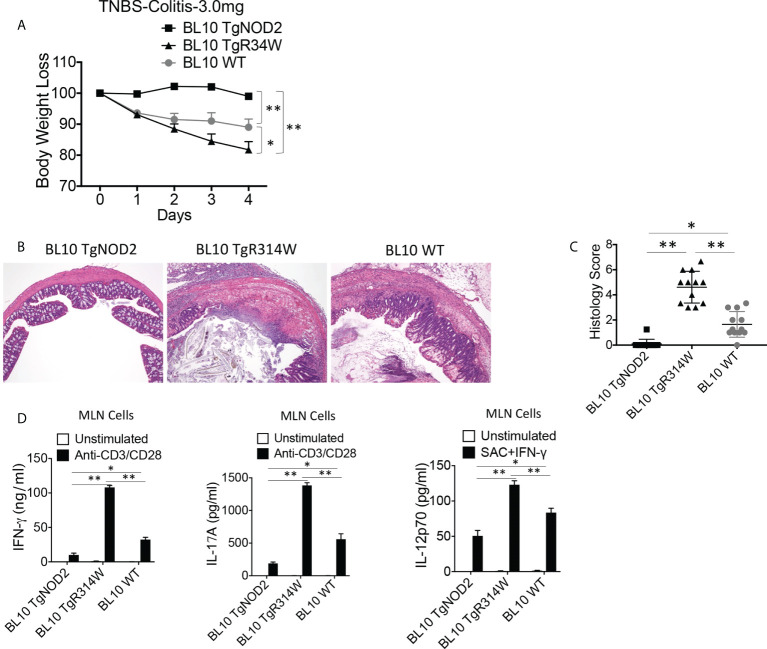
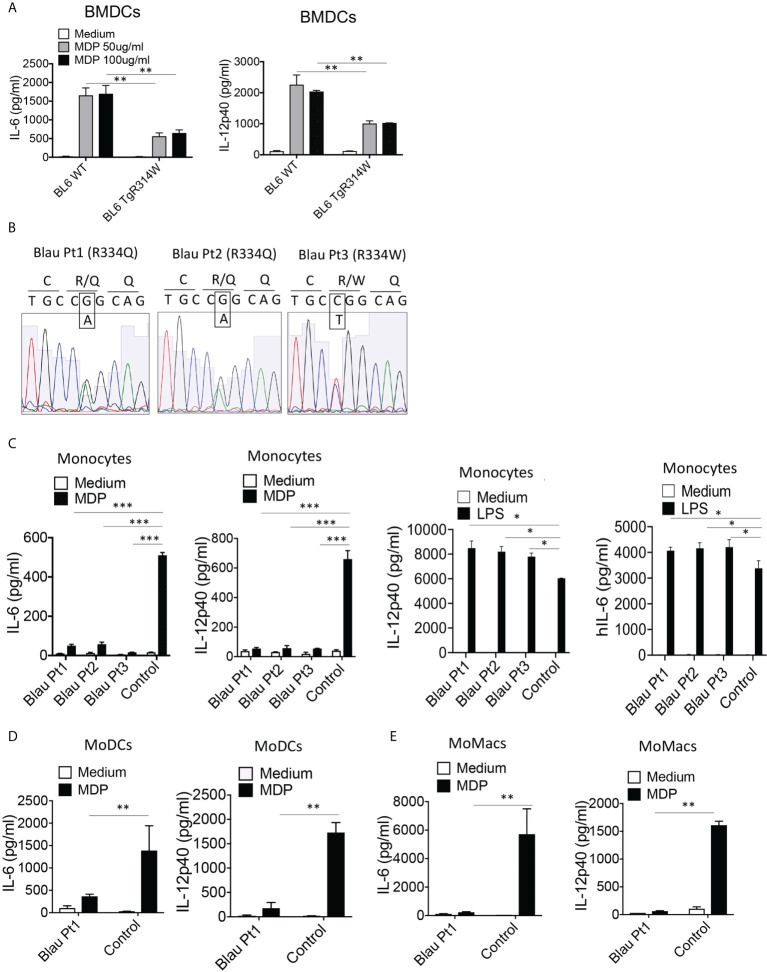
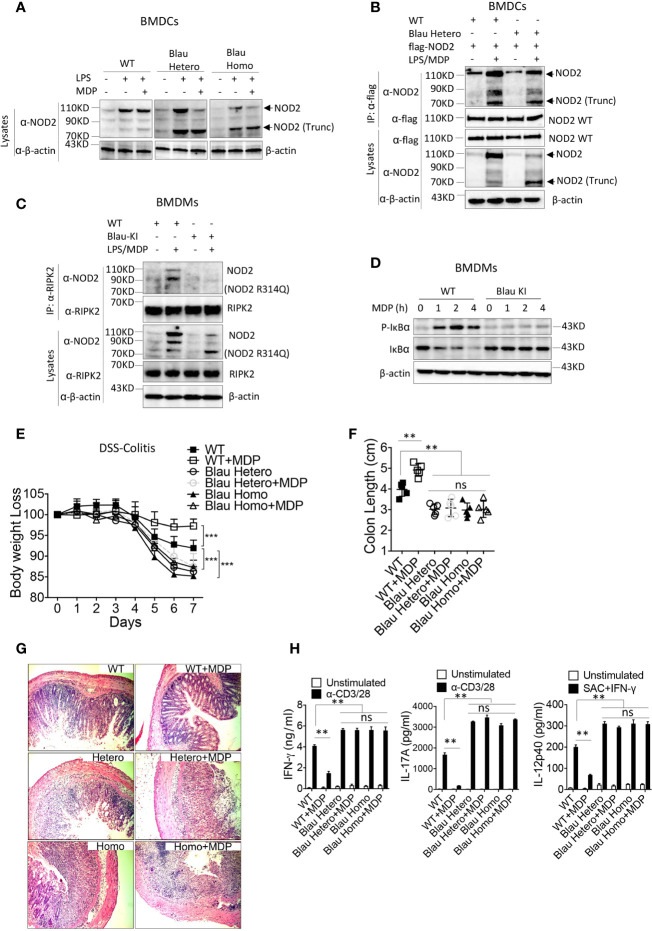
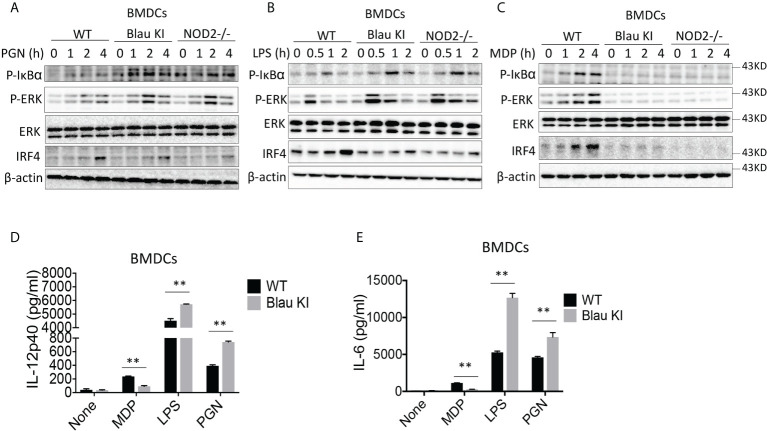
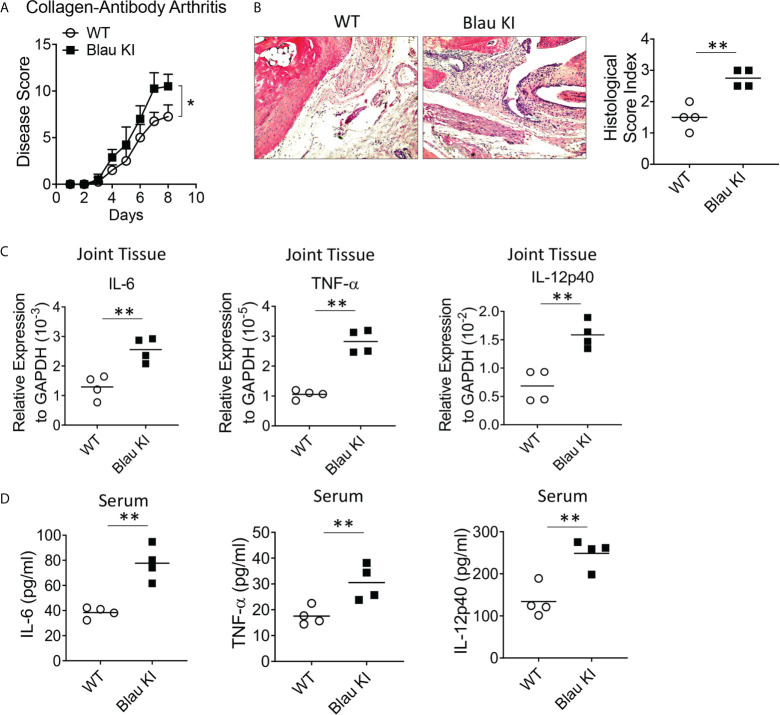
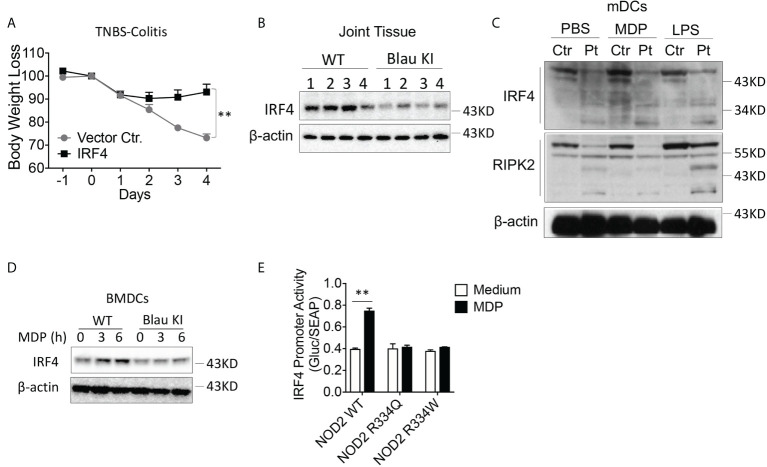
The studies described here provide an analysis of the pathogenesis of Blau syndrome and thereby the function of NOD2 as seen through the lens of its dysfunction resulting from Blau-associated NOD2 mutations in its nucleotide-binding domain (NBD). As such, this analysis also sheds light on the role of NOD2 risk polymorphisms in the LRR domain occurring in Crohn's disease. The main finding was that Blau NOD2 mutations precipitate a loss of canonical NOD2 signaling RIPK2 and that this loss has two consequences: first, it results in defective NOD2 ligand (MDP)-mediated NF-κB activation and second, it disrupts NOD2-mediated cross-regulation whereby NOD2 downregulates concomitant innate (TLR) responses. Strong evidence is also presented favoring the view that NOD2-mediated cross-regulation is under mechanistic control by IRF4 and that failure to up-regulate this factor because of faulty NOD2 signaling is the proximal cause of defective cross-regulation and the latter's effect on Blau syndrome inflammation. Overall, these studies highlight the role of NOD2 as a regulatory factor and thus provide additional insight into its function in inflammatory disease. Mutations in the nucleotide binding domain of the (NOD2) gene underlie the granulomatous inflammation characterizing Blau syndrome (BS). In studies probing the mechanism of this inflammation we show here that NOD2 plasmids expressing various Blau mutations in HEK293 cells result in reduced NOD2 activation of RIPK2 and correspondingly reduced NOD2 activation of NF-κB. These studies of NOD2 signaling were accompanied by studies showing that BS-NOD2 also exhibit defects in cross-regulation of innate responses underlying inflammation. Thus, whereas over-expressed intact NOD2 suppresses TNBS-colitis, over-expressed BS-NOD2 does not; in addition, whereas administration of NOD2 ligand (muramyl dipeptide, MDP) suppresses DSS-colitis in Wild Type (WT) mice it fails to do so in homozygous or heterozygous mice bearing a NOD2 Blau mutation. Similarly, mice bearing a Blau mutation exhibit enhanced anti-collagen antibody-induced arthritis. The basis of such cross-regulatory failure was revealed in studies showing that MDP-stimulated cells bearing BS-NOD2 exhibit a reduced capacity to signal RIPK2 as well as a reduced capacity to up-regulate IRF4, a factor shown previously to mediate NOD2 suppression of NF-κB activation. Indeed, TLR-stimulated cells bearing a Blau mutation exhibited enhanced cytokine responses that are quieted by lentivirus transduction of IRF4. In addition, enhanced anti-collagen-induced joint inflammation in mice bearing a Blau mutation was accompanied by reduced IRF4 expression in inflamed joint tissue and IRF4 expression was reduced in MDP-stimulated cells from BS patients. Thus, inflammation characterizing Blau syndrome are caused, at least in part, by faulty canonical signaling and reduce IRF4-mediated cross-regulation.
这里描述的研究提供了对 Blau 综合征发病机制的分析,从而通过 Blau 相关 NOD2 突变导致其核苷酸结合域(NBD)中 NOD2 功能障碍的角度来观察 NOD2 的功能。因此,这种分析也揭示了 NOD2 风险多态性在 Crohn 病中发生在 LRR 结构域中的作用。主要发现是,Blau NOD2 突变导致经典 NOD2 信号转导 RIPK2 的丧失,而这种丧失有两个后果:首先,它导致 NOD2 配体(MDP)介导的 NF-κB 激活受损;其次,它破坏了 NOD2 介导的交叉调节,其中 NOD2 下调伴随的先天(TLR)反应。强有力的证据也表明,NOD2 介导的交叉调节受 IRF4 的机制控制,由于 NOD2 信号转导错误而未能上调该因子是交叉调节缺陷和后者对 Blau 综合征炎症影响的近端原因。总体而言,这些研究强调了 NOD2 作为调节因子的作用,从而为其在炎症性疾病中的功能提供了更多的见解。(NOD2)基因的核苷酸结合域中的突变是 Blau 综合征(BS)特征性肉芽肿性炎症的基础。在研究探讨这种炎症的机制时,我们在这里表明,在 HEK293 细胞中表达各种 Blau 突变的 NOD2 质粒会导致 NOD2 对 RIPK2 的激活减少,相应地,NOD2 对 NF-κB 的激活也减少。这些 NOD2 信号研究伴随着研究表明,BS-NOD2 也表现出炎症基础的先天反应交叉调节的缺陷。因此,尽管过表达完整的 NOD2 可抑制 TNBS-结肠炎,但过表达的 BS-NOD2 则不能;此外,虽然 NOD2 配体( muramyl dipeptide,MDP)在野生型(WT)小鼠中可抑制 DSS-结肠炎,但在携带 NOD2 Blau 突变的纯合子或杂合子小鼠中则不能。同样,携带 Blau 突变的小鼠表现出增强的抗胶原蛋白抗体诱导的关节炎。这种交叉调节失败的基础在研究中得到了揭示,研究表明,携带 BS-NOD2 的 MDP 刺激细胞表现出 RIPK2 信号转导能力降低以及 IRF4 上调能力降低,IRF4 是先前显示介导 NOD2 抑制 NF-κB 激活的因子。事实上,携带 Blau 突变的 TLR 刺激细胞表现出增强的细胞因子反应,而通过慢病毒转导 IRF4 可以使其平静下来。此外,携带 Blau 突变的小鼠的抗胶原蛋白诱导的关节炎症增强伴随着炎症关节组织中 IRF4 表达减少,以及 MDP 刺激的 BS 患者细胞中 IRF4 表达减少。因此,至少部分特征为 Blau 综合征的炎症是由错误的经典信号和降低的 IRF4 介导的交叉调节引起的。