Luan Heqi, Yan Lina, Zhao Yuanyuan, Ding Xuejiao, Cao Lihua
Department of Respiratory Medicine, Τhe Second Hospital Affiliated to Dalian Medical University, No. 467 Zhongshan Road, Shahekou District, Dalian, 116027, Liaoning, People's Republic of China.
Discov Oncol. 2022 Oct 3;13(1):98. doi: 10.1007/s12672-022-00564-4.
Invasion and metastasis are hallmark characteristics of cancer and the main causes of death in cancer patients. Studies have shown that epithelial-mesenchymal transition (EMT) plays significant role in tumor invasion and metastasis. Fucoxanthin, a carotenoid found in seaweeds, has been proved to have anti-tumor effects. Our study aimed to research the role of fucoxanthin on proliferation, apoptosis, migration and EMT of two types of LUAD cells.
Cell migration and invasion were examined by Wound-healing and Transwell assays. Western blot assay was used to detect the expression levels of apoptosis-related proteins, EMT-related proteins and β-catenin. Immunohistochemistry was used to detect the expression of β-catenin in human lung adenocarcinoma tissues and corresponding para-cancerous tissues.
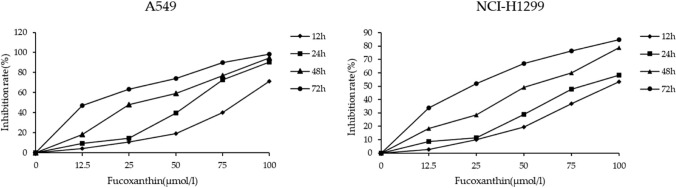
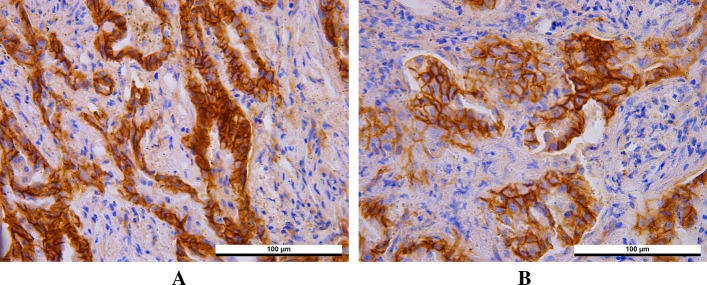
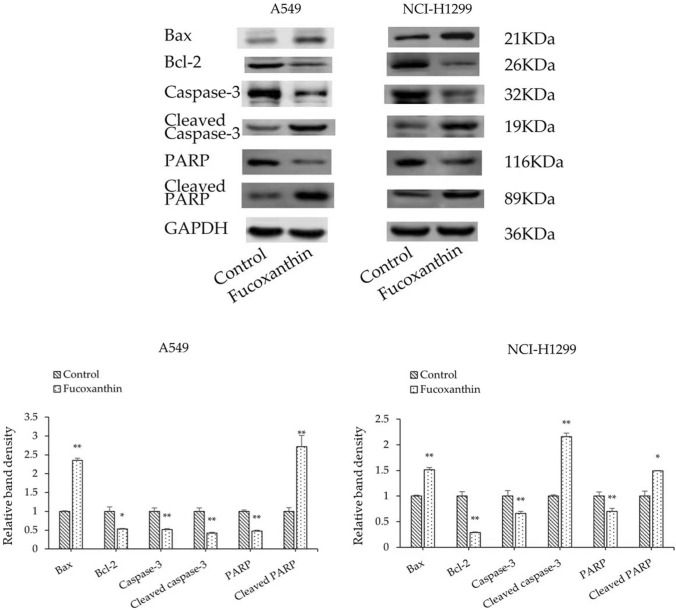
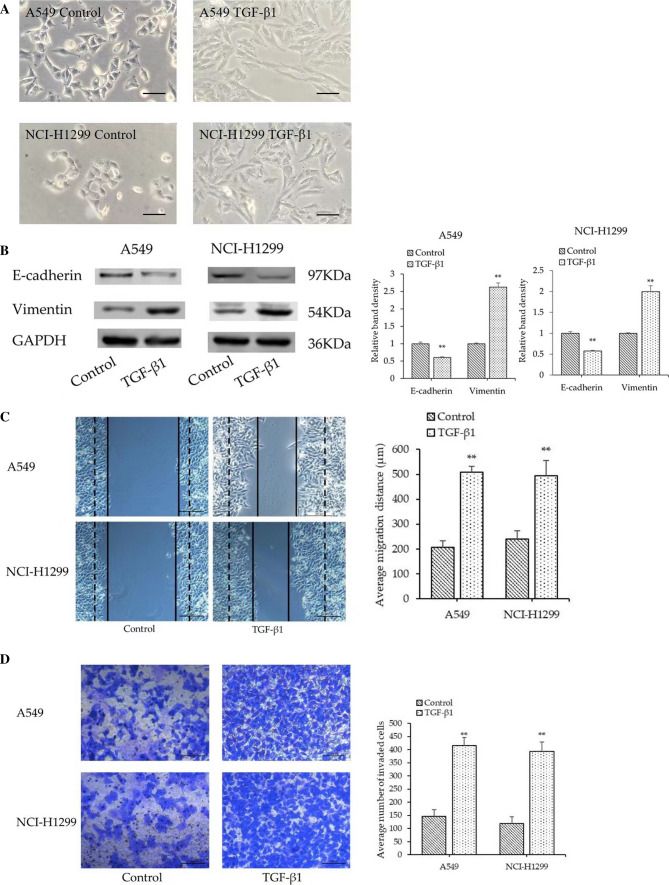
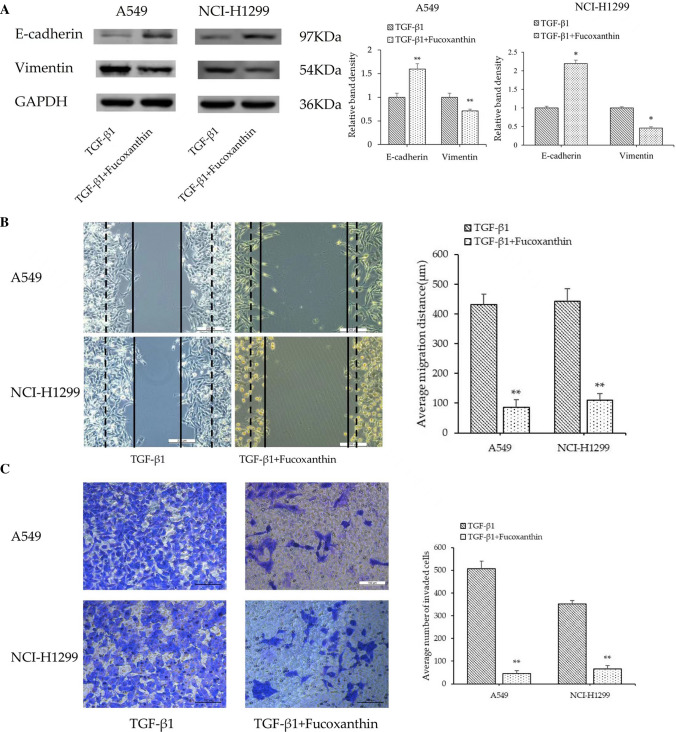
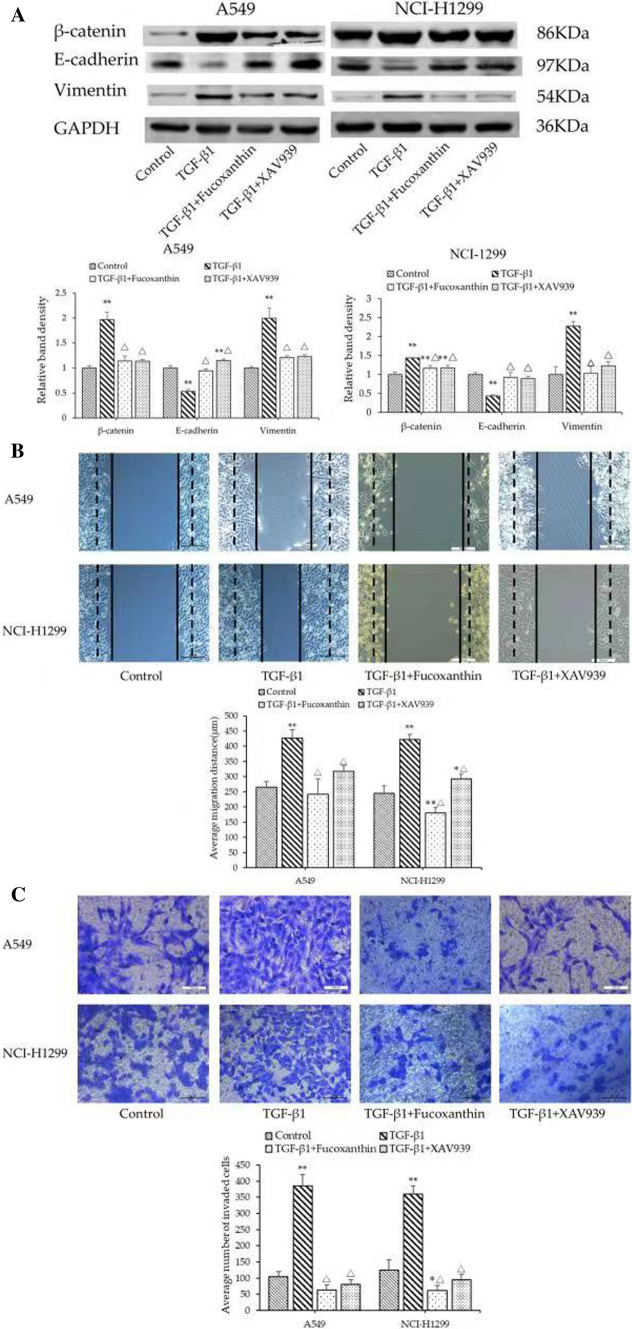
Our results revealed that fucoxanthin depressed the proliferation and induced apoptosis in A549 and NCI-H1299 cells. Moreover, fucoxanthin reversed TGF-β1-induced EMT and cell motility. Meanwhile, we disclosed that fucoxanthin and XAV939 had similar effect on β-catenin, EMT protein and cell motility. What is more, immunohistochemical results revealed that the high expression rate and abnormal expression rate of β-catenin in cancer tissues was significantly higher than that in para-cancerous tissues.
Taken together, the findings of our research highlight a novel role for fucoxanthin in NSCLC cells, which might be a potentially effective anti-tumor agent for the treatment of LUAD patients.
侵袭和转移是癌症的标志性特征,也是癌症患者死亡的主要原因。研究表明,上皮-间质转化(EMT)在肿瘤侵袭和转移中起重要作用。岩藻黄质是一种存在于海藻中的类胡萝卜素,已被证明具有抗肿瘤作用。我们的研究旨在探讨岩藻黄质对两种肺腺癌(LUAD)细胞增殖、凋亡、迁移和EMT的作用。
采用划痕实验和Transwell实验检测细胞迁移和侵袭能力。用蛋白质免疫印迹法检测凋亡相关蛋白、EMT相关蛋白和β-连环蛋白的表达水平。用免疫组织化学法检测β-连环蛋白在人肺腺癌组织及相应癌旁组织中的表达。
我们的结果显示,岩藻黄质可抑制A549和NCI-H1299细胞的增殖并诱导其凋亡。此外,岩藻黄质可逆转TGF-β1诱导的EMT和细胞运动能力。同时,我们发现岩藻黄质和XAV939对β-连环蛋白、EMT蛋白和细胞运动能力有相似的作用。更重要的是,免疫组织化学结果显示,β-连环蛋白在癌组织中的高表达率和异常表达率显著高于癌旁组织。
综上所述,我们的研究结果突出了岩藻黄质在非小细胞肺癌(NSCLC)细胞中的新作用,它可能是治疗LUAD患者的一种潜在有效的抗肿瘤药物。