The Second Affiliated Hospital of Harbin Medical University, Harbin, Heilongjiang 150000, China.
Department of Biochemistry and Life Sciences, Faculty of Arts and Sciences, Queen's University, Kingston, Ontario, Canada 91761.
Oxid Med Cell Longev. 2022 Sep 26;2022:2513263. doi: 10.1155/2022/2513263. eCollection 2022.
Although tyrosine kinase inhibitors (TKIs) constitute a type of anticancer drugs, the underlying mechanisms of TKI-associated cardiotoxicity remain largely unknown. Ferroptosis is a regulated cell death form that implicated in several tumors' biological processes. Our objective was to probe into the differential expression of ferroptosis-related genes in regorafenib-induced cardiotoxicity through multiple bioinformatics analysis and validation.
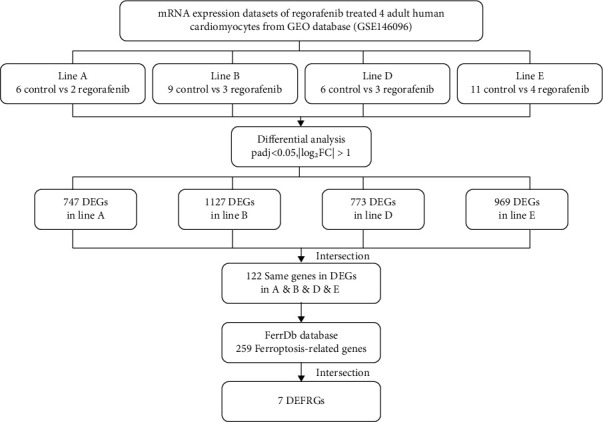
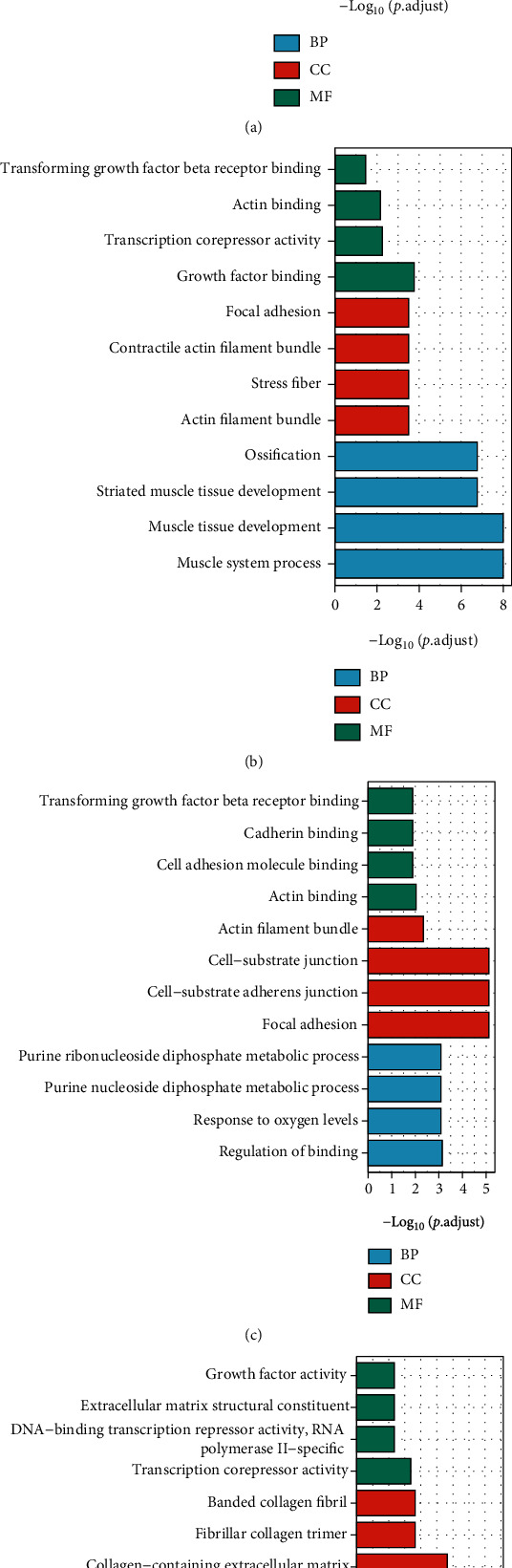
Four adult human cardiomyocyte cell lines treated with regorafenib were profiled using Gene Expression Omnibus (GEO) (GSE146096). Differentially expressed genes (DEGs) were identified using DESeq2 in (V.3.6.3). Then, Gene Ontology (GO) Enrichment Analysis, Kyoto Encyclopedia of Genes and Genomes (KEGG) Enrichment Analysis, and Gene Set Enrichment Analysis (GSEA) were used to explore DEGs' bioinformatics functions and enriched pathways. We intersected DEGs with 259 ferroptosis-related genes from the FerrDb database. Finally, the mRNA levels of differentially expressed ferroptosis-related genes (DEFRGs) were validated in regorafenib-cultured cardiomyocytes to anticipate the link between DEFRGs and cardiotoxicity.
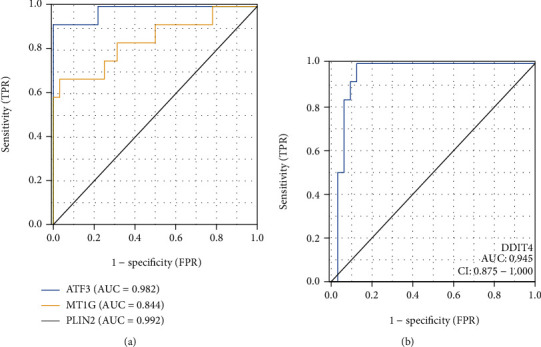
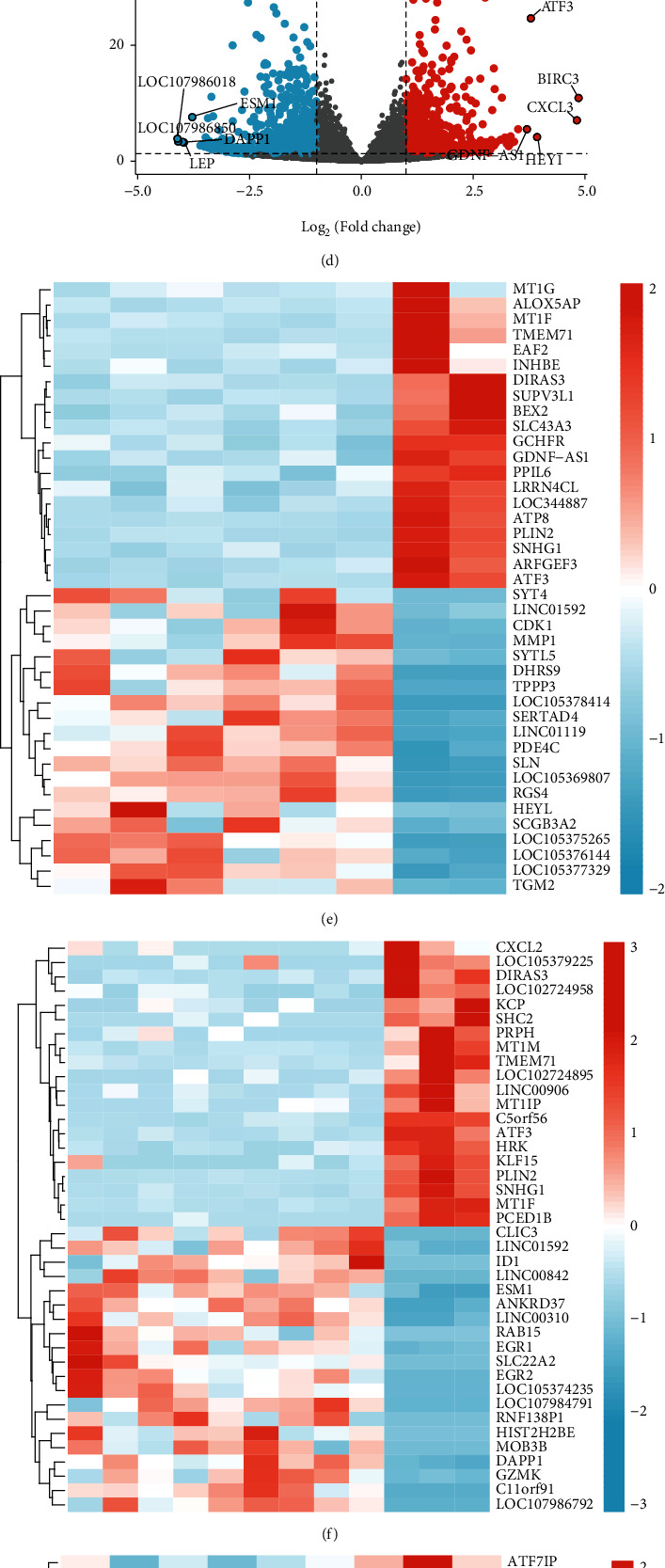
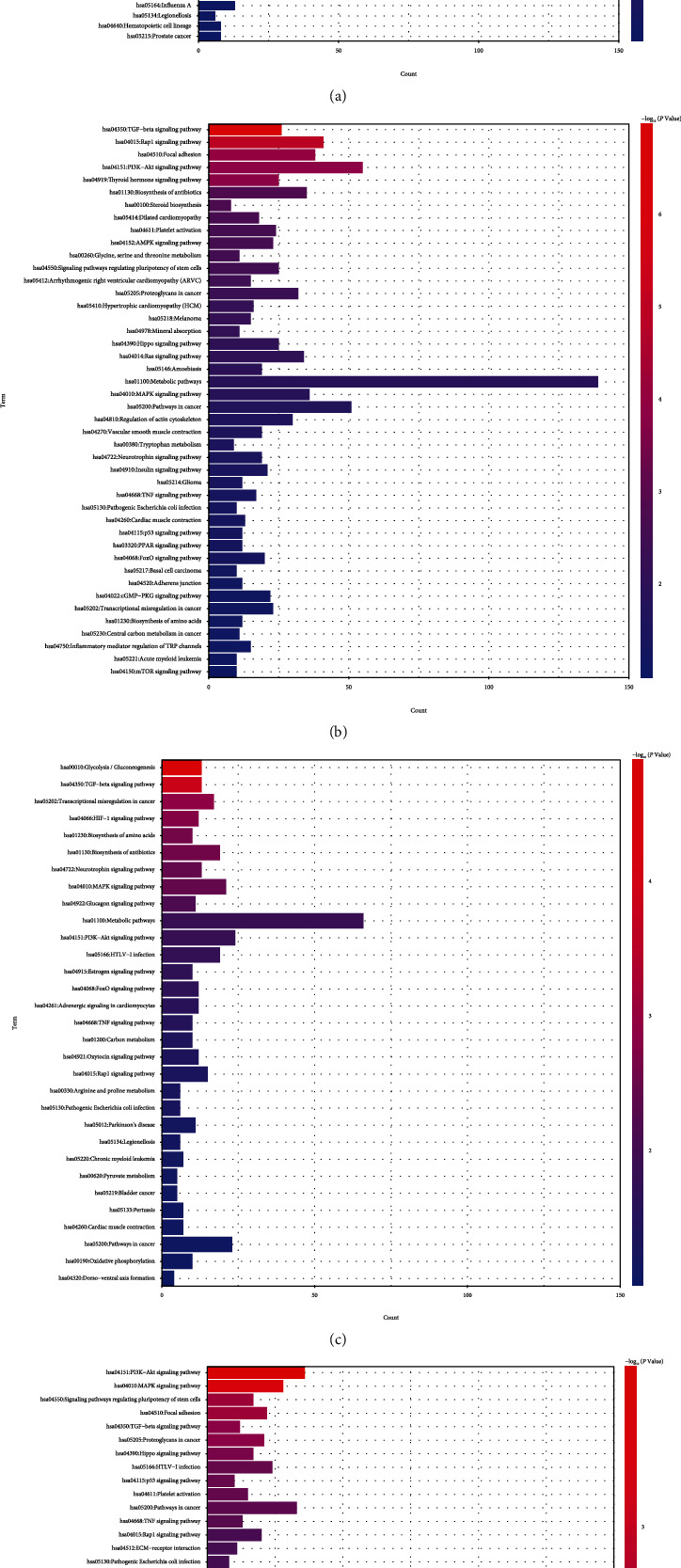
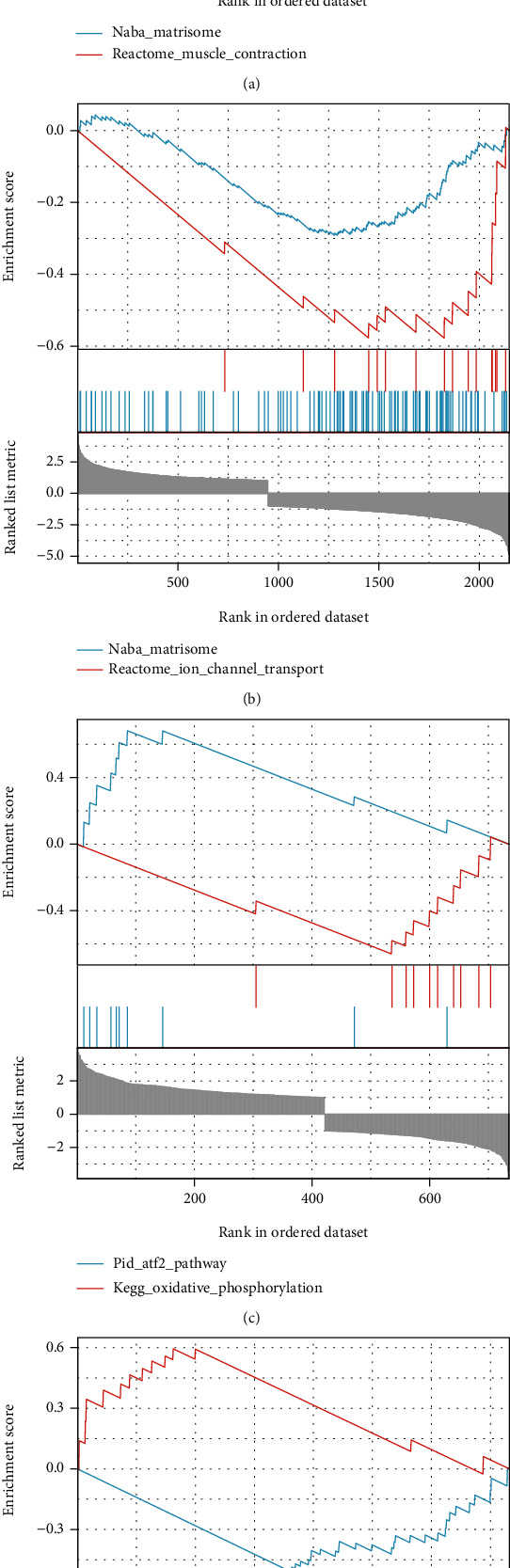
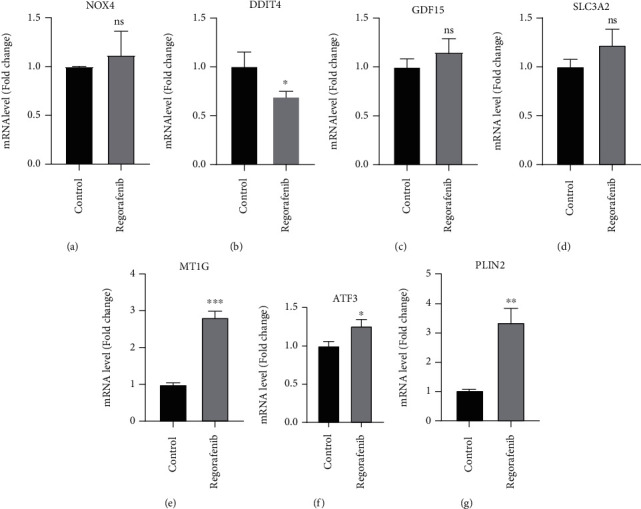
747,1127,773 and 969 DEGs were screened out in adult human cardiomyocyte lines A, B, D, and E, respectively. The mechanism by which REG promotes cardiotoxicity associated with ferroptosis may be regulated by PI3K-Akt, TGF-beta, and MAPK. GSEA demonstrated that REG can promote cardiotoxicity by suppressing genes and pathways encoding extracellular matrix and related proteins, oxidative phosphorylation, or ATF-2 transcription factor network. After overlapping DEGs with ferroptosis-related genes, we got seven DEFRGs and found that ATF3, MT1G, and PLIN2 were upregulated and DDIT4 was downregulated. The ROC curve demonstrated that these genes predict regorafenib-induced cardiotoxicity well.
We identified four DEFRGs which may become potential predictors and participate in the regorafenib-induced cardiotoxicity. Our findings provide possibility that targeting these ferroptosis-related genes may be an alternative for clinical prevention and therapy of regorafenib-related cardiotoxicity.
尽管酪氨酸激酶抑制剂(TKI)属于一类抗癌药物,但 TKI 相关心脏毒性的潜在机制在很大程度上仍不清楚。铁死亡是一种受调控的细胞死亡形式,与几种肿瘤的生物学过程有关。我们的目的是通过多种生物信息学分析和验证,探讨在regorafenib 诱导的心脏毒性中与铁死亡相关的基因的差异表达。
使用基因表达综合数据库(GEO)(GSE146096)对四种成年人心肌细胞系进行了regorafenib 处理。使用 DESeq2 在(V.3.6.3)中鉴定差异表达基因(DEGs)。然后,进行基因本体论(GO)富集分析、京都基因与基因组百科全书(KEGG)富集分析和基因集富集分析(GSEA),以探讨 DEGs 的生物信息学功能和富集途径。我们将 DEGs 与来自 FerrDb 数据库的 259 个铁死亡相关基因进行了交集。最后,在 regorafenib 培养的心肌细胞中验证了差异表达的铁死亡相关基因(DEFRGs)的 mRNA 水平,以预测 DEFRGs 与心脏毒性之间的联系。
在成人心肌细胞系 A、B、D 和 E 中分别筛选出 747112773 和 969 个 DEGs。REG 促进心脏毒性与铁死亡相关的机制可能是通过 PI3K-Akt、TGF-β和 MAPK 调节的。GSEA 表明,REG 通过抑制编码细胞外基质和相关蛋白、氧化磷酸化或 ATF-2 转录因子网络的基因和途径,可促进心脏毒性。在将 DEGs 与铁死亡相关基因重叠后,我们得到了七个 DEFRGs,发现 ATF3、MT1G 和 PLIN2 上调,DDIT4 下调。ROC 曲线表明,这些基因能很好地预测 regorafenib 诱导的心脏毒性。
我们鉴定了四个可能成为潜在预测指标并参与 regorafenib 诱导的心脏毒性的 DEFRGs。我们的研究结果为靶向这些铁死亡相关基因可能成为预防和治疗 regorafenib 相关心脏毒性的替代方法提供了可能性。