Division of Pediatric Gastroenterology, Wilhelmina Children's Hospital, University Medical Center Utrecht, Utrecht, The Netherlands.
Center for Molecular Medicine and Oncode Institute, University Medical Center Utrecht, Utrecht, The Netherlands.
Nat Commun. 2022 Oct 7;13(1):5915. doi: 10.1038/s41467-022-33663-5.
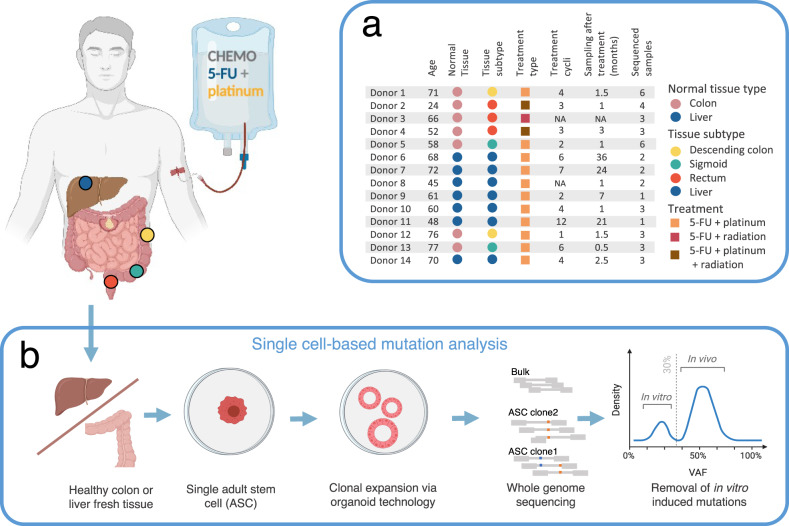
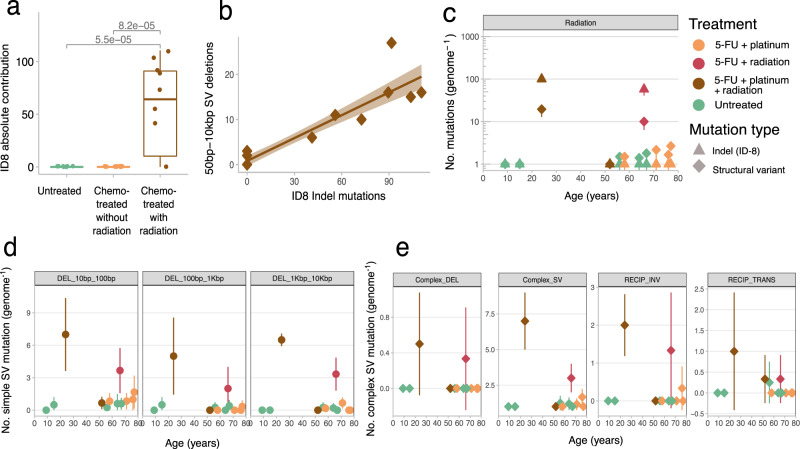
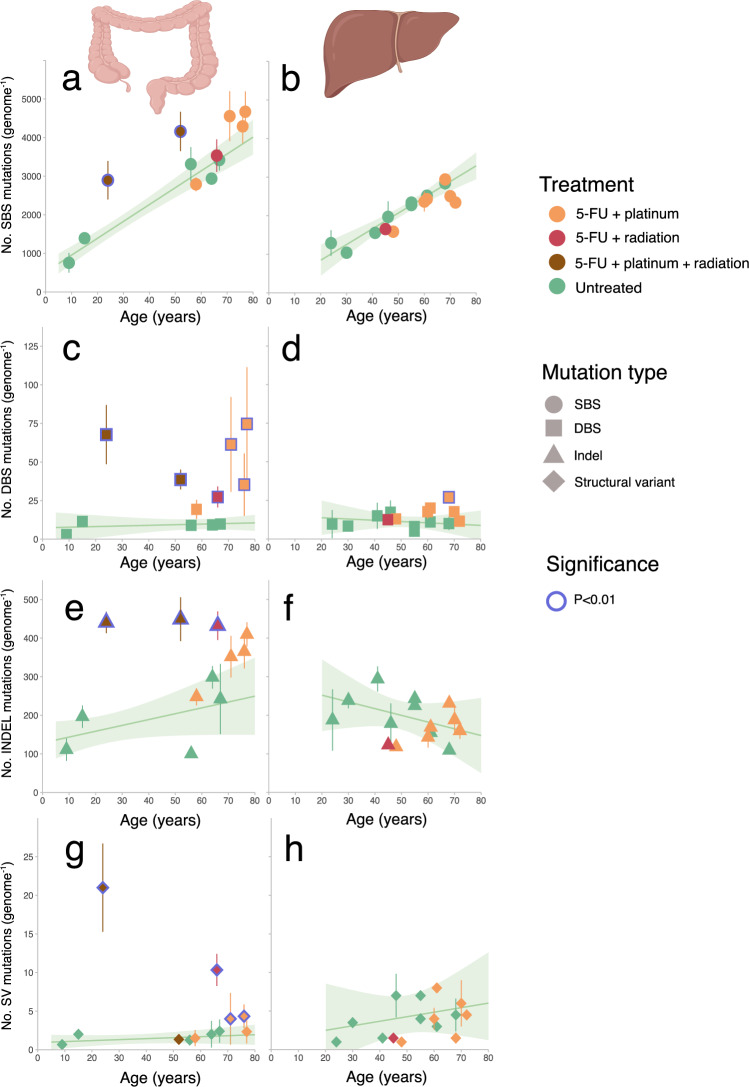
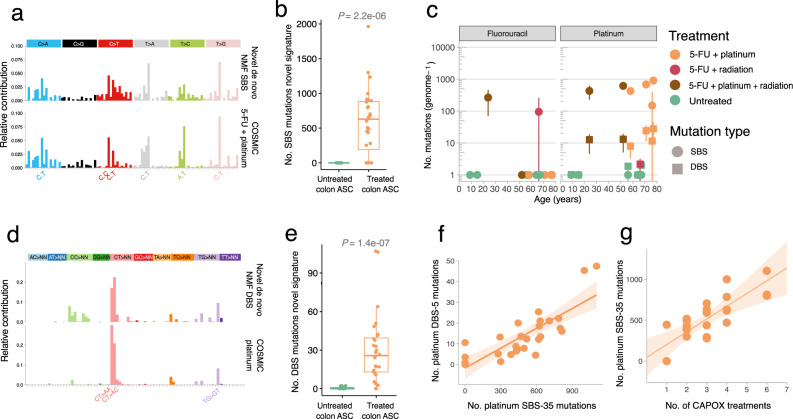
Genome-wide mutation analyses have revealed that specific anti-cancer drugs are highly mutagenic to cancer cells, but the mutational impact of anti-cancer therapies on normal cells is not known. Here, we examine genome-wide somatic mutation patterns in 42 healthy adult stem cells (ASCs) of the colon or the liver from 14 cancer patients (mean of 3.2 ASC per donor) that received systemic chemotherapy and/or local radiotherapy. The platinum-based chemo-drug Oxaliplatin induces on average 535 ± 260 mutations in colon ASC, while 5-FU shows a complete mutagenic absence in most, but not all colon ASCs. In contrast with the colon, normal liver ASCs escape mutagenesis from systemic treatment with Oxaliplatin and 5-FU. Thus, while chemotherapies are highly effective at killing cancer cells, their systemic use also increases the mutational burden of long-lived normal stem cells responsible for tissue renewal thereby increasing the risk for developing second cancers.
全基因组突变分析表明,某些抗癌药物对癌细胞具有高度致突变性,但抗癌疗法对正常细胞的突变影响尚不清楚。在这里,我们研究了来自 14 名癌症患者的 42 个健康成人干细胞(ASC)的全基因组体细胞突变模式(每个供体平均 3.2 个 ASC),这些患者接受了全身化疗和/或局部放疗。铂类化疗药物奥沙利铂(Oxaliplatin)平均在结肠 ASC 中诱导 535±260 个突变,而 5-FU 在大多数但不是所有结肠 ASC 中完全不存在致突变性。与结肠不同,正常的肝 ASC 可以逃避奥沙利铂和 5-FU 的全身治疗的致突变作用。因此,虽然化疗在杀死癌细胞方面非常有效,但它们的全身使用也会增加负责组织更新的长寿正常干细胞的突变负担,从而增加发展第二癌症的风险。