Hu Renzhi, Liang Xiping, Li Qiying, Liu Yao
Department of Hematology-Oncology, Chongqing University Cancer Hospital, Chongqing Key Laboratory of Translational Research for Cancer Metastasis and Individualized Treatment, Chongqing, China.
J Oncol. 2022 Sep 30;2022:4869732. doi: 10.1155/2022/4869732. eCollection 2022.
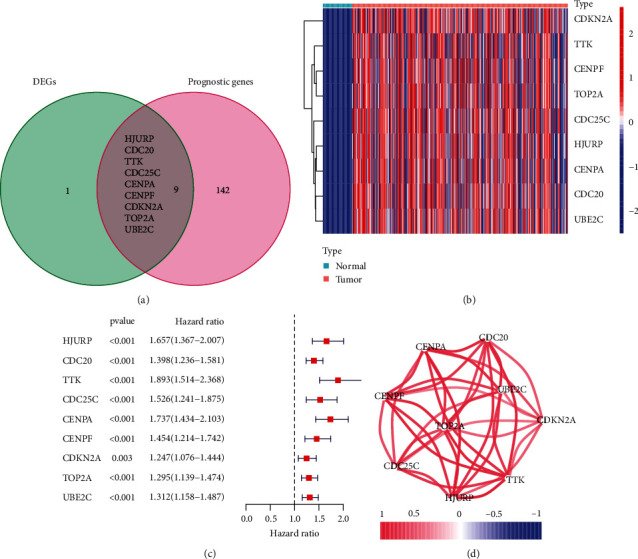
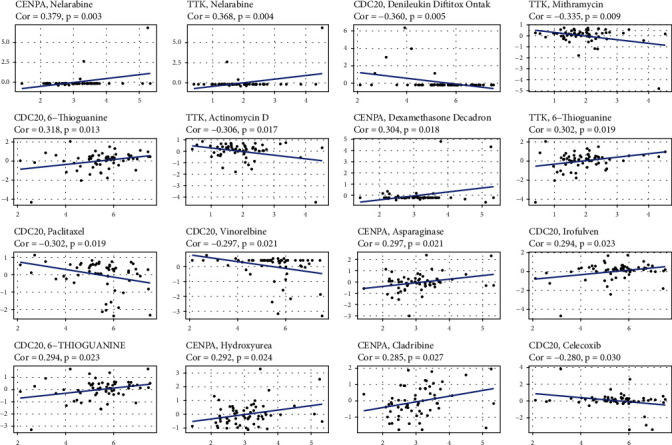
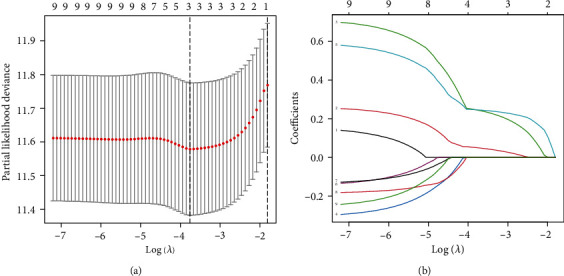
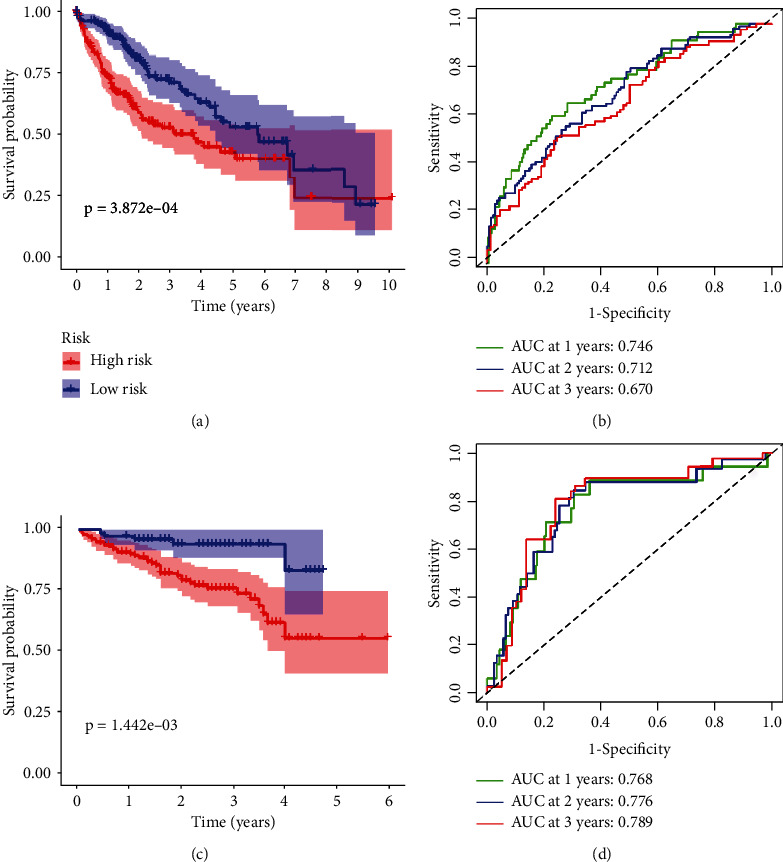
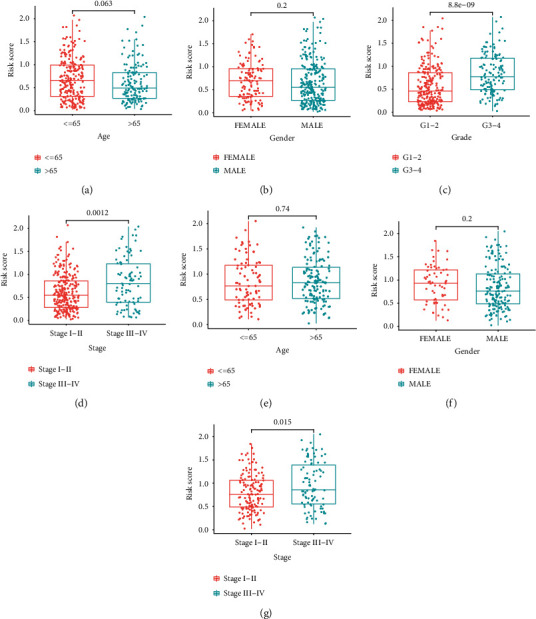
Hepatocellular carcinoma (HCC) is the seventh most common malignancy and the second most common cause of cancer-related deaths. Tumor mutational load, genomic instability, and tumor-infiltrating lymphocytes were associated with DNA damage response and repair gene changes. The goal of this study is to estimate the chances of patients with HCC surviving their disease by constructing a DNA damage repair- (DDR-) related gene profile. The International Cancer Genome Consortium (ICGC) and The Cancer Genome Atlas (TCGA) provided us with the mRNA expression matrix as well as clinical information relevant to HCC patients. Using Cox regression and LASSO analysis, DEGs strongly related to general survival were discovered in the differentially expressed gene (DEG) study. In order to assess the model's accuracy, Kaplan-Meier (KM) and receiver operating characteristic (ROC) were used. In order to compute the immune cell infiltration score and immune associated pathway activity, a single-sample gene set enrichment analysis was performed. A three-gene signature (CDC20, TTK, and CENPA) was created using stability selection and LASSO COX regression. In comparison to the low-risk group, the prognosis for the high-risk group was surprisingly poor. In the ICGC datasets, the predictive characteristic was confirmed. A receiver operating characteristic (ROC) curve was calculated for each cohort. The risk mark for HCC patients is a reliable predictor according to multivariate Cox regression analysis. According to ssGSEA, this signature was highly correlated with the immunological state of HCC patients. There was a significant correlation between the expression levels of prognostic genes and cancer cells' susceptibility to antitumor therapies. Overall, a distinct gene profile associated with DDR was identified, and this pattern may be able to predict HCC patients' long-term survival, immune milieu, and chemotherapeutic response.
肝细胞癌(HCC)是第七大常见恶性肿瘤,也是癌症相关死亡的第二大常见原因。肿瘤突变负荷、基因组不稳定性和肿瘤浸润淋巴细胞与DNA损伤反应和修复基因变化有关。本研究的目的是通过构建与DNA损伤修复(DDR)相关的基因谱来评估HCC患者战胜疾病的几率。国际癌症基因组联盟(ICGC)和癌症基因组图谱(TCGA)为我们提供了mRNA表达矩阵以及与HCC患者相关的临床信息。在差异表达基因(DEG)研究中,使用Cox回归和LASSO分析发现了与总生存期密切相关的DEG。为了评估模型的准确性,使用了Kaplan-Meier(KM)和受试者工作特征(ROC)分析。为了计算免疫细胞浸润评分和免疫相关通路活性,进行了单样本基因集富集分析。使用稳定性选择和LASSO COX回归创建了一个三基因特征(CDC20、TTK和CENPA)。与低风险组相比,高风险组的预后出奇地差。在ICGC数据集中,证实了该预测特征。为每个队列计算了受试者工作特征(ROC)曲线。根据多变量Cox回归分析,HCC患者的风险标志物是一个可靠的预测指标。根据单样本基因集富集分析(ssGSEA),该特征与HCC患者的免疫状态高度相关。预后基因的表达水平与癌细胞对抗肿瘤治疗的敏感性之间存在显著相关性。总体而言,确定了一个与DDR相关的独特基因谱,这种模式可能能够预测HCC患者的长期生存、免疫环境和化疗反应。