Department of Oncology, Xiangya Hospital, Central South University, Changsha, Hunan Province, P.R. China.
Department of Nursing, Xiangya Hospital, Central South University, Changsha, Hunan Province, P.R. China.
PLoS One. 2022 Oct 13;17(10):e0276120. doi: 10.1371/journal.pone.0276120. eCollection 2022.
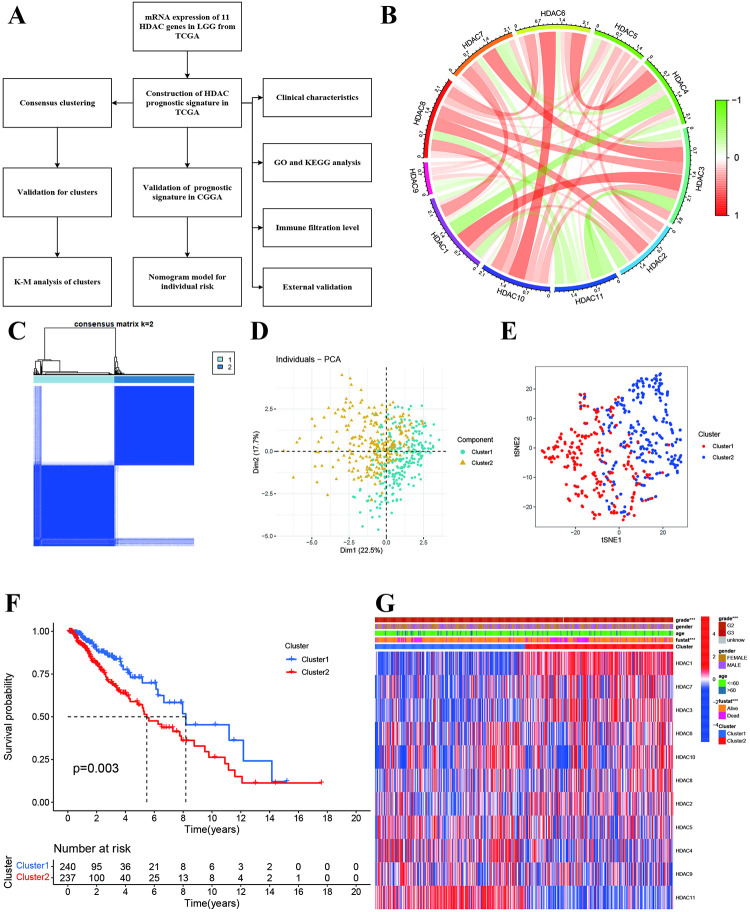
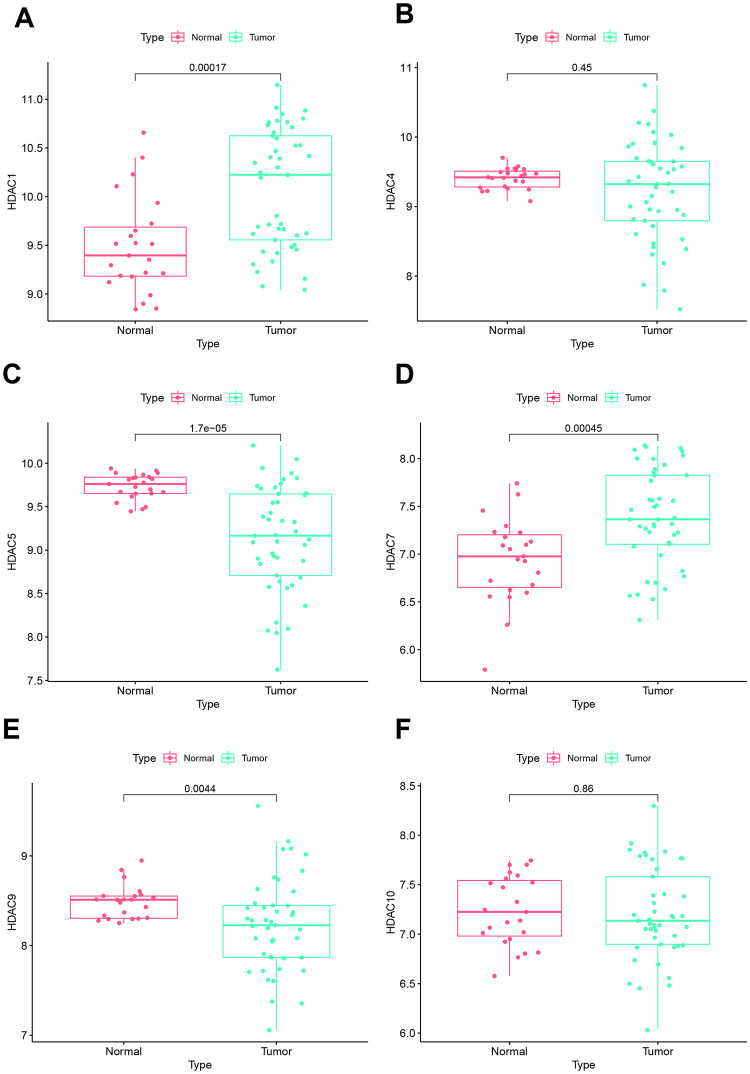
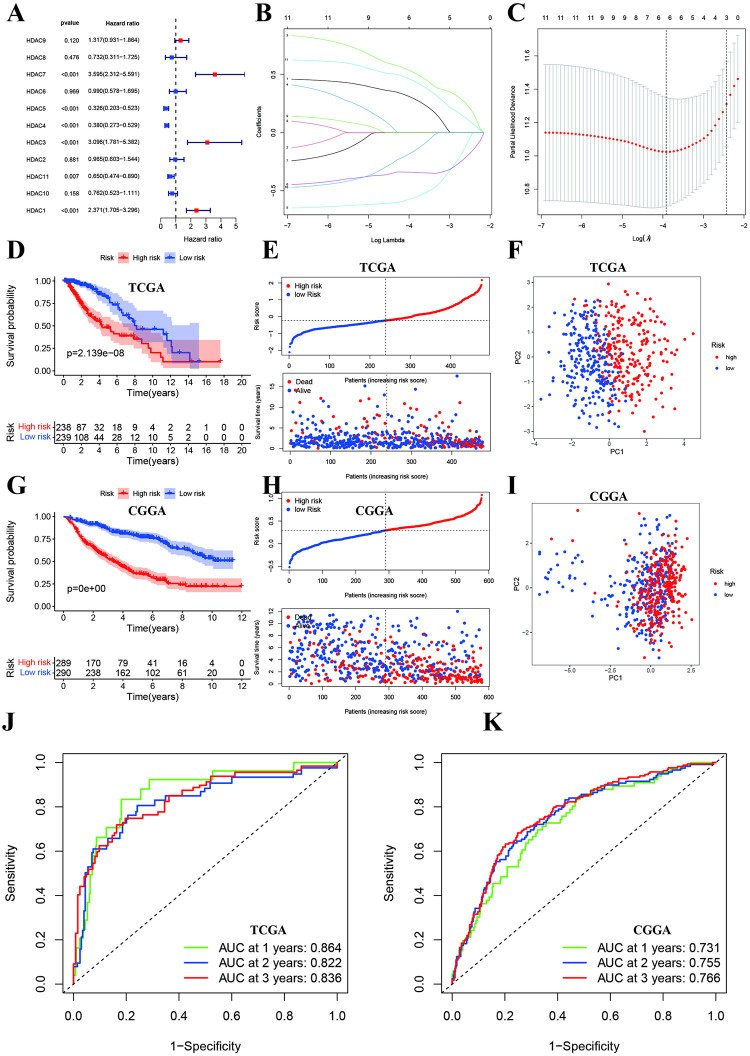
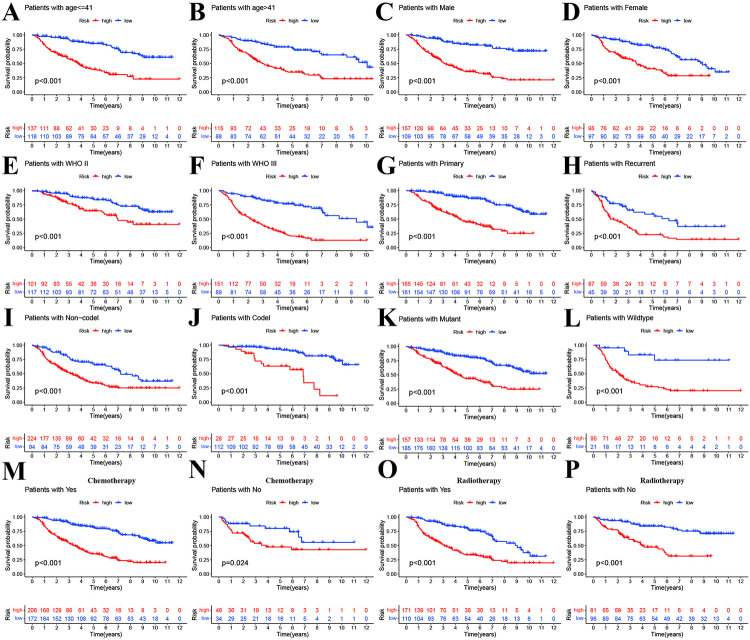
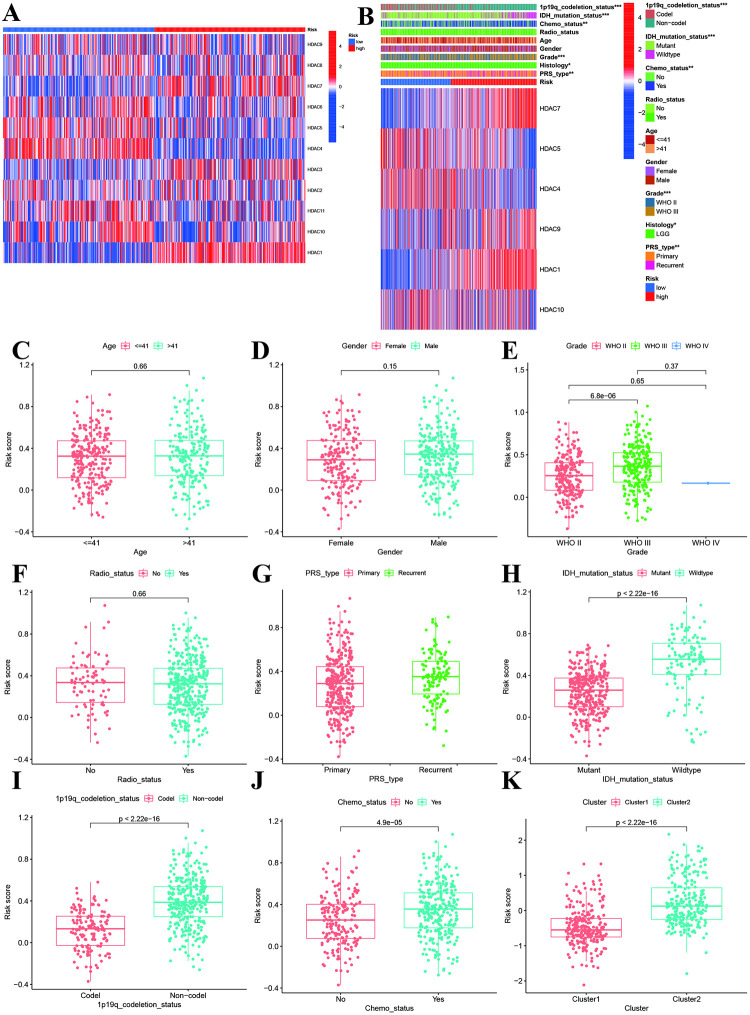
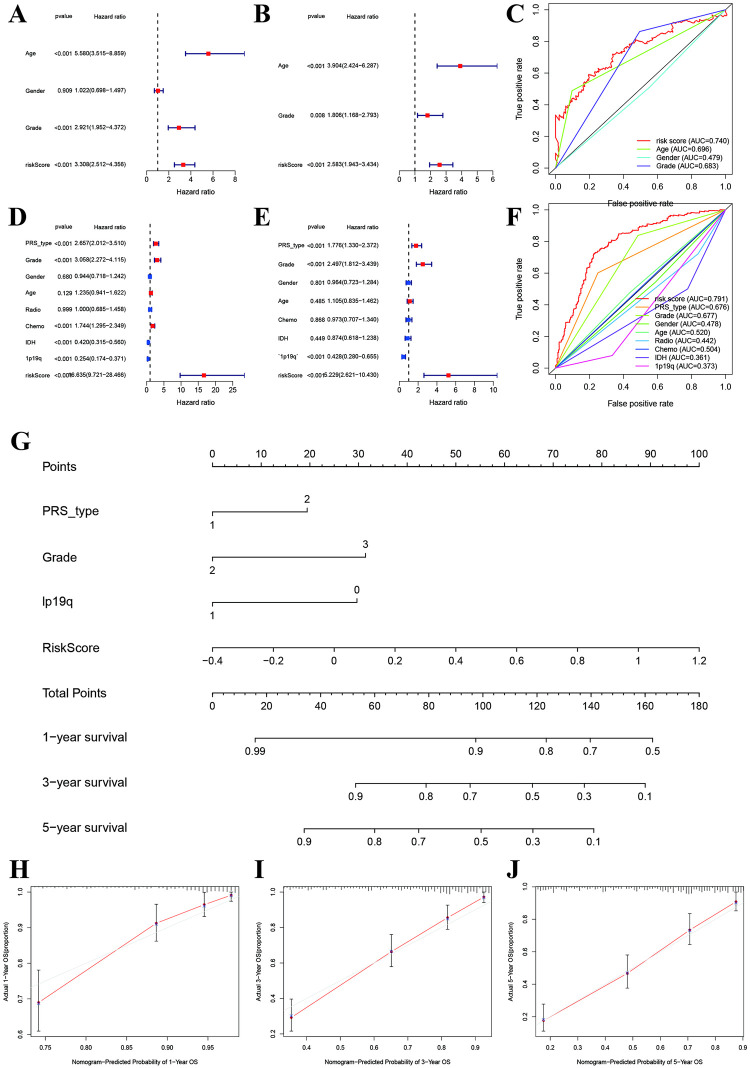
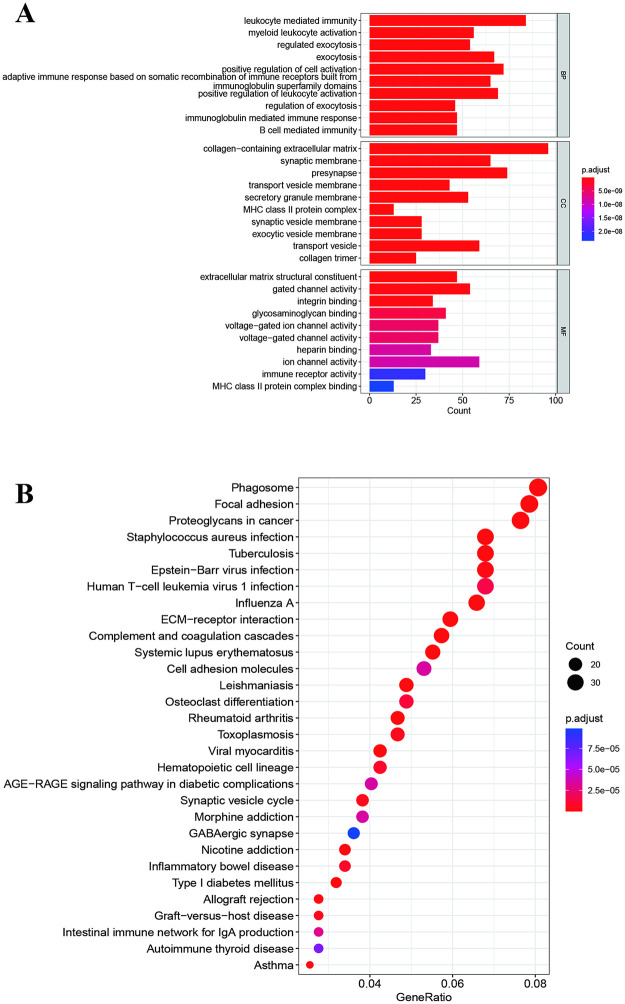
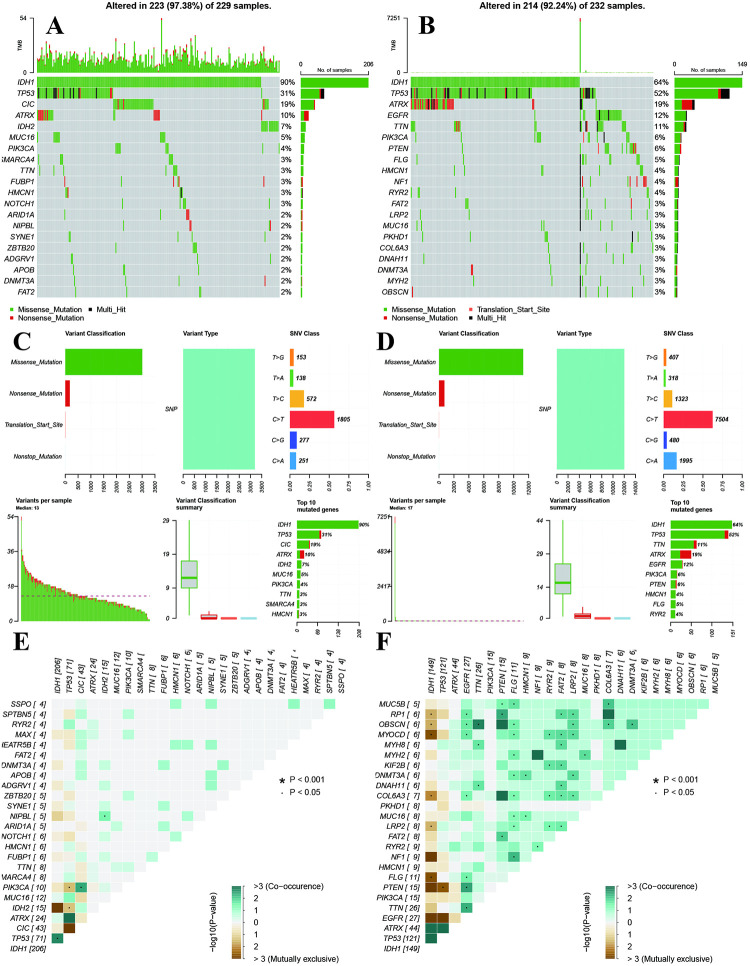
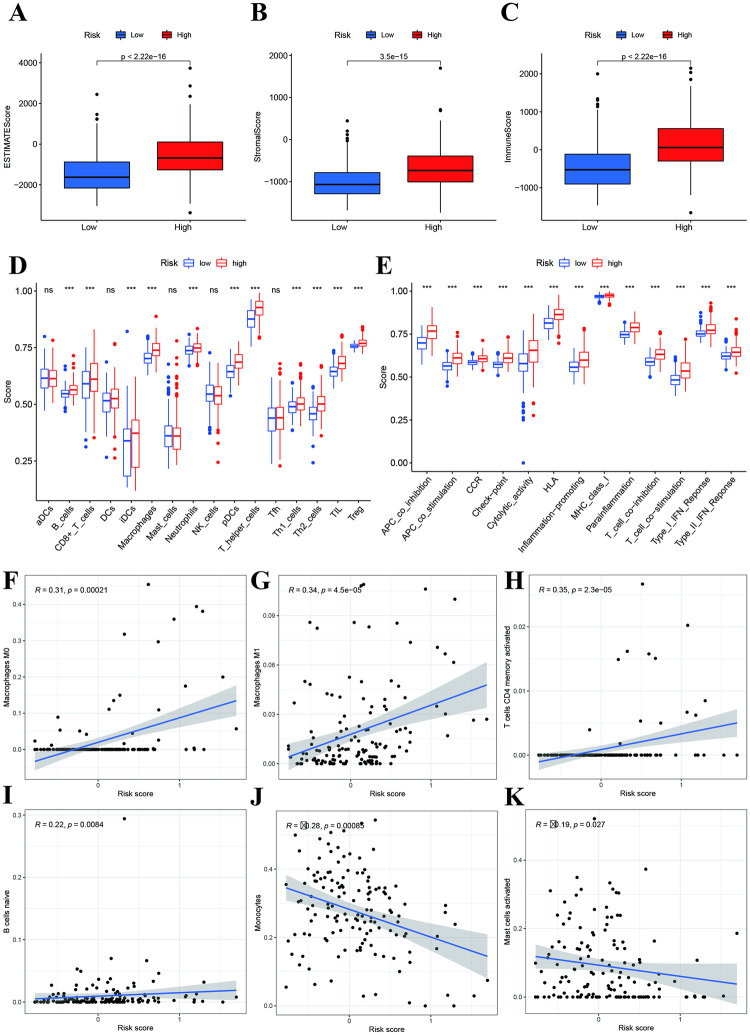
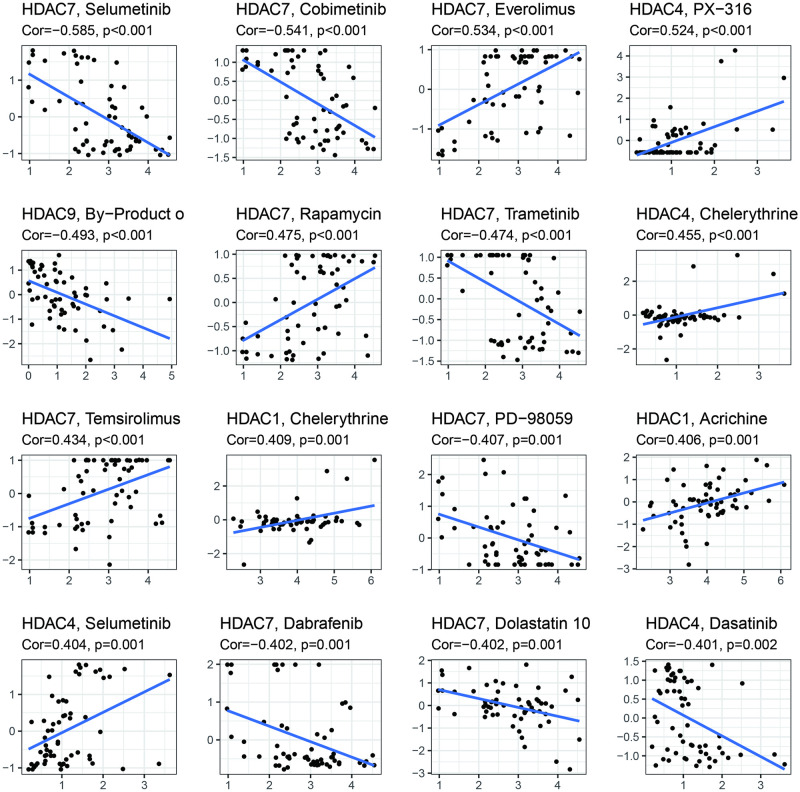
Many studies have shown that Histone deacetylases (HDAC) is involved in the occurrence of malignant tumors and regulates the occurrence, proliferation, invasion, and migration of malignant tumors through a variety of signaling pathways. In the present, we explored the role of Histone deacetylases genes in prognosis and immune response in low-grade glioma. Using consensus clustering, we built the new molecular clusters. Using HDAC genes, we constructed and validated the prognostic model in two independent cohort datasets. Patients were divided into high-risk and low-risk groups. Then, we explored the molecular characteristics, clinical characteristics, tumor microenvironment and immune infiltration levels of two clusters and risk groups. Receiver operating characteristic analyses were built for model assessment. We finally detected the expression levels of signature genes between tumor and normal tissues. Low-grade can be separated into two molecular clusters using 11 HDACs genes. Two clusters had different clinical characteristics and prognosis. Nex, we constructed a prognosis model using six HDAC genes (HDAC1, HDAC4, HDAC5, HDAC7, HDAC9, and HDAC10), which was also validated in an independent cohort dataset. Furthermore, multivariate cox regression indicated that the calculated risk score was independently associated with prognosis in low-grade glioma, and risk score can predict the five-year survival probability of low-grade glioma well. High-risk patients can be attributed to multiple complex function and molecular signaling pathways, and the genes alterations of high- and low-risk patients were significantly different. We also found that different survival outcomes of high- and low- risk patients could be involved in the differences of immune filtration level and tumor microenvironment. Subsequently, using signature genes, we identified several small molecular compounds that could be useful for low-grade glioma patients' treatment. Finally, we detected the expression levels of signature genes in tumor tissues. our study uncovers the biology function role of HDAC genes in low-grade glioma. We identified new molecular subtypes and established a prognostic model based on six HDAC genes, which was well applied in two independent cohort data. The regulation of HDAC genes in low-grade glioma involved in multiple molecular function and signaling pathways and immune infiltration levels. Further experiments in vivo and vitro were required to confirm the present findings.
许多研究表明,组蛋白去乙酰化酶(HDAC)参与恶性肿瘤的发生,并通过多种信号通路调节恶性肿瘤的发生、增殖、侵袭和迁移。目前,我们探讨了组蛋白去乙酰化酶基因在低级别胶质瘤中的预后和免疫反应中的作用。我们采用共识聚类的方法构建了新的分子聚类,利用 HDAC 基因构建并验证了两个独立队列数据集中的预后模型。将患者分为高危和低危组,然后我们探讨了两个聚类和风险组的分子特征、临床特征、肿瘤微环境和免疫浸润水平。为模型评估构建了受试者工作特征分析。最后,我们检测了肿瘤和正常组织之间特征基因的表达水平。使用 11 个 HDAC 基因可将低级别胶质瘤分为两个分子聚类。两个聚类具有不同的临床特征和预后。接下来,我们使用六个 HDAC 基因(HDAC1、HDAC4、HDAC5、HDAC7、HDAC9 和 HDAC10)构建了一个预后模型,并在另一个独立队列数据集中进行了验证。此外,多变量 cox 回归表明,计算的风险评分与低级别胶质瘤的预后独立相关,风险评分可以很好地预测低级别胶质瘤的五年生存率。高危患者可归因于多种复杂功能和分子信号通路,高、低危患者的基因改变有显著差异。我们还发现,高、低危患者的不同生存结果可能与免疫过滤水平和肿瘤微环境的差异有关。随后,我们使用特征基因鉴定了几种可能对低级别胶质瘤患者治疗有用的小分子化合物。最后,我们检测了肿瘤组织中特征基因的表达水平。本研究揭示了 HDAC 基因在低级别胶质瘤中的生物学功能作用。我们确定了新的分子亚型,并建立了基于六个 HDAC 基因的预后模型,该模型在两个独立的队列数据中得到了很好的应用。HDAC 基因在低级别胶质瘤中的调节涉及多种分子功能和信号通路以及免疫浸润水平。需要进一步的体内和体外实验来证实目前的发现。