Department of Chemistry, Faculty of Pharmacy, Iuliu Hatieganu University, 400012 Cluj-Napoca, Romania.
Advanced Materials and Applied Technologies Laboratory, Institute of Research-Development-Innovation in Applied Natural Sciences, "Babes-Bolyai" University, Fantanele Str. 30, 400294 Cluj-Napoca, Romania.
Int J Mol Sci. 2022 Sep 30;23(19):11595. doi: 10.3390/ijms231911595.
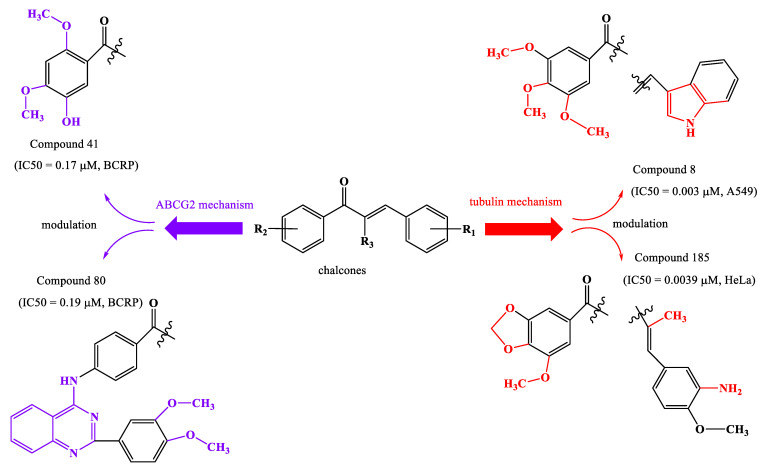
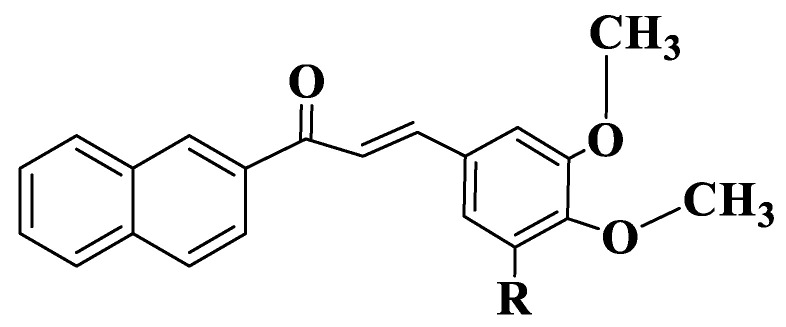
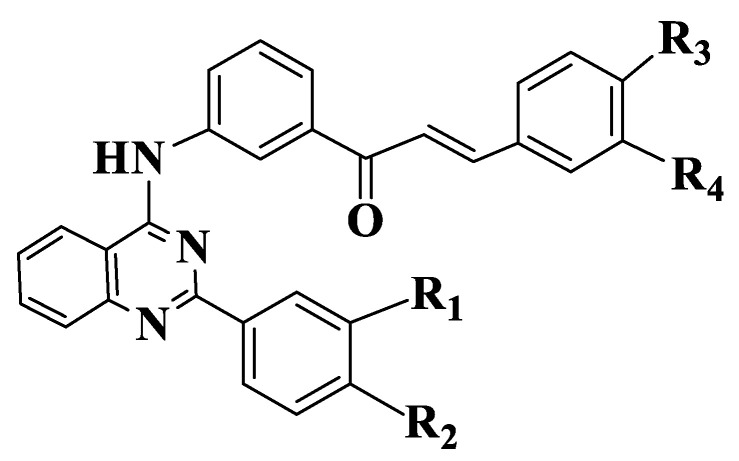
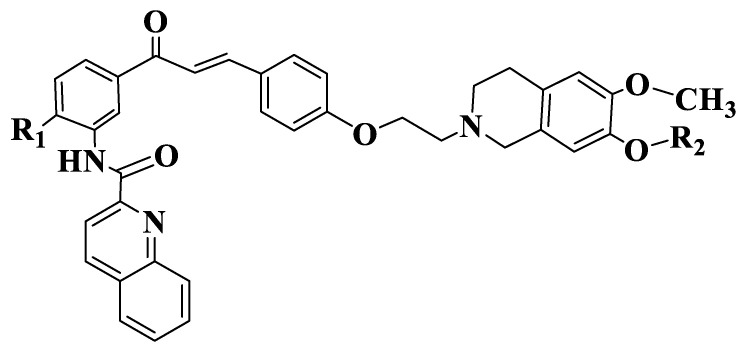
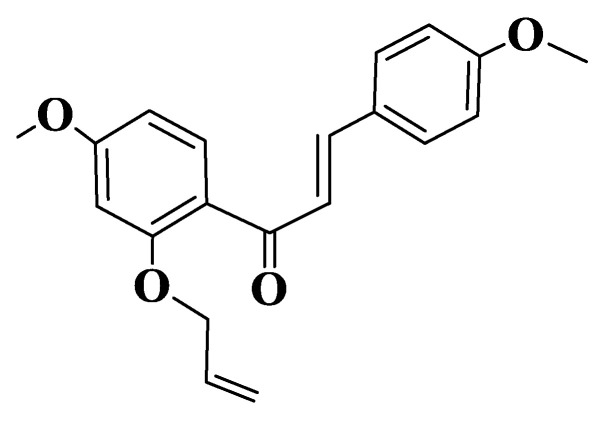
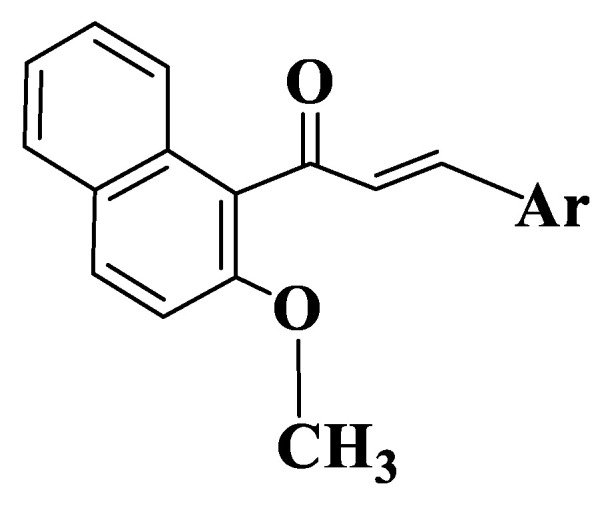
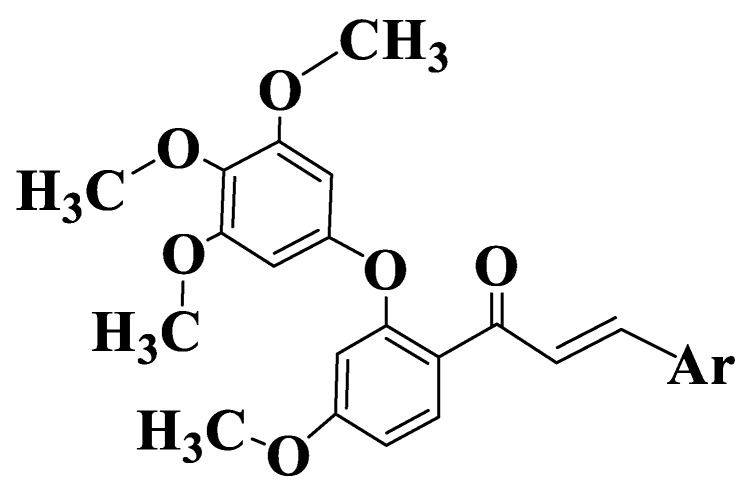
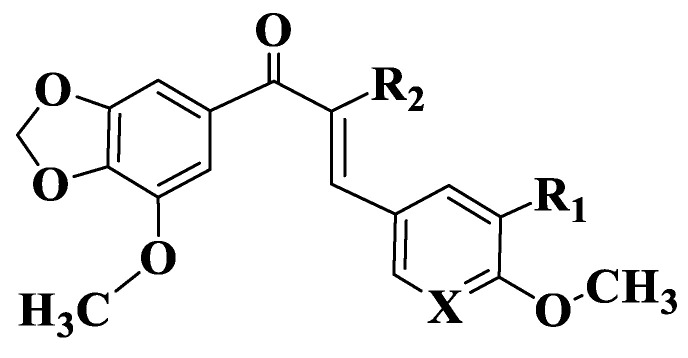
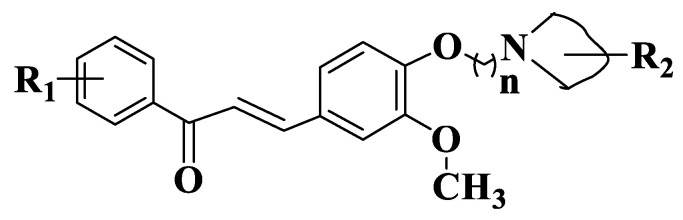
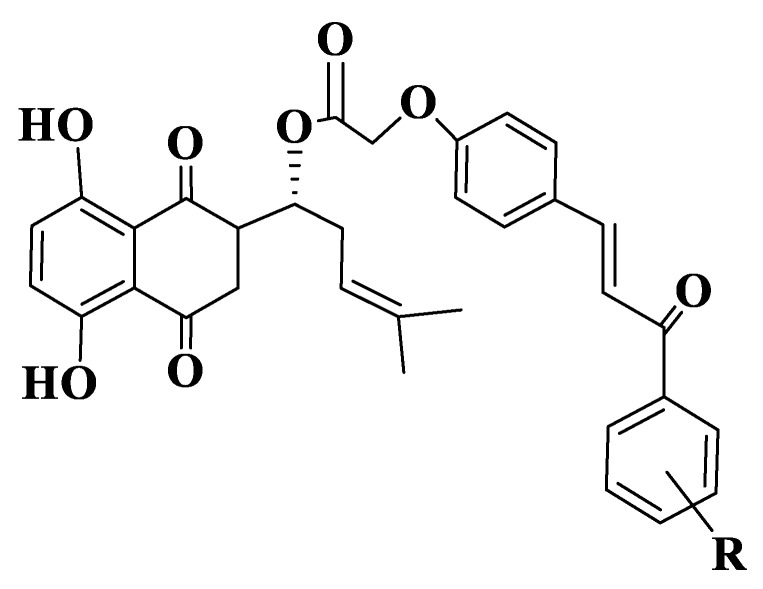
ATP-binding cassette subfamily G and tubulin pharmacological mechanisms decrease the effectiveness of anticancer drugs by modulating drug absorption and by creating tubulin assembly through polymerization. A series of natural and synthetic chalcones have been reported to have very good anticancer activity, with a half-maximal inhibitory concentration lower than 1 µM. By modulation, it is observed in case of the first mechanism that methoxy substituents on the aromatic cycle of acetophenone residue and substitution of phenyl nucleus by a heterocycle and by methoxy or hydroxyl groups have a positive impact. To inhibit tubulin, compounds bind to colchicine binding site. Presence of methoxy groups, amino groups or heterocyclic substituents increase activity.
三磷酸腺苷结合盒亚家族 G 和微管蛋白的药理学机制通过调节药物吸收和通过聚合来创建微管蛋白组装,从而降低抗癌药物的有效性。已经报道了一系列天然和合成查尔酮具有非常好的抗癌活性,其半最大抑制浓度低于 1µM。通过调节,可以观察到在第一种机制中,苯乙酮残基芳香环上的甲氧基取代基和苯核被杂环和甲氧基或羟基取代对其有积极影响。为了抑制微管蛋白,化合物与秋水仙碱结合位点结合。存在甲氧基、氨基或杂环取代基会增加活性。